
Dr. Sunil Singhal, right, directs a special camera to be able to view his patients tumor on monitors.
Copyright © africanews
Last updated:
19 minutes ago
Cancer
A new World Health Organization report has warned that cancer is placing a devastating human and economic burden on societies worldwide, claiming more than 26,000 lives every day and exposing major inequalities in survival rates between rich and poor countries.
Dr. Sunil Singhal, right, directs a special camera to be able to view his patients tumor on monitors.
Copyright © africanews
Last updated:
19 minutes ago
Cancer
WHO's report reveals significant global inequities in cancer care, with stark survival disparities between high- and low-income…
WHO urges immediate action to address rising global cancer cases and improve equitable access to prevention and treatment…

A doctor breaks down the latest WHO report on cancer and explains why inequities, and not science, could be the biggest threat to…
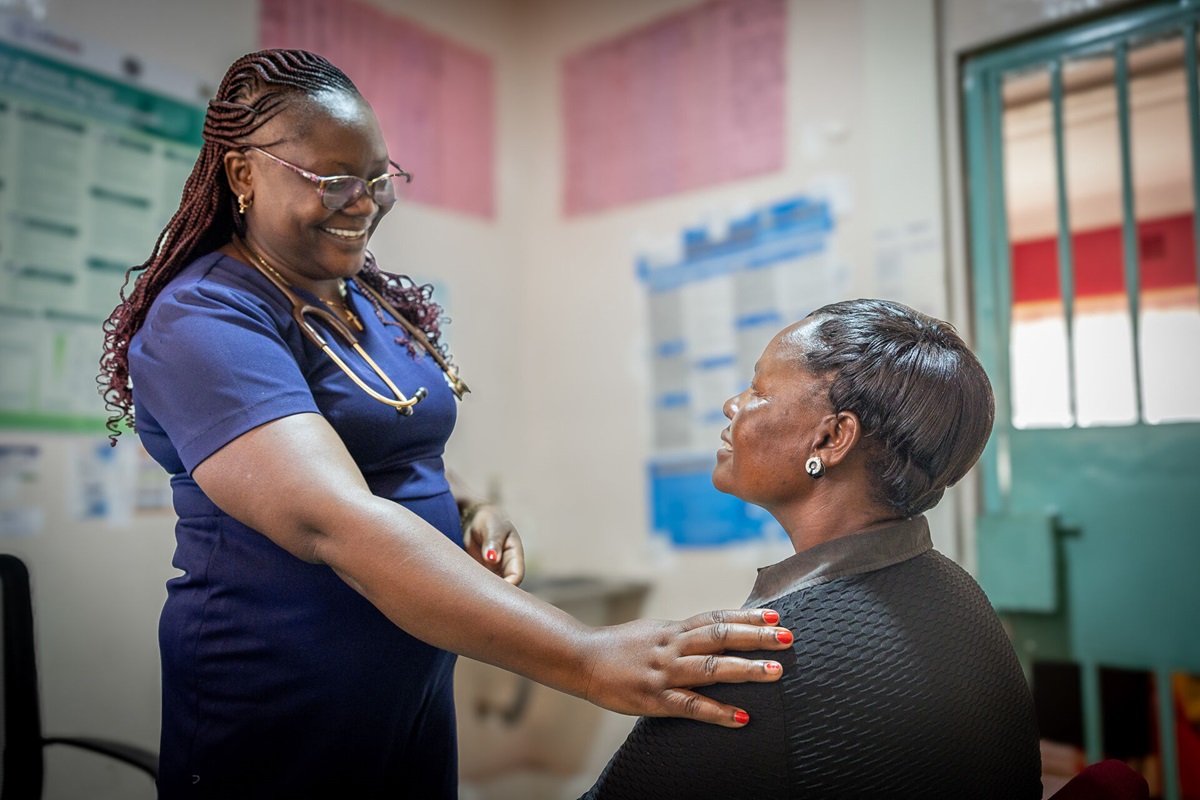
Millions of people are facing physical, emotional and financial toll of cancer, a disease that claims more than 26 000 lives…
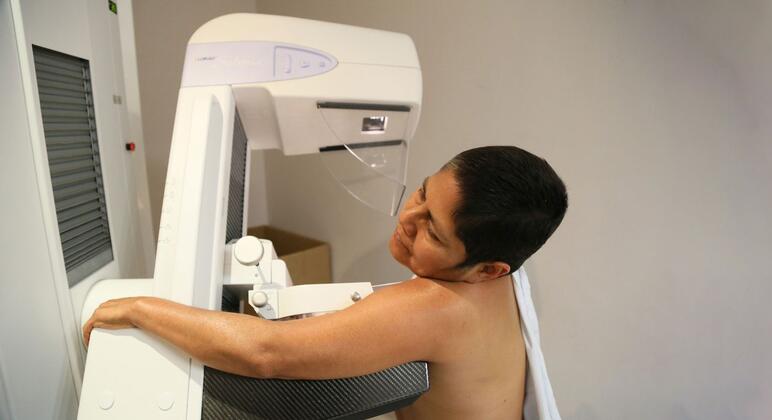
The number of new cancer cases worldwide could rise to almost 35 million a year by 2050 unless countries take urgent action to…

Cancer cases are projected to rise by 66,7% by 2050 while access to care remains unequal between rich and poor countries, a new…
Cancer burden is nearly universal, yet highly inequitable in its impact: WHO report
WHO calls for urgent intervention on cancer
WHO Warns Global Cancer Cases Could Reach 35 Million By 2050—Here’s What To Know
WHO calls for urgent action as new cancer cases are projected to nearly double by 2050
Cancer cases could nearly double by 2050 without urgent action, WHO warns
Cancer cases to rise by two-thirds by 2050 globally, WHO warns

Progress against cancer not shared by poorer countries, WHO report finds

Why Cancer cases are rising worldwide | Explained
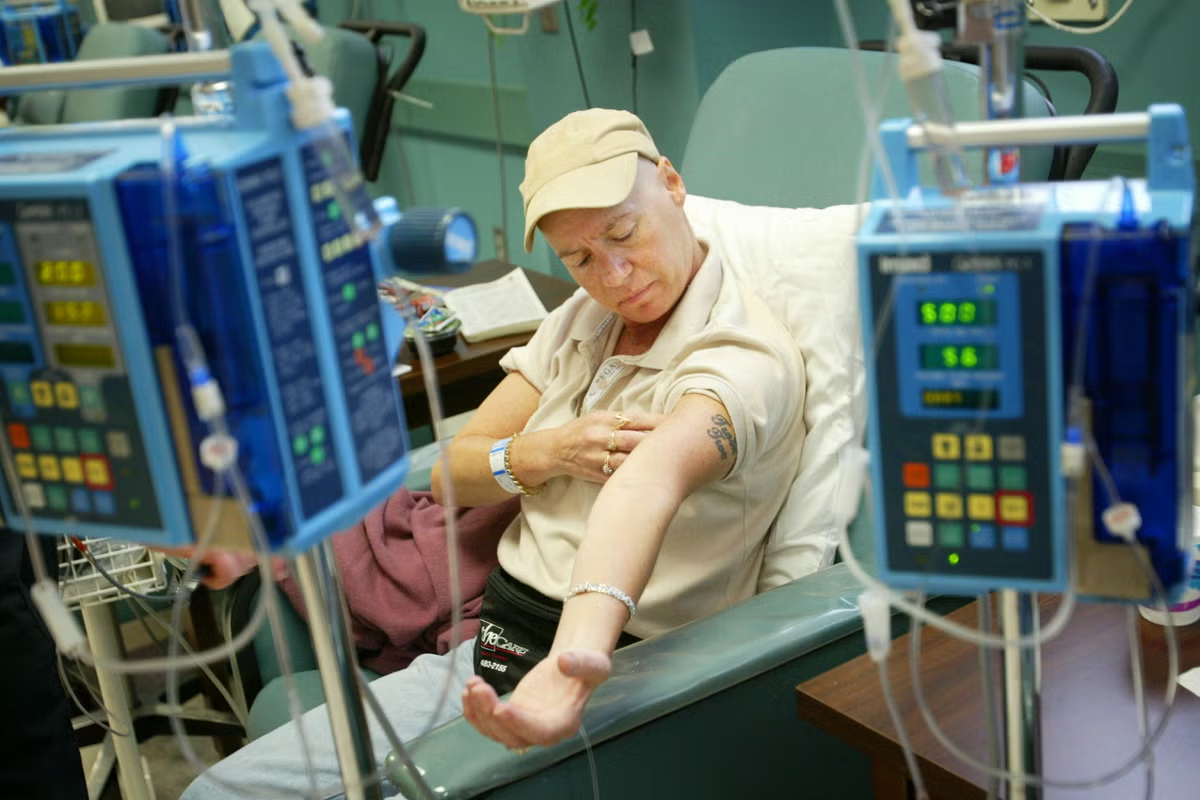
Cancer cases to double in 25 years, WHO warns, as science can’t keep up with costs
WHO indicates new cancer cases could approach 35mn annually by 2050