Wood Mackenzie is forecasting that an EU funding ban on projects using solar inverters from China and other countries deemed high risk will impact 14% of EU solar demand through to 2030, as well as 12% of energy storage deployments.
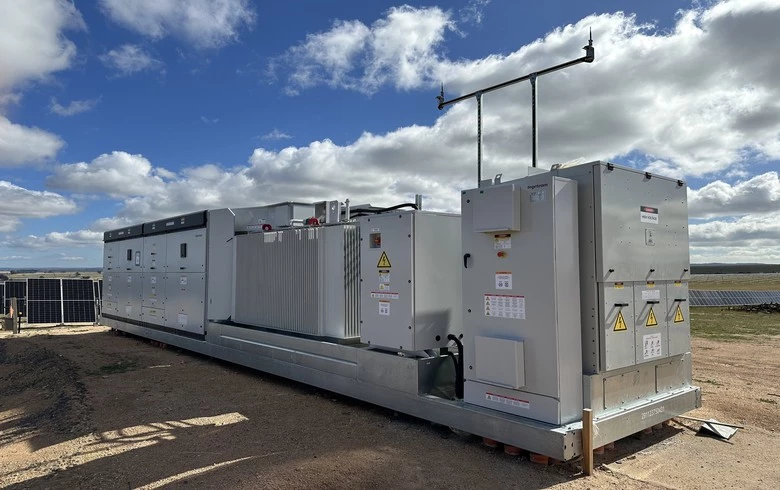
A ban on solar inverters and power-conversion systems from China and other countries considered high risk by the European Commission could impact around 14% of forecasted European solar demand from 2026 to 2030, according to analysis by Wood Mackenzie.
The figure is equivalent to over 28 GWdc of solar inverter demand, Wood Mackenzie’s analysis adds.
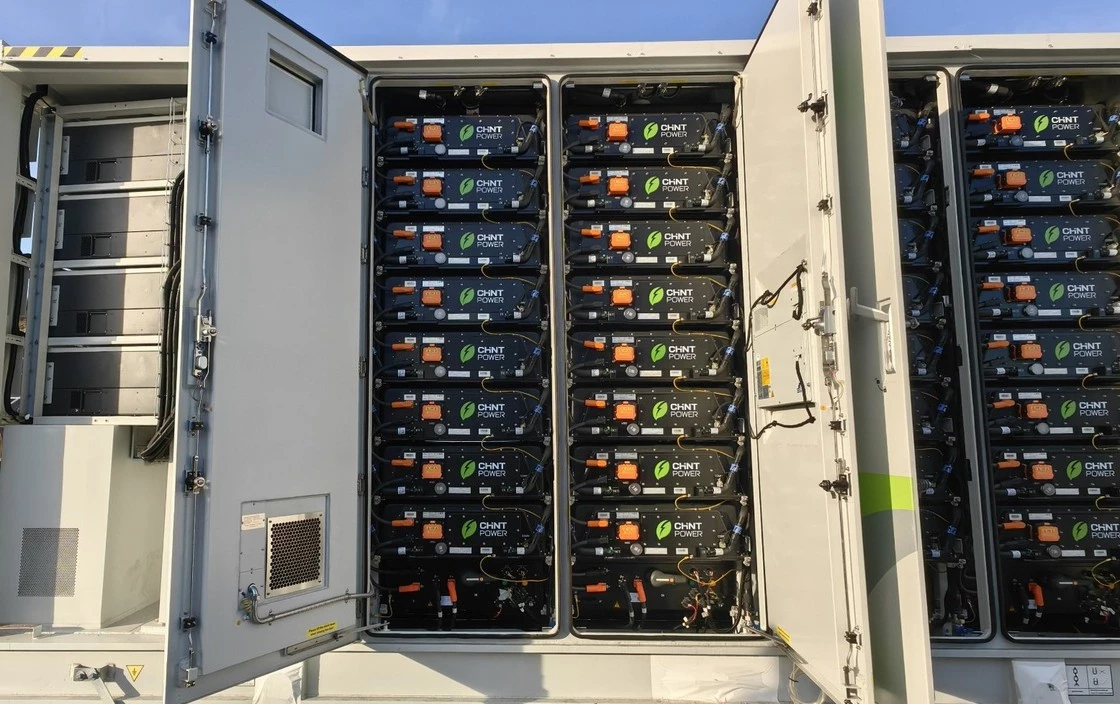
The European Commission moved ahead with plans to restrict EU funding for PV projects using inverters from high-risk suppliers in April, citing cybersecurity concerns. The policy also extends to battery storage projects, with Wood Mackenzie anticipating it to affect 12% of future EU energy storage deployments through to the end of the decade.
“Critically, the European Commission is also asking EU member states to adopt this restriction for any solar and energy storage projects receiving funding from their own national budgets,” Wood Mackenzie’s latest analysis adds. “If member states comply, the share of capacity affected would expand significantly beyond the current estimates.”