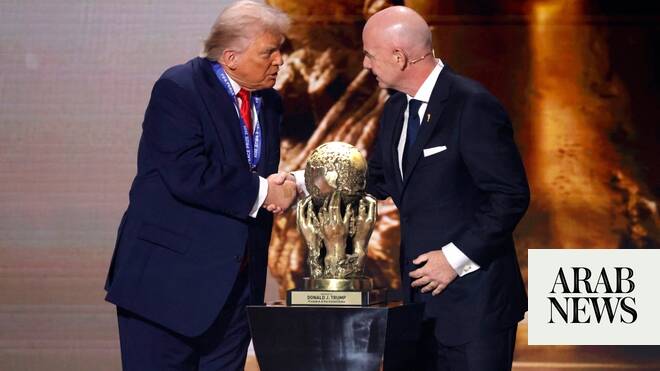
The FIFA World Cup has always been more than football. It is a festival of nations, a celebration of sporting excellence and an occasion that unites families before TV screens. Parents, children, neighbours and friends gather to cheer their favourite teams, celebrate goals and mourn exits, in some cases. But amid the excitement of the ongoing tournament in Canada, Mexico and the USA, another competition appears to be unfolding, one for the minds of viewers through an irresistible barrage of betting adverts, especially for the feeble minds.
For many viewers, it is difficult to ignore the sheer volume of gambling commercials that interrupt virtually every match. In some broadcasts, betting promotions seem to outnumber adverts for other products and other consumer goods combined. While adults may understand the risks associated with gambling, children watching alongside their parents are exposed repeatedly to messages that portray betting as exciting, rewarding and almost inseparable from football.
This should concern everyone for the sake of the next generation.
One can easily imagine a child innocently asking, “Daddy, do people really win every time they place a bet?” Such questions reflect more than curiosity but reveal how easily repeated advertisements shape perception. At a vulnerable age, children are unlikely to distinguish between entertainment and marketing or between calculated probability and guaranteed success. What they often remember are the smiling winners, the flashing jackpots and the promise that fortune is only one prediction away.