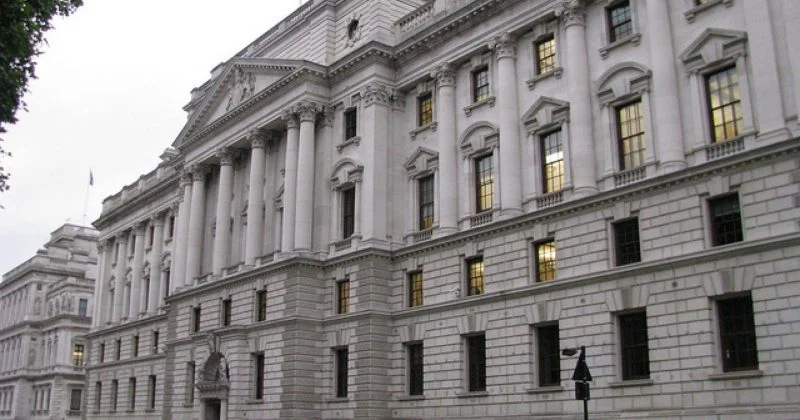
The UK’s Debt Management Office is quietly retreating from the long end of the bond market. With 30-year gilt yields nearing 6%, their highest level since 1998, the DMO has slashed its planned long-dated conventional gilt issuance to just £8 billion for the 2026-27 fiscal year. That’s a mere 3.2% of the roughly £252 billion in total planned gilt sales. The rest is being tilted heavily toward shorter and medium-term debt.
What’s driving the selloff
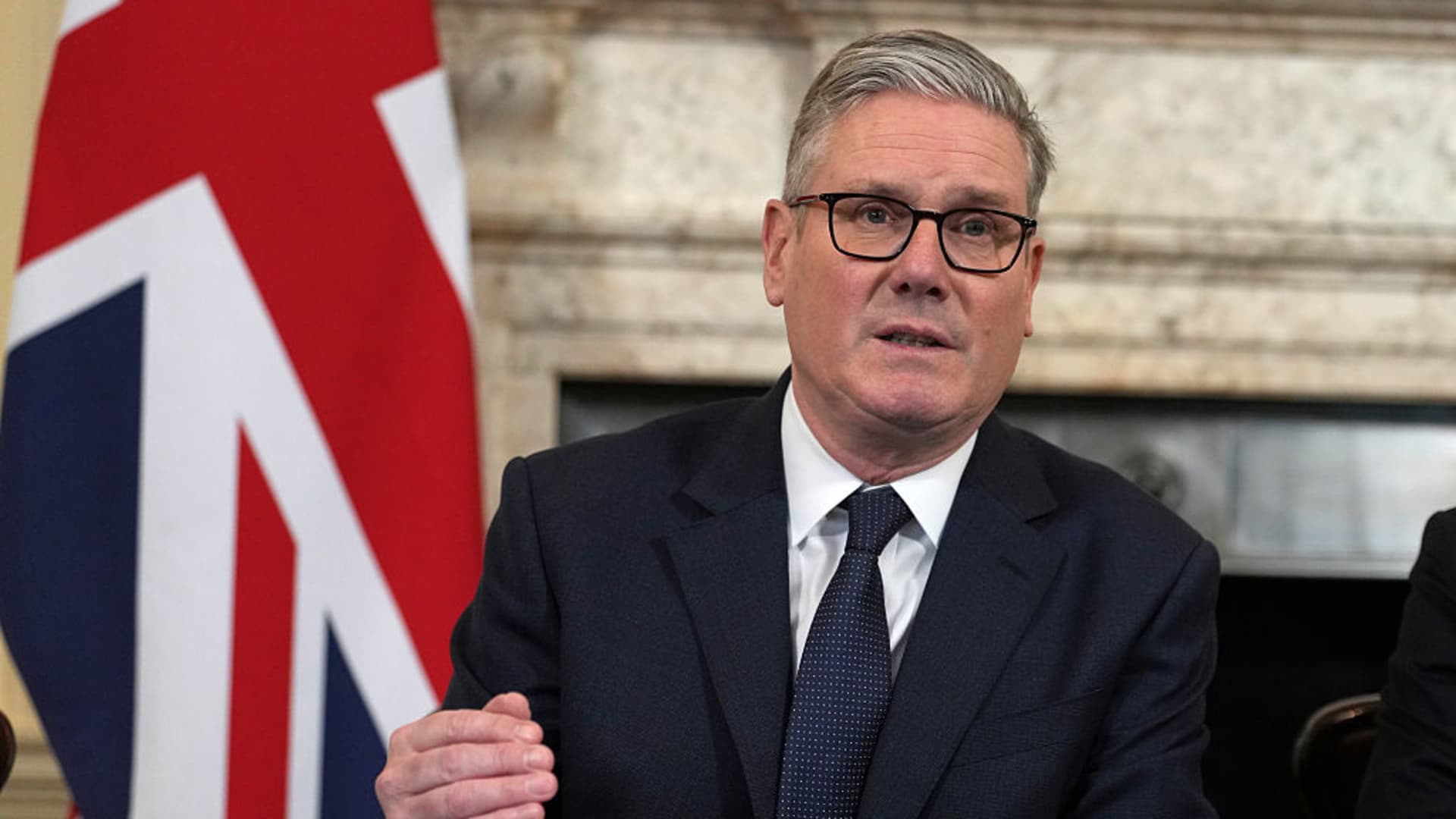
Political speculation surrounding Prime Minister Keir Starmer has intensified following Labour’s local election losses. The market isn’t pricing in a specific outcome so much as pricing in the uncertainty itself, adding a risk premium to long-dated gilts that makes issuing them painfully expensive for the Treasury.
The 2022 Liz Truss mini-budget episode demonstrated exactly what happens when investors lose faith in UK fiscal credibility. Long-dated gilt prices cratered, pension funds scrambled, and the Bank of England had to step in with emergency bond purchases. The current situation hasn’t reached that level of acute stress, but the echoes are unmistakable.
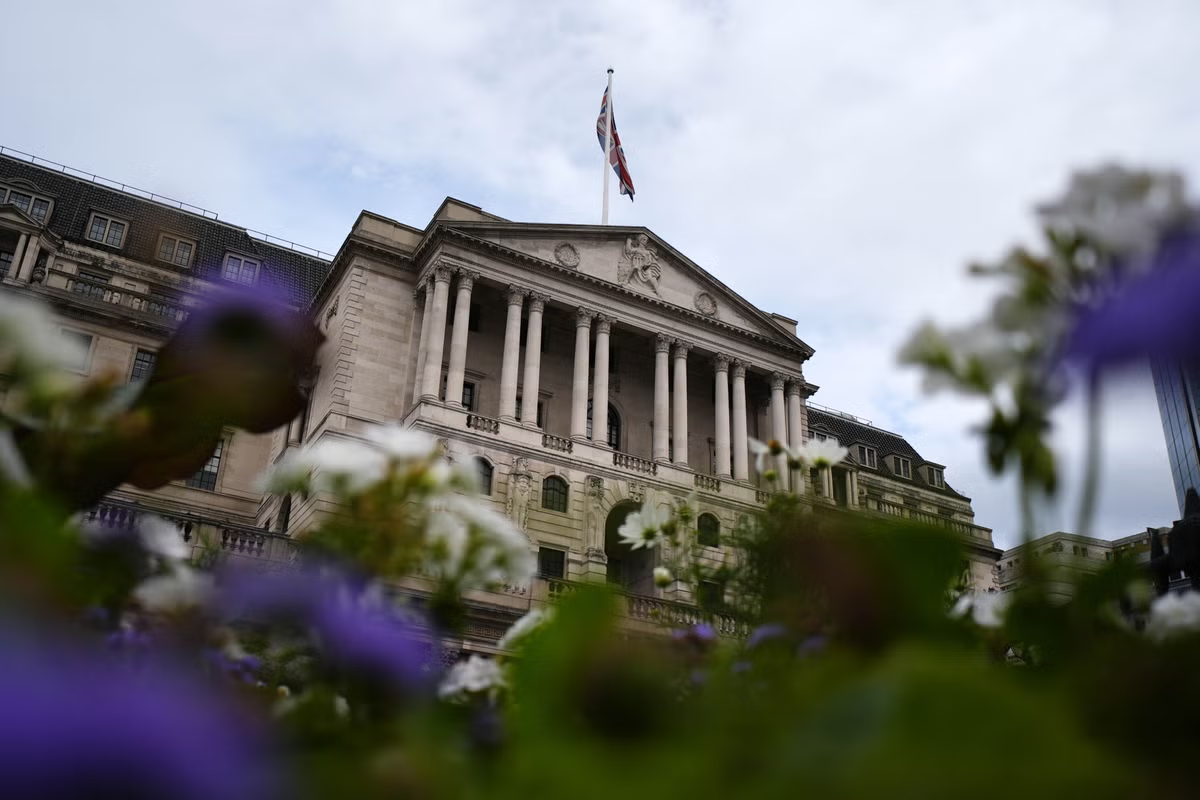
Adding to the pressure is the Bank of England’s ongoing quantitative tightening program. The central bank is offloading roughly £70 billion per year in government bonds, reversing the massive purchases it made during the pandemic era. That means more supply hitting a market where demand for long-duration UK risk is already thin.