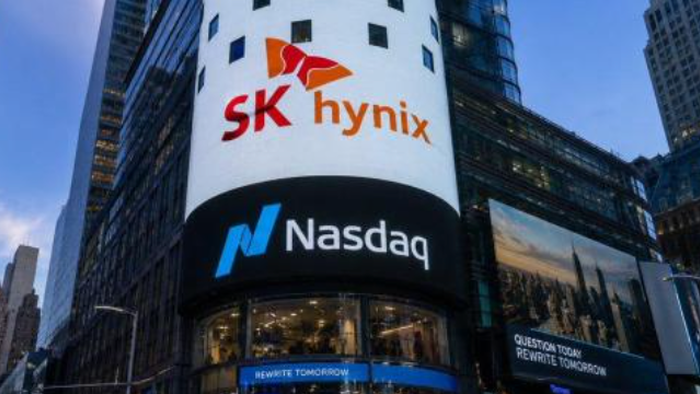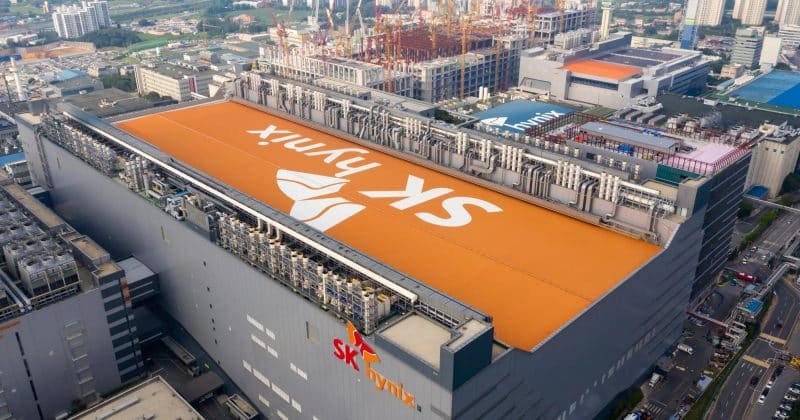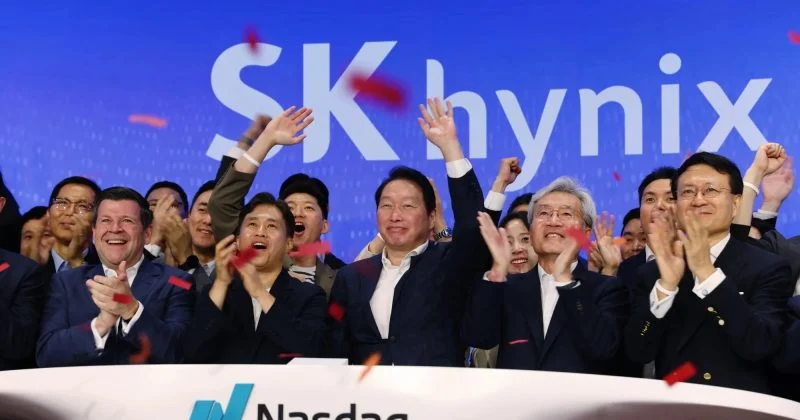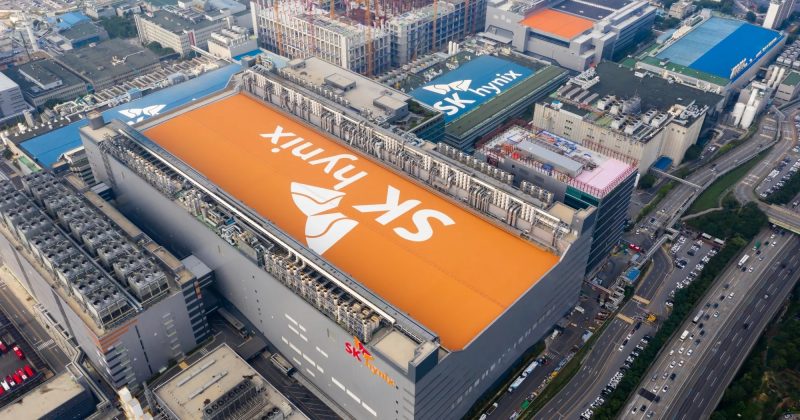
SK Hynix is about to give Wall Street something it loves and fears in equal measure: a massive new listing with unclear rules. The South Korean memory chip giant’s planned $29 billion American Depositary Receipt listing on Nasdaq, expected to begin trading around July 10, 2026, is already drawing intense scrutiny from arbitrage traders trying to figure out whether they can actually profit from the spread between US and Seoul-listed shares.
The convertibility question is everything
Arbitrage between dual-listed stocks usually works like a pressure valve. When the US-listed version trades at a premium, traders buy the cheaper domestic shares, convert them to ADRs, and sell at the higher price. The spread narrows, markets stay efficient, everyone goes home happy.
But SK Hynix’s listing could feature a one-way conversion policy, meaning investors might be able to convert Korean shares into ADRs but not the other way around. In English: once your money goes in, it might not come back out the same door.
This isn’t hypothetical. TSMC’s ADRs have demonstrated exactly what happens when convertibility is restricted. The Taiwanese chipmaker’s US-listed shares have recently maintained premiums ranging from 13% to 16%, with historical premiums sometimes exceeding 20%. That gap persists precisely because the arbitrage mechanism that would normally close it is hobbled by conversion limitations.