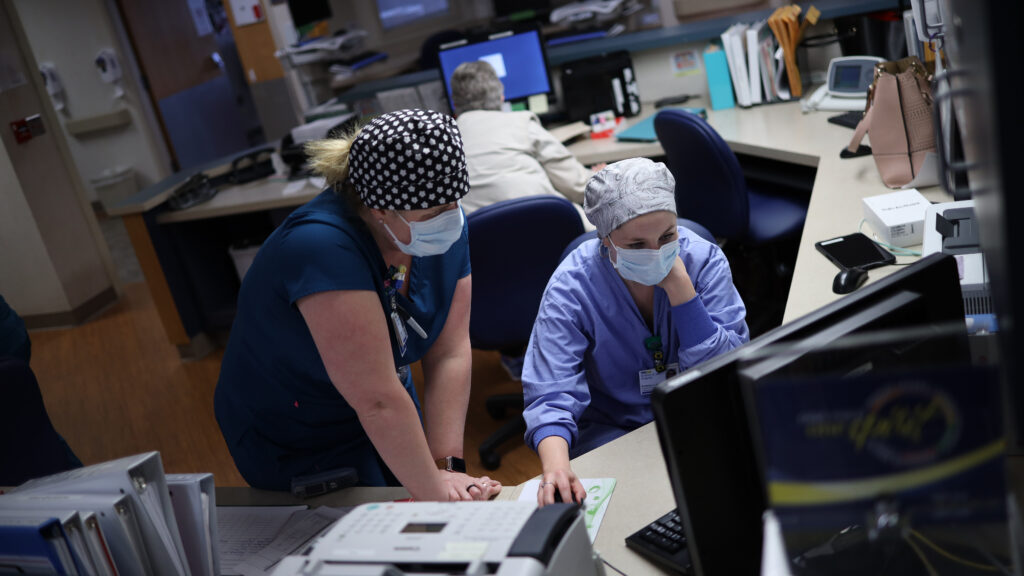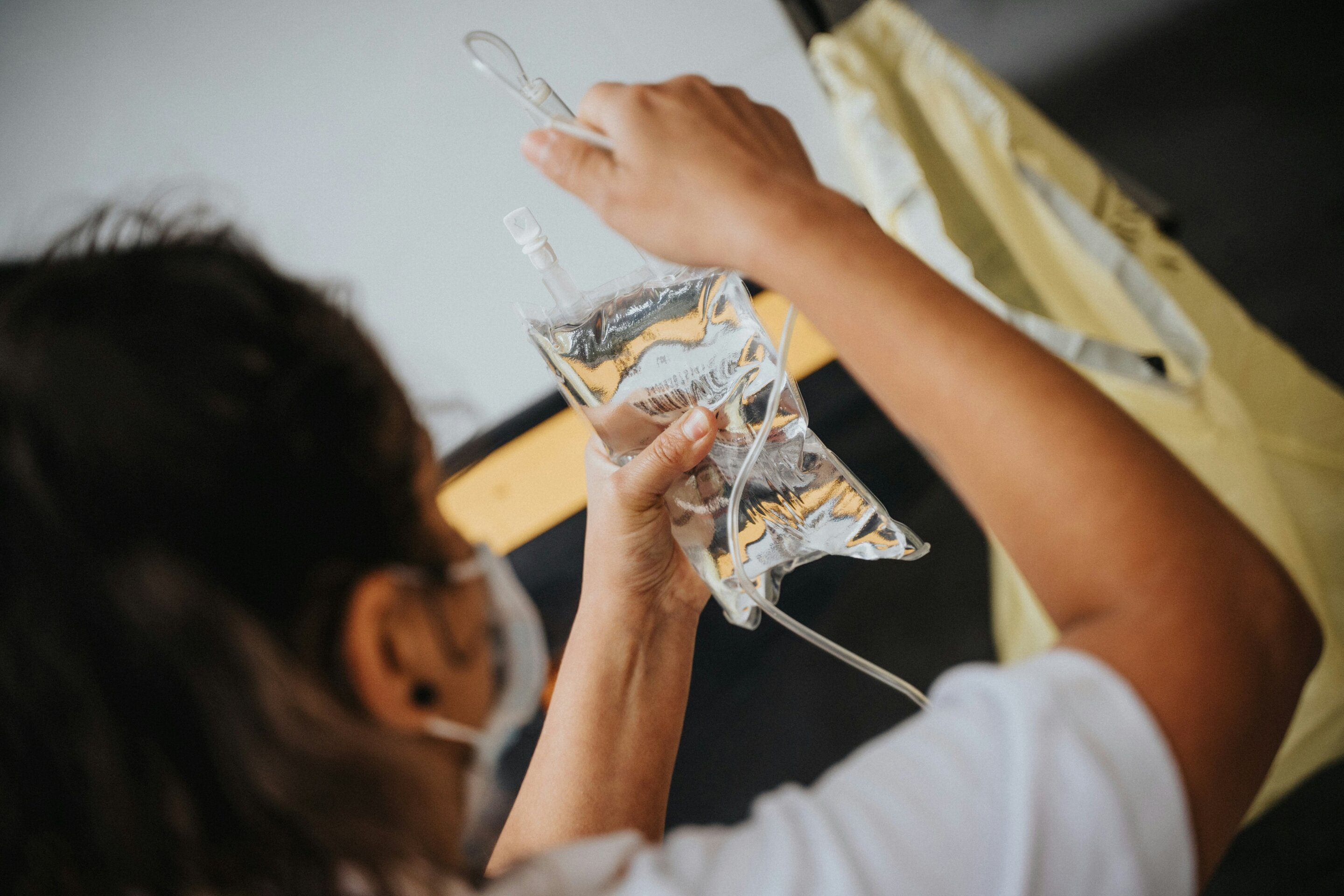
In a letter published in The Lancet, Penn Nursing's Kathryn Connell, Ph.D., RN, CCRN, argues that nursing is a profession where "dual expertise" is widespread yet structurally invisible. Connell calls for urgent systemic reforms to support nurse clinician-scientists who balance active bedside practice, research and personal lived experience.
Connell, who is an assistant professor in Penn Nursing's Department of Biobehavioral Health Sciences; core faculty at the Center for Health Outcomes and Policy Research; affiliated faculty at the Palliative and Advanced Illness Research Center; senior fellow at the Leonard Davis Institute of Health Economics; and Clinical Nurse 2 at Pennsylvania Hospital, highlights that while many nurses are driven to the profession by personal encounters with illness or health system failures, they are traditionally viewed strictly as caregivers rather than knowledge producers.
Furthermore, unlike physician-scientists who benefit from established infrastructure, formal hybrid roles for nurses remain rare. To maintain both worlds, nurse clinician-scientists often resort to working clinical shifts on nights and weekends alongside full-time academic appointments.
Translating bedside realities into research