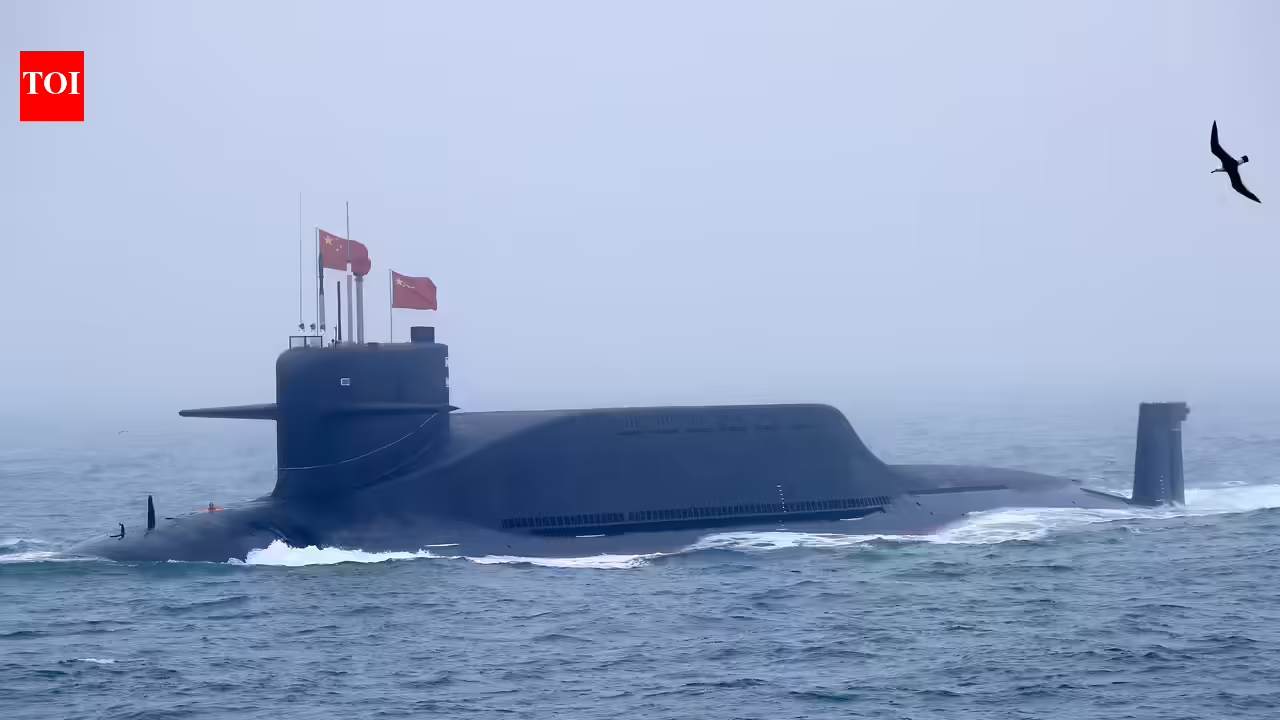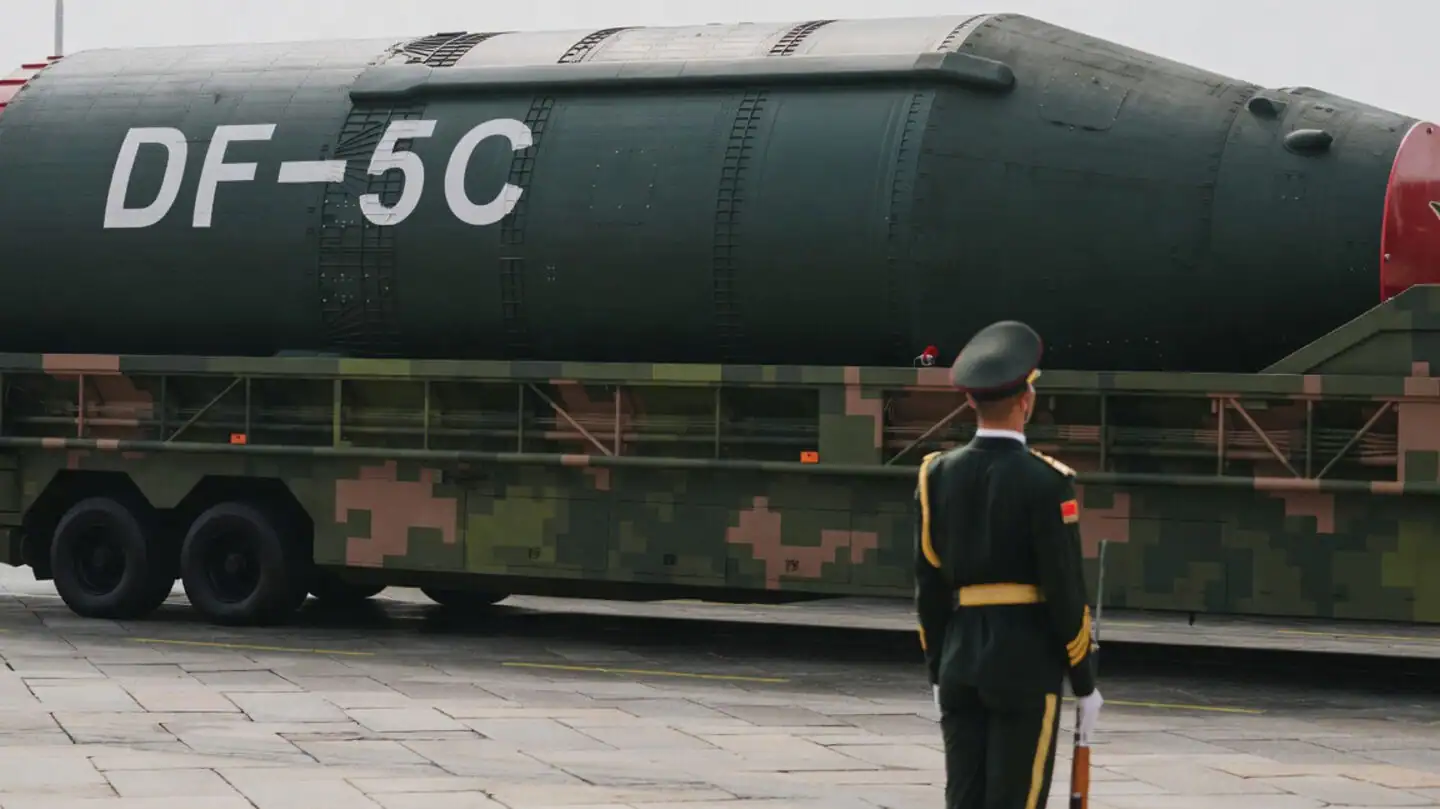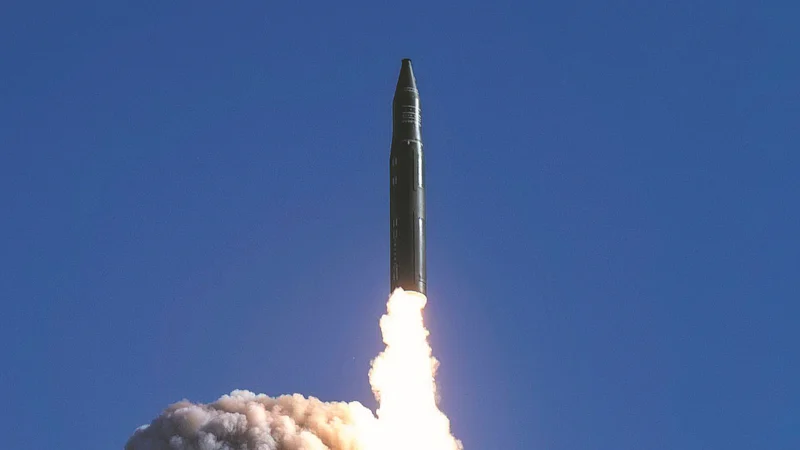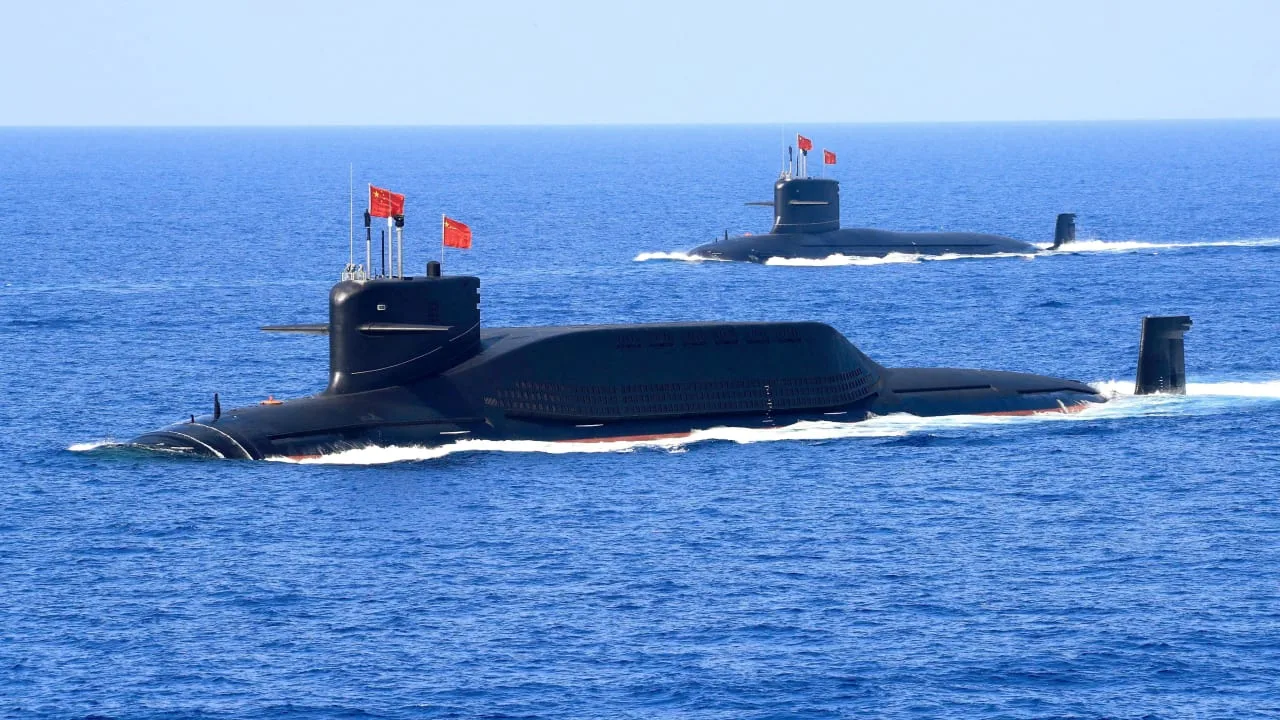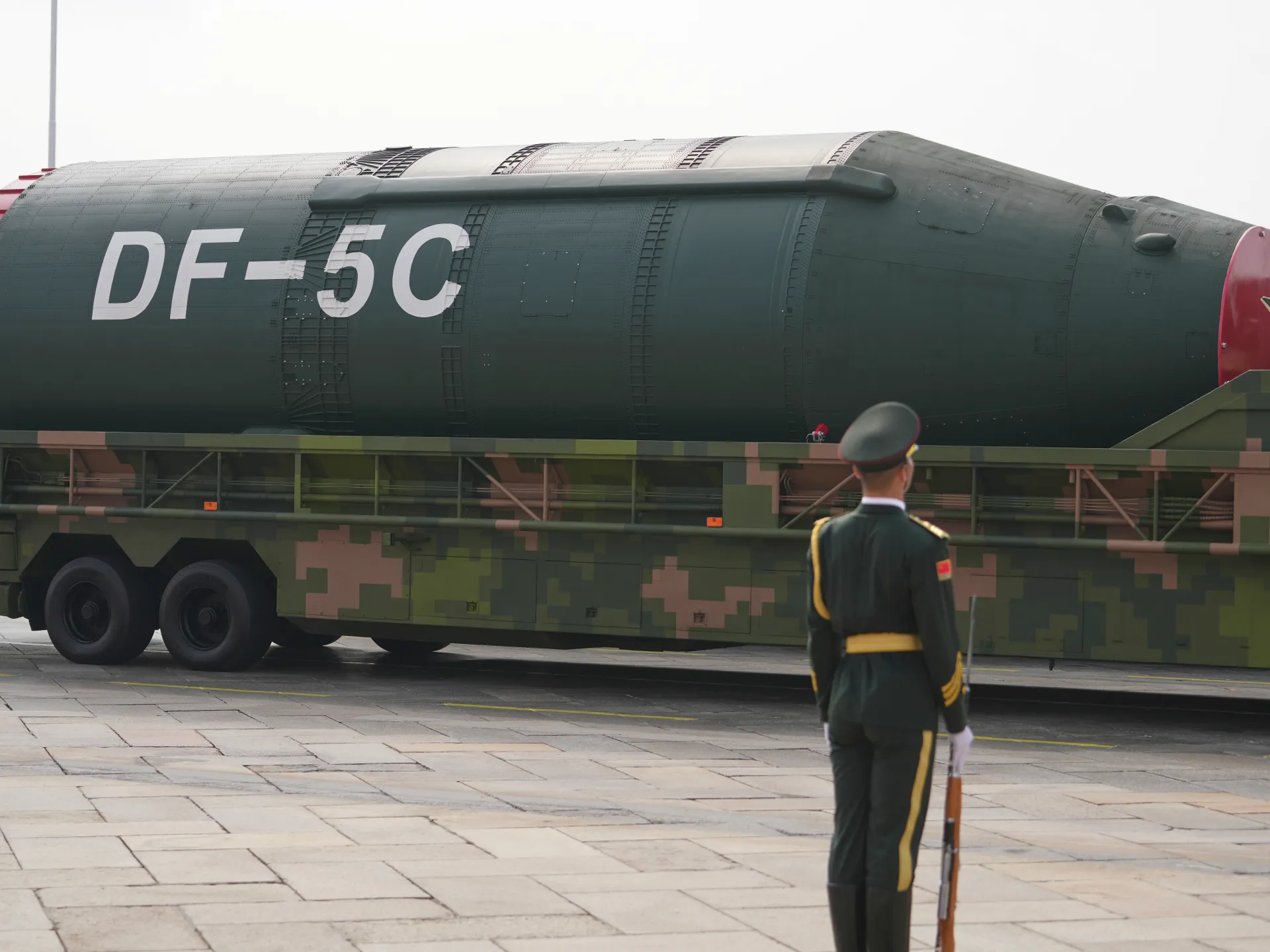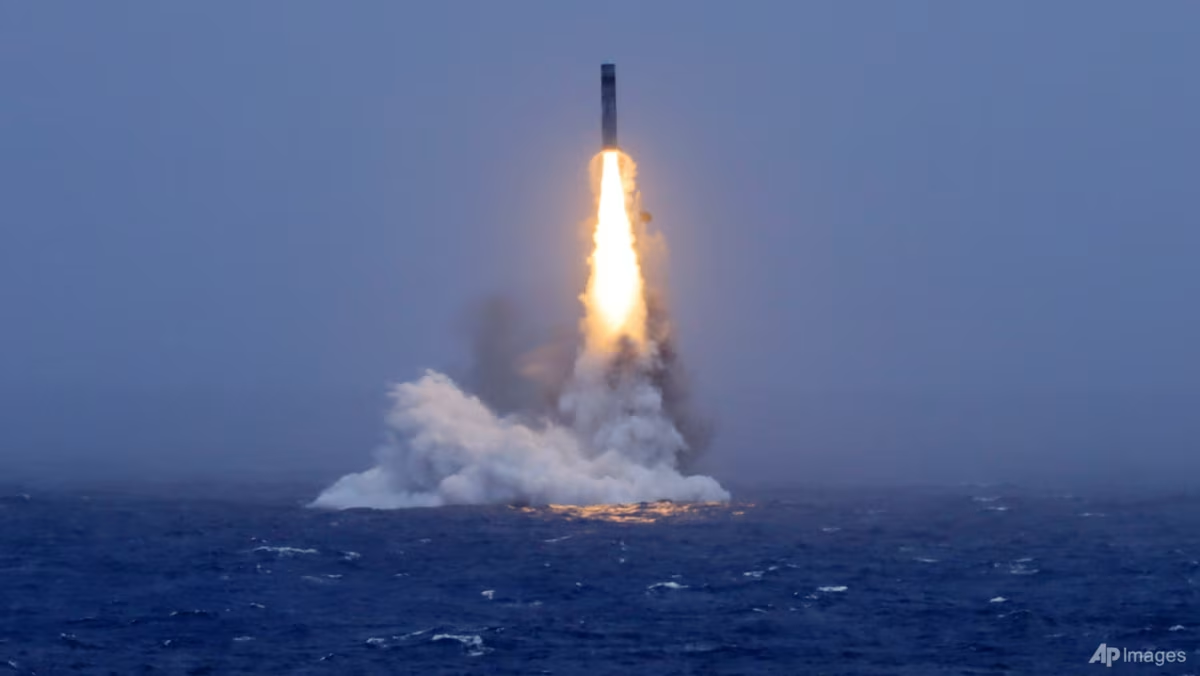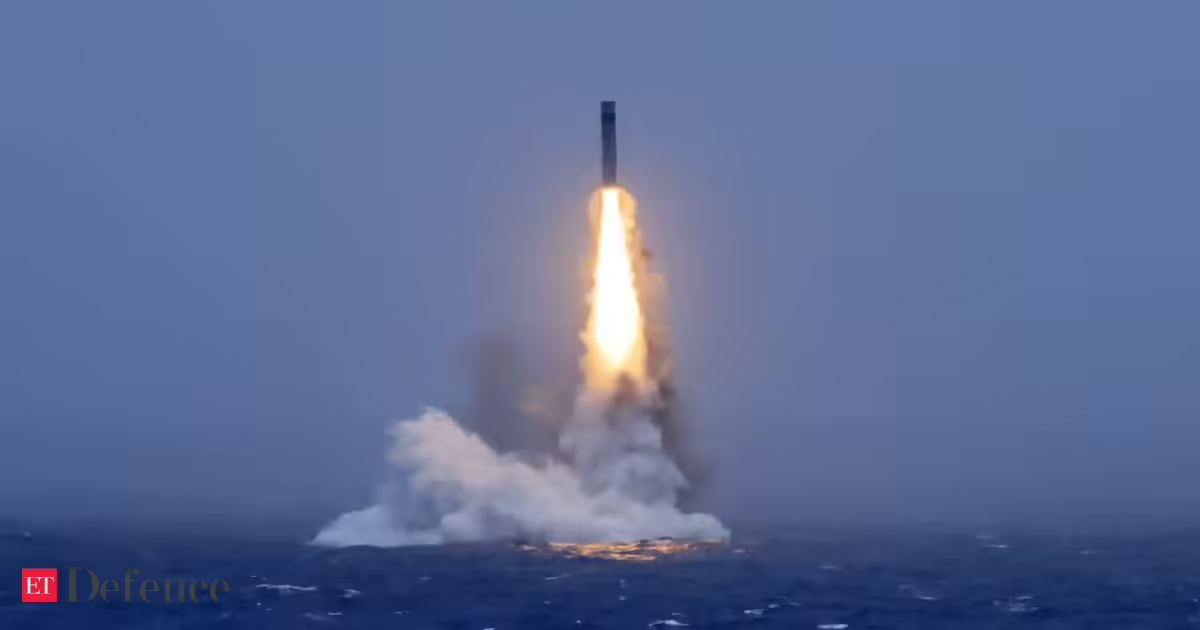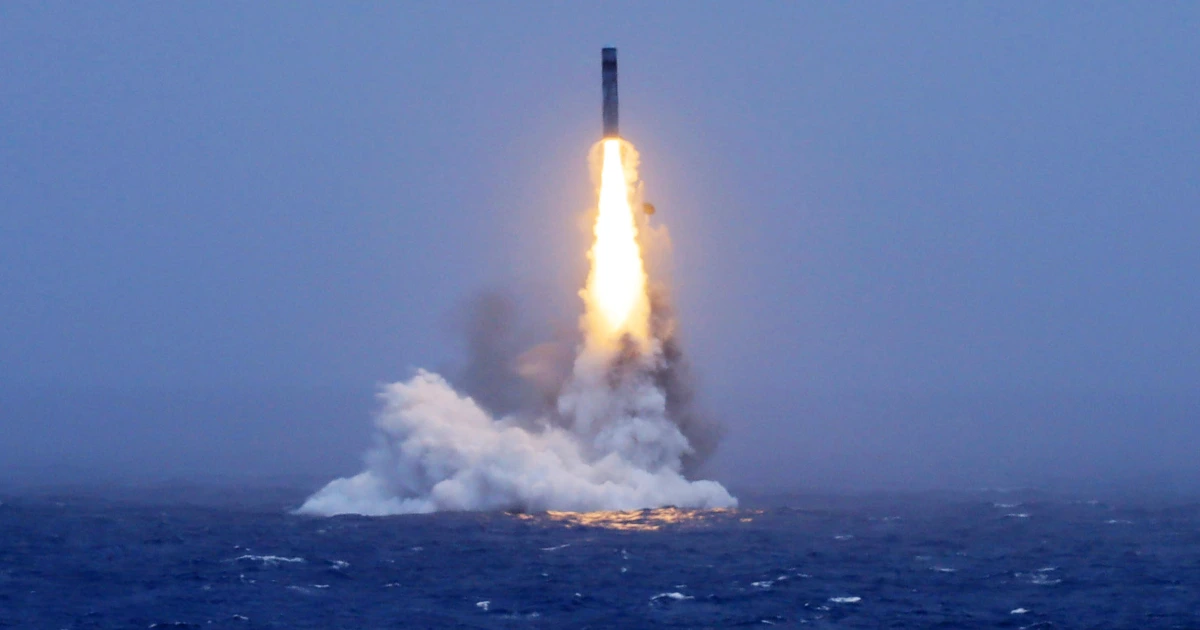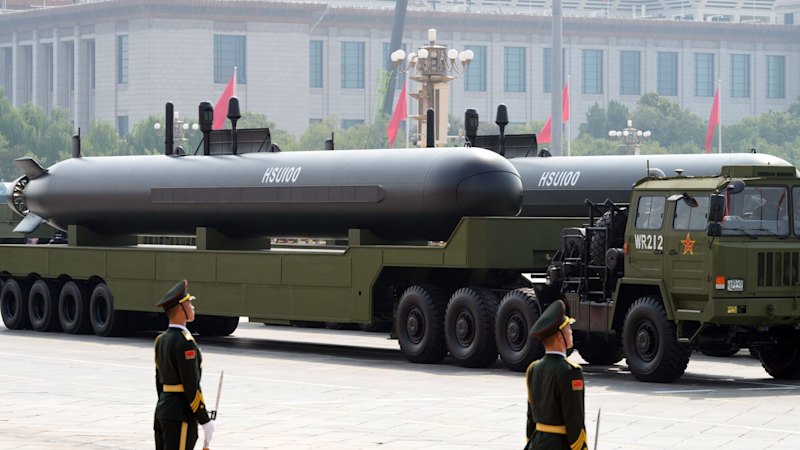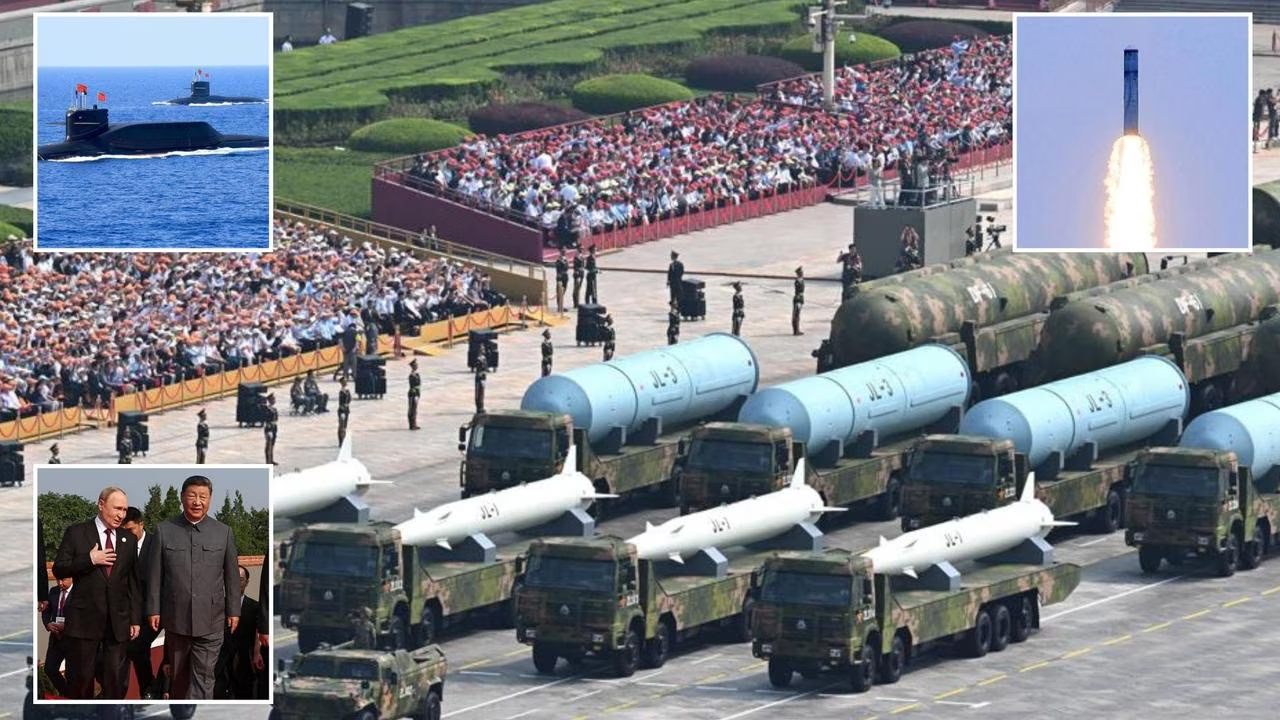
The missile believed to have been fired by a Chinese submarine into the Pacific Ocean earlier this week could hit mainland USA and Australia, according to a naval defence expert.Jennifer Parker, a former Royal Navy officer turned defence analyst, said though it’s not exactly clear which missile Beijing launched from its nuclear-powered sub on Tuesday, the options were limited.Ms Parker said a 2024 US Department of Defence report on China’s military capabilities claims Beijing’s 12 nuclear-powered submarines are stocked with either JL-2 or JL-3 submarine-launched ballistic missiles (SLBM). Both are able to carry nuclear warheads.According to the report, the JL-2 has a range of 7,000km and a Chinese nuclear-sub carrying one would have to operate in the mid-Pacific Ocean to threaten targets in the western half of the continental United States, as well as Hawaii and Alaska.The powerful missile can carry a single megaton-class warhead, enough to create an area of destruction some 900 square kilometers wide, according to some estimates, or it can carry three to eight smaller MIRVed (Multiple Independently Targetable Reentry Vehicle) warheads, which are capable of striking several targets at once using multiple warheads.The JL-3, the People Liberation Army Navy (PLAN) most advanced SLBM, has a range of 10,000km, according to the US report. This means Chinese nuclear subs could strike mainland Australia and the US from just off its own coastline.The deadly missile is such a source of pride that it was first unveiled at a mega military parade in Beijing last year, during which Chinese President Xi Jinping hosted Russian counterpart Vladimir Putin and North Korean leader Kim Jong-un.China’s six JIN-class nuclear subs can carry 12 such missiles each, according to reports. Ms Parker said it was difficult to know which missiles were launched this week as data, such as satellite imagery and tracking information, has not been released in the public sphere.But she said that’s not the most important take-away.“The significant note for the public is that China has this long-range ballistic missile capability. It is testing it. It did it in the Pacific this time and we are expecting to see it happen probably more frequently,” she told news.com.au“Yes, it’s a test fire, but it’s also a demonstration of capability and a signal to the region.”She said Australians should be concerned about Beijing’s military build-up and its increasingly aggressive use of military assets in the Pacific.“During some large periods of the Cold War, there were what is called risk-reduction measures between the US and the USSR, especially around the firing of ballistic missiles and the number of nuclear warheads,” she explained.“The problem with this US-China relationship is because China is still growing its capability, there are limited risk-reduction measures when it comes to these things.”It comes as top national security experts said China’s provocative nuclear missile test shows we are living in an era more unstable than the Cold War.“We are in a nuclear sense in a more unstable and unpredictable situation than we were at the height of the Cold War,” former Home Affairs Secretary Mike Pezzullo warned, according to 7News.The long-range missile fired by China reached as far as the waters off Nauru, according to the latest intelligence from Taiwan.The snap missile test launched on Monday afternoon has sent shockwaves through the region as China announced the weapon was nuclear-capable.Taiwan’s Secretary-General Joseph Wu said the missile was tracked passing over the Philippines, as he shared an image suggesting it landed between Nauru and Tuvalu.Defence Minister and acting Prime Minister Richard Marles told Sky News on Tuesday he would not discuss the missile’s final destination, but that it had been “conveyed to us” by China.“We are concerned about what China has done and we’ve expressed that concern to China,” he said.“This is a long-range missile test which China itself has said would be nuclear-capable. It’s been launched from a submarine, which also implies something about the range that China is building in terms of deploying nuclear capabilities.“And all of that is obviously destabilising to the region. And that’s our concern here.”The test was announced hours after Prime Minister Anthony Albanese signed a defence treaty with Fiji, with Australia moving to shore up its relationship with key allies in the Pacific.Fronting a closely choreographed daily press conference, Chinese foreign ministry spokeswoman Mao Ning urged people not to “interpret too much” from the launch.“This is a routine military exercise,” she said.“It does not target any third party or targets, and it’s been notified in advance to the relevant countries and in accordance with international law and international practice.”The launch drew strong condemnation from across the Pacific. China almost tripled its nuclear warheads stockpile since 2020 and now possesses an estimated 620, according to independent monitors.Read related topics:China
Inside the Chinese missile capable of hitting mainland US and Australia
The missile believed to have been fired by a Chinese submarine into the Pacific Ocean earlier this week could hit mainland USA and Australia, according to a naval defence expert.
784 words~4 min read