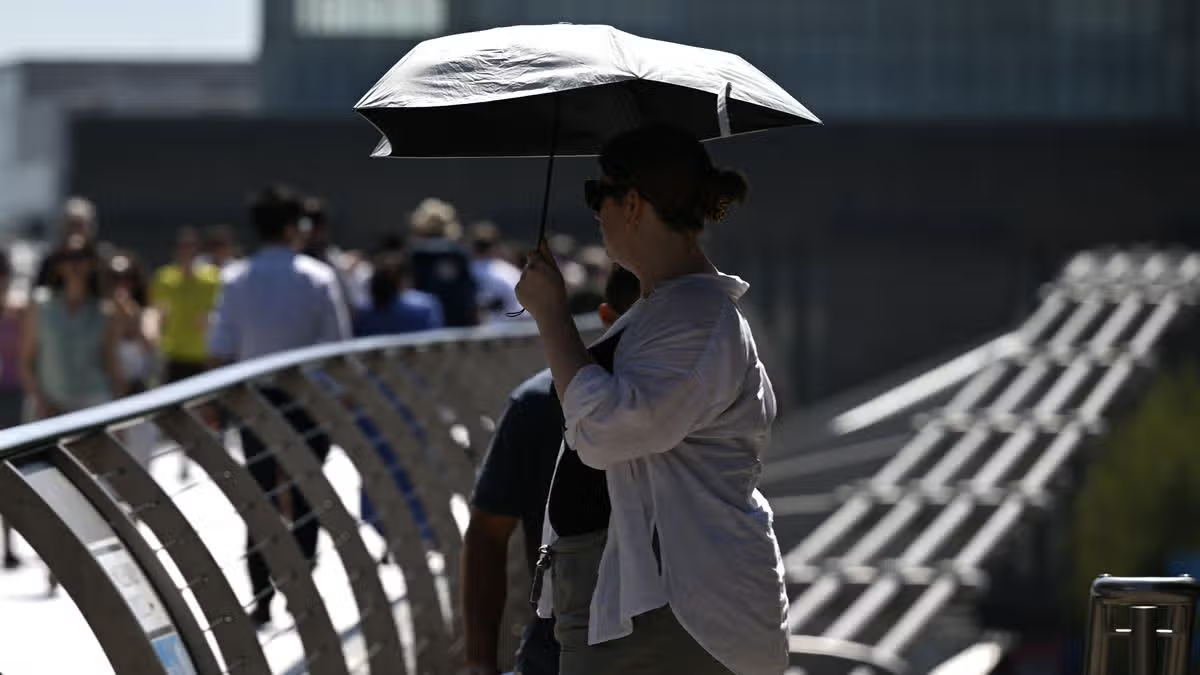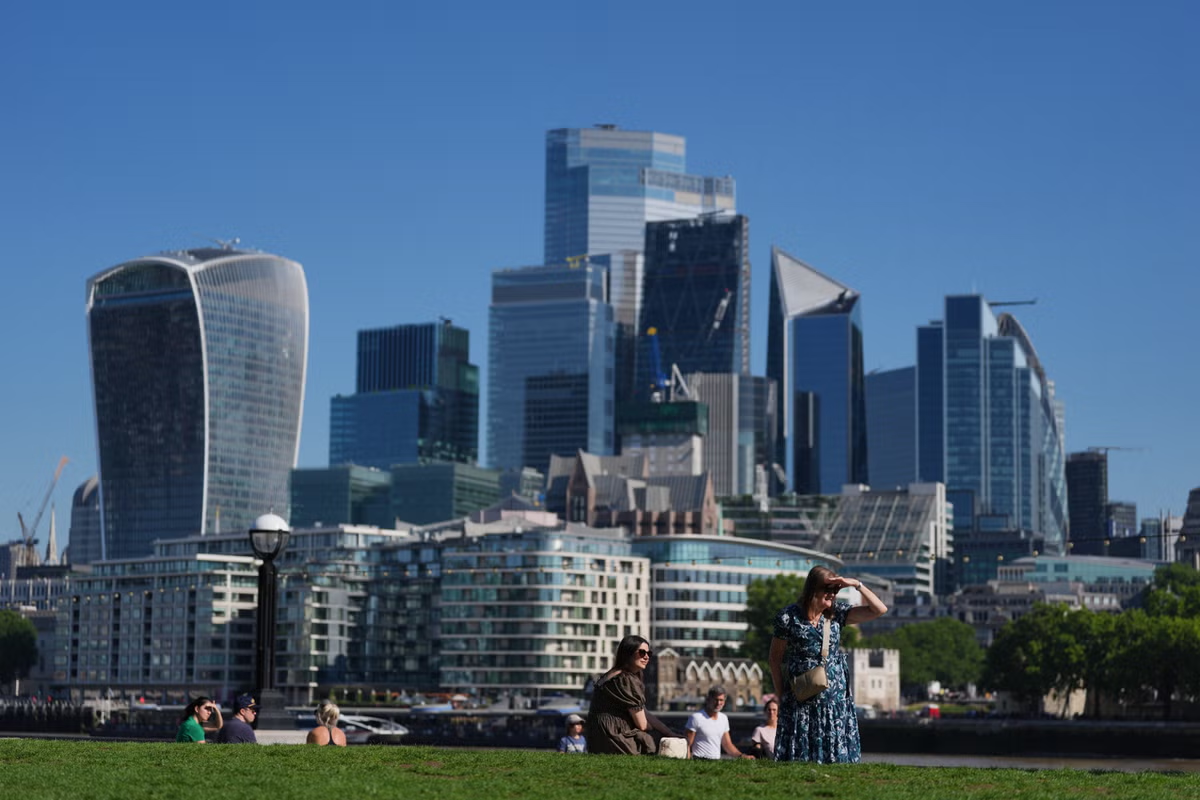
The UK is set to be hit by soaring temperatures with some expected to climb as high as 36C in some areas, the Met Office has said07:29, 09 Jul 2026The Department for Work and Pensions has today issued a fresh update regarding proposals that could result in regulations being amended to introduce an 'upper temperature' threshold for workplaces. The UK is bracing itself for scorching temperatures from Wednesday, with some areas expected to reach as high as 35C, according to the Met Office.Parts of southern England could experience temperature peaks of around 35C on Friday and Saturday. By the weekend, the sweltering air is predicted to push northwards across the UK, with conditions becoming increasingly humid and a heightened risk of showers or isolated thunderstorms.The emerging reality of temperatures exceeding 35C in the UK has prompted growing calls for an upper workplace heat limit on health grounds, as is already the case in numerous countries. MPs have tabled parliamentary written questions to the pensions>DWP on the matter, with Labour's Dr Peter Prinsley putting it to Secretary of State for Work and Pensions Pat McFadden: "If he will make an assessment of the potential merits of a mandated upper temperature limit in the workplace, including those working outside."Alex Mayer also questioned Mr McFadden: "What assessment his Department has made of the potential impact of heatwaves on workers in outdoor and high-temperature workplaces."In response, Sir Stephen Timms revealed that the Health and Safety Executive (HSE) was reviewing potential amendments to regulations in this area, with an announcement expected later this year. He stated: "The HSE is Great Britain's national regulator for workplace health and safety. There is a legal duty for employers to fully assess the risks to workers from extreme heat.", reports the Express."HSE provides guidance for employers to manage the risk to workers, including from extreme heat. HSE issued a press release (opens in a new tab)on Friday, 19 June, to raise awareness of the risks to workers, to help workplaces in the current hot weather. This year, HSE will also be launching a public consultation on proposed changes to the Approved Code of Practice for the Workplace (Health, Safety and Welfare) Regulations 1992, including those relating to workplace temperature."During last month's heatwave, the HSE made its position clear by urging employers to 'act now' to safeguard workers as temperatures rocketed. It emphasised that employers are obligated to plan for and support staff working in extreme heat.The regulator maintains that doing so will keep workers fit and safe while also sustaining productivity.The HSE confirmed that employers are legally required to evaluate risks to their workers' health and safety, including those posed by severe weather conditions such as heatwaves. While no legal maximum workplace temperature exists, heat is regarded as a hazard and should be handled in the same way as other workplace risks.John Rowe, Deputy Director for Technical Support and Engagement for the Health and Safety Executive, said: "Last summer should have been a wake-up call for all employers. If we continue to experience hotter summers this could have a big impact on the workforce of this country, affecting everything from health of workers to productivity on construction sites."The risks to workers from extreme heat must be properly assessed. Practical steps can include providing adequate ventilation and shade and allowing enough breaks for workers to cool down. We provide detailed guidance on our website hse.gov.uk.Article continues below"We know all employers are under pressure and we don't want to add to their burden but it's vital they think hard now about simple and cheap measures they can put in place to support workers should we see extreme heat again this summer."Simple measures to consider include:Making sure workplace windows can be opened or closed to prevent hot air from circulating or building up.Using blinds or reflective film on workplace windows to shade workers from the sun.Placing workstations away from direct sunlight and heat sources.Putting insulation around hot pipes and machinery.Offering flexible working patterns so workers can work at cooler times of the day.Providing free access to drinking water.Relaxing dress codes if possible.Providing weather-appropriate personal protective equipment.Encouraging workers to remove personal protective equipment when resting (ideally in shaded areas) to cool off.Sharing information about the symptoms of heat stress and what to do if someone is affected.
DWP heatwave update: 'too hot to work' workplace rules update
The UK is set to be hit by soaring temperatures with some expected to climb as high as 36C in some areas, the Met Office has said
714 words~3 min read