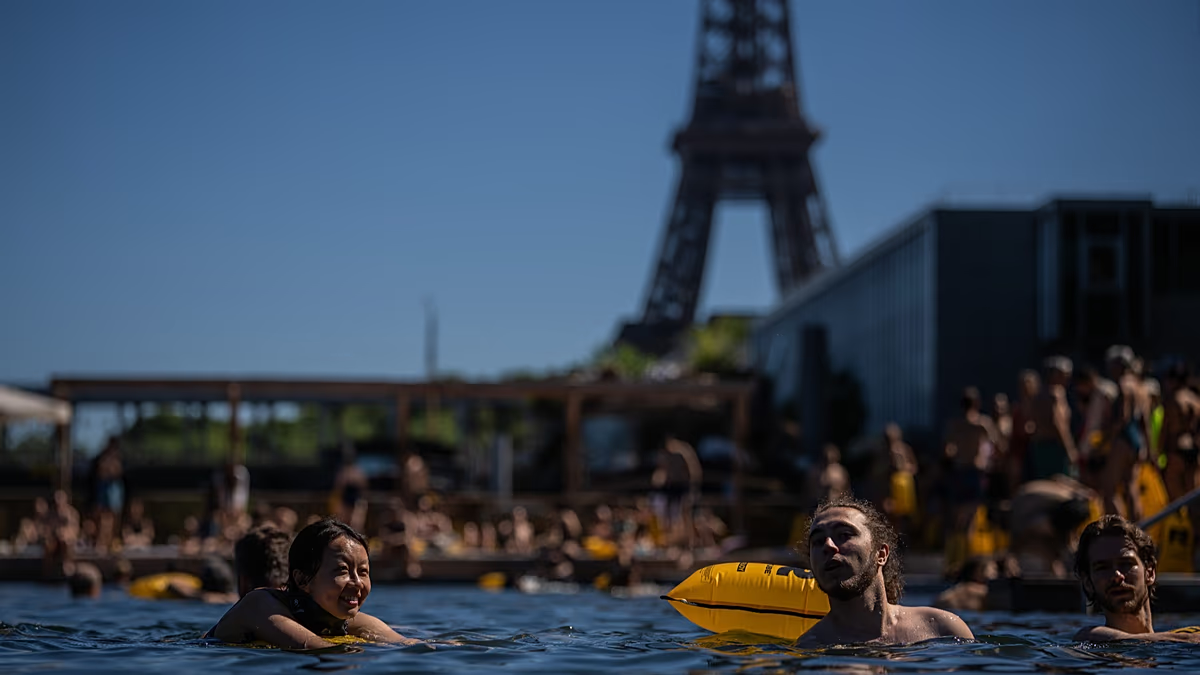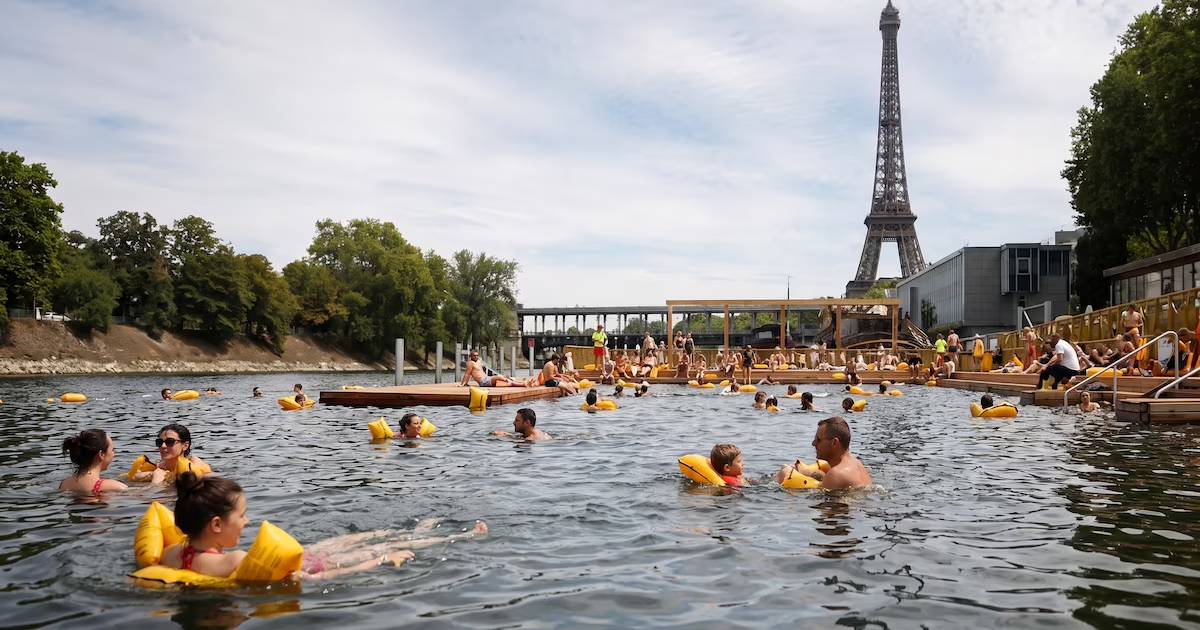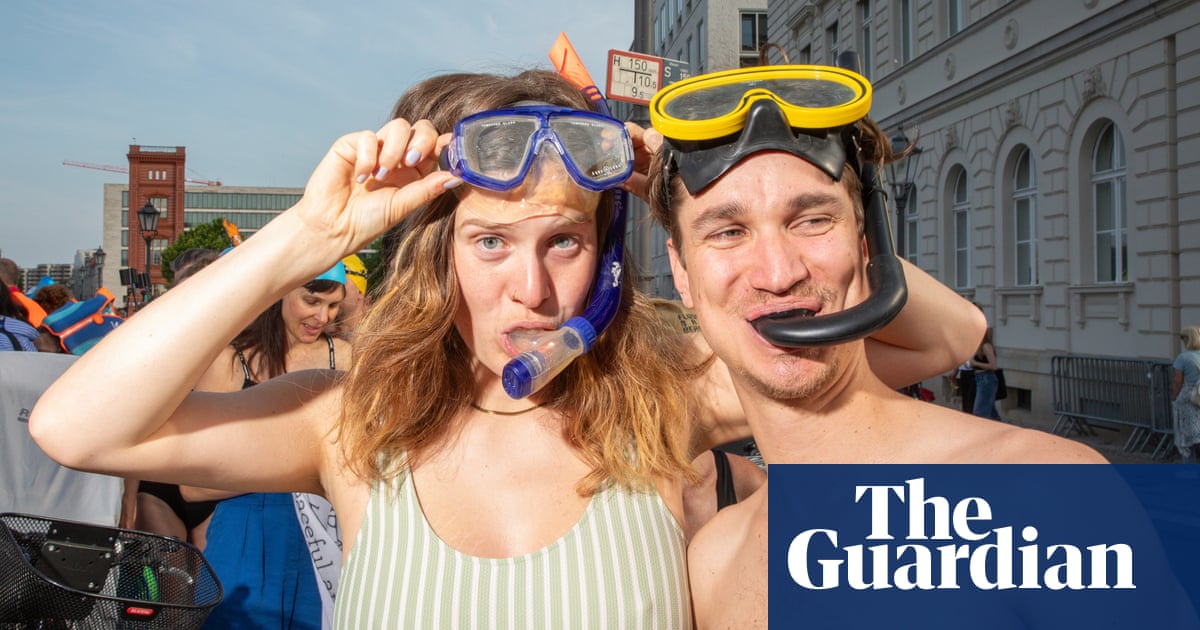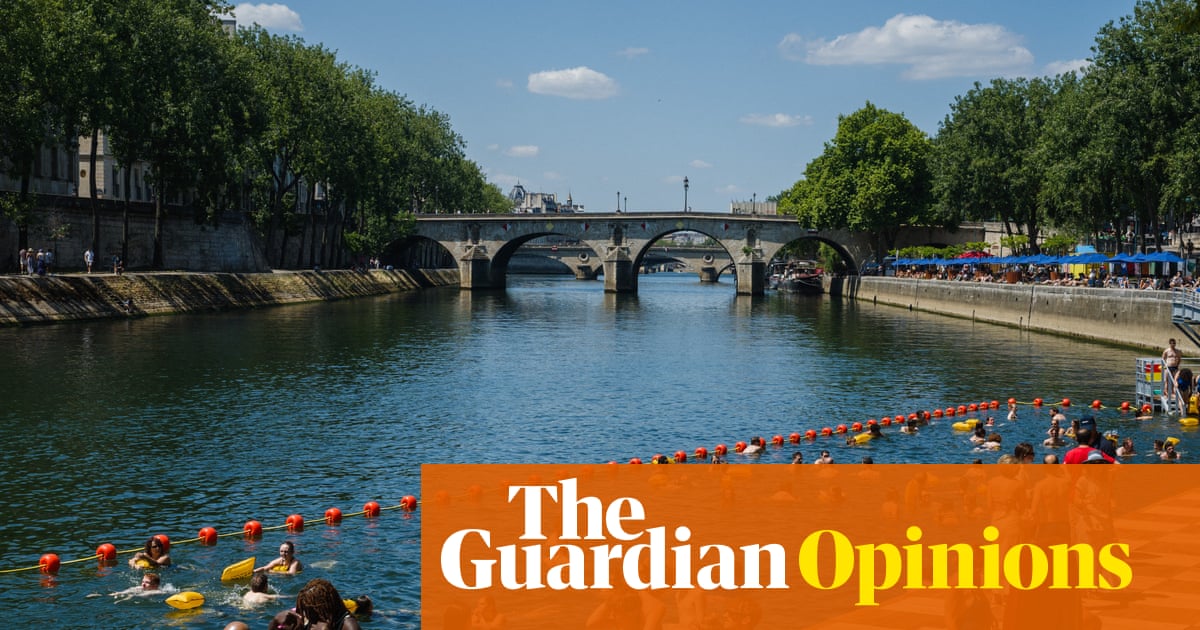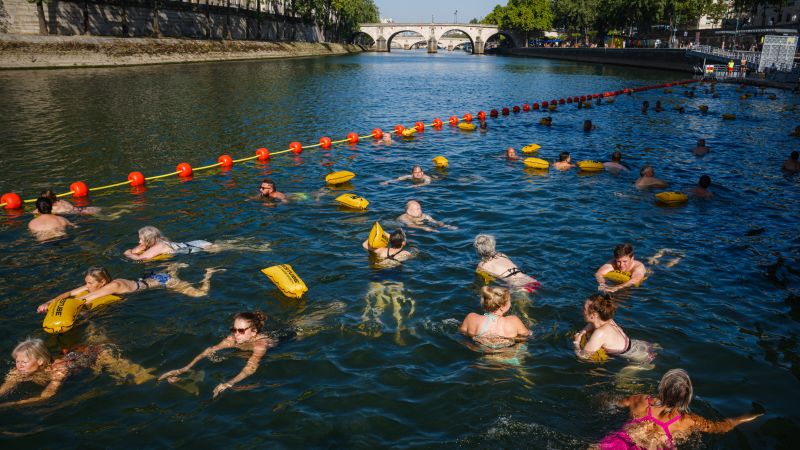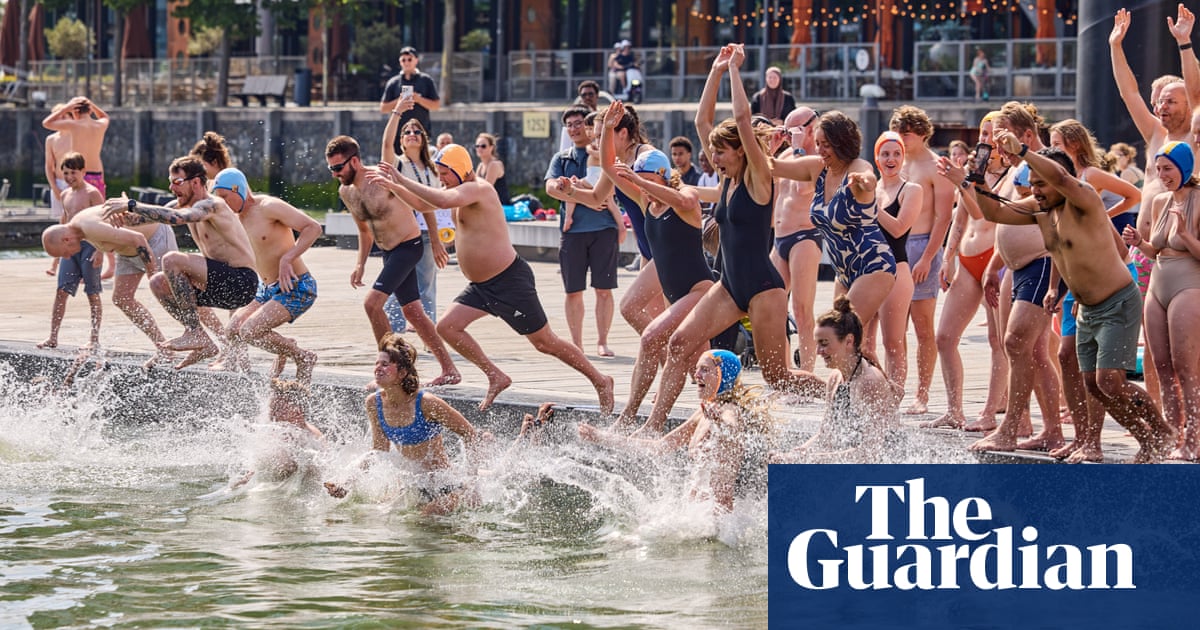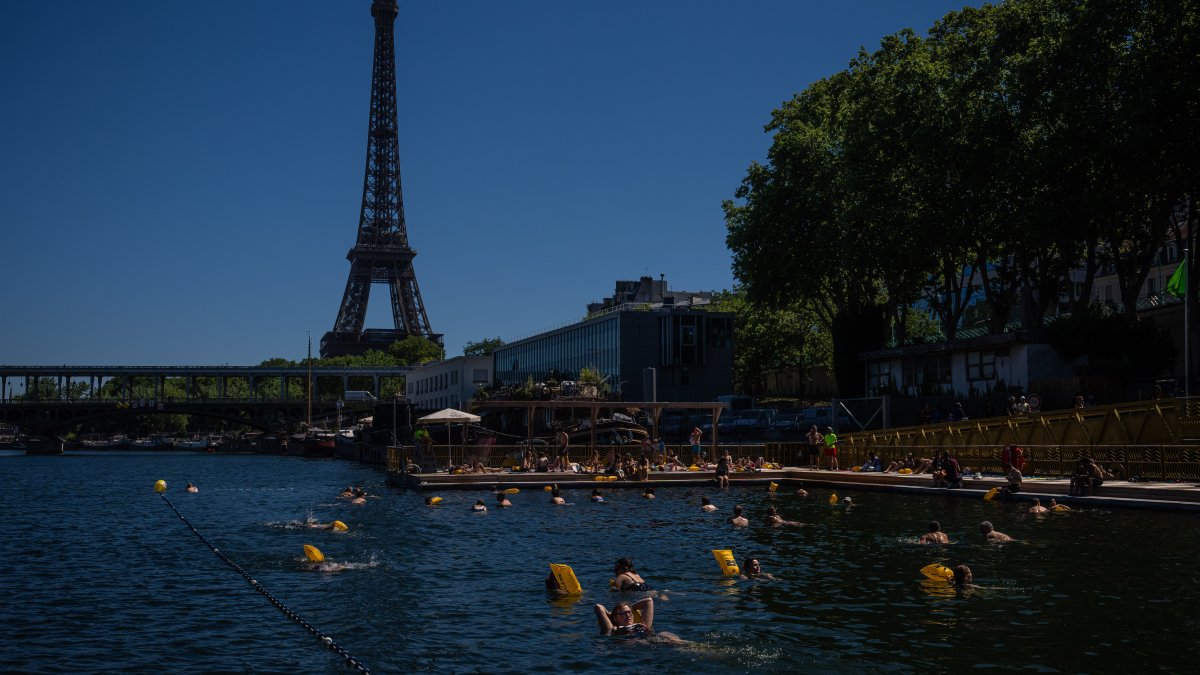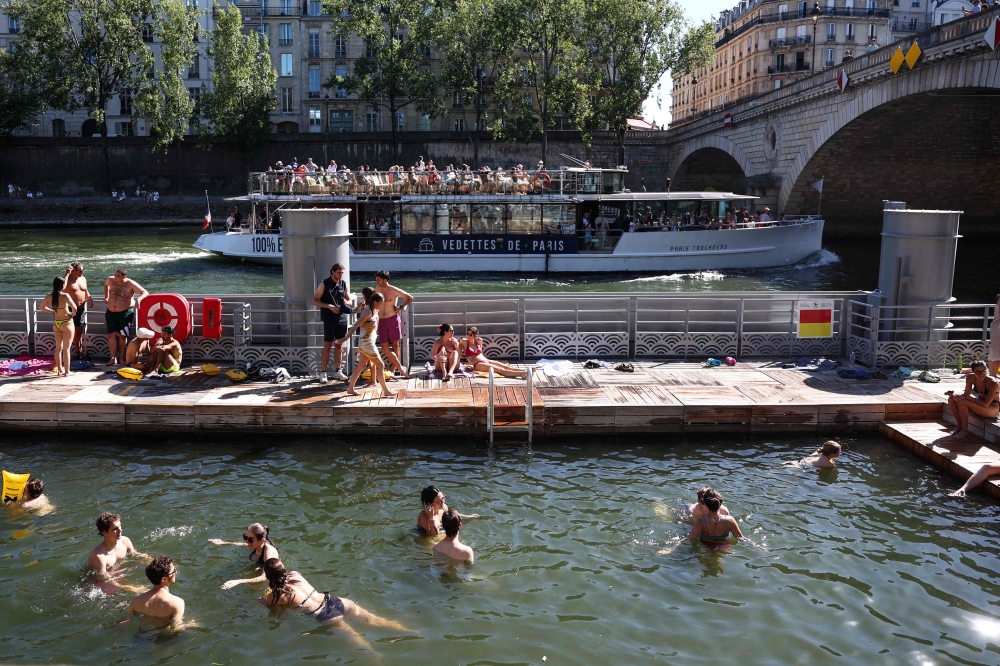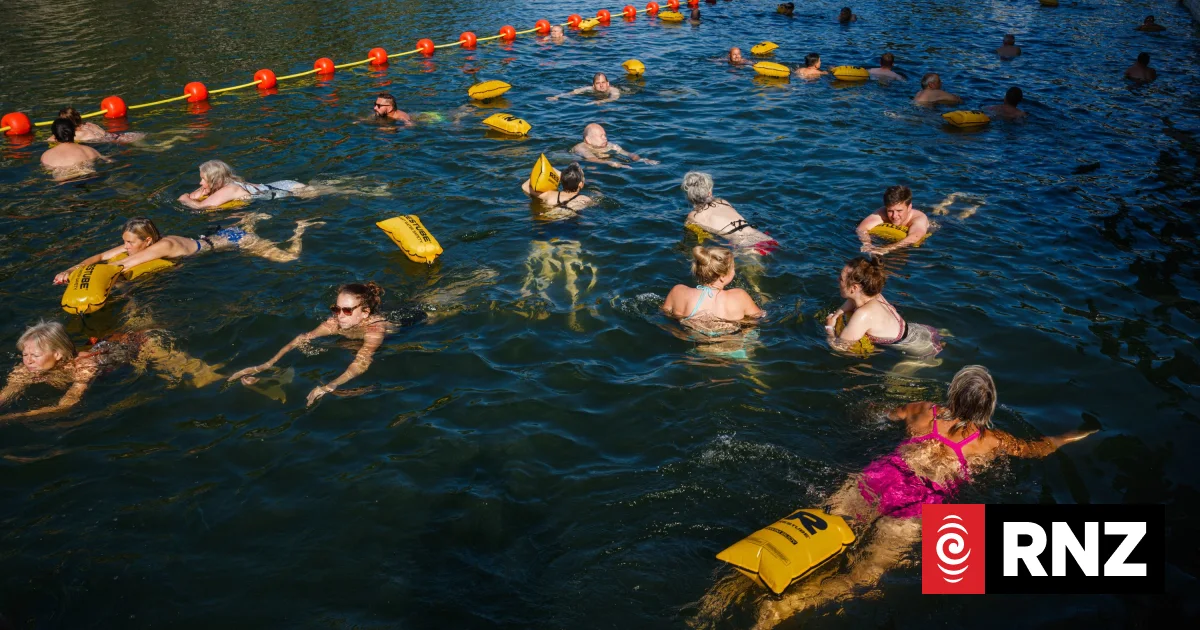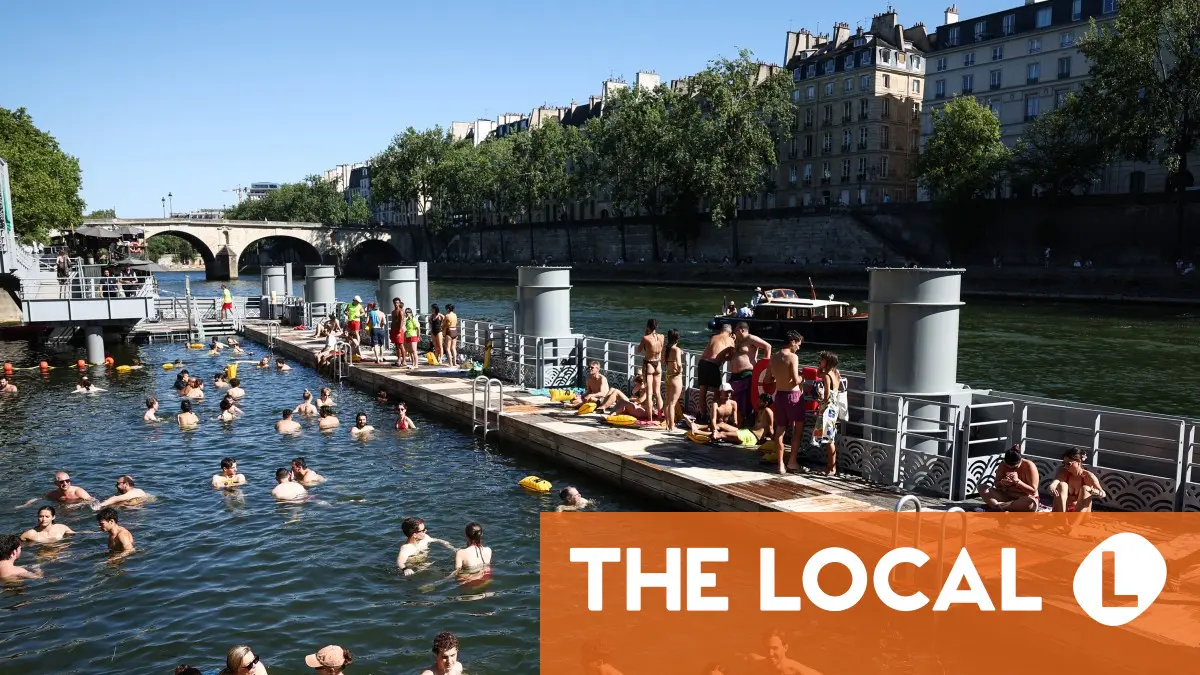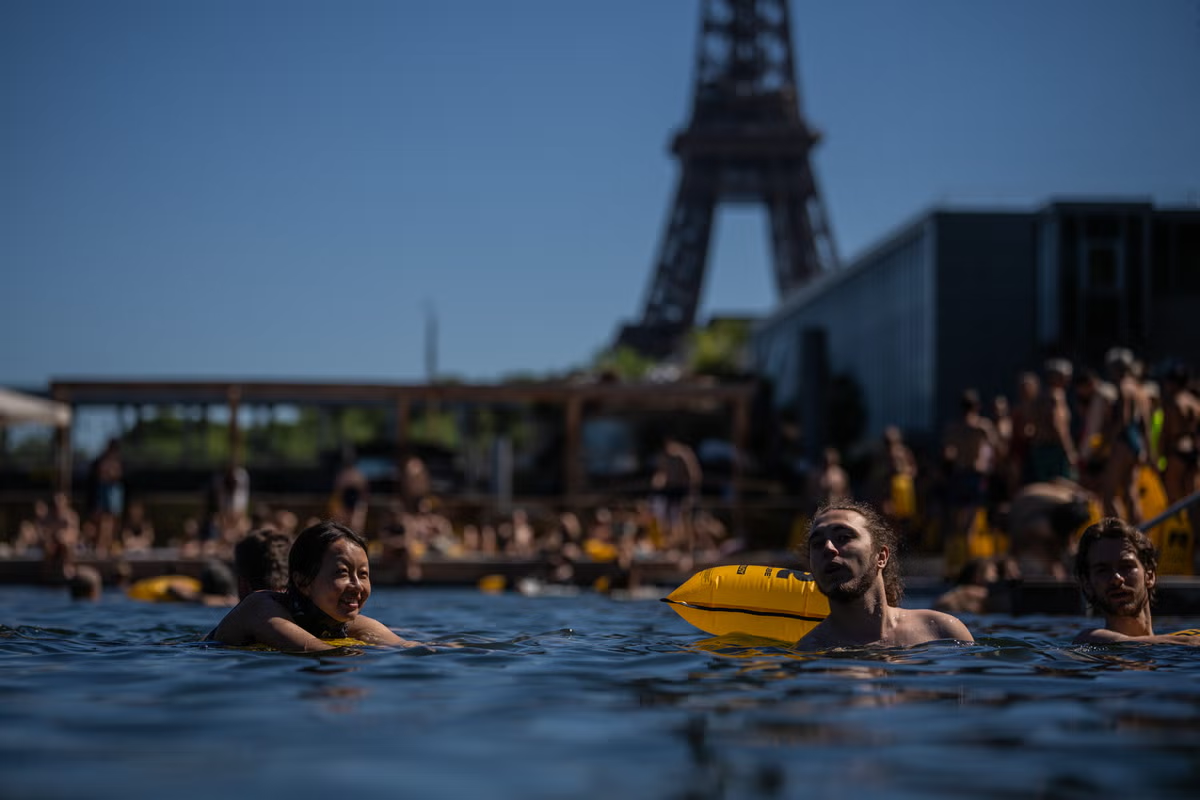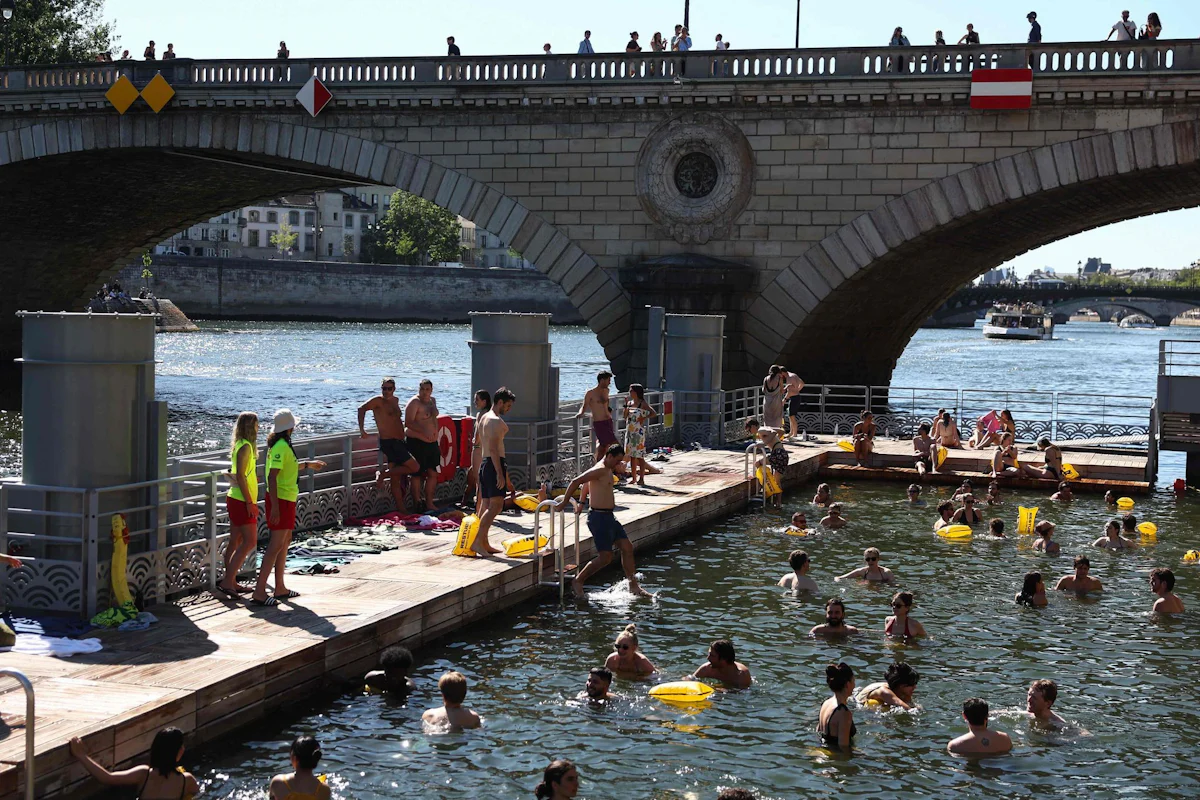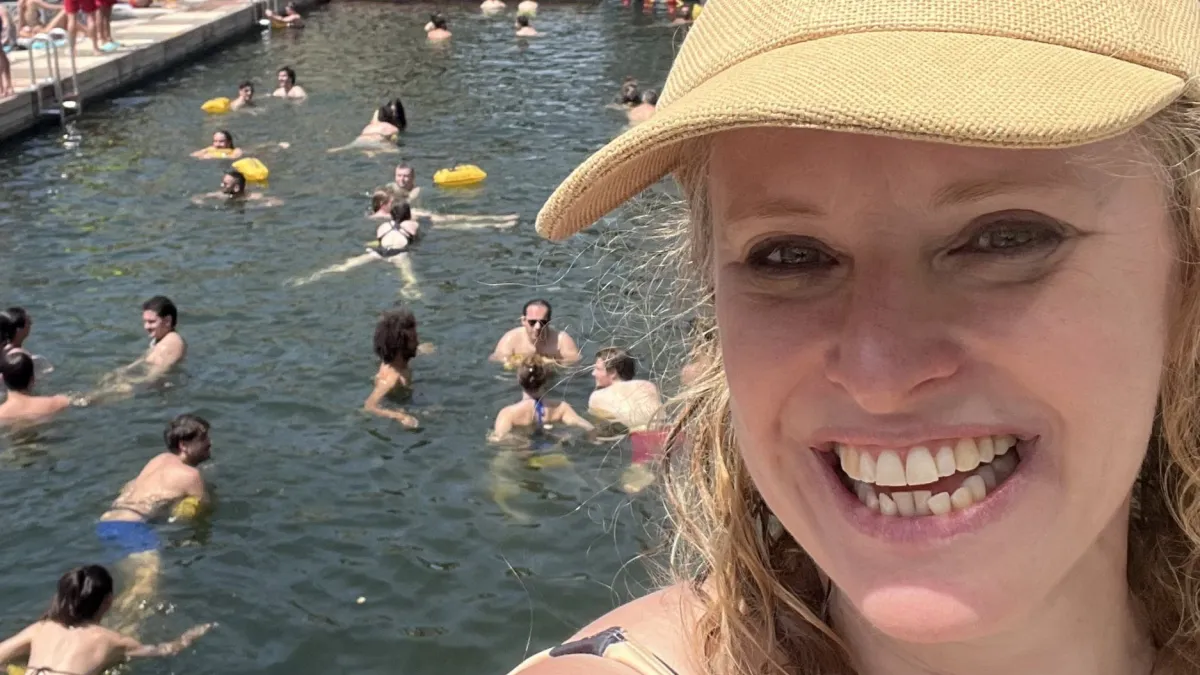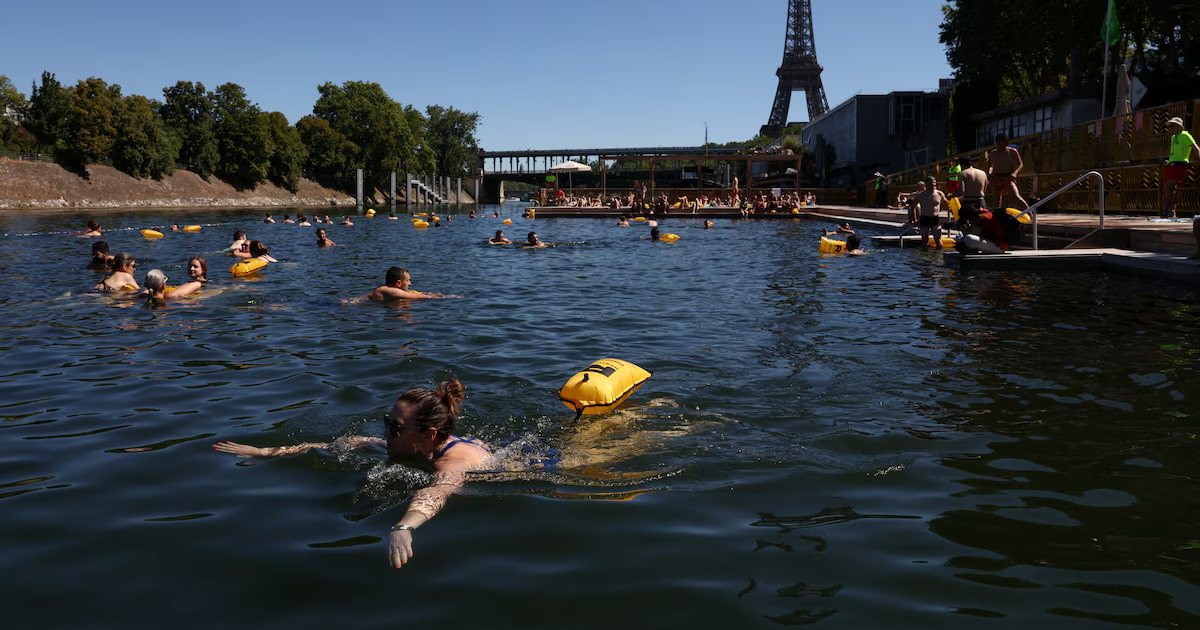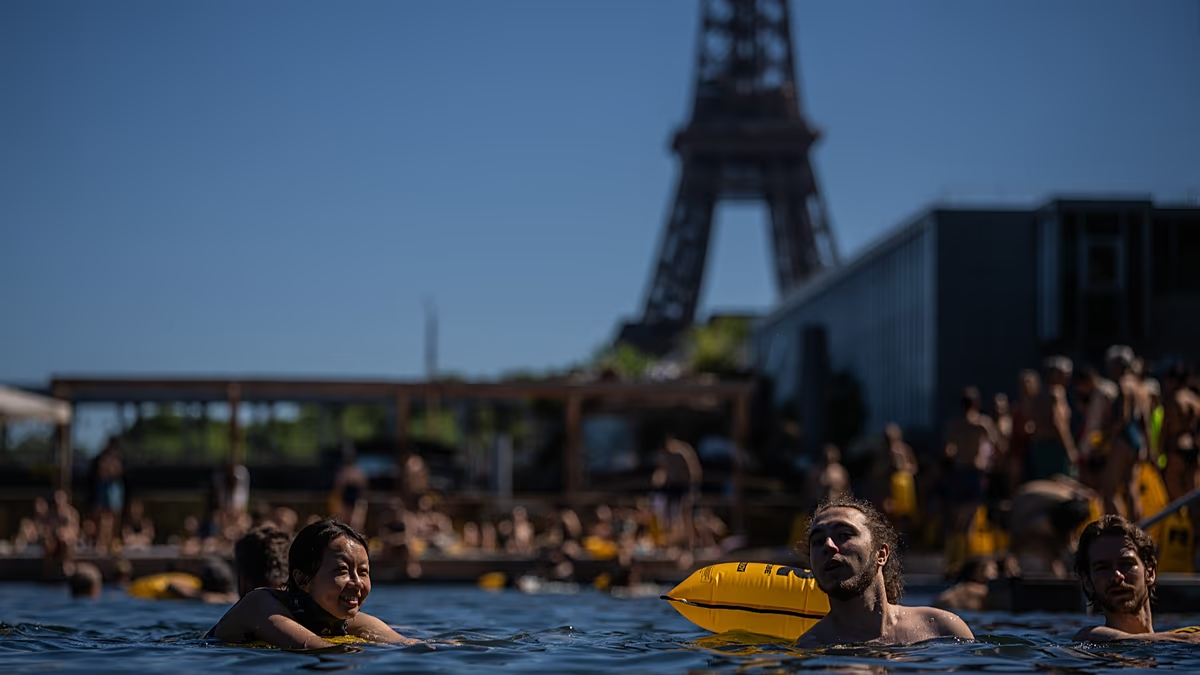
Europe's cities are opening their rivers back to swimmers. From Paris to Berlin, officials are racing to clean up centuries-old waterways, betting that a swimmable river is now essential urban infrastructure, not a luxury, as heatwaves intensify and summers get harder to survive.
When Paris opened the Seine to public swimming last year, it wasn’t just a headline-grabbing stunt tied to the Olympics. It was the visible tip of a larger shift across Europe: cities are starting to see their rivers and canals not as engineering problems hidden behind concrete embankments, but as public spaces worth restoring, protecting and living alongside.
“European cities definitely are increasingly investing in the rivers and also the canals that are connecting the rivers, because they can provide multiple benefits at once,” says Vassileios Latinos, head of resilience and climate adaptation at ICLEI Europe, a network of local and regional governments working on sustainability. From Paris to Copenhagen to Berlin, he says, cities are rediscovering their waterways as tools for climate resilience, public health and everyday urban life, often all at once.
The numbers back up the shift
The optimism isn’t just anecdotal. According to Trine Christiansen, head of the freshwater and environment group at the European Environment Agency, the continent’s bathing waters are generally in good shape. In the EEA’s most recent assessment, 85 percent of Europe’s bathing sites were rated excellent, and 96 percent met at least minimum quality standards.