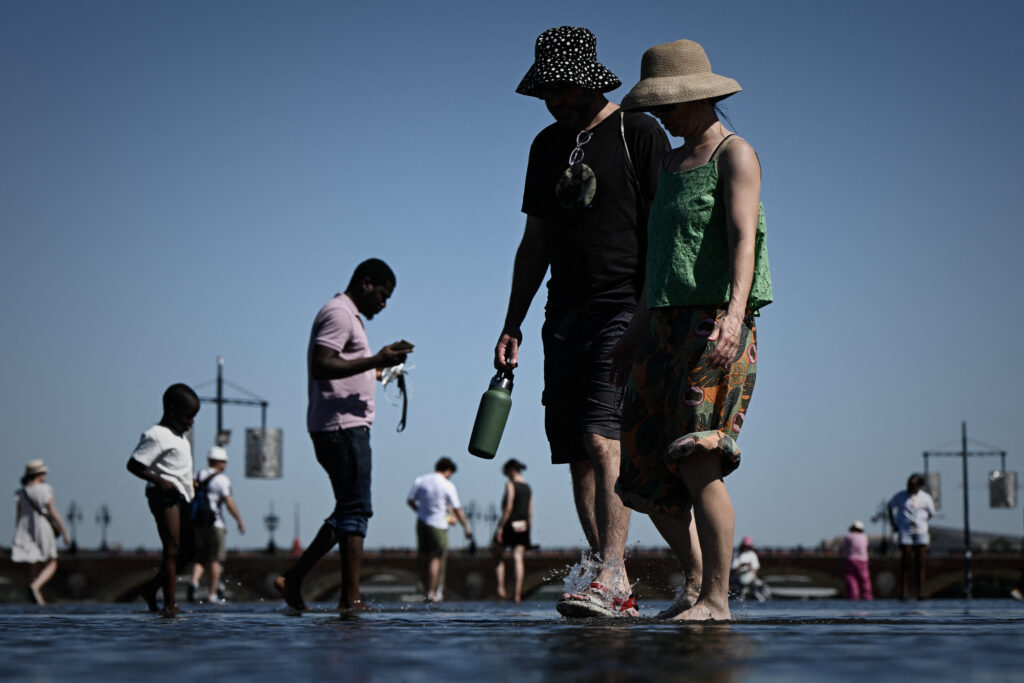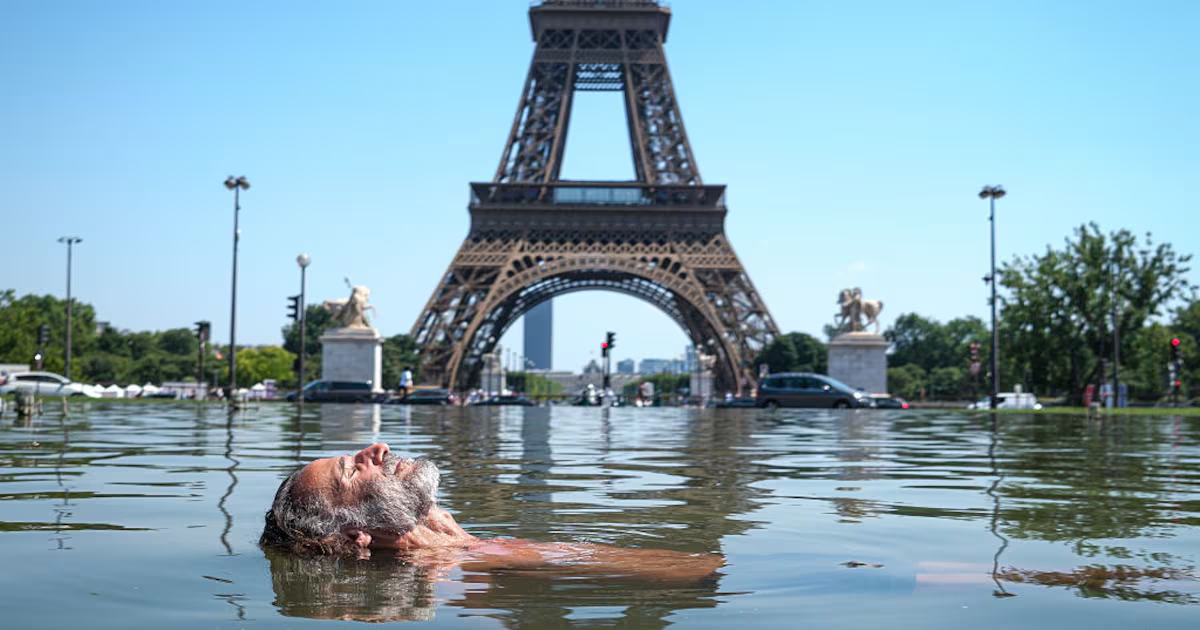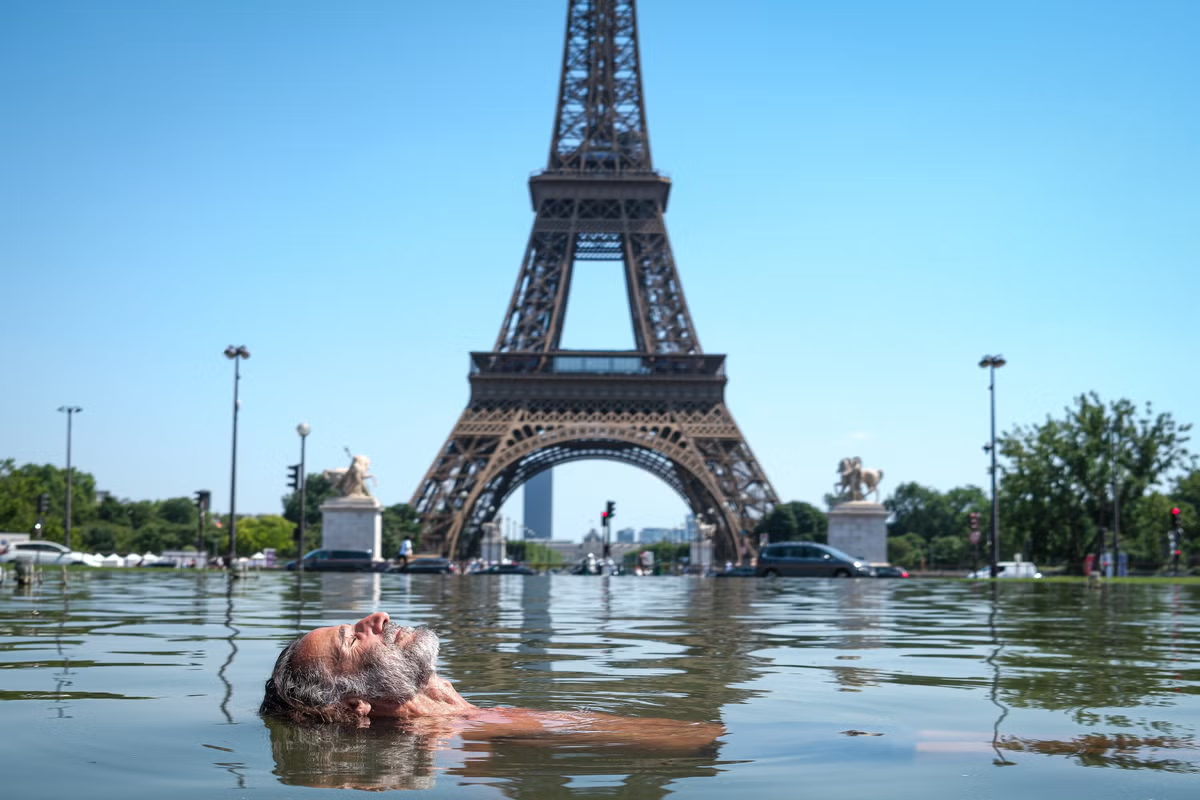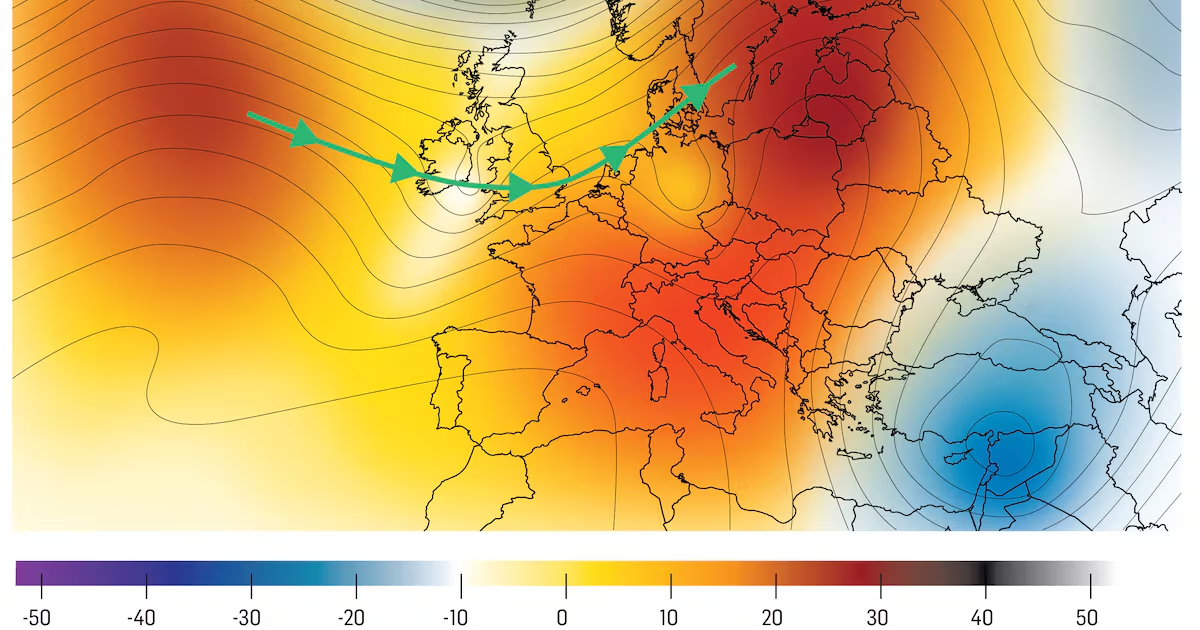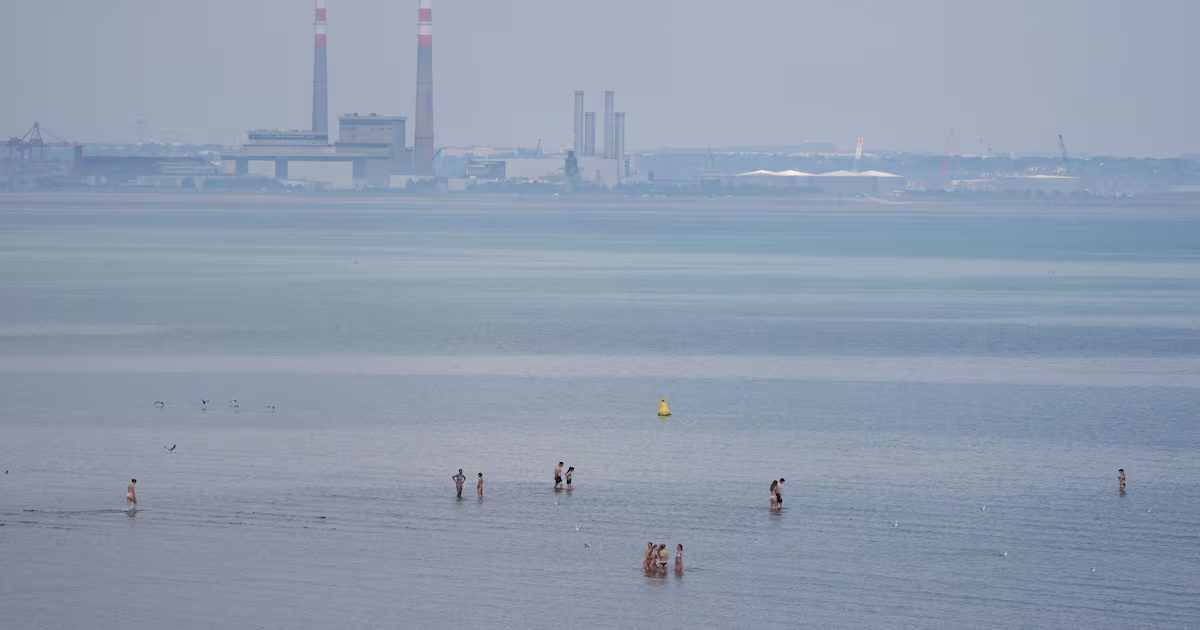
After a winter of what seemed like endless rain and flooding, we are now living through another reminder of the danger we are in. During the final week of June and first week of July, record-breaking extreme heat disrupted daily life throughout Europe, overwhelming healthcare systems and killing at least 1,300 people. In Ireland, record temperatures were recorded at four weather stations around the country, with Athenry in Co Galway hitting 32.1 degrees in June. Further extreme high temperatures are forecast for the rest of this week.And the Government’s response? To signal its apparent determination to dismantle the strongest legal mechanism we have to fight climate change – the Climate Act.The Government will shortly pass – with little opportunity for debate and amendment – two Bills which specifically disapply section 15 of the Climate Act: the Development (Strategic Gas Reserve) Bill and the Dublin Airport (Passenger Capacity) Bill. Section 15, recently described by the Supreme Court as a “climate sense check”, requires public bodies to perform their functions, insofar as practicable, in a manner consistent with Ireland’s climate objectives and plans. These Bills are not consistent with Ireland’s climate objectives and plans. The infrastructure and actions they permit will undoubtedly increase emissions. The Gas Reserve Bill will allow for the development of a floating Liquefied Natural Gas (LNG) terminal in Co Clare, bringing this most emissions-intensive fossil fuel (as a fuel source it has a greenhouse gas footprint 33 per cent greater than coal) – likely fracked gas from the US – to Ireland for the first time. This will support commercial LNG promoters to make a much stronger case for projects like Shannon LNG. The Passenger Capacity Bill gives the carte blanche to lift the current cap on passengers coming through Dublin Airport, increasing emissions by almost one quarter. These projects create a real risk of long-term emissions lock-in, making it virtually impossible for Ireland to achieve the national climate objective of transitioning to a climate-resilient, biodiversity-rich, environmentally sustainable and net-zero economy by 2050.The disapplication of section 15 to these emissions-increasing projects means much more than ignoring an “inconvenient” rule – it means setting aside our commitment to a liveable future for our children and those already suffering the worst effects of climate change. [ Holidaymakers missing the link between air travel and the climate emergencyOpens in new window ]One of the greatest injustices of climate change is that the adverse and potentially irreversible impacts will be experienced by our children and grandchildren. A child born today is likely to experience hellish levels of warming of 3 degrees above pre-industrial levels during their lifetime, based on current policies. In 2023 the UN Committee on the Rights of the Child warned the “extent and magnitude” of the climate emergency presents “an urgent and systemic threat to children’s rights”.Children’s rights are enshrined in the Irish Constitution which provides that “the State recognises and affirms the natural and imprescriptible rights of all children and shall, as far as practicable, by its laws protect and vindicate those rights”. The link between children’s rights and a healthy environment is well-established. As the UN Committee on the Rights of the Child put it, “a clean, healthy and sustainable environment is both a human right itself and necessary for the full enjoyment of a broad range of children’s rights”. While there is no express right to a healthy environment under the Irish Constitution, in 2017 the Irish High Court recognised that “vigilant and effective protection of the environment” is “an implied constitutional obligation” on the State and private actors. The court explicitly linked this obligation to “the implied constitutional commitment to intergenerational solidarity” reflected in Article 42A.1.Undermining the integrity of the national climate objective by disapplying section 15 to big emissions-intensive projects is a children’s rights issue. There are already examples of international courts ruling that inadequate climate action by governments violates the fundamental rights of children and young people. In 2021, the German Constitutional Court found Germany’s carbon budgeting provisions unconstitutional because they created a disproportionate risk of encroachment on fundamental rights of the youth applicants by postponing emission reductions and therefore substantially narrowing the emissions possibilities in future. In 2024 the European Court of Human Rights found that human rights law encompasses a right to effective protection from the serious adverse effects of climate change on life, health, wellbeing and quality of life. States have a corresponding obligation to put in place legislative frameworks – like Ireland’s Climate Act – to provide effective protection to human health and life, as well as a further obligation to apply that framework effectively in practice. [ What to wear to stay cool during a heatwaveOpens in new window ]If they pass into law, the Strategic Gas Reserve Bill and the Passenger Capacity Bill would create a dangerous precedent, allowing the Government to dismantle the Climate Act piece by piece any time it is faced with choices that conflict with its legal obligation to decarbonise. While these Bills are passing rapidly through the Oireachtas, it remains open to President Catherine Connolly – seen by many as Ireland’s climate justice president – to refer them to the Supreme Court to test their constitutionality, particularly from a children’s rights perspective, before signing them into law. Previous presidents have been cautious about sending Bills to the Supreme Court because if a Bill survives review, it becomes immune from further constitutional challenge. However, this should not be used as an excuse to rubber stamp Bills drafted to undermine the national climate objective and that flout children’s rights. At a time when Government is deliberately making it more difficult for individuals and NGOs to access the courts in environmental and climate cases, a referral under Article 26 of the Constitution is one of the few avenues to protect our climate laws. Dr Orla Kelleher is an assistant professor in law at Maynooth University, Dr Clare Kelly is an associate professor in psychology at Trinity College and Dr Aideen O’Dochartaigh is an associate professor in accounting at Dublin City University
Opinion: The Government is trying to undermine climate laws. President Connolly could stop it
The potentially irreversible impacts of climate change will be experienced by our children and grandchildren
1,006 words~5 min read