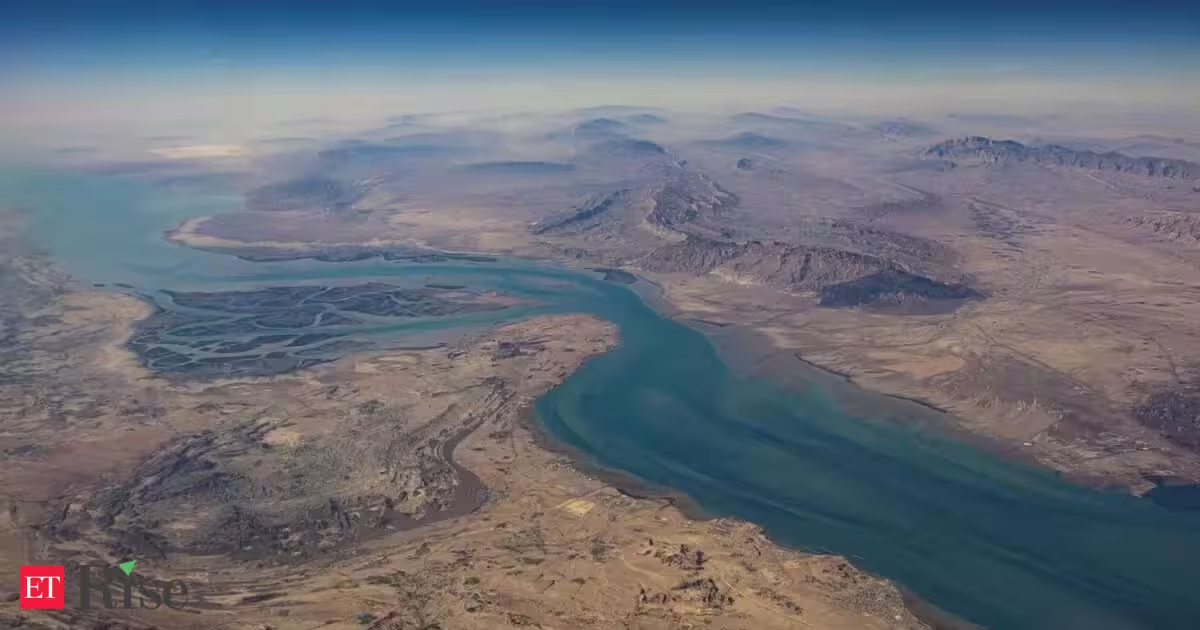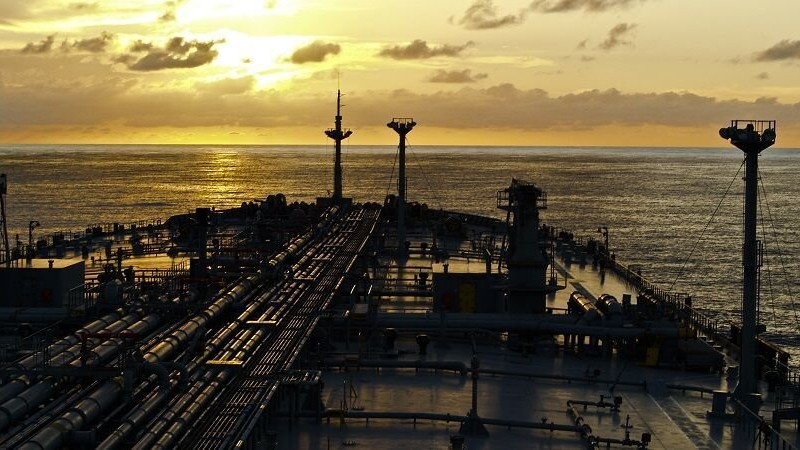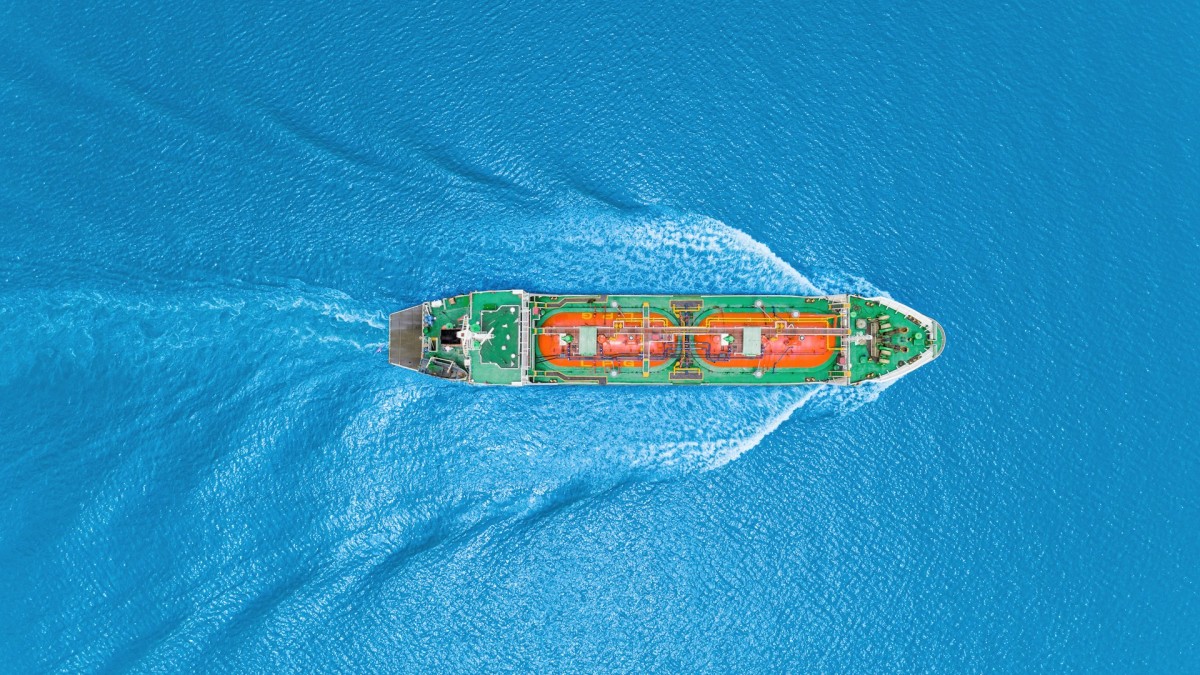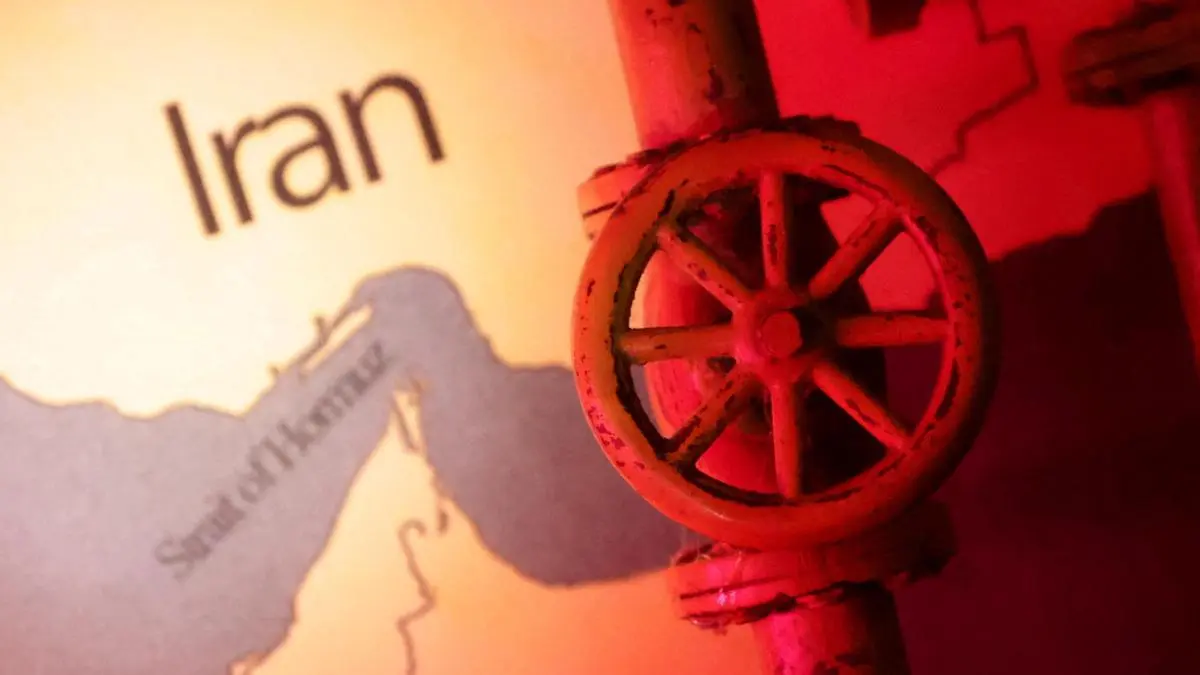
Goldman Sachs is sounding the alarm on one of the most important chokepoints in global energy markets. The bank’s commodities team warns that renewed military tensions around the Strait of Hormuz could keep Middle Eastern oil supplies well below their historical norms.
What’s happening in the Strait
The Strait of Hormuz typically handles roughly 20 million barrels per day of oil and LNG shipments. That’s about one-fifth of all global oil flows.
In 2025, Saudi Arabia, Iraq, and the UAE collectively exported around 13.1 mb/d through the strait.
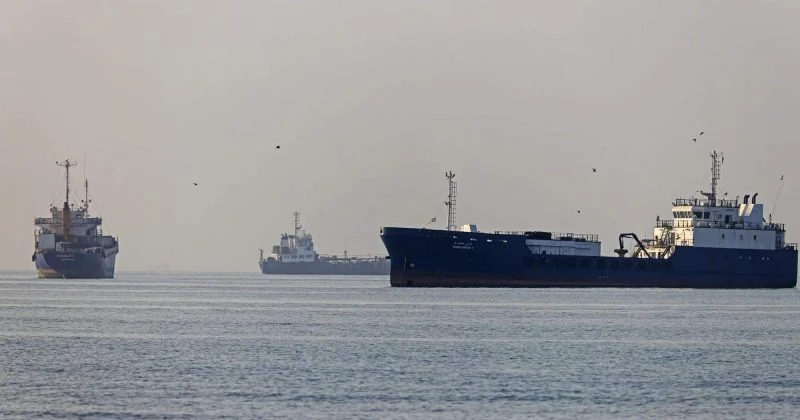
A fragile agreement known as the Islamabad Memorandum was reached in June, aimed at restoring oil supply lines following a period of conflict. Renewed attacks on July 6-7 targeted at least three commercial vessels transiting the strait, prompting US military strikes against more than 80 Iranian targets and the reimposition of sanctions on Iranian oil exports.