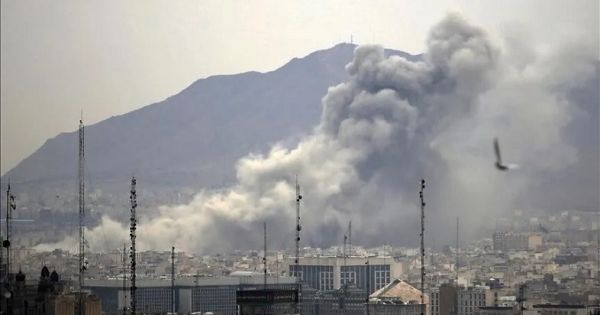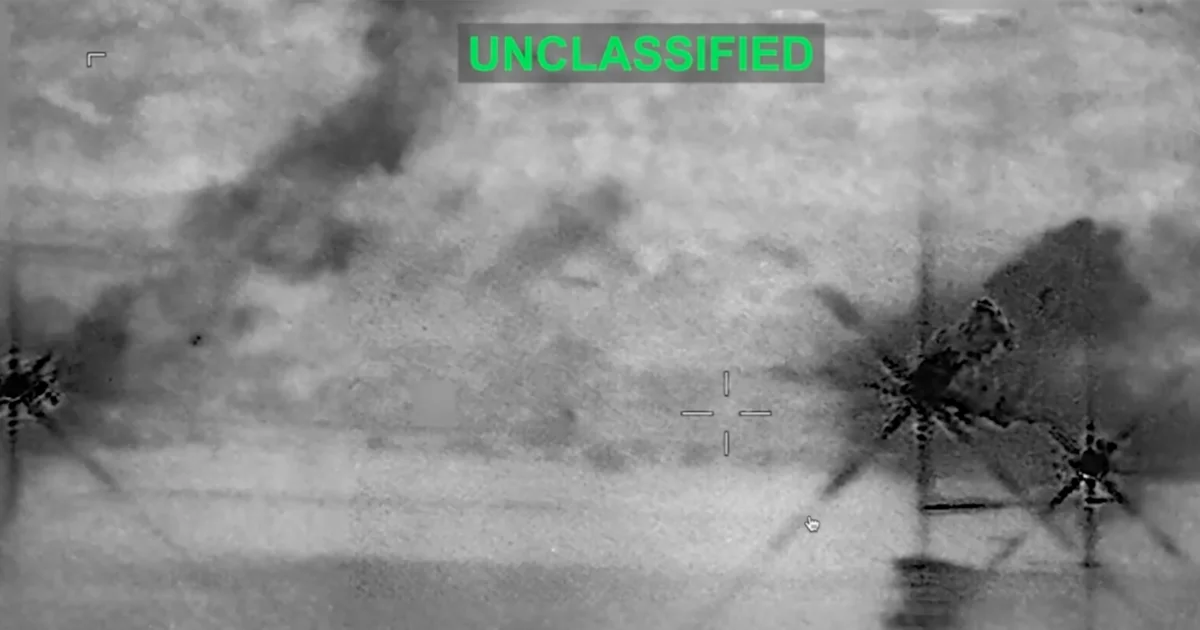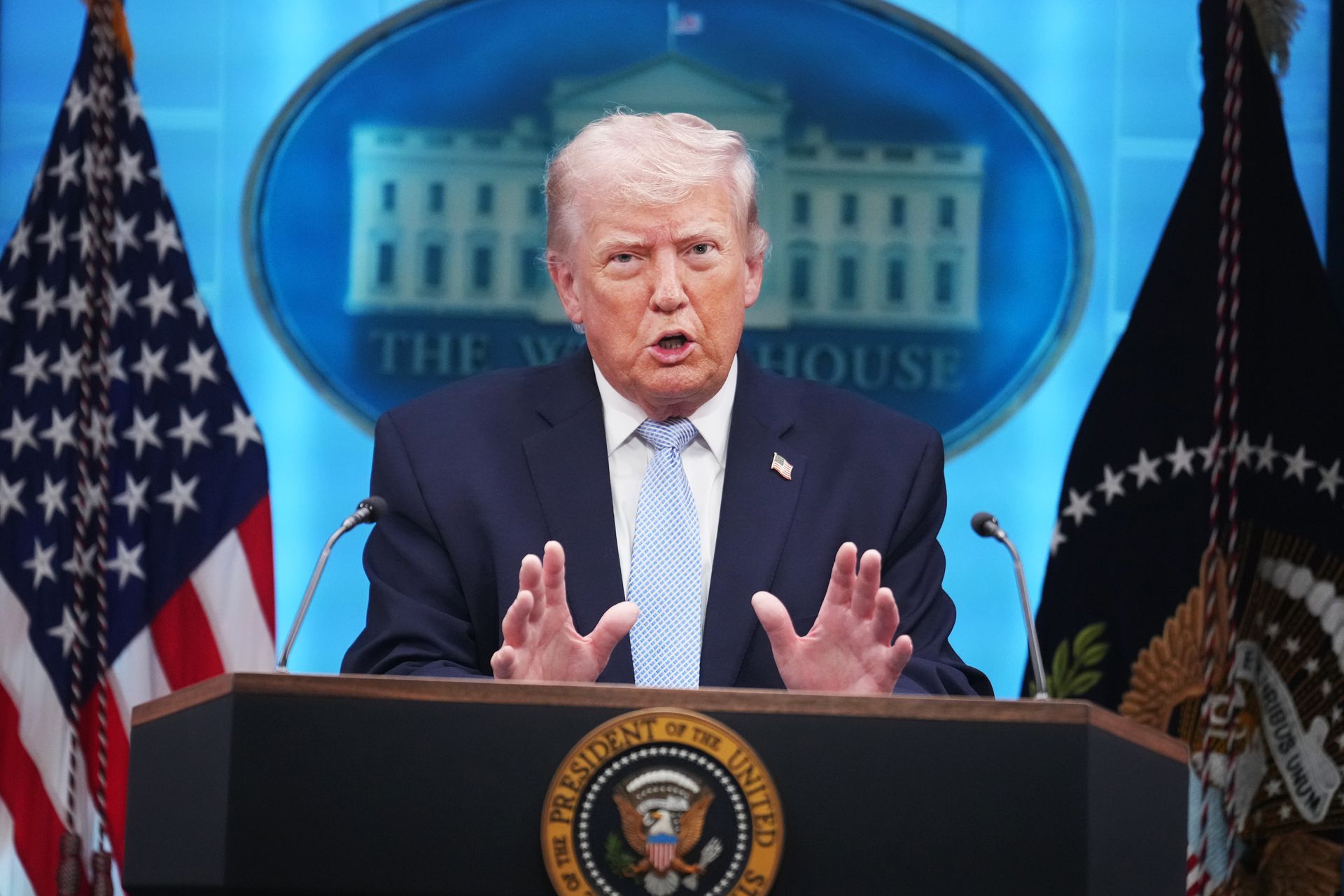
PoliticsJuly 9, 2026 7:02 am • 2 min readU.S. President Donald Trump in the White House briefing room on, April 6, 2026. (Tom Williams/CQ-Roll Call, Inc via Getty Images)Editor's note: This is a developing story and is being updated.The United States renewed its strikes on Iran's military infrastructure, striking approximately 90 targets overnight on July 8-9, as U.S. President Donald Trump announced a fragile ceasefire between the warring parties "over."The latest attacks — which struck air defense systems, missile and drone storage sits, as well as other logistics — come amid Tehran's strikes on civilian vessels transiting the Strait of Hormuz a day prior on July 7. U.S. Central Command (CENTCOM) said that the latest round of retaliation was launched at Trump's order, hours after the U.S. president berated Iranian leadership as "scum" for allowing attacks on the vessels. "The United States is holding Iran accountable for recent unjustified aggression against commercial shipping and civilian crews freely navigating a vital international waterway," CENTCOM said in a post on X.In response to the attack, Iran’s Islamic Revolutionary Guard Corps (IRGC) claimed it had initiated strikes on U.S. military bases in Bahrain and Kuwait overnight on July 9, amid renewed air raid alerts blaring in those countries throughout the night.The Kyiv Independent cannot immediately verify the IRGC's claims, which were reported through Iranian state broadcaster IRIB.The renewed military action comes less than a month since Trump announced the warring parties reached a peace agreement to end ongoing hostilities and a reopening of the Strait of Hormuz on June 14.The agreement sought to commence a 60-day negotiation period between Washington and Tehran on constraining Iran's nuclear program.The U.S. first launched its strikes on Iran in late February, killing Iran's Supreme Leader, Ayatollah Ali Khamenei. In response to the attack, Tehran imposed a blockade of the Strait of Hormuz, leading to volatility in global oil prices. Roughly one-fifth of global oil and liquefied natural gas shipments transit the strait daily, making disruptions there a major concern for international energy markets.The conflict in the Middle East and the closure of the Strait of Hormuz contributed to volatility in global energy markets and prompted Washington to grant a sanctions waiver allowing purchases of Russian oil loaded onto vessels during a specified period.The surge in oil prices has benefited Russia, boosting revenues from oil and gas exports as Moscow continues its full-scale war against Ukraine.
US, Iran trade strikes as Trump declares ceasefire 'over'
The United States renewed its strikes on Iran's military infrastructure, striking approximately 90 targets overnight on July 8-9, as U.S. President Donald Trump announced a fragile ceasefire between the warring parties "over."
398 words~2 min read