Australia is tentatively moving towards a greater willingness to prosecute international crimes committed overseas.
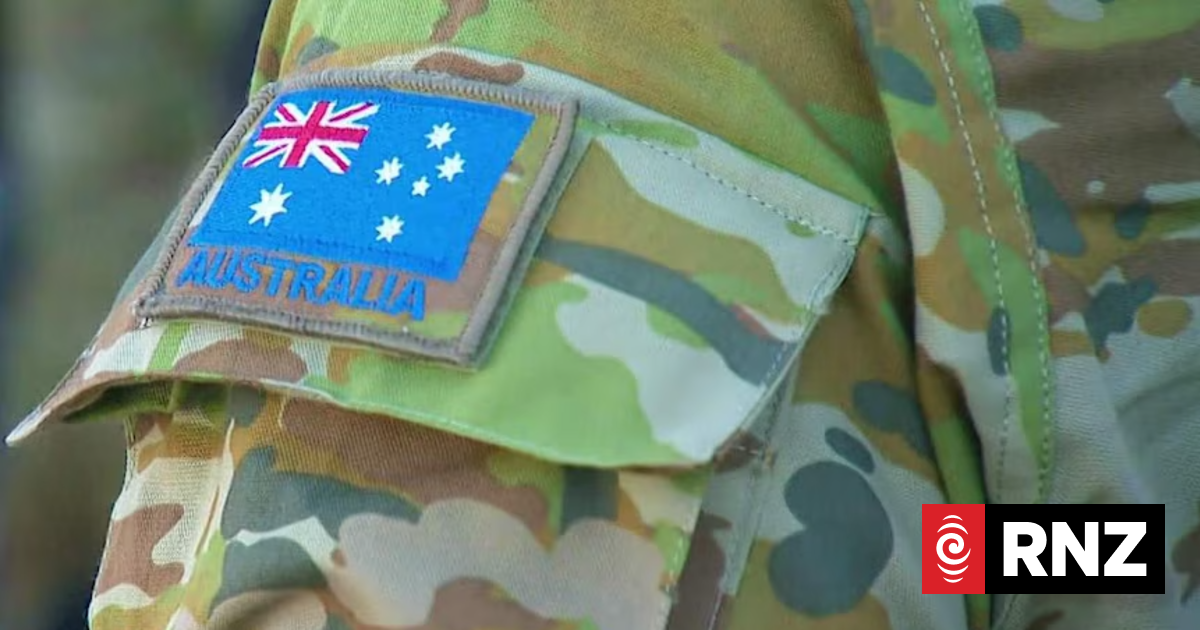
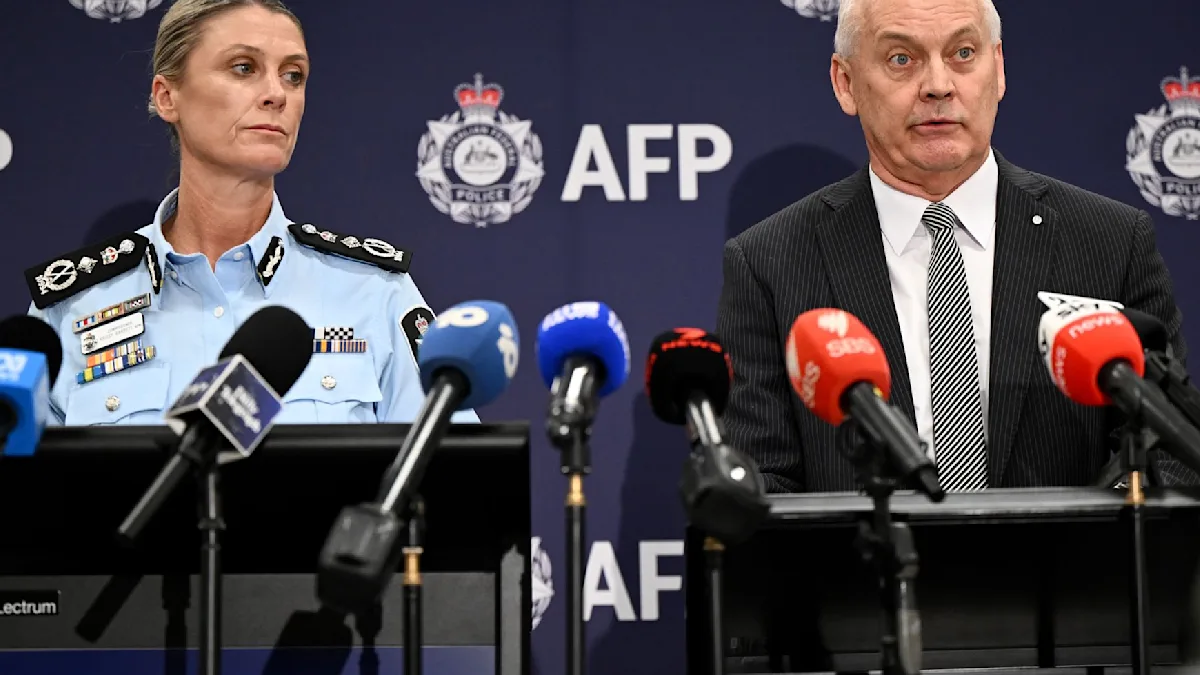
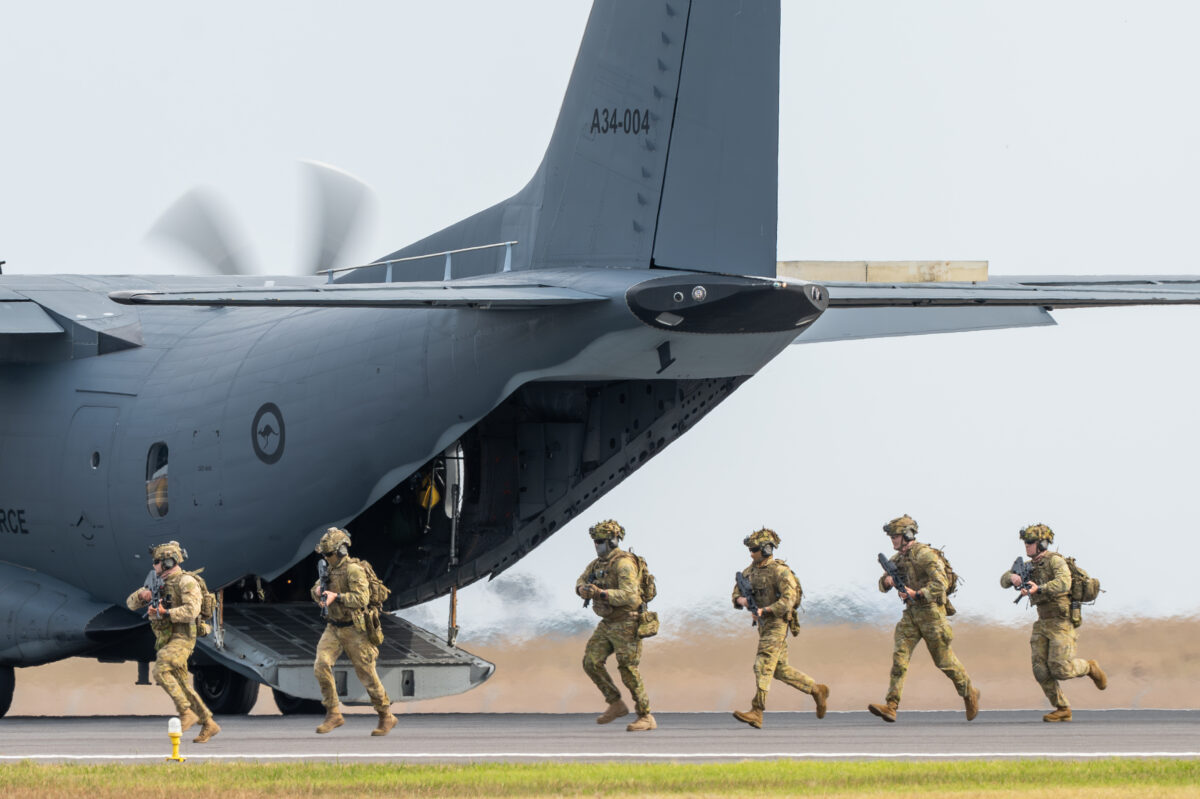
Following a comprehensive inquiry conducted by the Inspector-General of the Australian Defence Force (ADF) into allegations of war crimes by Australian special forces in Afghanistan, charges have been laid against two former soldiers. With 10 investigations still ongoing, further prosecutions of this kind may follow. In a separate development, on 7 May 2026, three women with connections to ISIS who returned to Australia from Syria were charged with a range of terror-related and slavery offences, with a fourth woman charged on 28 May.
In contrast to some European countries that have developed substantial expertise in using universal jurisdiction and other forms of extraterritorial jurisdiction to prosecute international crimes, Australia is relatively new to such cases. These prosecutions will therefore be a crucial test for Australia.
Australia can prosecute international crimes committed abroad under the 1995 Commonwealth Criminal Code. The 2002 insertion of provisions on war crimes, crimes against humanity and genocide enabled Australia to ratify the Rome Statute of the International Criminal Court (ICC). International crimes in the Criminal Code are covered by ‘Category D’ extended geographical jurisdiction, meaning that Australia can exercise jurisdiction even where such crimes are committed by non-citizens outside Australia.