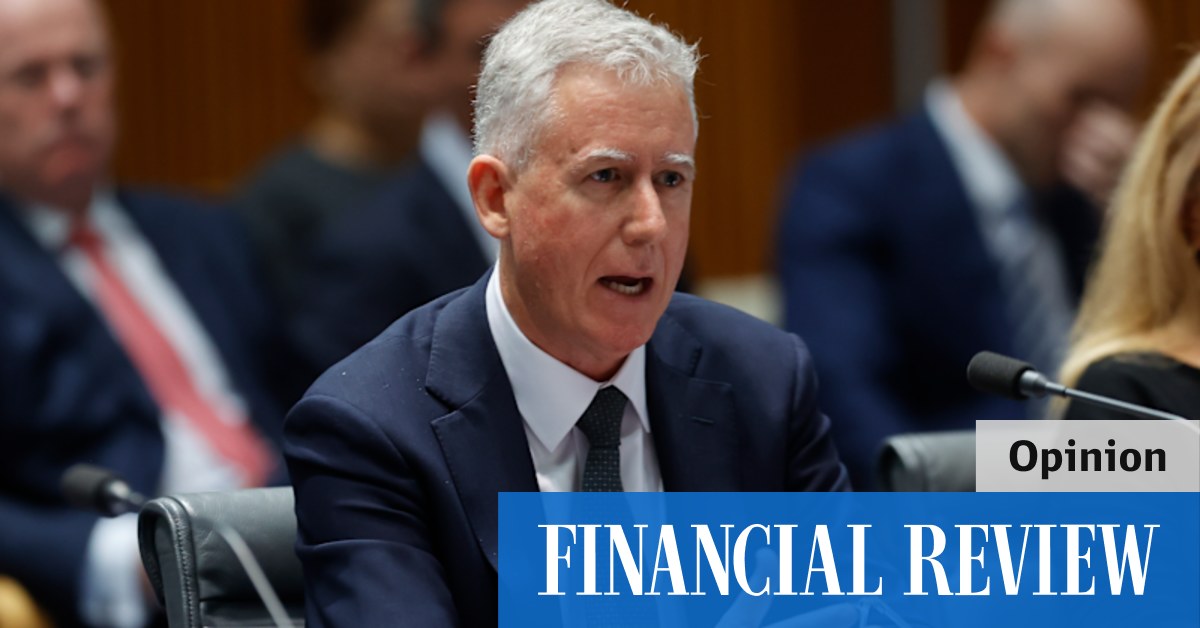
The latest resignations at KPMG Australia raise an uncomfortable question for the audit profession: when senior leaders step down after a scandal, is it genuine accountability or simply reputation management?For a firm whose stated purpose is to inspire confidence and help organisations manage risk, KPMG has repeatedly found itself making headlines for governance failures. The recent resignation of KPMG Australia board chair Martin Sheppard, together with the departure of the CEO and several senior audit partners, followed allegations that confidential information obtained during audit work had been improperly used to help the firm compete for other engagements.A whistle-blower further alleged that the firm’s response to those concerns was inadequate and that earlier internal investigations failed to address the issues properly. Independent reviews later identified shortcomings in KPMG’s handling of the whistle-blower’s concerns as well as weaknesses in aspects of its governance and oversight.South Africa provides another instructive example. Ahmed Jaffer resigned in 2017 during the fallout from KPMG South Africa’s work involving Gupta-linked companies and the controversial South African Revenue Service (Sars) “rogue unit” report. Internal reviews found no evidence that the firm had engaged in criminal activity or corruption but concluded that its work had fallen considerably short of KPMG’s own professional standards. The firm ultimately apologised to then-finance minister Pravin Gordhan and refunded the fee earned from the Sars engagement. Jaffer’s departure formed part of a broader leadership overhaul intended to restore confidence in the firm’s governance.The VBS Mutual Bank collapse was even more damaging. KPMG was accused of failing to detect the fraud, while former audit partner Sipho Malaba was alleged to have received undisclosed payments from VBS executives in connection with the audit. VBS liquidators sued KPMG for negligent auditing and failures that allegedly allowed the fraud to continue undetected, leading to the eventual collapse of the mutual bank. KPMG later settled the matter out of court, acknowledged its failures and dismissed Malaba for conduct inconsistent with the firm’s values. Earlier this year, the Independent Regulatory Board for Auditors found Malaba guilty on multiple counts of improper conduct arising from the VBS audit and imposed some of the harshest sanctions in the regulator’s history.In each of these cases, KPMG promised governance reforms and stronger accountability measures. KPMG Australia announced changes that included appointing its first independent chair and strengthening board oversight. Regulators launched investigations, public apologies were issued and leadership changes followed. The pattern is strikingly familiar: a scandal erupts, the firm commits to reform, individuals leave and the organisation seeks to restore confidence.The recurring pattern raises a broader governance question. Are these resignations evidence of genuine accountability or are they carefully calibrated acts of reputation management designed to reassure stakeholders while leaving deeper cultural problems unresolved?True accountability is not measured by resignations alone. It is measured by whether an organisation addresses the incentives, governance failures and cultural norms that enabled the misconduct in the first place. Leadership changes can be necessary, but they are not sufficient. When executives depart without demonstrable institutional learning, accountability risks becoming symbolic rather than transformative.Shame can play an important role in enforcing accountability because it helps individuals and organisations recognise the social and reputational cost of misconduct. In healthy organisations, that recognition can become a deterrent against future failures. Yet the recurrence of scandals involving the same firm suggests that shame and reputational damage alone do not necessarily produce lasting behavioural change. This is where the distinction between reputation and character becomes important. Reputation is how the outside world perceives an organisation. Character is the set of values and behaviours consistently practised inside it. Reputation can be managed through communication, apologies and leadership changes. Character is revealed through decisions, incentives and conduct over time.KPMG’s repeated crises have not simply damaged its public image; they have repeatedly raised questions about whether the firm’s internal culture has matched the standards it publicly espouses. That should concern clients, regulators and business partners alike. The issue is no longer whether KPMG can apologise effectively. The issue is whether repeated promises of reform are producing a fundamentally different organisation.Boards, regulators and stakeholders should therefore ask a harder question after every corporate scandal: not who resigned or who was removed, but what changed. Without evidence of meaningful institutional change, accountability can quickly become a performance designed to protect reputation rather than a process that restores trust.• Dr Vilakazi is an academic and organisational development practitioner whose work focuses on how governance and power are exercised in institutions, particularly where they are misunderstood and misapplied.
SIBONGILE VILAKAZI | Beyond apologies: What KPMG’s scandals reveal about accountability
KPMG made headlines for failures at Sars, VBS and now in Australia, but true accountability means tackling underlying flaws
748 words~3 min read