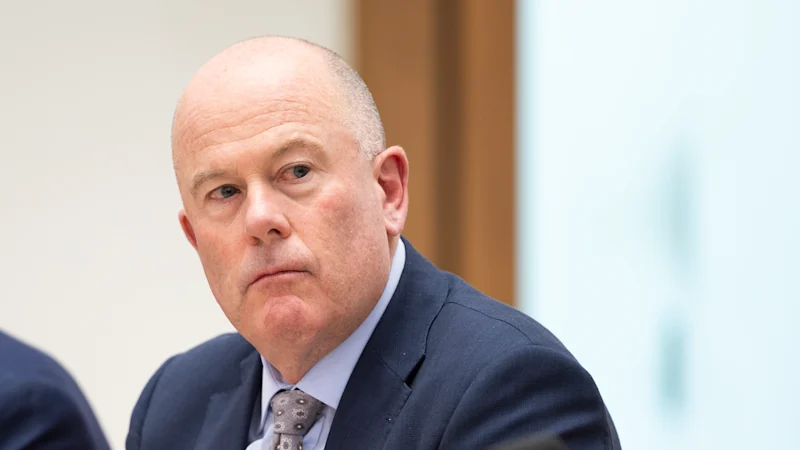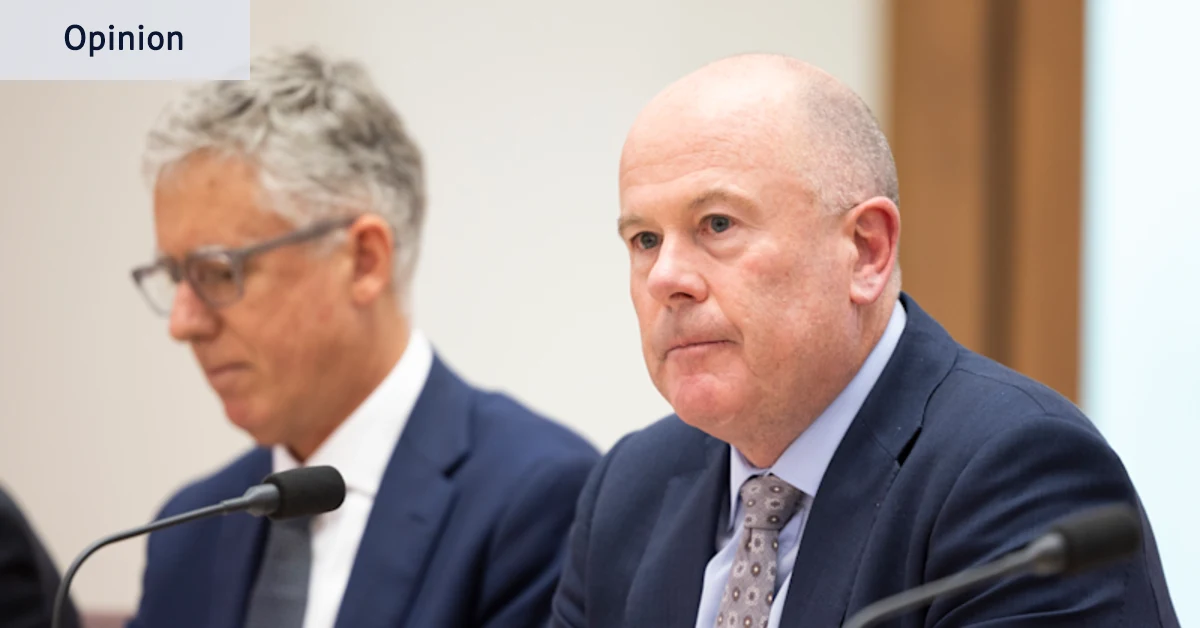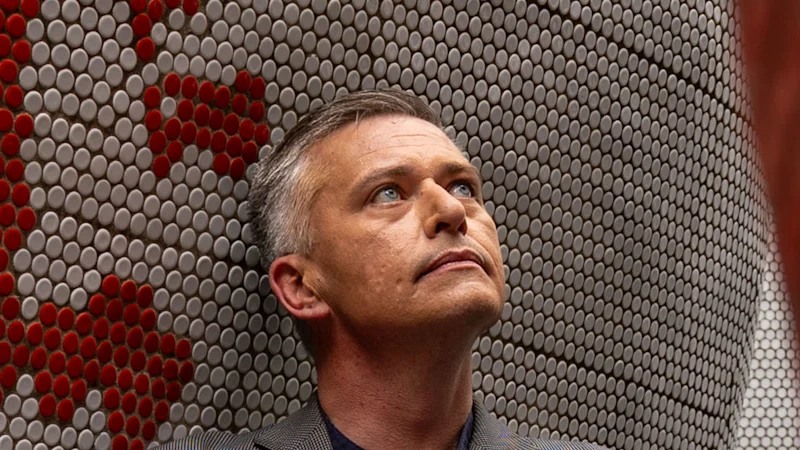
A major scandal gripping KPMG has rocked the corporate world in Australia, as senior heads roll and new details come to light with each passing day.At the end of May, KPMG — which is one of the world’s best-known consultancy firms and one of the industry’s ‘big four’ — was rocked by two senior resignations over how the firm handled a whistleblower’s complaints.The firm’s chief executive Andrew Yates and former head of audit Julian McPherson have resigned, while Eileen Hoggett has stepped down from her leadership role as chief operating officer. Chairman Martin Sheppard and Hoggett are also facing pressure to step down.“I have been committed to a speak-up culture in our firm. It is clear that in this case we have let ourselves down and I take accountability,” Mr Yates said in a statement issued through KPMG.Mr McPherson said: “Matters have arisen for which I am responsible, and I take accountability.”What is the scandal all about?KMPG is under the pump after a whistleblower’s allegations that partners used confidential client data to win corporate audit contracts. Companies like KPMG act as independent, outside accounting checkers that big corporations use to dig through their financial books and verify that they are telling the truth to the public and investors.An audit contract is simply the official business agreement between the corporation and the accounting firm.The corporation agrees to pay the accounting firm (which is often in the millions of dollars), and the accounting firm agrees to do the financial check-up. Because these contracts are incredibly lucrative, accounting firms compete fiercely to win them.The whistleblower – a former audit director – claims that some top bosses (partners) at KPMG bent the rules to win one of these lucrative contracts. None of the individuals identified in this story is personally accused of involvement in any wrongdoing.They made a formal disclosure in May 2024 alleging that some partners misused confidential Lendlease (a real estate company) board papers to pitch for and win the external corporate audits for Westpac and Dexus (a major Australian real asset group). It is also alleged that inside information was used to secure lucrative work from Macquarie Group and Westpac.Instead of protecting the whistleblower or properly investigating the claims, the firm allegedly spent over two years covering up the scandal. The whistleblower claims the company tried to bury the truth by downplaying the serious allegations as a minor internal workplace dispute, using legal confidentiality loopholes and gag orders to keep it secret, and launching retaliatory actions against them for speaking up.It came to a head in March this year when Labor senator Deborah O’Neill used parliamentary privilege to disclose the allegations.The following day, she announced the Parliamentary Joint Committee on Corporations and Financial Services, which she chairs, would hold a public hearing on June 19.KPMG has apologised to the whistleblower and ordered a fourth investigation into the matter. However, the review will be conducted by Allens, the exact same law firm that previously dismissed most of the whistleblower’s allegations.The big concern is that sharing private client data was just a normal part of KPMG’s workplace culture, even if the information itself wasn’t secret or worth a lot of money.The KPMG board said the firm had “fallen short” in how the whistleblower and their concerns were handled, how the investigations were carried out and how leadership reacted to the allegations.KPMG chairman Martin Sheppard said the firm apologised unreservedly on behalf of KPMG to the whistleblower.“We commit to learning from this process to ensure we create an environment where it is safe and easy to surface concerns that will be acted upon,” he said.“KPMG apologises to the clients whose information was not handled with the care and respect they expect from us.“We also apologise to our people – as these matters do not reflect on the contribution they make to KPMG and our clients.”KPMG ‘repeatedly accessed whistleblower’s computerThe fallout of the scandal continues to roll on and is gripping the finance world with every new detail.Today, the Australian Financial Review reported KPMG secretly and repeatedly accessed a whistleblower’s computer to extract documents detailing allegations of data misuse, before later sharing the material with senior partners and former chief executive Mr Yates.While the content of those documents is not known, the covert retrieval appears to undercut management’s claims that they did not have enough detail to investigate the allegations.We don’t know what was in those documents, but the claims they were secretly gathered flies in the face of management’s excuse that they didn’t have enough information to investigate.The AFR reports that, even though KPMG technically had the legal right to check the employee’s work laptop, doing it during a tense standoff over whistleblower protections raises serious concerns that the firm may have shared those documents with the very people accused of the wrongdoing.Not the first scandal to rock the ‘Big Four’This is not the consultancy world’s first rodeo when it comes to seriously bad press.Another Big Four firm, PwC, made headlines in a scandal that went to the heart of government in 2023.The scandal started when, in 2015, the Federal Government moved to crack down on multinational corporations avoiding tax by developing the Multinational Anti-Avoidance Law.The former head of international tax for PwC Australia, Peter Collins, was brought in to help the government design the laws. He signed three separate confidentiality agreements as part of that process.It’s alleged that Mr Collins received confidential information and documentation, and proceeded to share information within PwC with colleagues who were not authorised to receive it, a Tax Practitioners Board inquiry found.His registration as a tax practitioner was terminated for breaching the Professional Conduct in the Tax Agent Services Act 2009, which required that he must act honestly and with integrity, and avoid conflicts of interest.It’s alleged that PwC used that information to effectively market tax avoidance schemes around the world.The Australian Federal Police (AFP) launched a full criminal investigation (dubbed Operation Alesia). In late 2024, the situation escalated dramatically when federal agents officially raided PwC’s Sydney headquarters.To salvage what they could of their reputation and protect their government consulting arm, PwC was forced to completely split its business. They sold their entire multimillion-dollar government consulting division to a private equity firm for exactly $1. That division was rebranded as a completely separate company called Scyne Advisory.The Federal Government essentially banned PwC from doing any further business with the Commonwealth — a huge loss for the firm. However, it didn’t last forever. In August 2025, after a 16-month hiatus and a series of internal governance overhauls, the Federal Government gave PwC the green light to resume bidding for federal contracts again, though the firm agreed to stay out of major, high-tier government tenders until late 2028.KPMG’s full statementKPMG issued a long statement in response to the whistleblower scandal, confirming its treatment of a whistleblower and investigation into their allegations “fell short of the firm’s expectations, those of the whistleblower and the broader community”.It said the initial internal investigation, that did not substantiate the allegations raised by the whistleblower, was in hindsight not conducted with the necessary rigour required. “Understandably this prompted further communications and allegations from the whistleblower, resulting in the appointment of an external legal firm, to review the internal investigation,” the statement reads.“The external legal review supported the internal investigation. This outcome further escalated the whistleblower’s concerns with the process. The whistleblower again raised the matter with certain independent members of the KPMG Australia Board and others.“At this point, a Board Sub-Committee (led by the Deputy Chair and including three independent directors), appointed Allens to conduct a further external legal investigation, which remains ongoing. Now, with new evidence and an expanded scope, Allens are continuing to challenge the conclusions reached in prior investigations.”KPMG Chairman Martin Sheppard said: “We apologise unreservedly to the whistleblower. We commit to learning from this process to ensure we create an environment where it is safe and easy to surface concerns that will be acted upon. “KPMG apologises to the clients whose information was not handled with the care and respect they expect from us. We also apologise to our people – as these matters do not reflect on the contribution they make to KPMG and our clients.“We recognise the gravity of today’s announcement. That is why, in addition to the ongoing external Allens investigation which will thoroughly investigate the allegations, we have also engaged Principia Advisory, a leading global specialist in ethical culture, to undertake an external review of our underlying speak up culture, including the policies and processes that support this.”“KPMG is committed to transparency and will publish the findings of the Principia review. We will move swiftly to act upon their recommendations. We are reinforcing and strengthening the controls that protect client confidentiality, and we will set out for our clients the specific steps we are taking to keep their information protected. For each of our audit clients we will confirm that any conduct matters do not impact the quality of their audits.“We acknowledge we have work to do to rebuild trust. That’s why we are not asking anyone to take our word for it, and we are inviting scrutiny and challenge on our remedial actions.”KPMG will continue to engage with the Committee, and the regulators and professional bodies examining these matters.
KPMG drama explained: Scandal has all of corporate Australia talking
A major scandal gripping KPMG has rocked the corporate world in Australia, as senior heads roll and new details come to light with each passing day.
1,543 words~7 min read