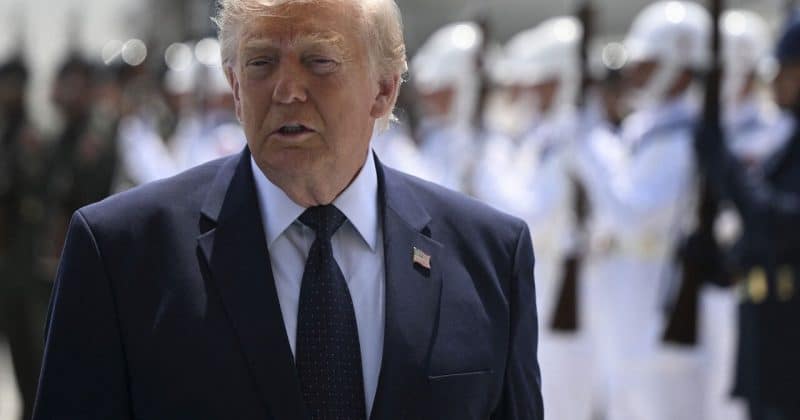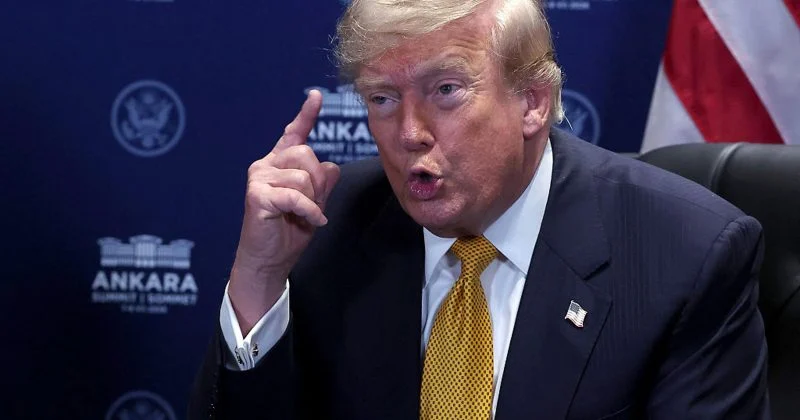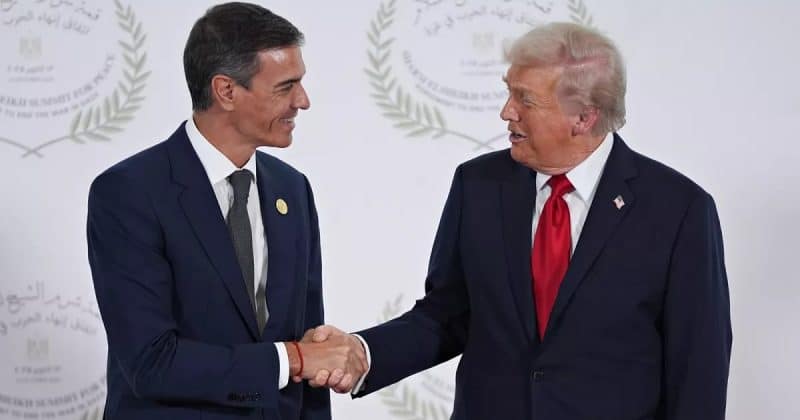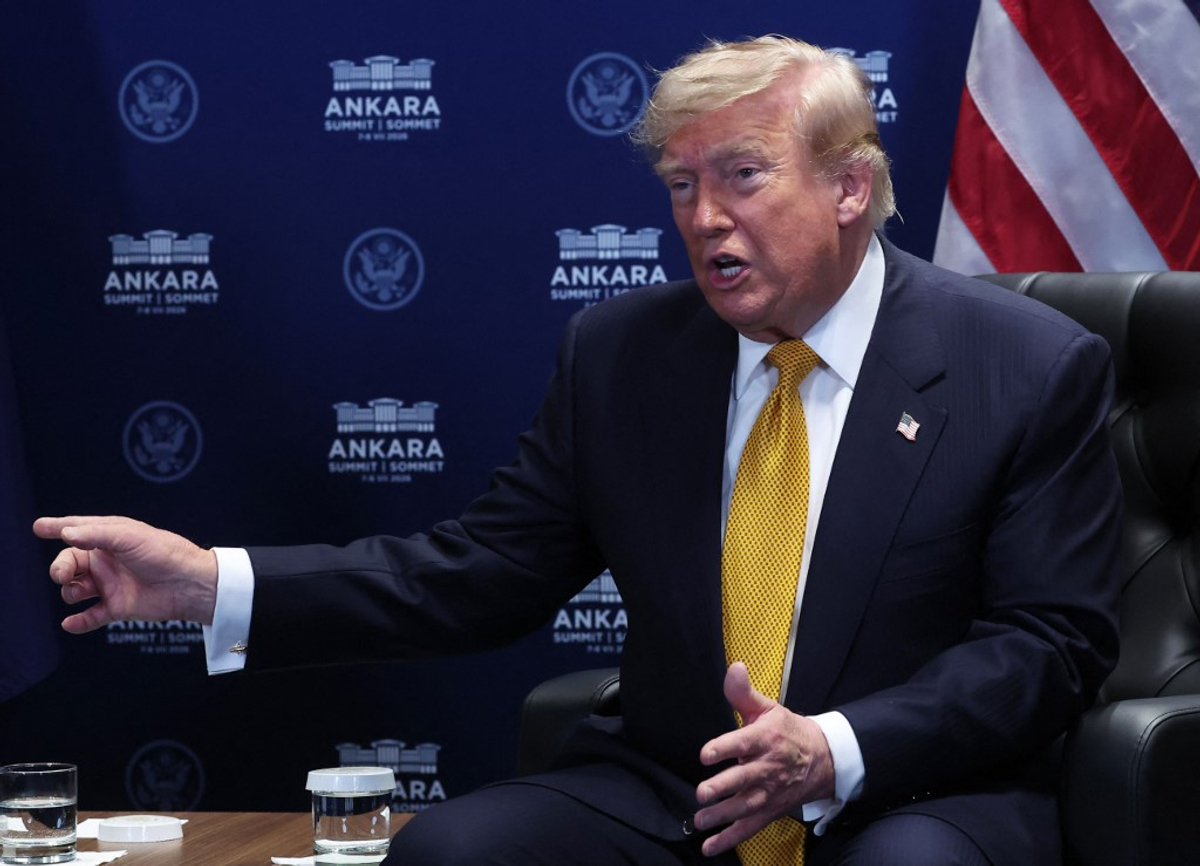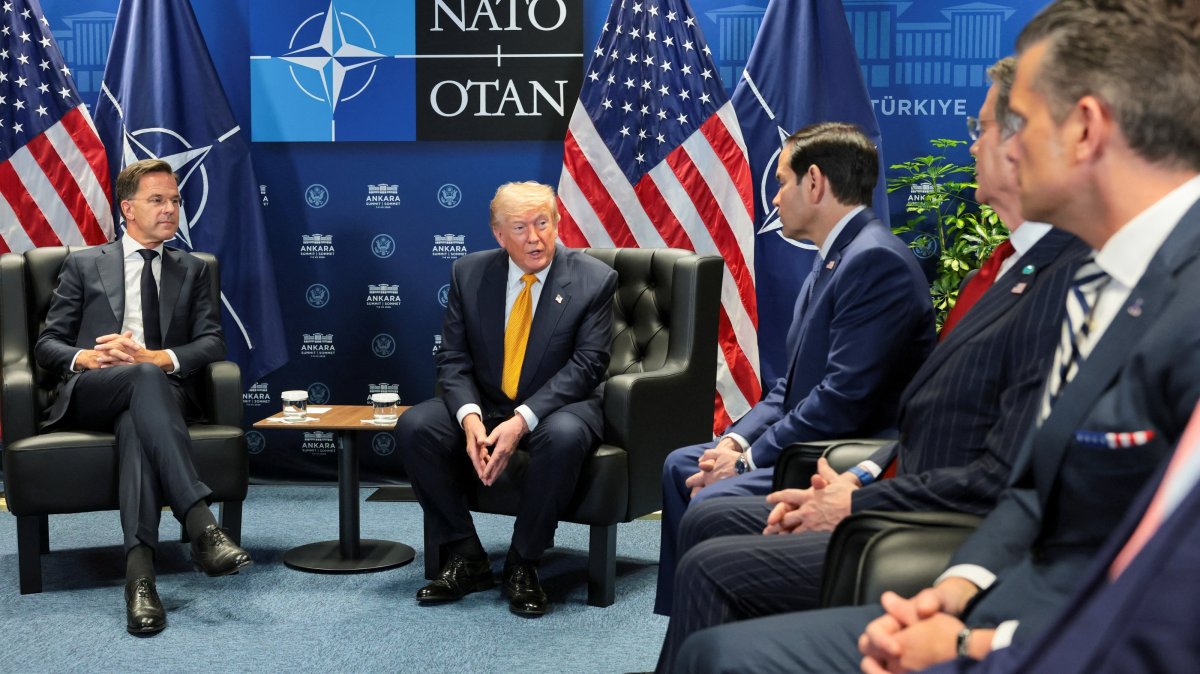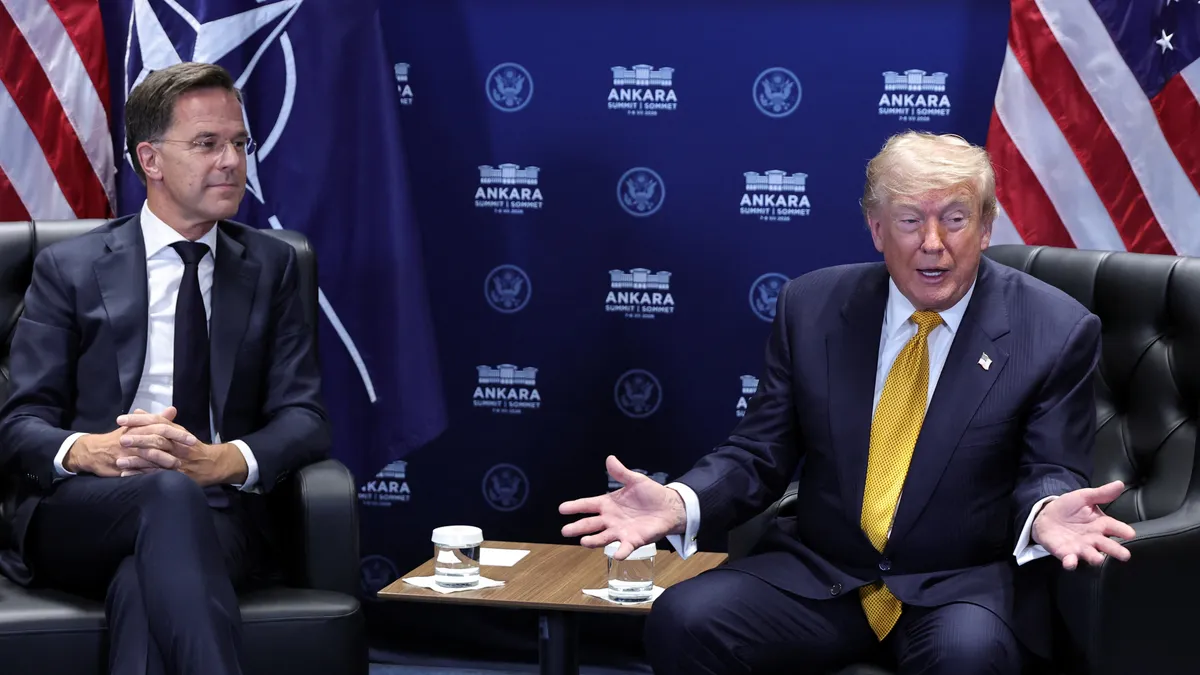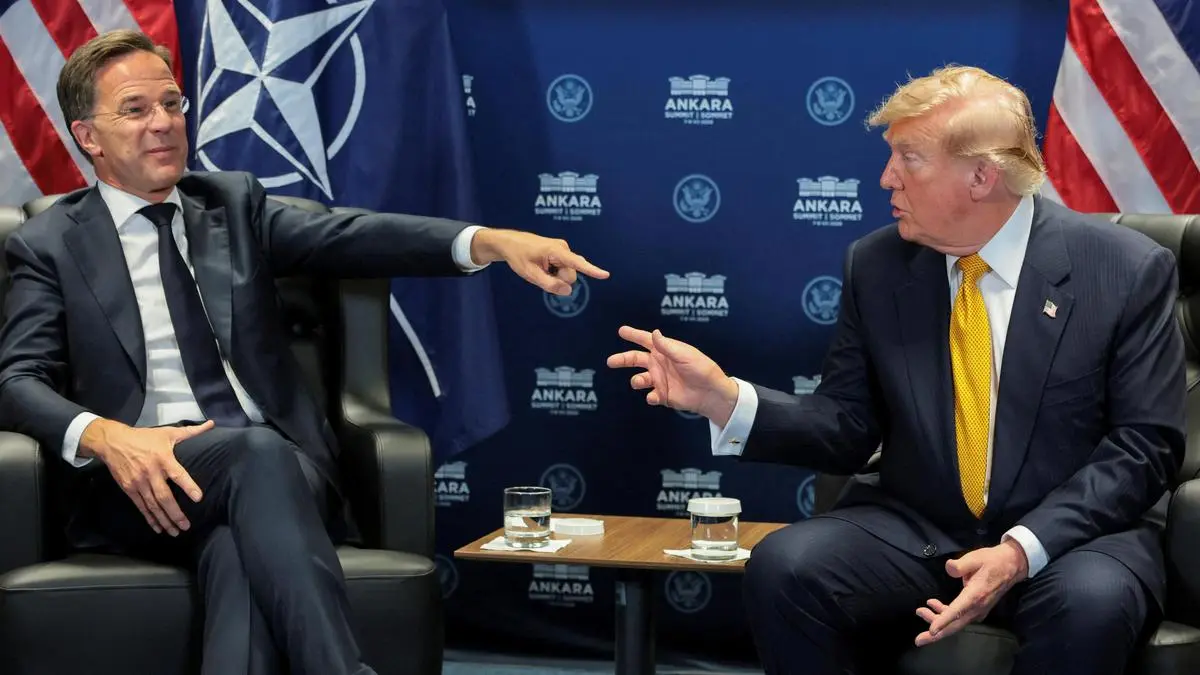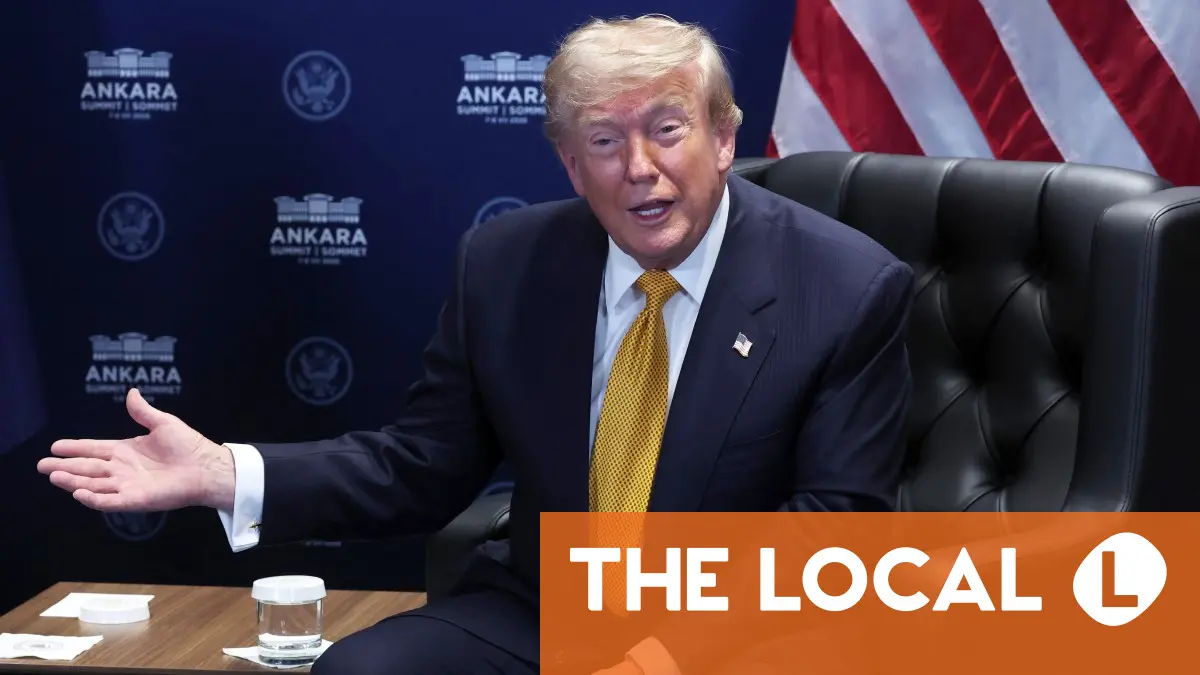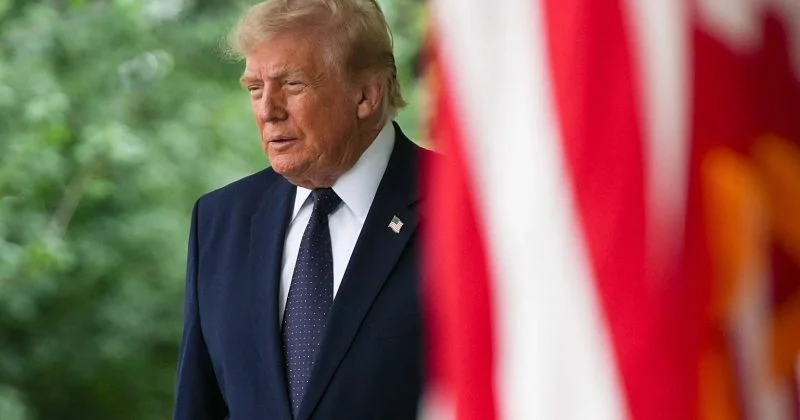
Donald Trump ordered a full cessation of trade with Spain on July 8, during the NATO summit in Ankara, calling the country a “wasted cause” and a “terrible partner” in the alliance. The move, triggered by Spain’s refusal to meet NATO’s new 5% of GDP defense spending target and its opposition to US policy on Iran, immediately rattled European markets and introduced yet another variable into an already fragile global trade environment.
Spain’s Ibex 35 index dropped 2.7% on the news. For context, US imports from Spain totaled over $21 billion in the previous year, meaning this isn’t a symbolic slap on the wrist. It’s a substantial economic threat, even if enforcement remains murky.
The enforcement problem
Here’s the thing about unilaterally cutting trade with a European Union member state: you can’t really do it cleanly. Spanish Prime Minister Pedro Sánchez was quick to point out that trade policy falls under the EU’s jurisdiction, not Spain’s alone. Business relations, he argued, are managed bilaterally by companies, effectively downplaying Trump’s order as something closer to a loud suggestion than an enforceable decree.
The EU operates as a single trade bloc, and any embargo on Spanish goods would almost certainly require negotiations at the European level. Still, US Treasury Secretary Scott Bessent is reportedly preparing a list of specific Spanish goods for potential embargoes. So while the legal framework may be complicated, the intent is clearly there.