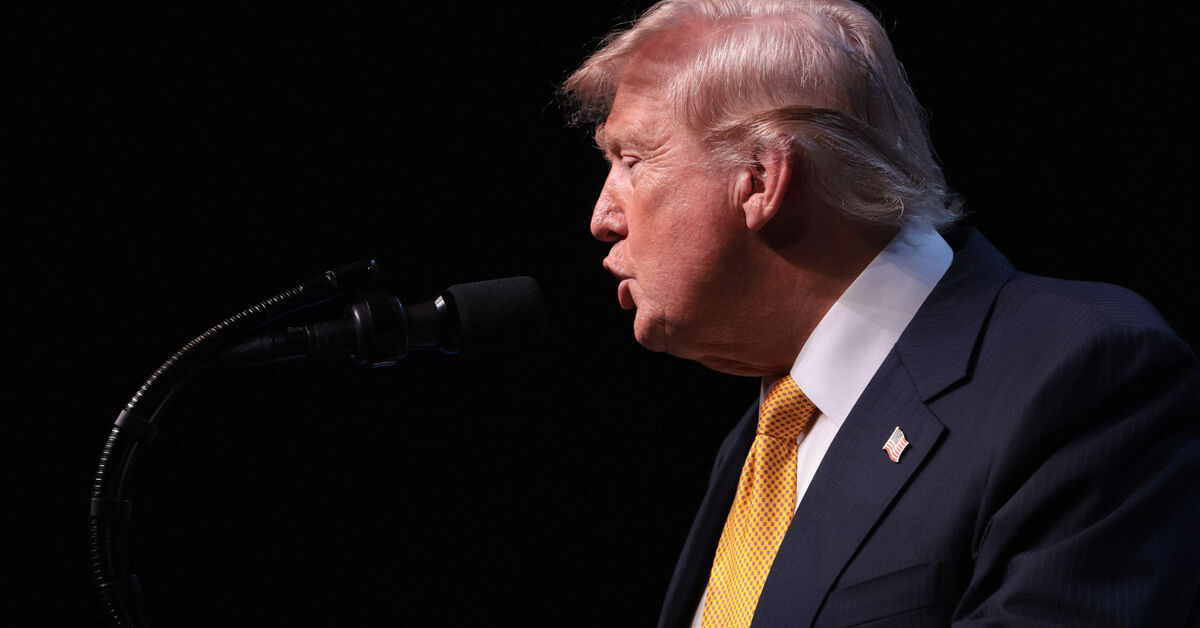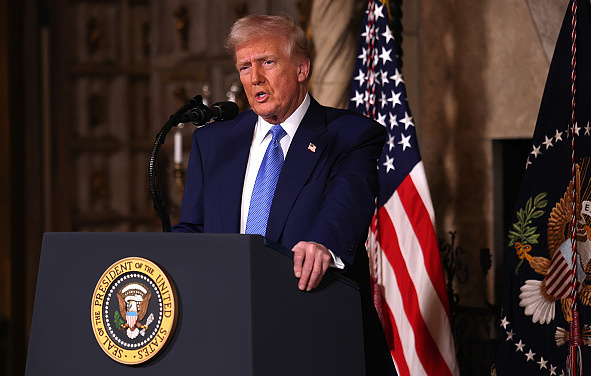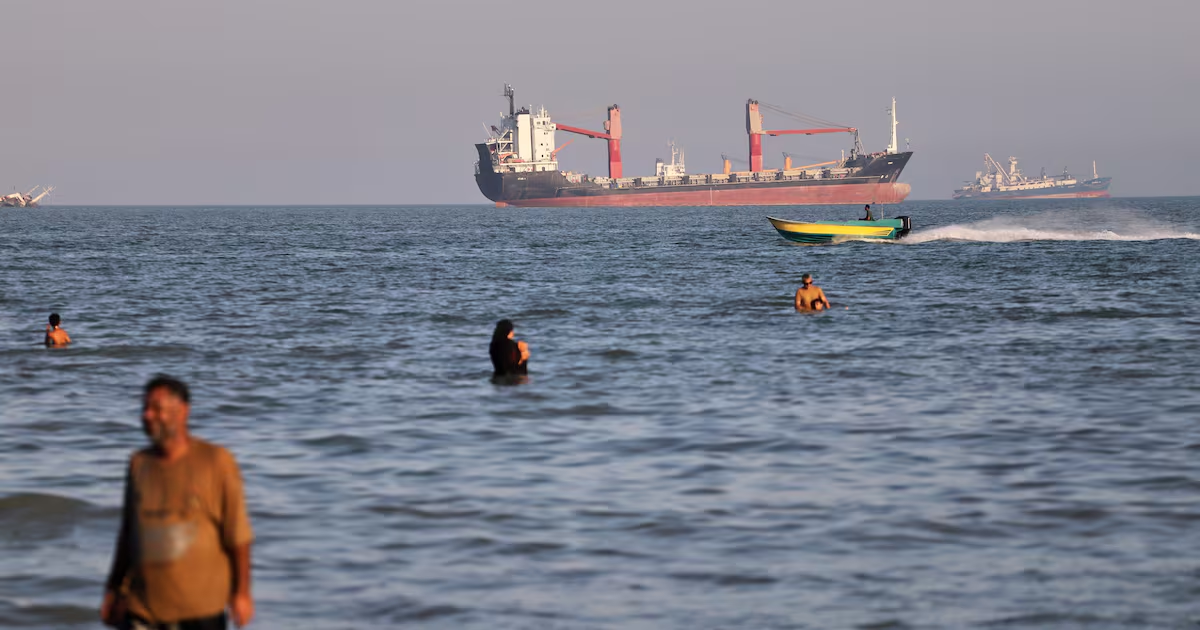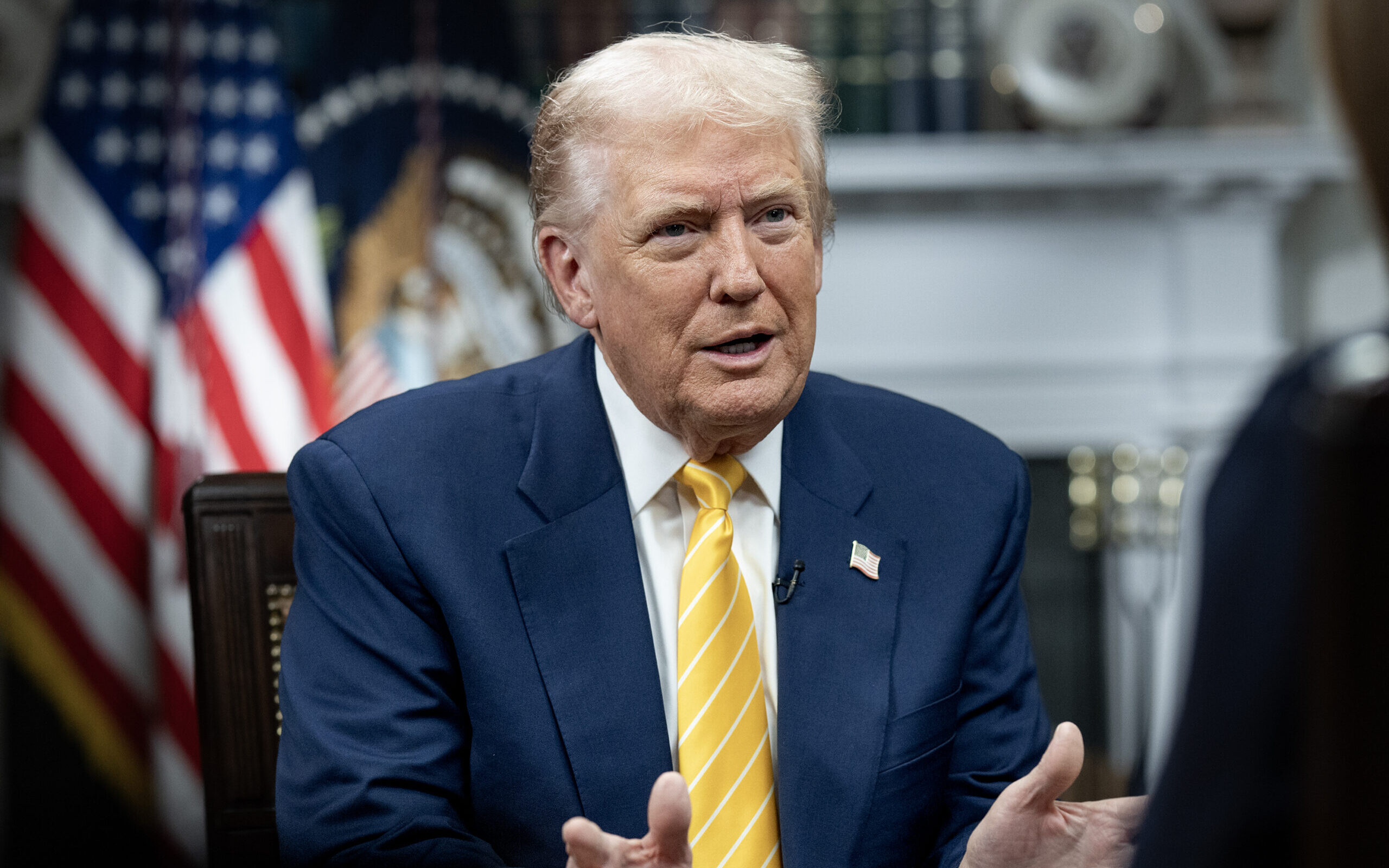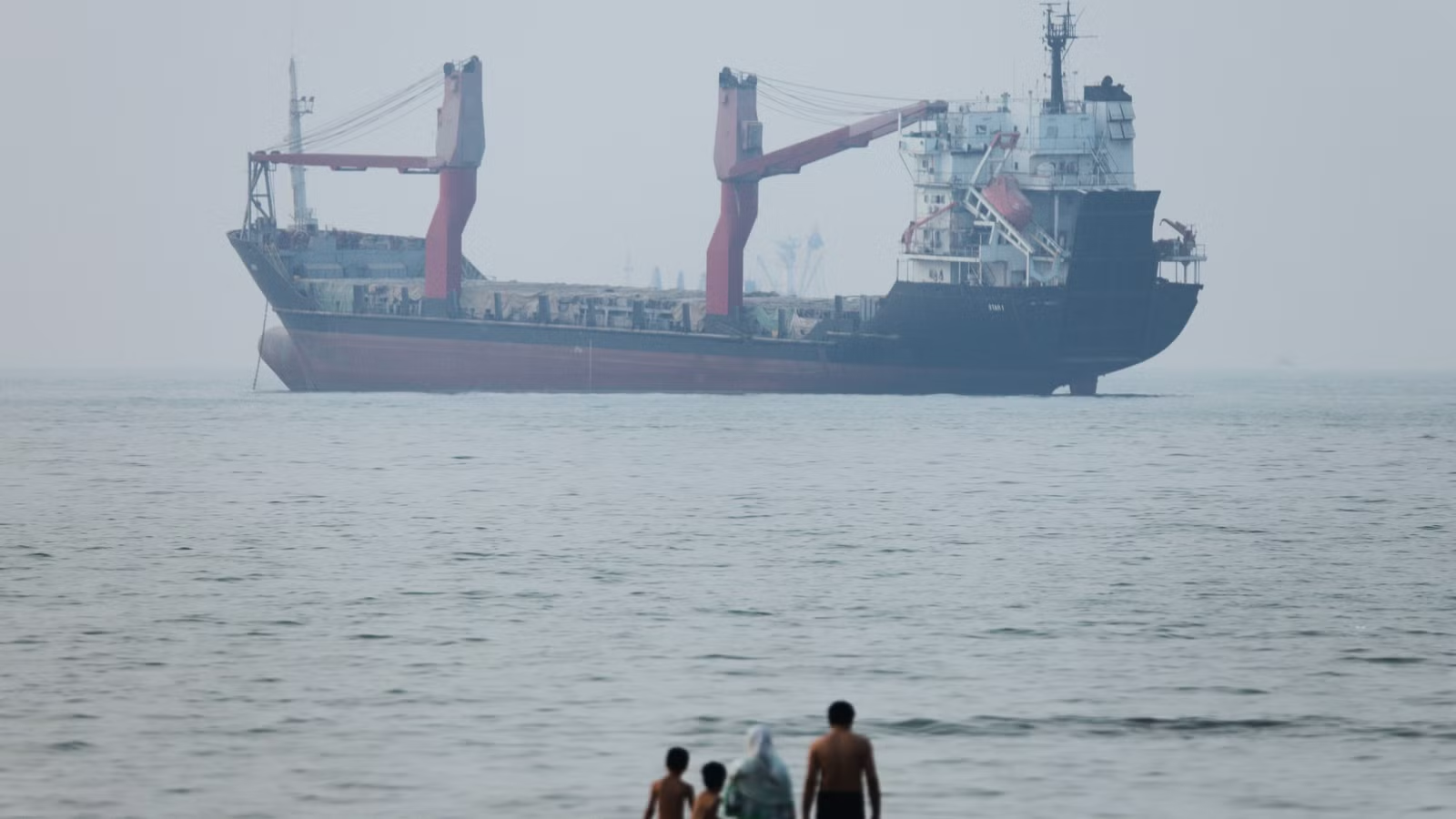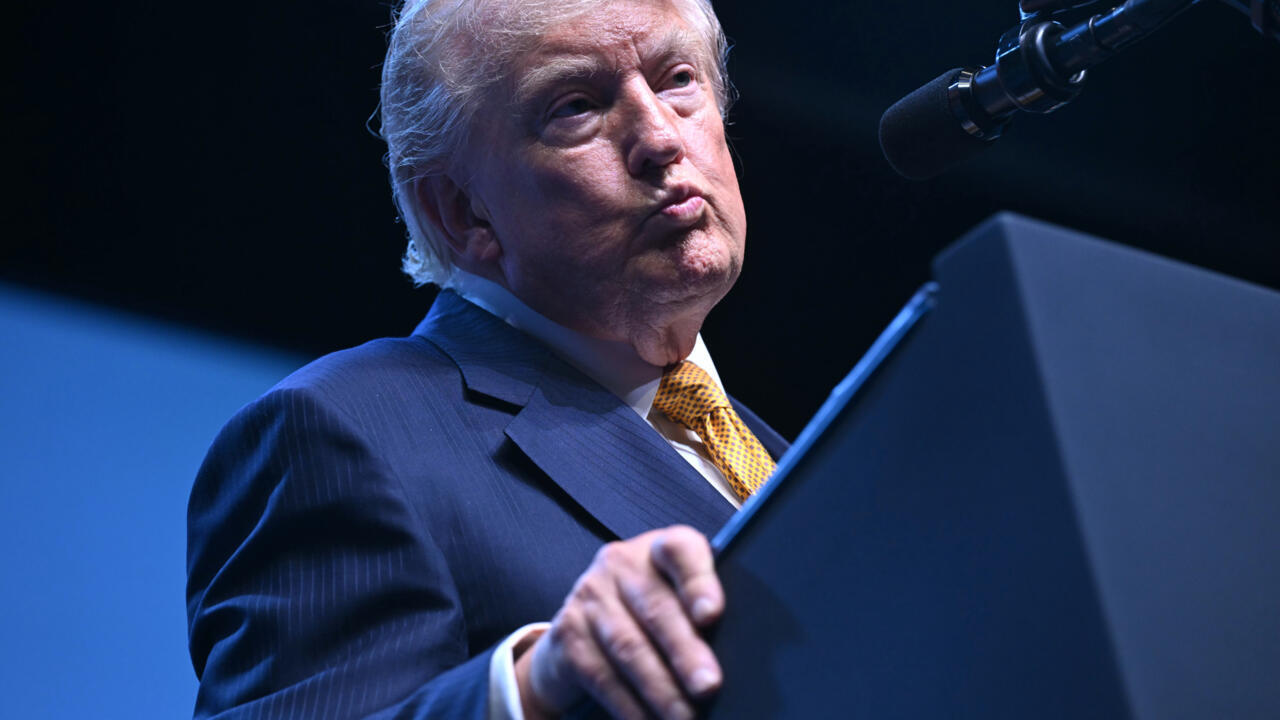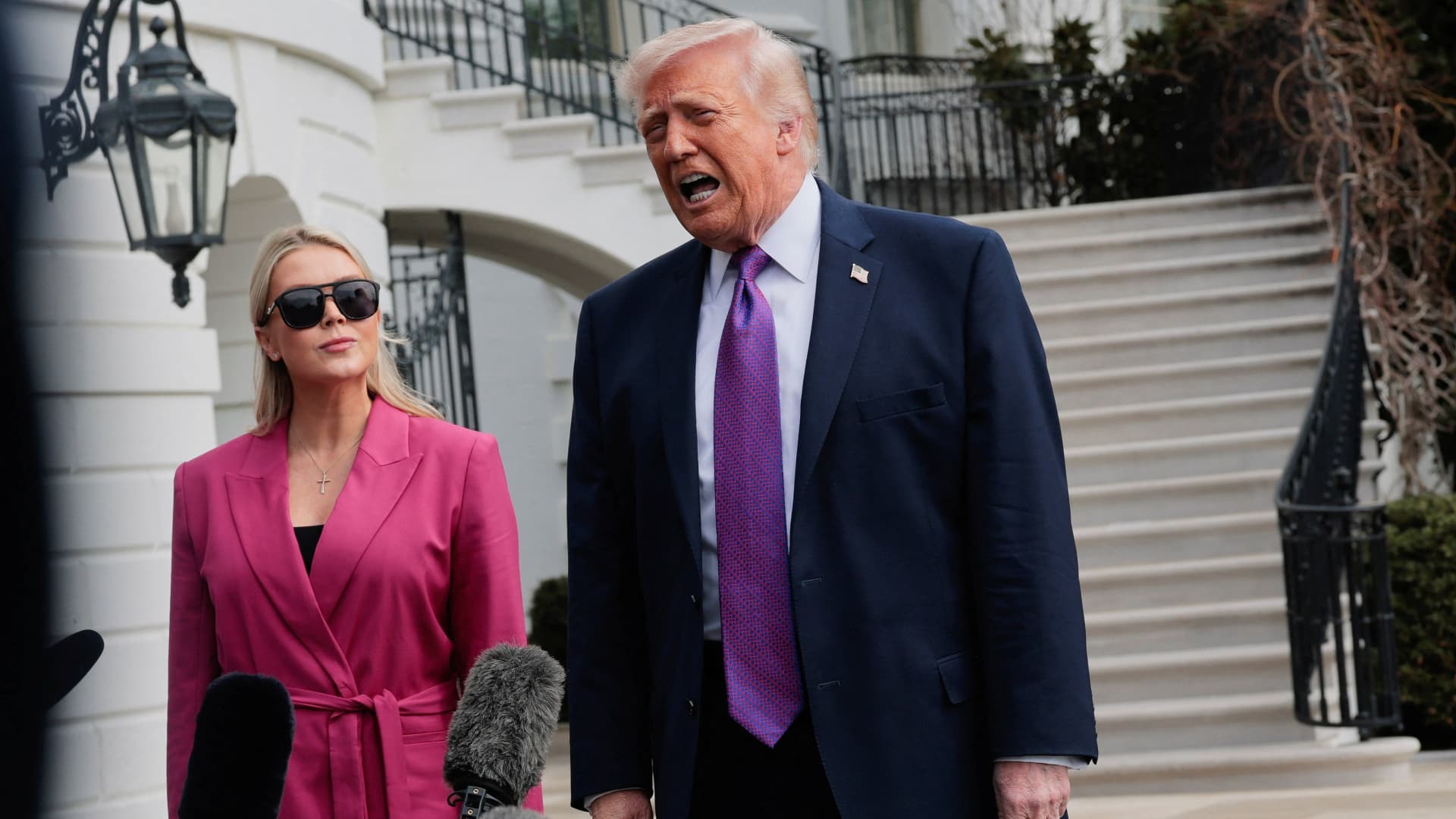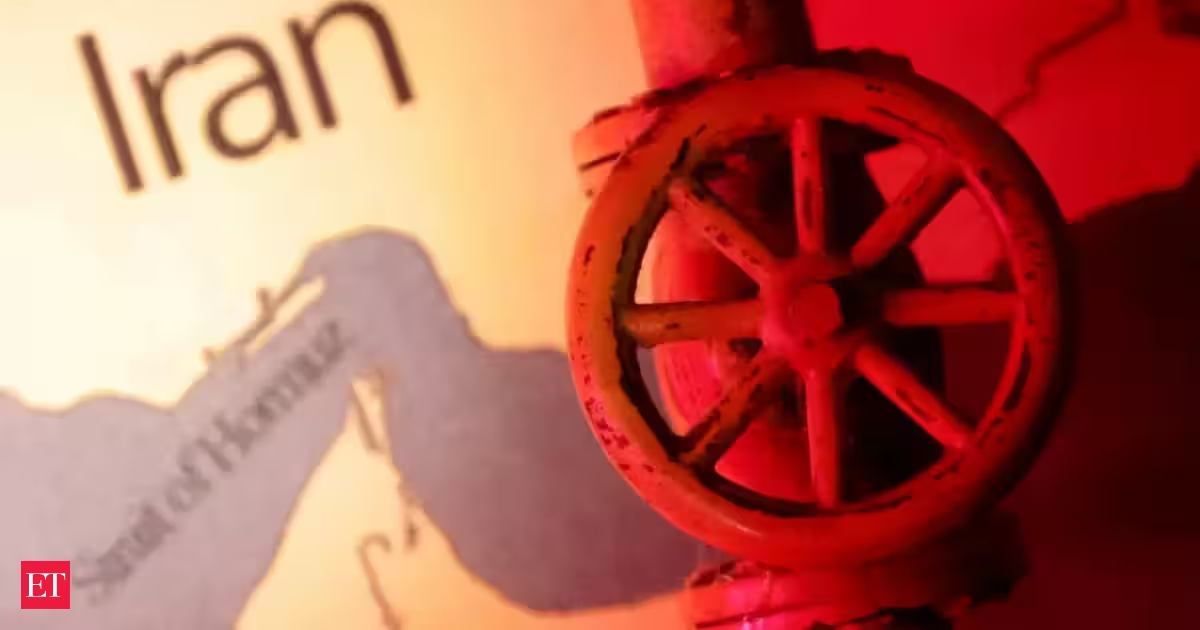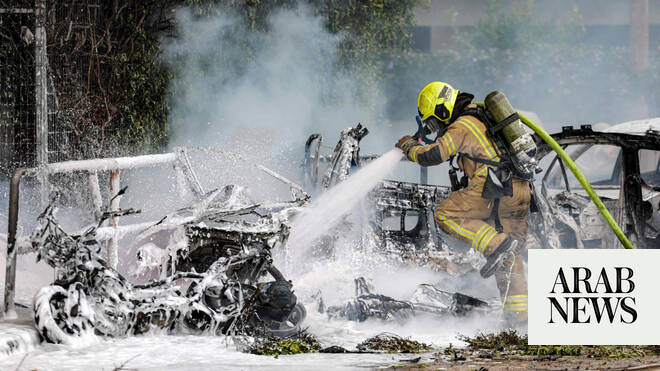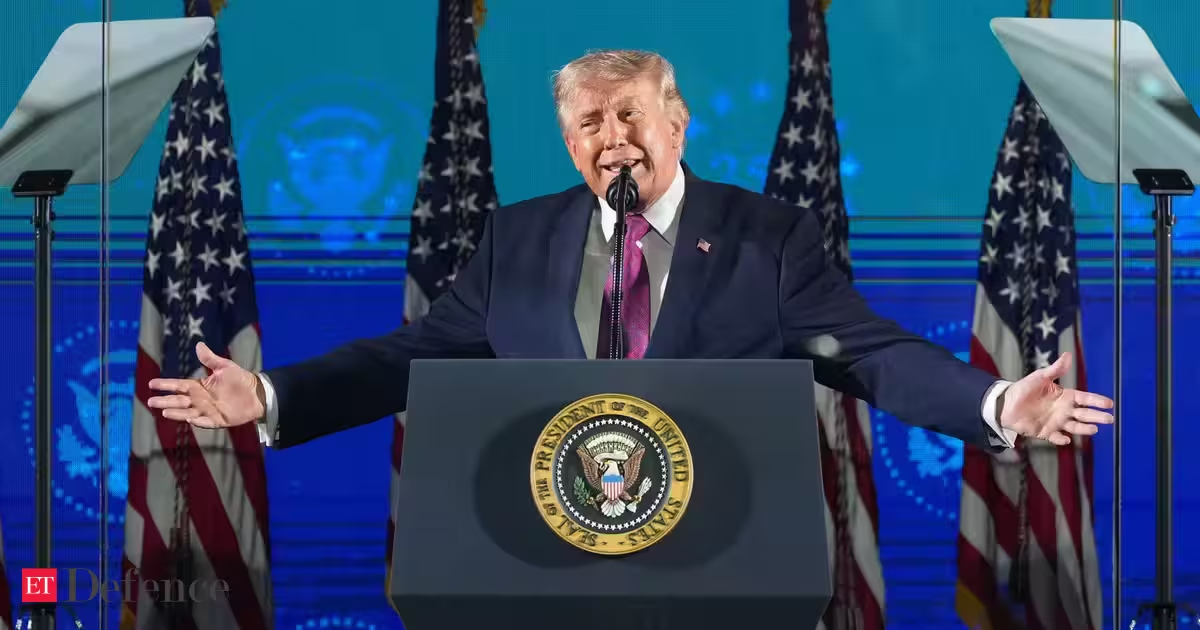
U.S. President Donald Trump on Thursday said he did not expect the conflict with Iran to restart, but warned that if Tehran launched fresh attacks, Washington would retaliate "ten times harder" and any renewed fighting would end "very quickly.""I don't think its going to start again," Trump said. "If they hit, we hit ten times harder. Anything that happens will get over very quickly, and we'll make things safer, even for oil. Oil is going to be very free, very easy."Also read: Trump invokes 'retribution' to justify US strikes on Iran; warns Tehran 'much worse' yet to comeThe remarks marked a notable shift in tone after Trump earlier defended fresh U.S. military strikes on Iran as retaliation for what Washington said were attacks on commercial ships in the Strait of Hormuz and suggested that the temporary understanding between the two countries had effectively collapsed.Trump's 'retribution' vs Iran"This is in retribution for yesterday's bombing of ships by Iran. If it happens again, it will get much worse!" Trump wrote in a post on Truth Social.The United States launched a fresh wave of military strikes against Iran on Thursday, in what marked another sharp escalation in the West Asian conflict.According to the U.S. military, the strikes were intended to degrade Iran's ability to threaten commercial shipping through the Strait of Hormuz after three cargo vessels were attacked while transiting the strategic waterway on Tuesday. Washington blamed Tehran for the incident, saying the operation was necessary to safeguard one of the world's busiest energy shipping routes.The U.S. Central Command said the operations were aimed at preserving freedom of navigation and ensuring the security of civilian shipping and international trade through the narrow passage, which carries nearly one-fifth of global oil supplies. Iran has not publicly acknowledged involvement in the attacks on the merchant vessels.Also read: Iran: Gulf on boil again as new US strikes mark fresh escalation; fear rises of a return to warGulf on the boil againThe renewed hostilities have dealt a fresh blow to hopes that the memorandum of understanding signed on June 17 could pave the way for broader de-escalation. Earlier on Thursday, Trump had also expressed scepticism over the prospects of any lasting agreement with Tehran, saying he no longer believed the temporary understanding remained viable.Iran, meanwhile, said it had launched strikes against U.S. military facilities in Bahrain and Kuwait in retaliation for earlier American operations, fuelling concerns that the confrontation could spread across the Gulf, where several countries host U.S. military bases.Iranian state media also reported fresh explosions in Bandar Abbas, Chabahar and Konarak along the country's southern coastline, while electricity supply was disrupted in parts of Chabahar. Media affiliated with Iran's security establishment said military planners were preparing a significantly larger retaliatory operation targeting U.S. military bases across the region.Despite the renewed military exchanges, Trump sought to project confidence that the conflict would not escalate into a prolonged war, while also attempting to reassure markets by saying any disruption would ultimately make conditions "safer, even for oil," with oil becoming "very free, very easy."
Trump says Iran war may not return & oil has little to fear
US President Trump stated he does not anticipate renewed conflict with Iran. He warned that any future attacks would face a much stronger response. The United States conducted strikes against Iran after ship attacks in the Strait of Hormuz. These actions have heightened concerns about broader regional confrontation. Trump expressed confidence that any disruption would ultimately ensure oil security.
507 words~2 min read