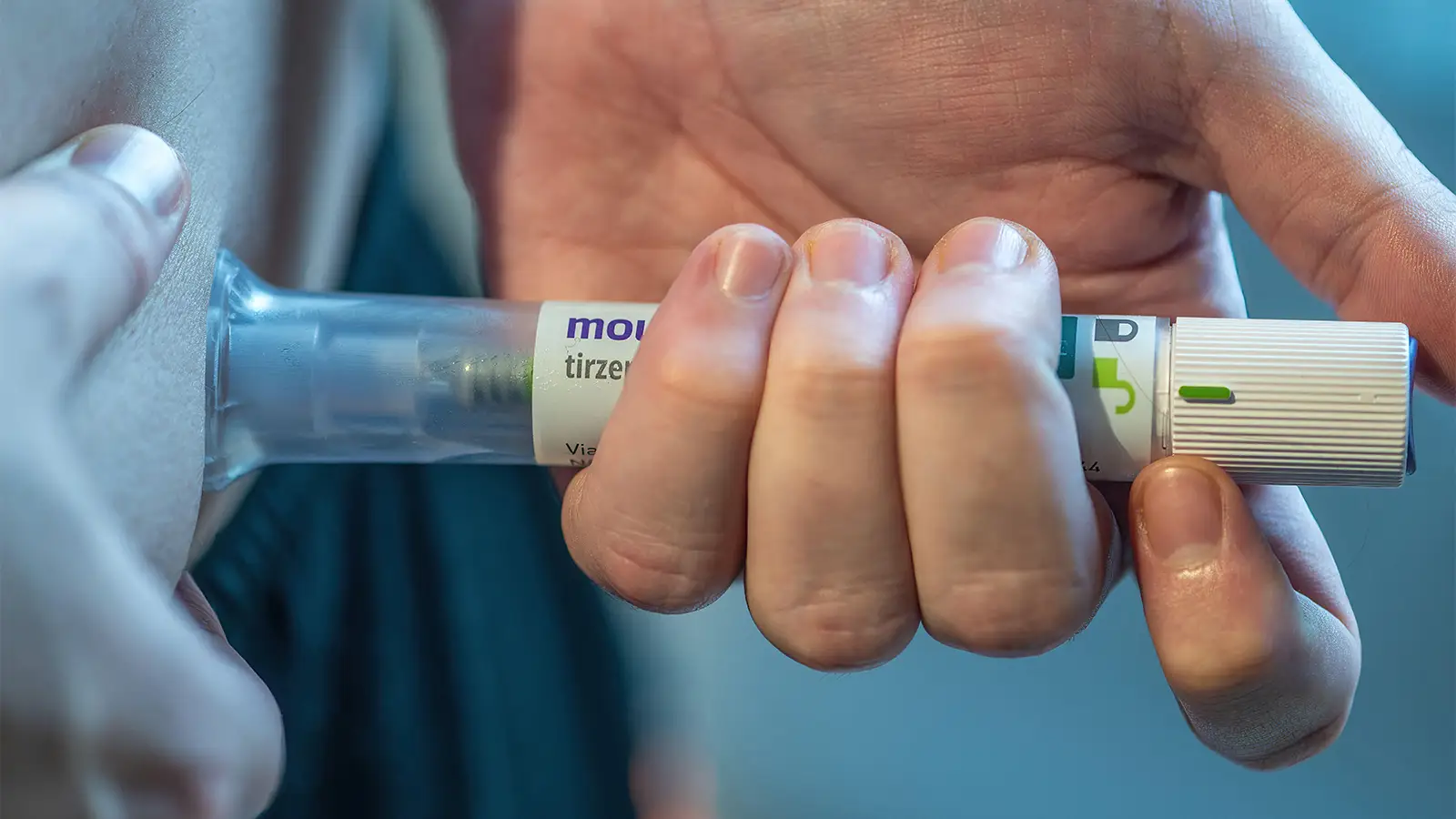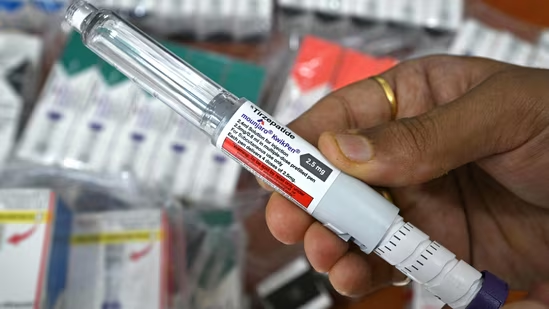
The most comprehensive comparison of obesity drugs to date has found that no single GLP-1 or related weight-loss drug wins on every count that matters. The drug that sheds the most weight also strips away the most muscle. The drug with the strongest evidence of protecting the heart is not the top weight-loss performer. And on how patients actually feel, no drug in the analysis moved the needle meaningfully, even the ones producing double-digit weight loss.Study compares 19 obesity drugs, no clear winner on weight and health outcomes (REUTERS)The findings, published in The BMJ on Thursday, come from a network meta-analysis of 262 trials covering nearly 100,000 patients, the first ranking of 19 obesity drugs across not just kilos lost, but survival, cardiovascular risk, kidney health, side effects and quality of life.Also read: Considering Ozempic or Mounjaro for weight loss? Experts share who actually qualifies for GLP-1 treatmentTirzepatide tops the ranking on weight, reducing body weight by just under 15% at one year, closely followed by cagrilintide-semaglutide (CagriSema) at 14.8%. Oral semaglutide, orforglipron and subcutaneous semaglutide sit in a lower cluster at 9.8% to 10.9%. Older drugs orlistat, liraglutide, metformin, do not, on this evidence, produce meaningful weight reductions over lifestyle change alone.But bigger weight loss comes with bigger costs. Tirzepatide, the leader on fat mass reduction, also strips away the leanest mass 8.3% at one year, more than one-and-a-half times semaglutides. The drugs that lose the most weight also produce the highest rates of nausea, vomiting, diarrhoea and early discontinuation. Real-world data cited in the paper suggest roughly half of patients discontinue treatment within a year.“There are clear recommendations for who they work and for who they don’t, especially when talking about weight loss in non-diabetics,” said Dr Nikhil Tandon, interim director of AIIMS Delhi and former head of its endocrinology department. “The percentage of people who can tolerate maximum dose is not 100%.”On the hardest outcomes death, heart attack, kidney disease progression, subcutaneous semaglutide stands alone. It is the only drug in the analysis with high-certainty evidence of reducing all-cause mortality (by roughly 19%) and myocardial infarction (by 28%), and the only one shown to slow kidney disease progression. Tirzepatide and semaglutide both reduce heart failure risk.That advantage is real but qualified. Semaglutide’s mortality findings come almost entirely from trials in patients who already had cardiovascular disease. It is also the drug that has been tested longest.“Many of these drugs haven’t done CVD trials yet,” said Dr Ambrish Mithal, chairman and head of endocrinology and diabetes at Max Healthcare. “It takes time.”Also read: Are Indians using weight loss drugs correctly? Gurugram surgeon warns your unregulated GLP-1 use can backfireOn quality of life, no drug in the study moved the needle enough to count as a meaningful improvement at one year, a finding that runs against what most clinicians report seeing in their patients.For all the precision the study brings, Indian prescribing runs on a much simpler test.“At the moment we are following the standard criteria: people with a BMI of over 30 who have tried all other methods, or those above BMI 27 with comorbidities,” Mithal said. “It’s broadly sweeping at the moment but will get stratified more and more by state of health.”Cost is also doing part of the choosing. Semaglutide’s generics, sold at a fraction of the pre-patent price, are now the most widely available GLP-1s in India.
Gains clear, but no single GLP-1 or other weight loss drug wins on every count: Study
A comprehensive analysis of 19 obesity drugs reveals no single standout, with weight loss often accompanied by muscle loss and side effects.
562 words~3 min read