Editorial
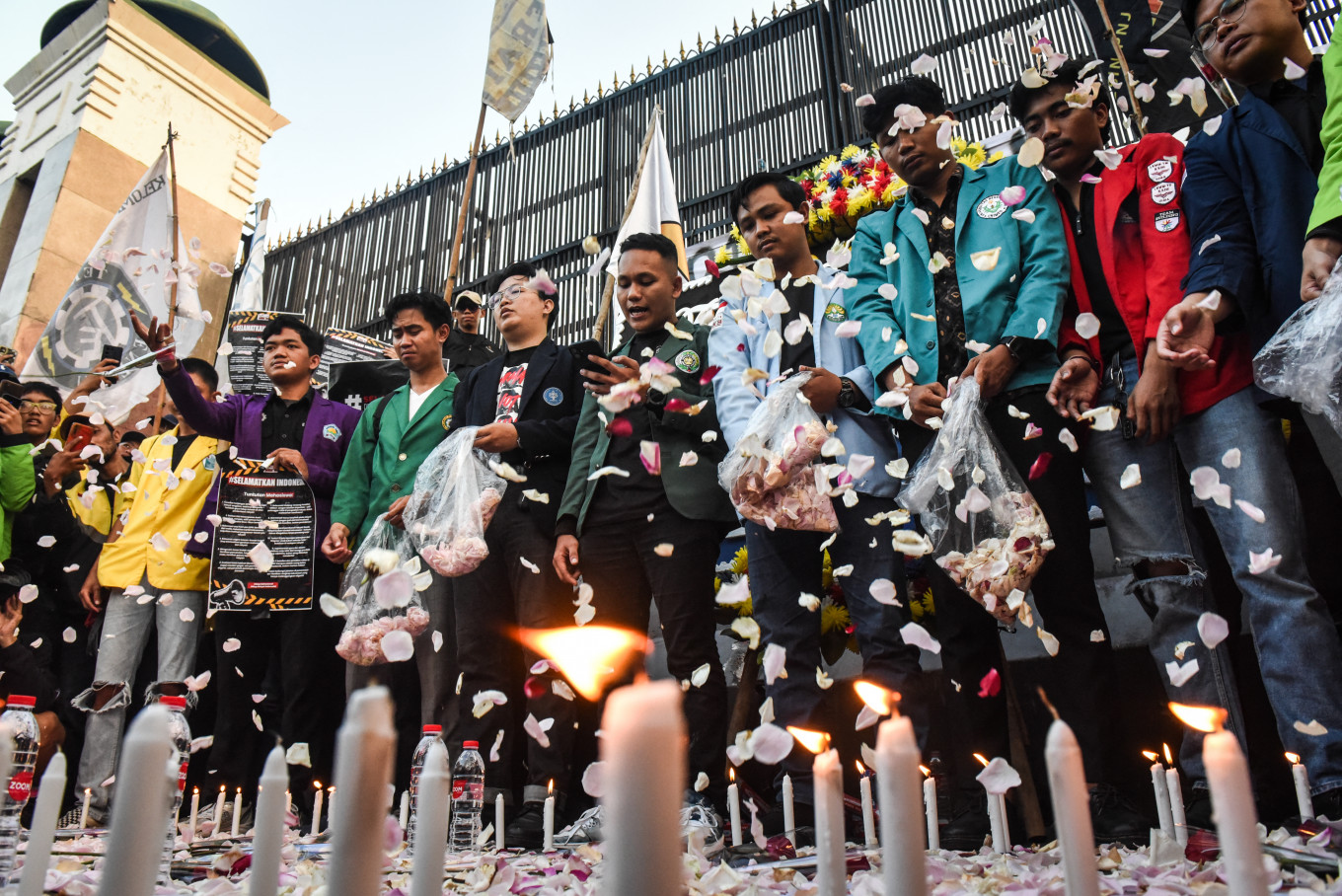
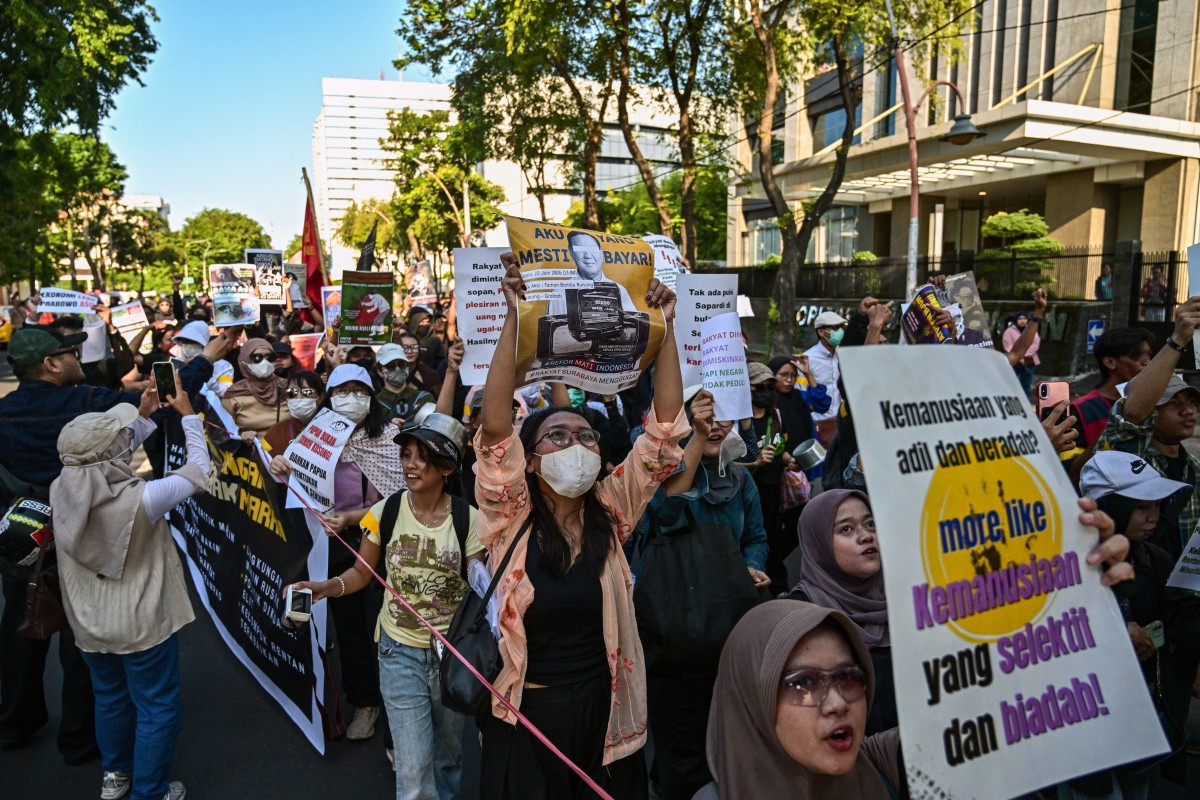
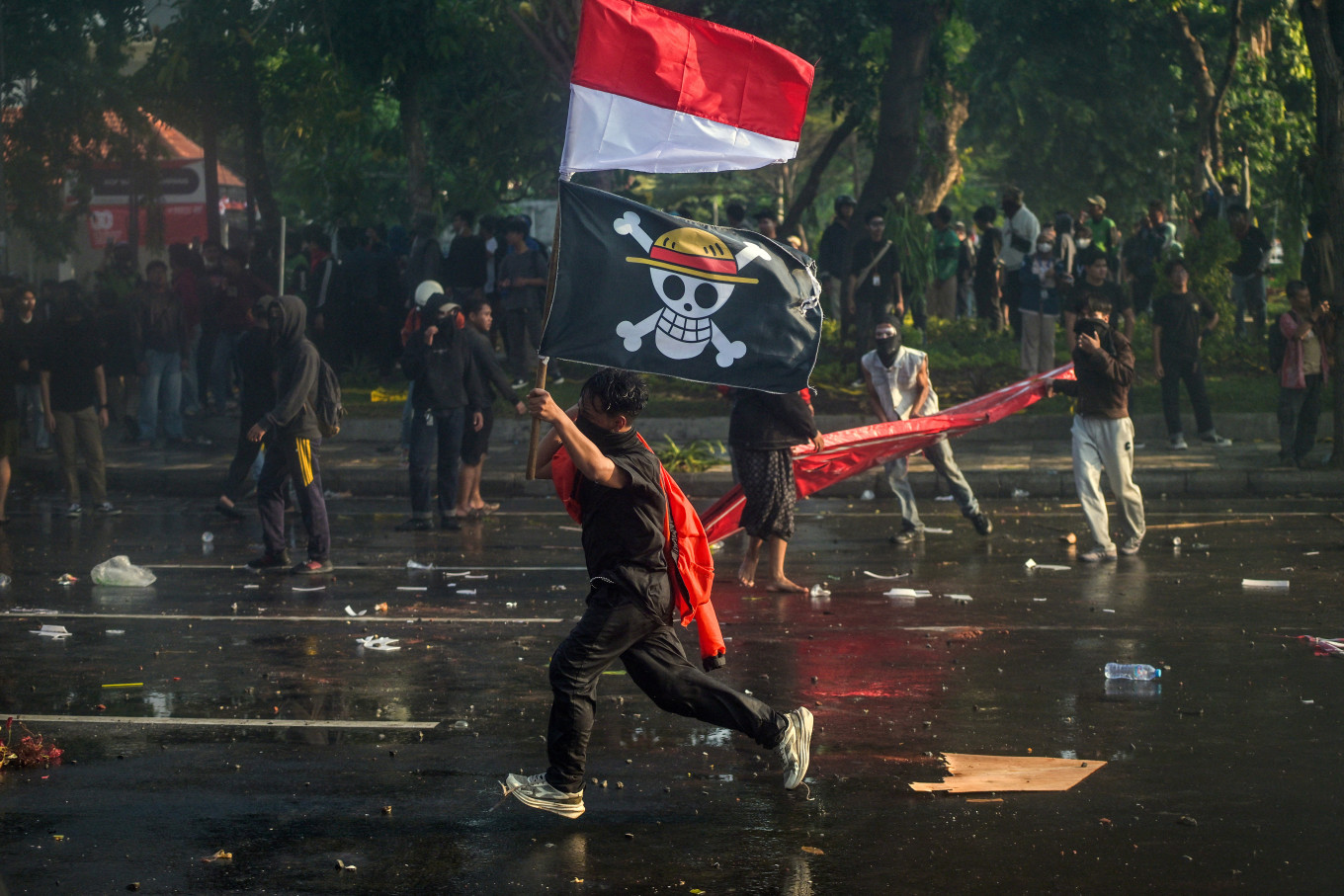
For much of Indonesia's modern history, right from the moment when STOVIA, the country’s first medical school set up by the Dutch colonial government became the training ground for Indonesia’s nationalist leaders, up through the current day as students voice their opposition against government policies from campus halls, higher education institutions have always been an integral part of Indonesian politics.
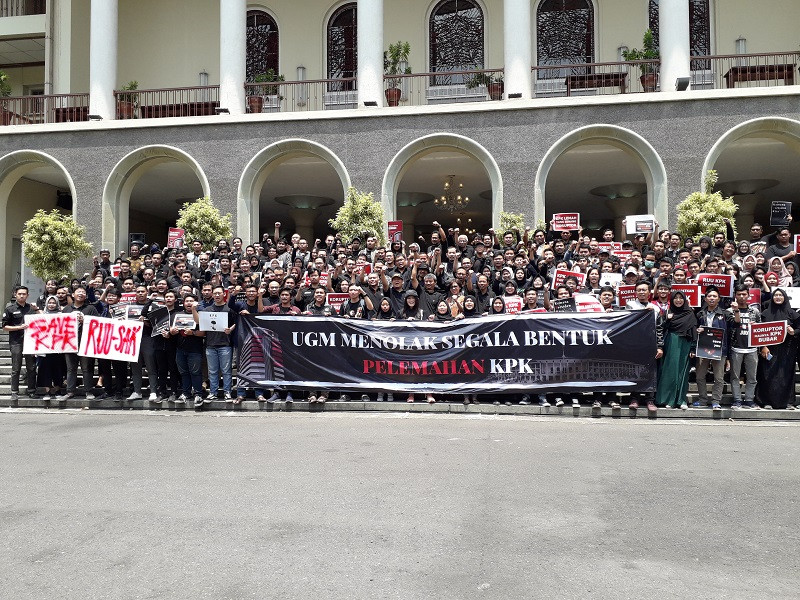
UGM academicians, students and anti-corruption activists pose for a group photo in front of the campus' Balairung hall after reading out a joint statement to save the Corruption Eradication Commission (KPK). (JP/Sri Wahyuni)
The term ivory tower is used to refer to higher education institutions, often in a pejorative tone, for their maintenance of a boundary between academic discourse and the practical realities of everyday life. That term does not, and has never, aligned with the reality of universities in Indonesia.
For much of Indonesia's modern history, right from the moment when STOVIA, the country’s first medical school set up by the Dutch colonial government became the training ground for Indonesia’s nationalist leaders, up through the current day as students voice their opposition against government policies from campus halls, higher education institutions have always been an integral part of Indonesian politics.