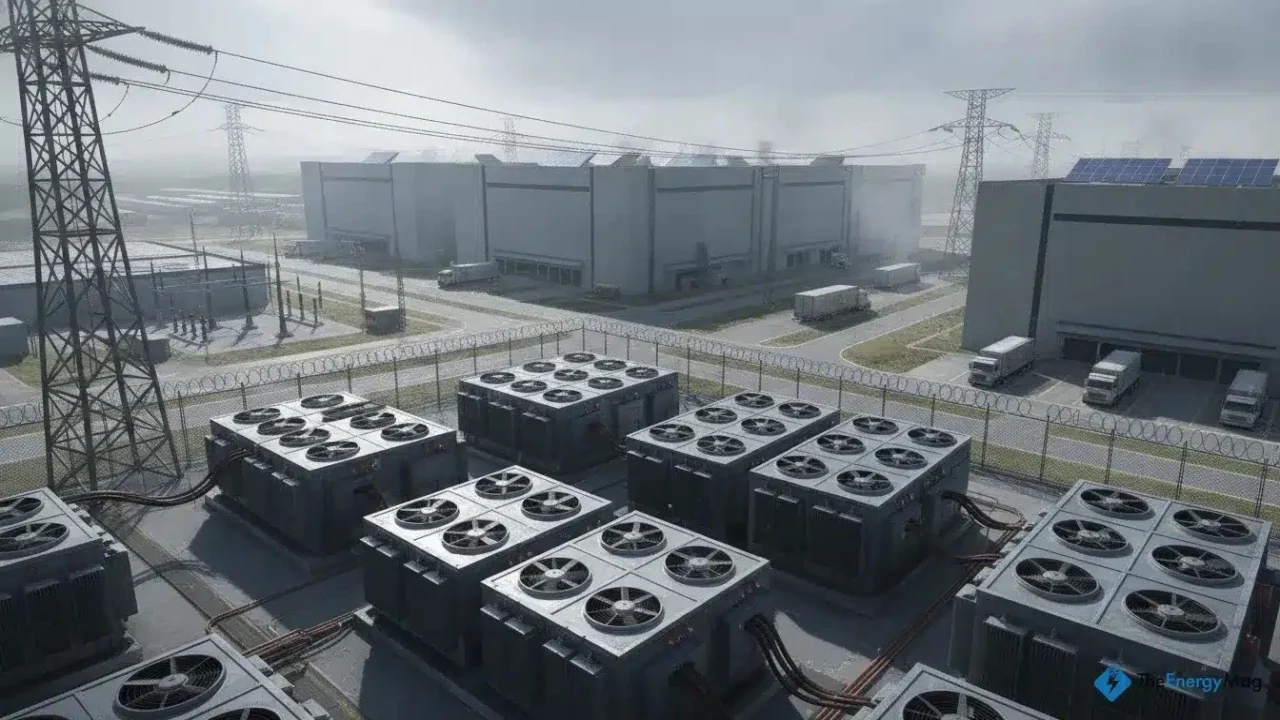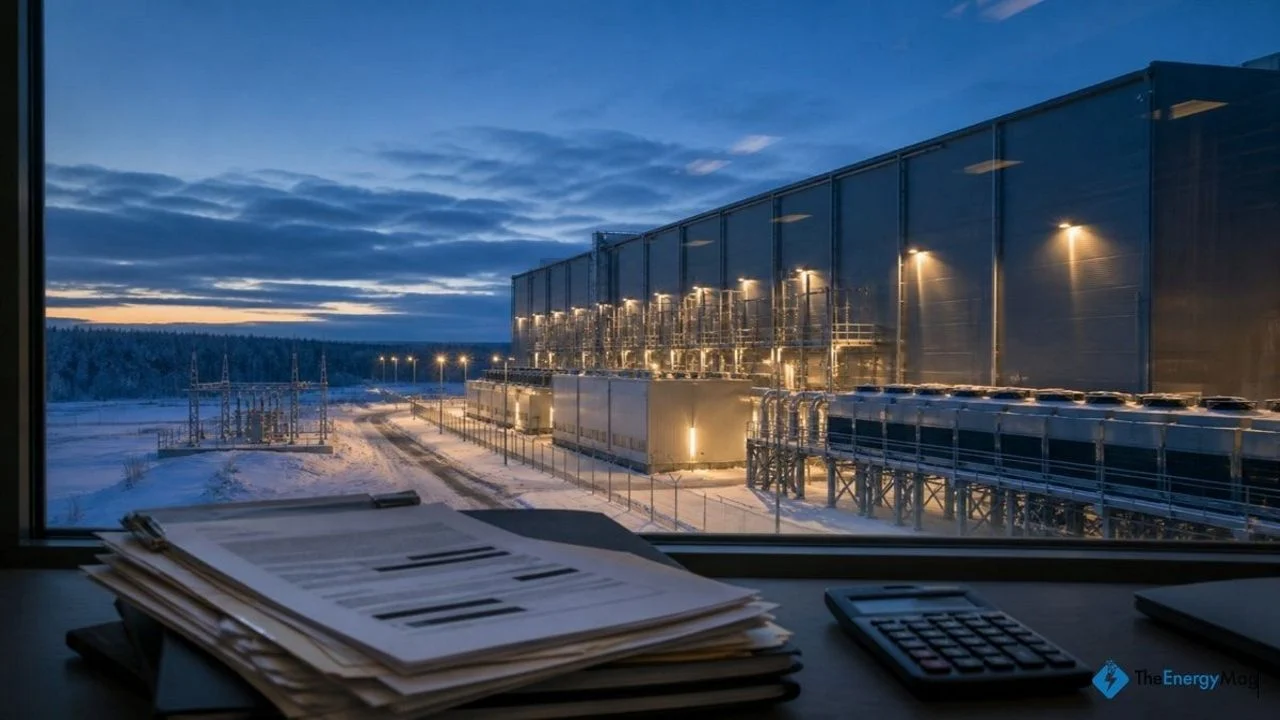
Somewhere in Sweden, a Bitcoin mining operation spent the past year moonlighting as critical energy infrastructure. The facility was activated between 11,245 and 11,247 times for frequency regulation on Sweden’s national grid, delivering roughly 30 GWh of regulation energy. That’s not a typo. A crypto mine got called up to stabilize the power grid more than 30 times a day, on average.
Here’s the kicker: 58% of the operation’s revenue now comes from these ancillary grid services, not from mining Bitcoin.
How a Bitcoin mine becomes a power plant in reverse
The operation runs under Flexionics Energy AG, a Swiss firm that specializes in converting computing infrastructure into prequalified assets for energy reserve markets.
The facility operates with approximately 14 MW of flexible capacity. When Sweden’s grid needs stabilization, the miners can throttle their power consumption up or down in real time.