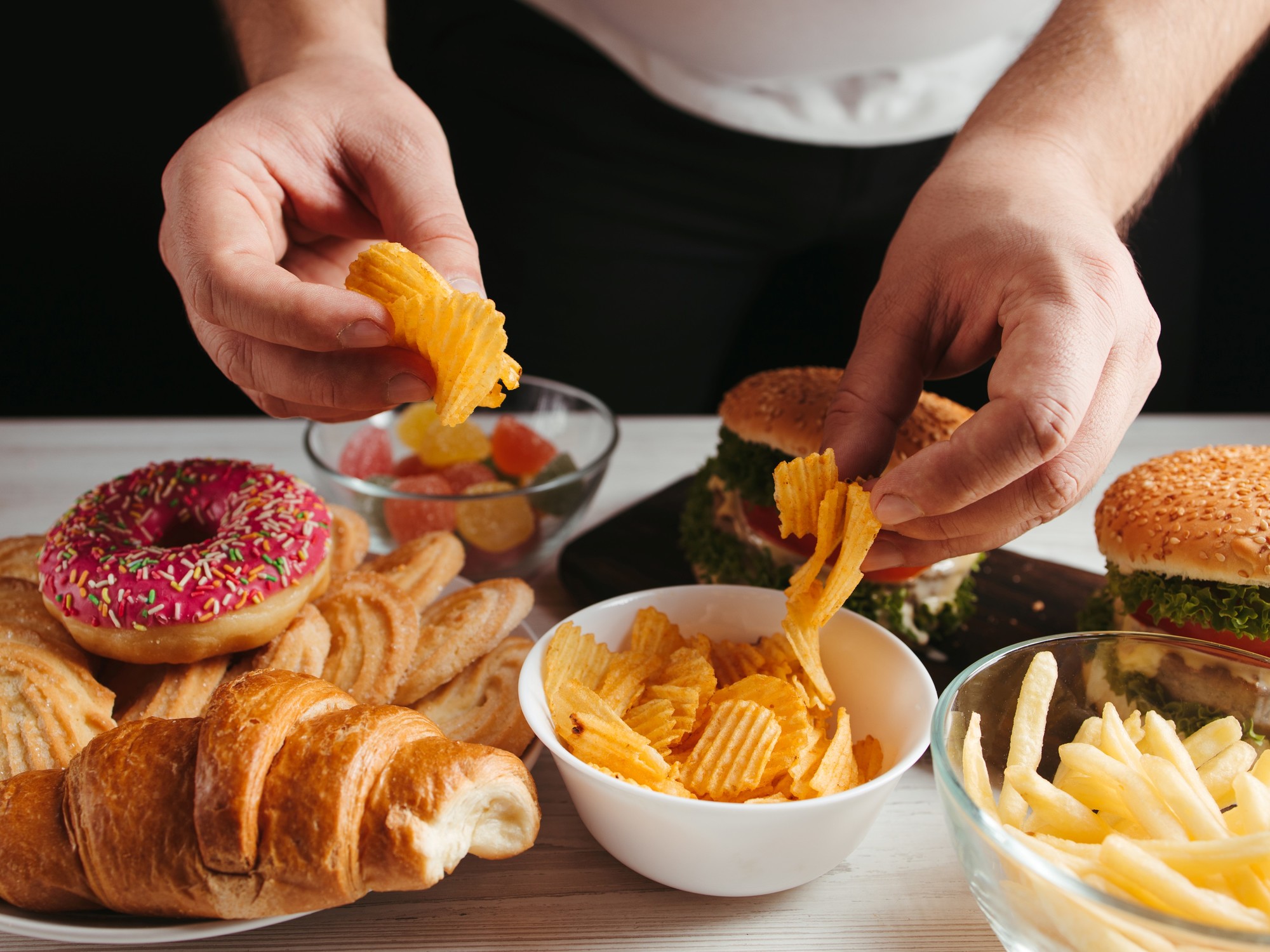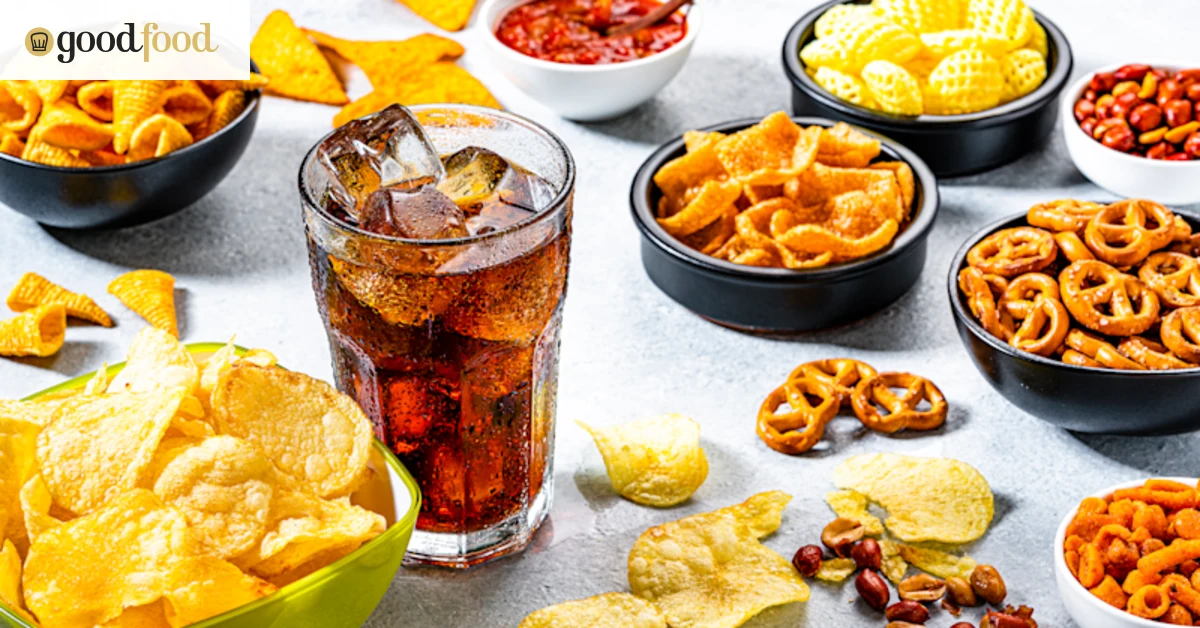
Researchers followed more than 10,000 adults for a decade and found higher dementia risk among those who got at least 28% of their daily calories from ultra-processed foods, including sugary drinks, packaged snacks and processed meatsynet|A diet high in ultra-processed foods may increase the risk of dementia, according to research that adds to growing evidence linking packaged, industrially produced foods to long-term health problems.The study, published in JAMA Neurology, followed 10,775 adults over 10 years. Participants, whose average age was 51, reported their eating habits and calorie intake, and later underwent a series of cognitive tests designed to measure changes in brain function over time.GalleryA diet high in ultra-processed foods may increase the risk of dementia (Photo: Shutterstock)Researchers found that people who got 28% or more of their daily calories from ultra-processed foods had a higher risk of dementia. In a 2,000-calorie-a-day diet, that amounts to about 400 calories from such foods.Ultra-processed foods are generally industrial products made from ingredients such as refined oils, fats, sugars, starches and protein isolates, often with added flavorings, colorings, emulsifiers and other additives. They usually contain little or no whole food.Examples include sugar-sweetened drinks, packaged cookies, breakfast cereals made from refined grains, chips, pretzels, bacon, hot dogs and other processed meats.Nutrition experts say the concern is not necessarily an occasional snack, but the regular replacement of fresh, nutrient-rich food with heavily processed alternatives.“If a food is easy, inexpensive, packaged and lasts on the shelf for years, or includes artificial colors, flavors or synthetic additives, it may be an ultra-processed food,” said Jackie Newgent, a registered dietitian and author of The Clean & Simple Diabetes Cookbook.Previous studies have linked ultra-processed foods to cancer, premature death and heart disease (Photo: Niloo / Shutterstock)Amit Sachdev, director of the division of neuromuscular medicine at Michigan State University, said ultra-processed foods are generally less healthy than fresh foods and may contribute to poorer overall health, which in turn affects the brain.Previous studies have linked ultra-processed foods to cancer, premature death and heart disease. Other research has also connected them to cognitive decline. A study published earlier this year in the American Journal of Public Health found that people who ate the most ultra-processed foods had a 58% higher risk of developing dementia and a 46% higher risk of cognitive impairment compared with those who ate the least.One possible explanation is inflammation. Research has shown that regular consumption of ultra-processed foods may be associated with higher levels of inflammation in the body and brain. Brain inflammation is considered one of the factors involved in dementia, a broad term for decline in memory, thinking and decision-making severe enough to interfere with daily life. Alzheimer’s disease is the most common form.(Photo: Shutterstock)Higher intake of ultra-processed foods has also been linked to increased levels of C-reactive protein, a marker of inflammation, according to research published in The American Journal of Medicine.Experts stress that the findings do not mean every packaged food must be eliminated completely. Instead, they recommend limiting ultra-processed foods and making fresh, whole foods the foundation of the diet.“What you eat really does matter, for the brain and the body,” Sachdev said.Newgent said the most realistic goal for many people is reduction rather than total avoidance.“You can occasionally enjoy a handful of pretzels or chips,” she said. “The key is a handful, not a bowlful, and occasionally, not daily.”Researchers say more work is needed to understand exactly which components of ultra-processed foods may be harmful to the brain and how they affect long-term cognitive health. For now, experts say the broader message is clear: a healthier diet supports a healthier brain.
Just 400 calories a day of ultra-processed food may lead to higher dementia risk
Researchers followed more than 10,000 adults for a decade and found higher dementia risk among those who got at least 28% of their daily calories from ultra-processed foods, including sugary drinks, packaged snacks and processed meats
600 words~3 min read