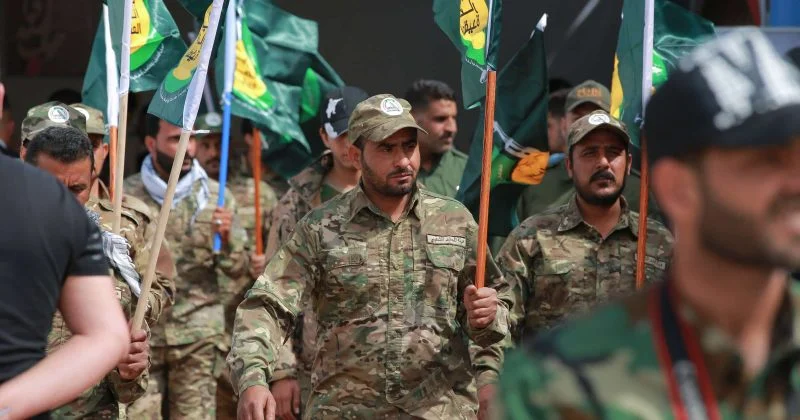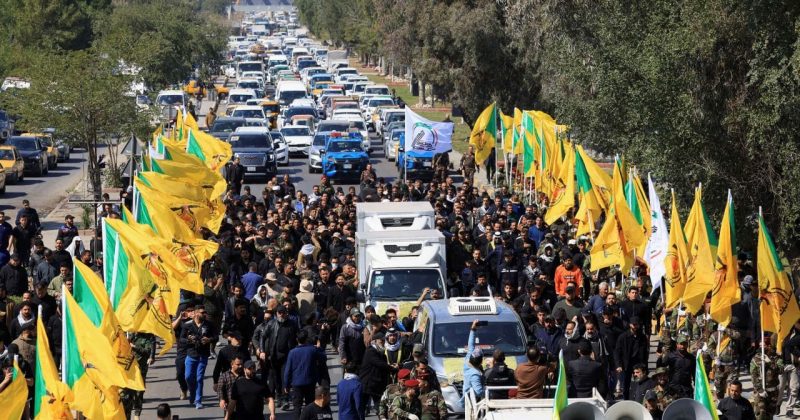
Iraq has agreed to halt the transfer of dollars to militias backed by Iran at the behest of the United States. This development comes as part of the ongoing U.S.–Iran conflict over influence in Iraq, where the U.S. has been pressuring Baghdad to curb the activities of Tehran-aligned armed groups. The decision to block a nearly $500 million dollar shipment, tied to Iraqi oil revenues held at the Federal Reserve Bank of New York, marks a significant step in economic coercion, aimed at weakening Iran’s military capacity indirectly through the Iraqi state. This move is seen as a strategic escalation, suggesting that direct deterrence alone is no longer deemed sufficient by the U.S.
Key Takeaways
The halt in dollar flows appears to be a strategic move by the U.S. to apply economic pressure on Iran-backed militias through Iraq.
This action is consistent with scenarios where Iranian military capacity is perceived to be reduced, influencing market perceptions.
Market pricing suggests a decrease in the likelihood of Iran charging Hormuz fees, as reflected in the odds for related prediction markets.