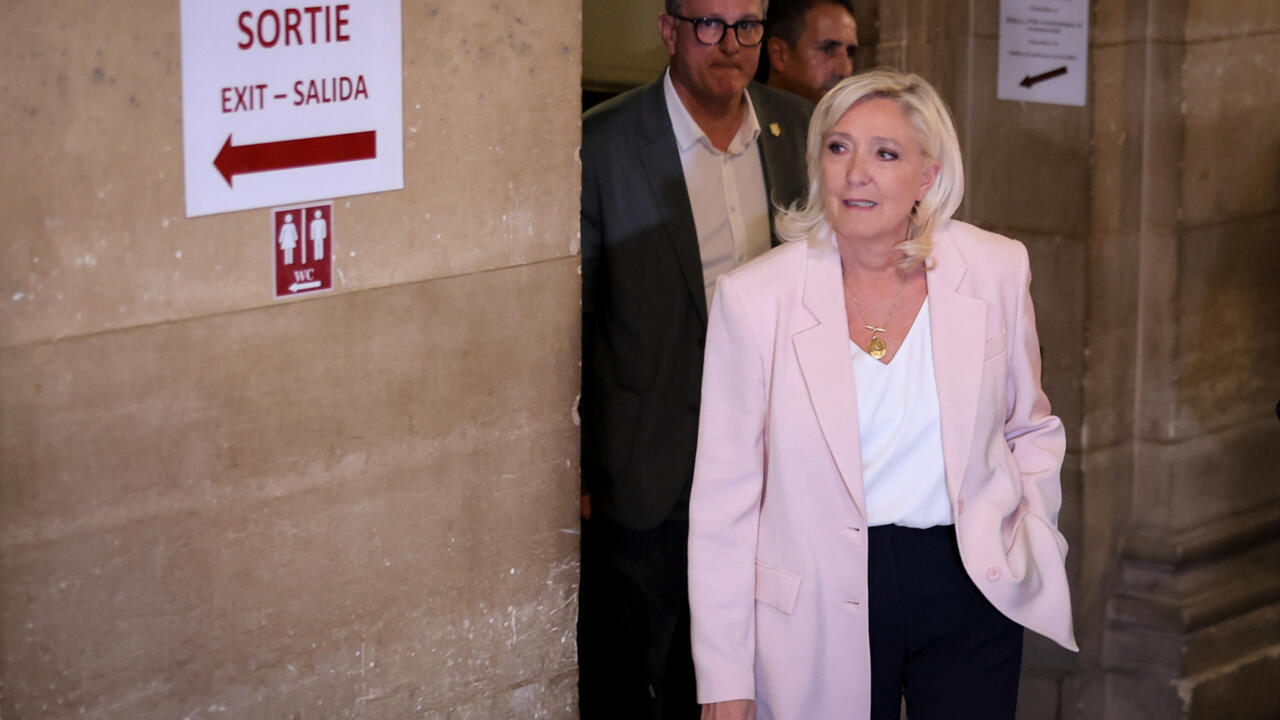
Few expected the Paris appeal court to clear a path back to presidential politics for Marine Le Pen on Tuesday. When judges first convicted her last year of diverting European Parliament money to pay party workers in France, the accompanying disqualification from public office appeared to have settled the question of who would carry the far right’s banner into next spring’s election. Her party had adjusted accordingly. Jordan Bardella, its 30-year-old president, was being groomed for the top of the ticket, and Le Pen herself had lately spoken as though her role would be that of loyal supporter rather than standard bearer.Tuesday’s judgment changed all that. While confirming her guilt, and restating in stern terms the seriousness of a fraud that ran for over a decade, the court substantially softened the penalties. The period of ineligibility was cut so sharply that it has, in practice, already elapsed. What remained was a requirement that she spend a year under curfew wearing a monitoring device, a condition she had long insisted was incompatible with seeking the presidency. Within hours she had found her escape route, lodging a further challenge before France’s supreme judicial authority. That step freezes the punishment until a definitive ruling, and by nightfall she had confirmed she would seek the Élysée for a fourth time, with Bardella recast as her intended prime minister.Democracies should be wary of settling political contests in courtrooms, and the original penalty had drawn criticism well beyond the far right. Yet the spectacle of a twice-convicted politician campaigning for the country’s highest office while her final appeal is pending raises uncomfortable questions of its own, not least about what happens if the supreme court rules against her in the campaign’s closing weeks.Le Pen evidently calculates that a narrative of persecution will energise her supporters. She may be proved correct. But opinion polls suggest most French voters regard her prosecution as justified, and the moderate conservatives she needs in order to prevail in a second round are precisely those most likely to be repelled by an anti-judicial crusade in the Trumpian style. Her party leads the field comfortably, aided by a fragmented and uninspiring opposition. But she has twice reached a run-off before and has been beaten on both occasions. Some polling indicates her younger colleague would have been the more formidable nominee.France now faces ten months in which the boundary between electoral politics and criminal justice will be blurred and contested daily. Whoever ends up reaping the benefit, that is a far from healthy place for one of the world’s great democracies to find itself.
The Irish Times view on French politics: Le Pen bounces back
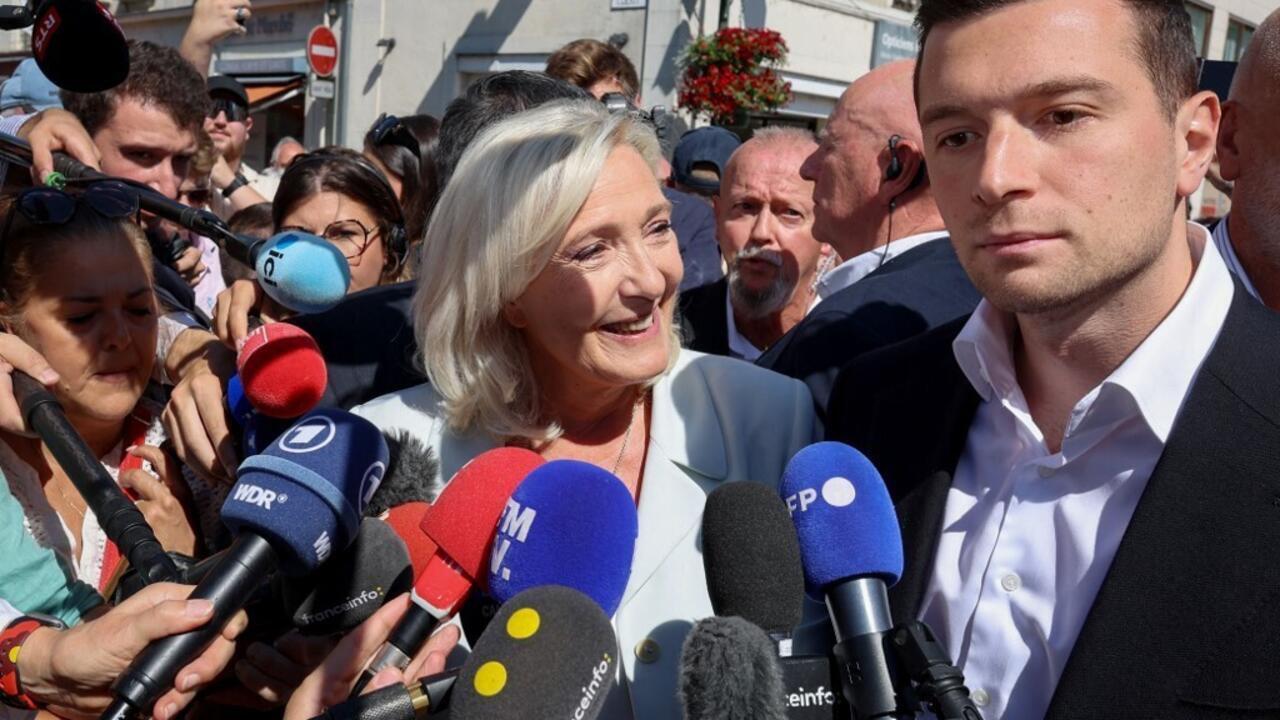
Some polling indicates her younger colleague would have been the more formidable nominee
430 words~2 min read