New York City’s congestion pricing program has been sold, and fought over, almost entirely for its ability to clear traffic out of Manhattan. A new NBER working paper points to a benefit that rarely comes up in that fight: faster ambulances, plus a wider list of externalities the public debate tends to leave out.
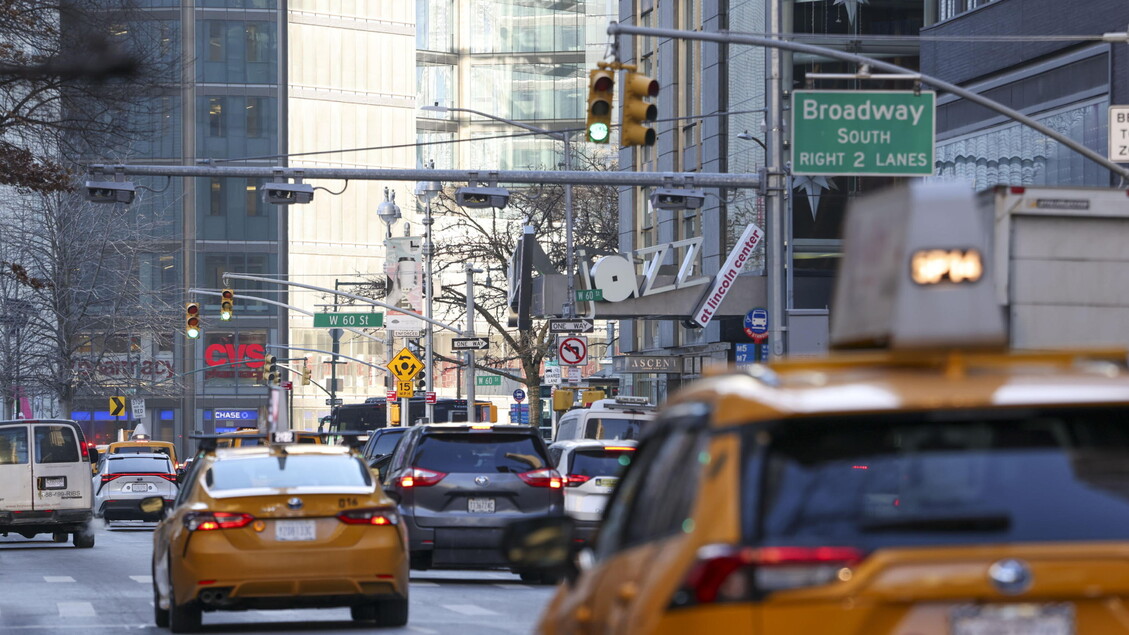
The paper, released this month by six economists including Brad Humphreys of West Virginia University, draws on roughly 1.6 million EMS incidents citywide, narrowed to a Manhattan sample near the boundary for its main results. It finds total EMS travel time inside the congestion relief zone fell 63–70 seconds, or by roughly 5%–6%, after the toll took effect on Jan. 5, 2025. The economists measured the impact by comparing ambulance runs on either side of 60th Street (where the congestion zone starts or ends depending on how you’re looking at it) rather than the zone against the rest of the city over time.
“Our research design is sort of spatial,” Humphreys told Fortune. “We match EMT trips on either side of 60th, above and below, in and out of the congestion zone, because they should be really similar in terms of other characteristics of whatever’s going on with those emergency calls.”