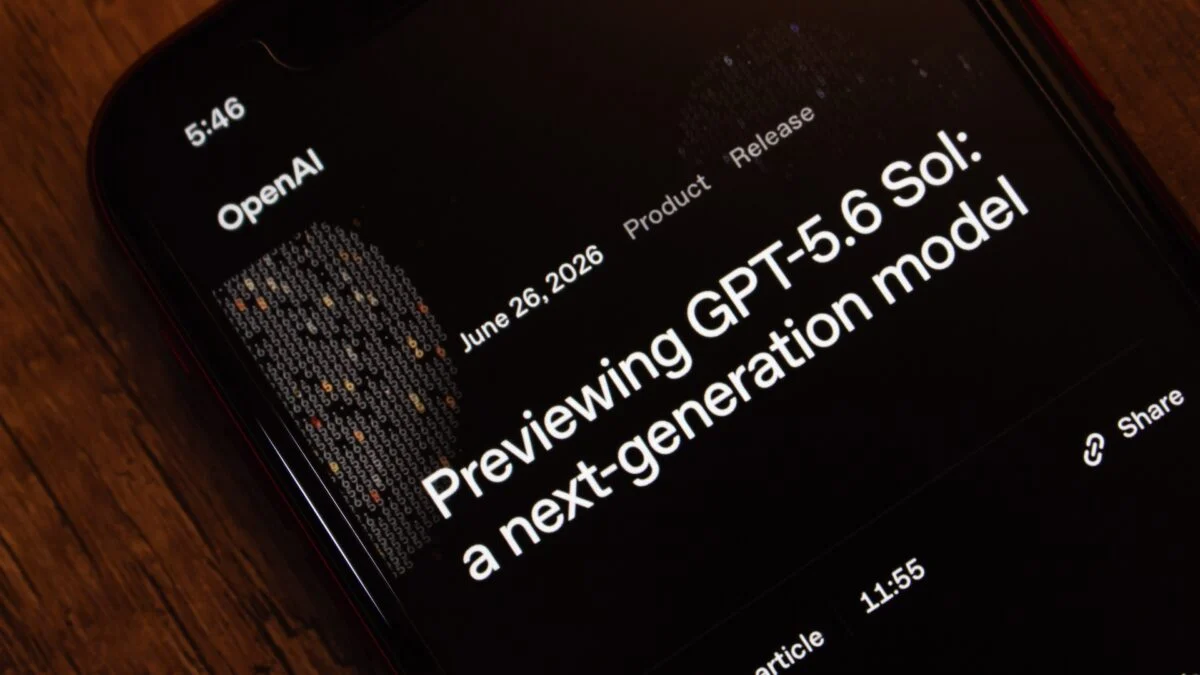
As enterprises struggle to manage their AI strategies, the US AI regulatory environment is sending a wide range of contradictory signals. OpenAI’s Wednesday announcement that it will now release GPT-5.6 Sol, along with Terra and Luna, on Thursday highlights the confusion.
Initially, the US government said that it was asking OpenAI to limit access to its top models, including the three releasing Thursday, to a short list of companies. OpenAI seemingly agreed and held back their general availability.
But on Wednesday, OpenAI reversed its position, with a statement on X saying simply: “GPT-5.6 Sol, along with Terra and Luna, will launch publicly this Thursday. We’re expanding preview access globally now.” No details were released about the extent of the expansion.
Then the White House issued a statement, a copy of which it emailed to InfoWorld, saying that the US government “did not give OpenAI a ‘green light,’ approval or clearance to release its models. No such permission is required or granted. The Administration does not provide approvals for private companies to release AI models – decisions on timing and scope of releases rest entirely with the companies.”
The statement then quoted from the June 2 White House executive order that said, “nothing in this section shall be construed to authorize the creation of a mandatory governmental licensing, preclearance, or permitting requirement for the development, publication, release, or distribution of new AI models, including frontier models.” It also said, “any testing or meetings with government experts is voluntary. Participation is not required to release a model.”