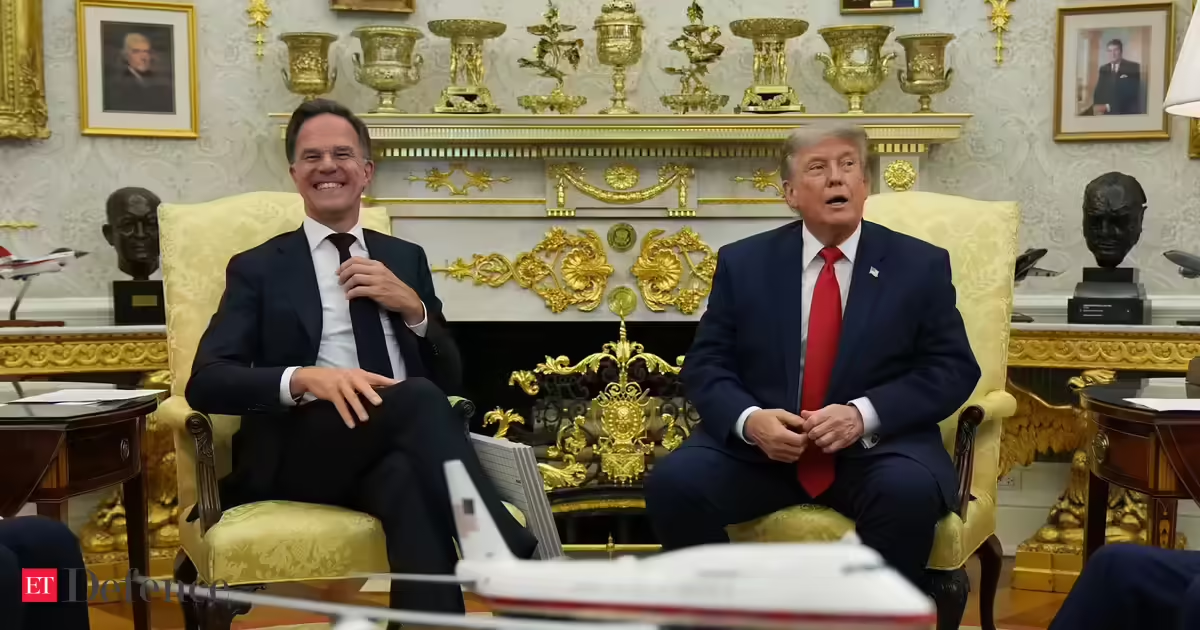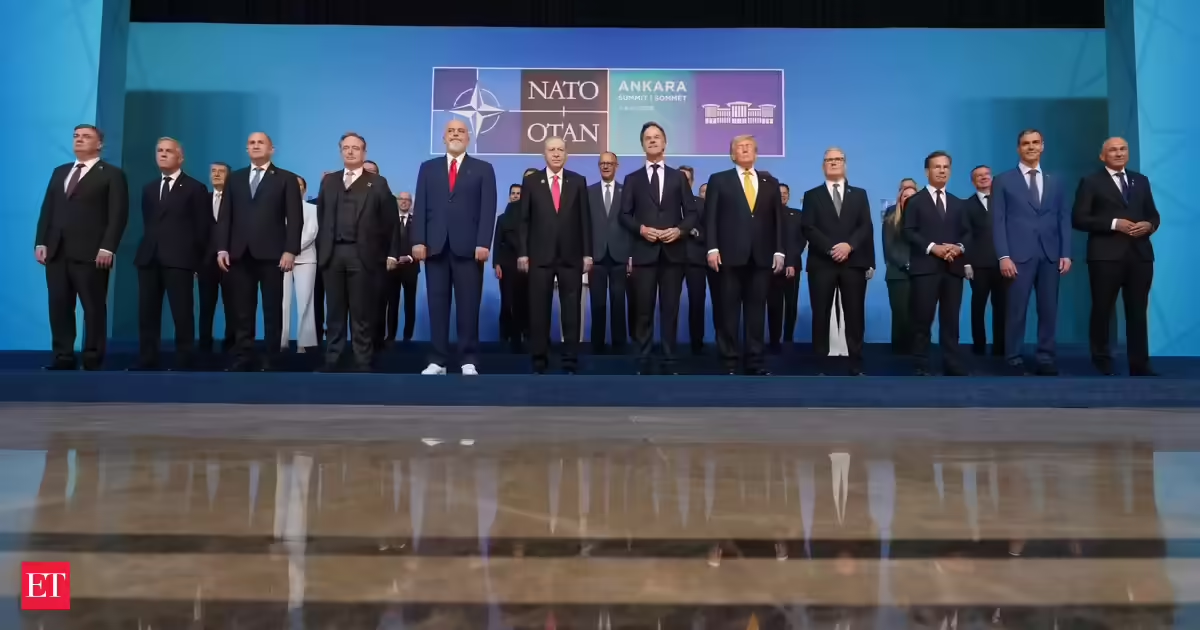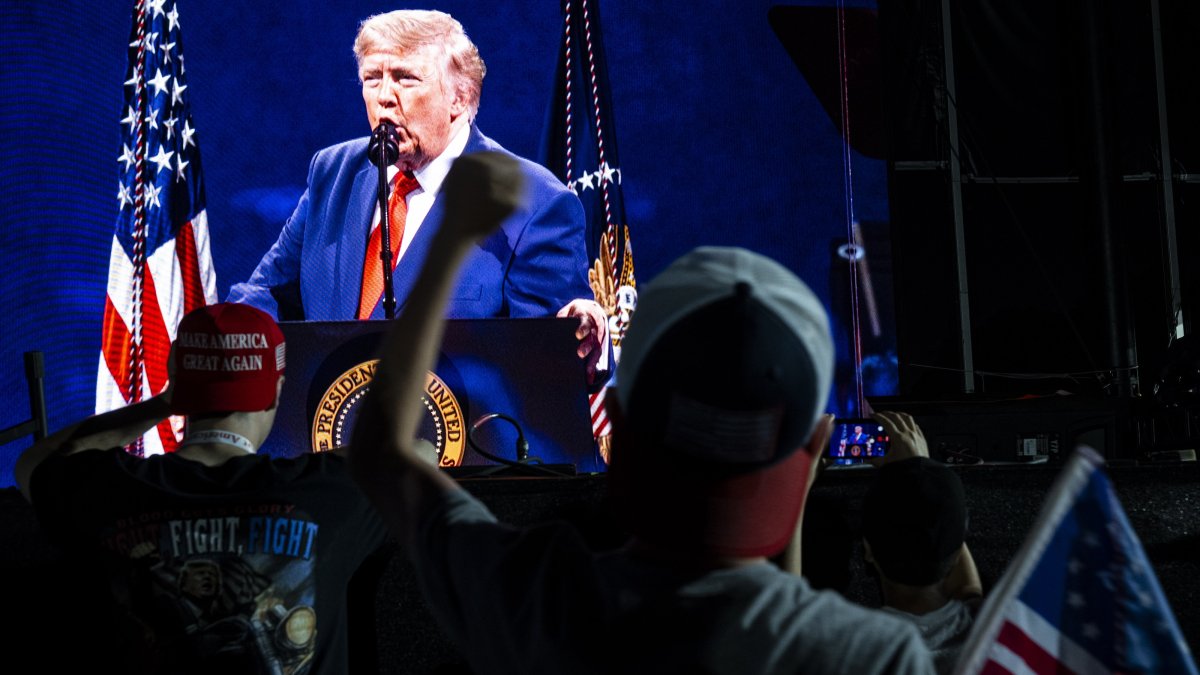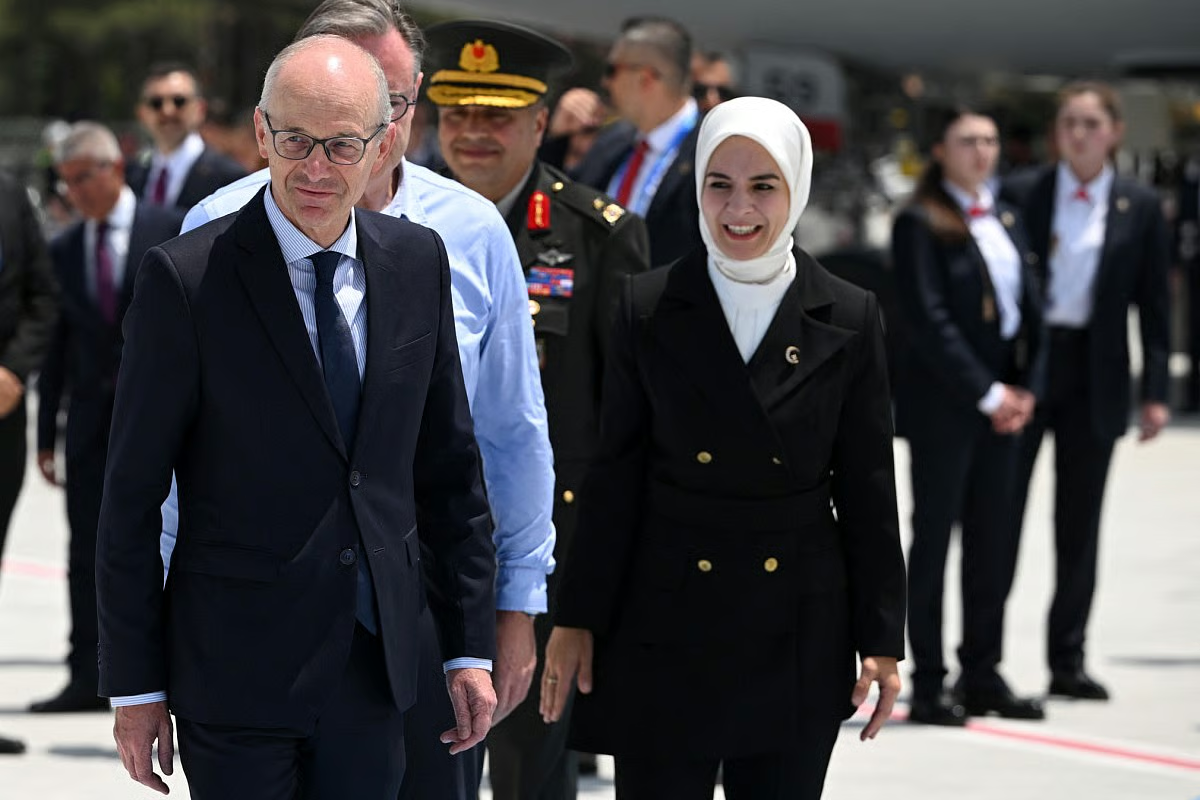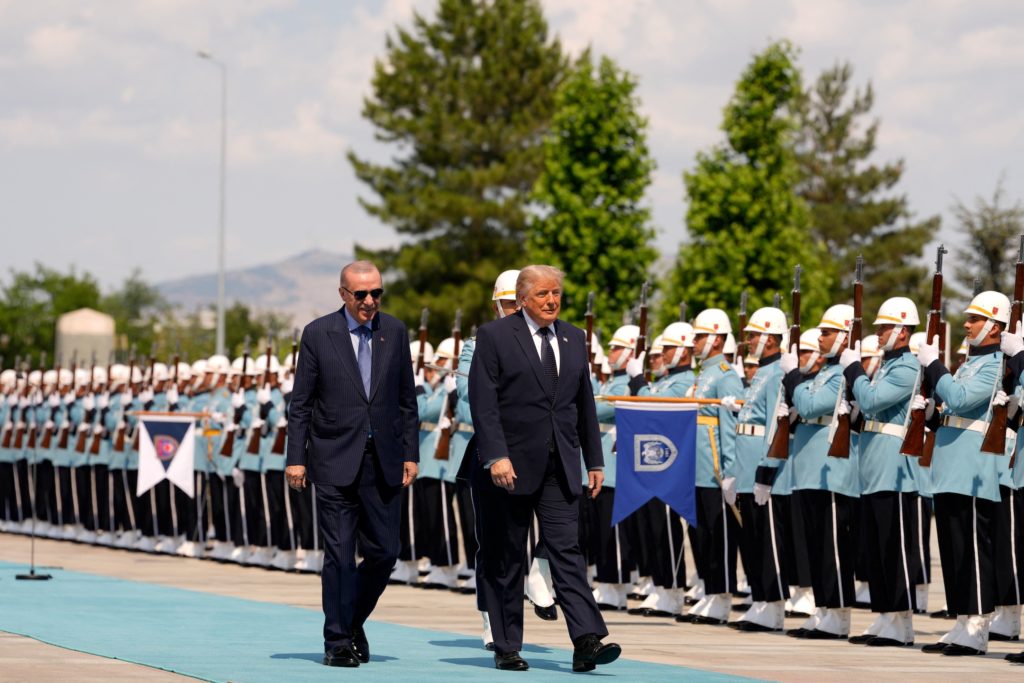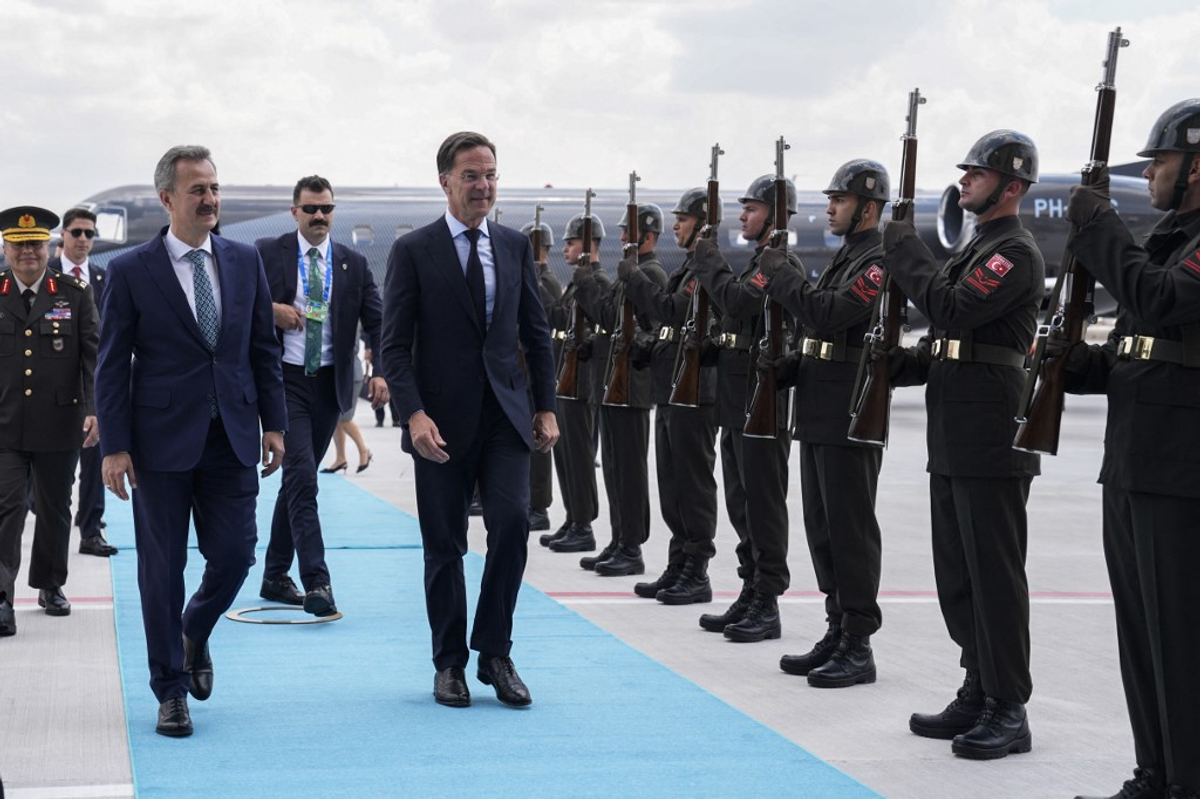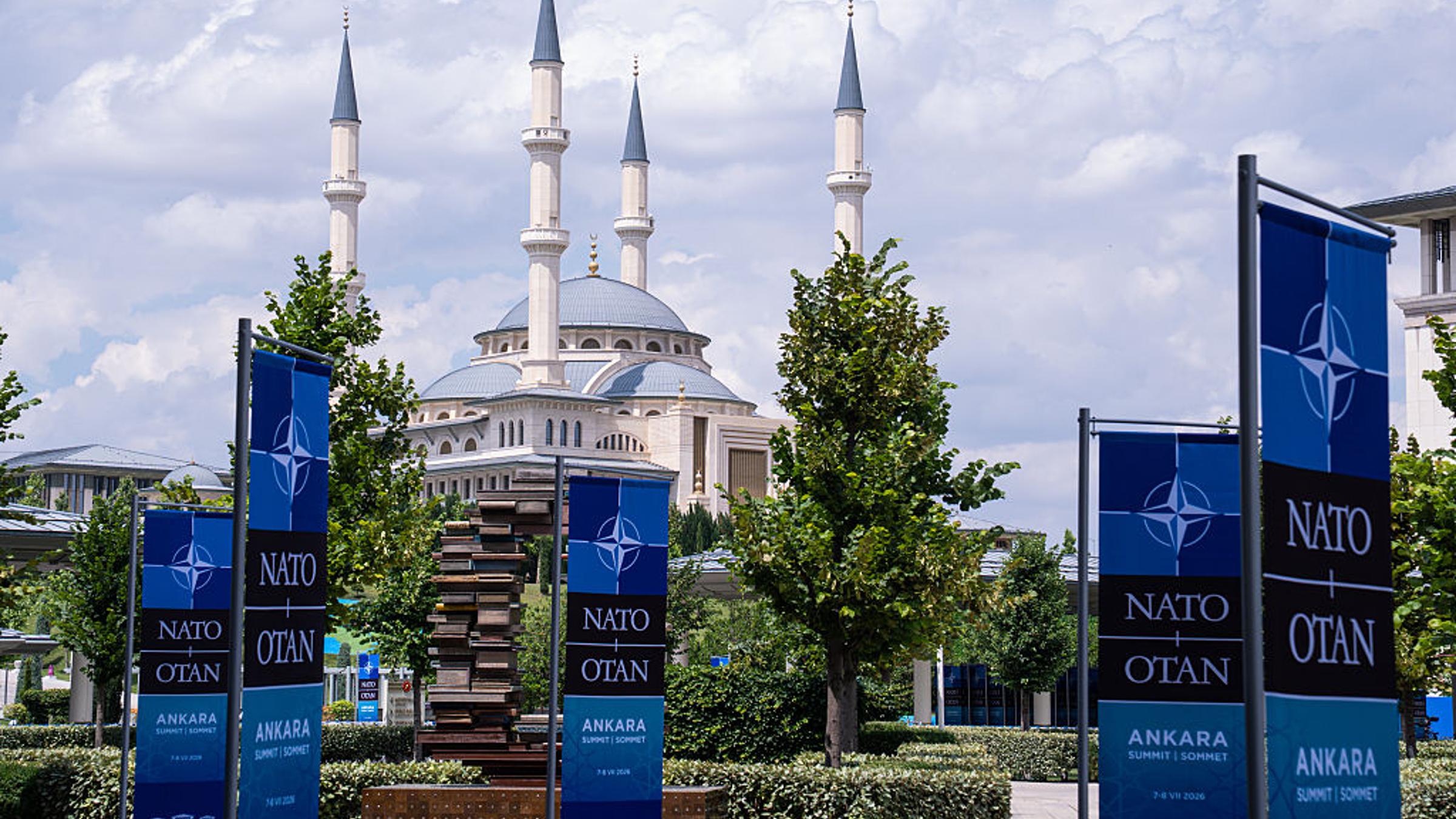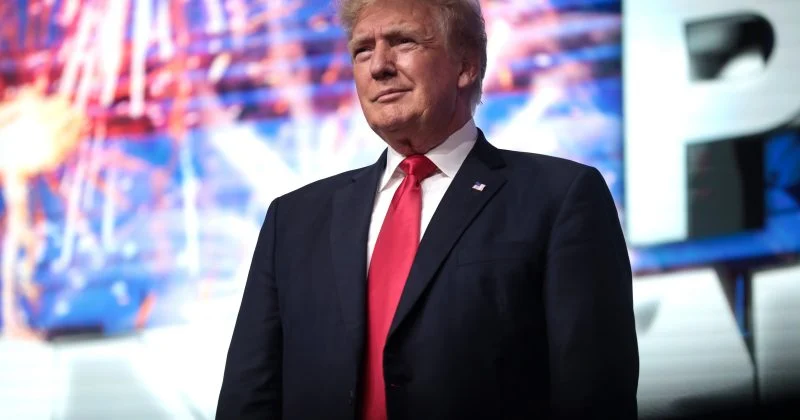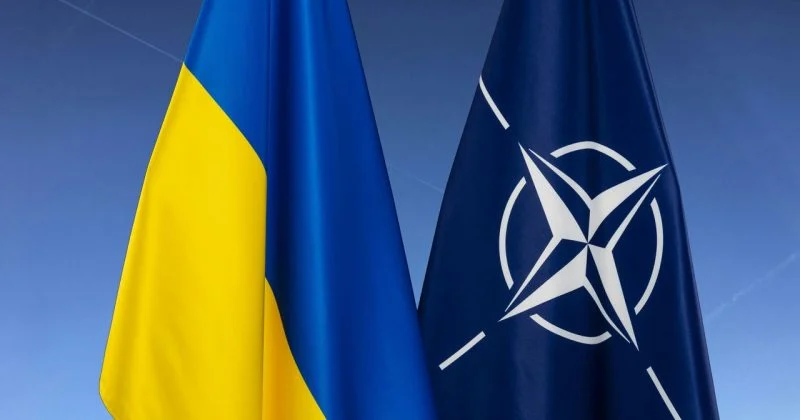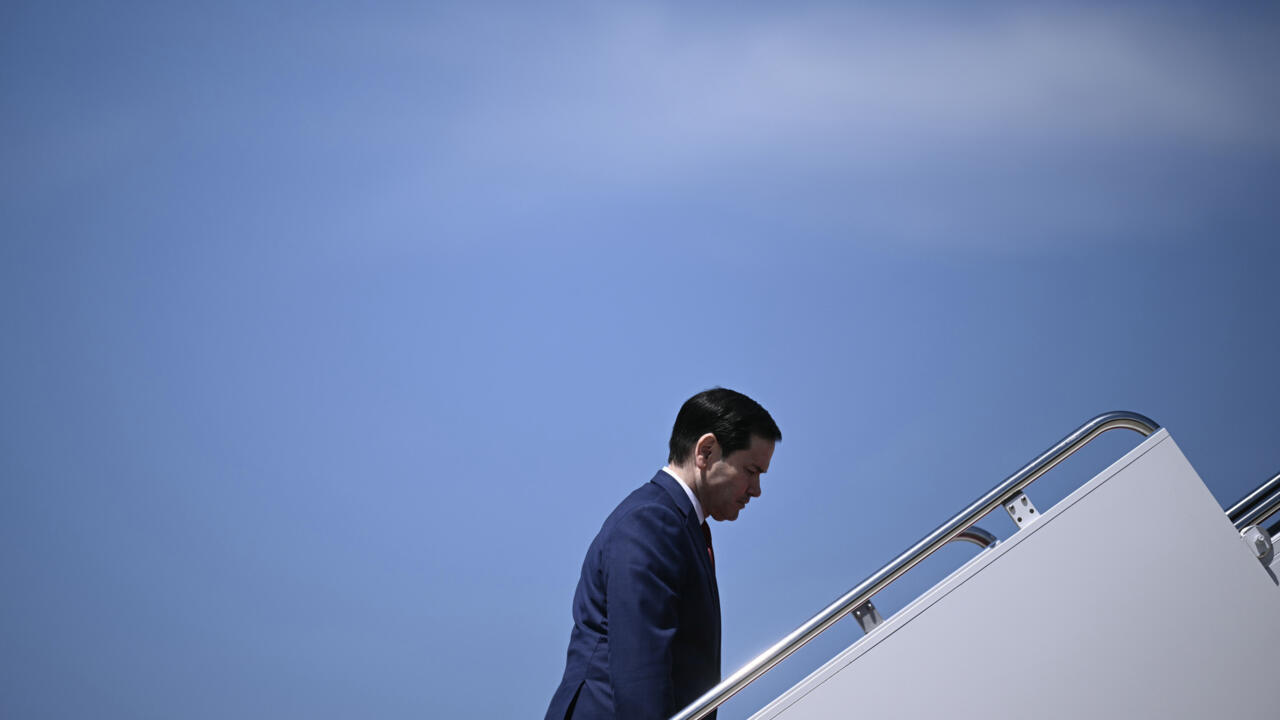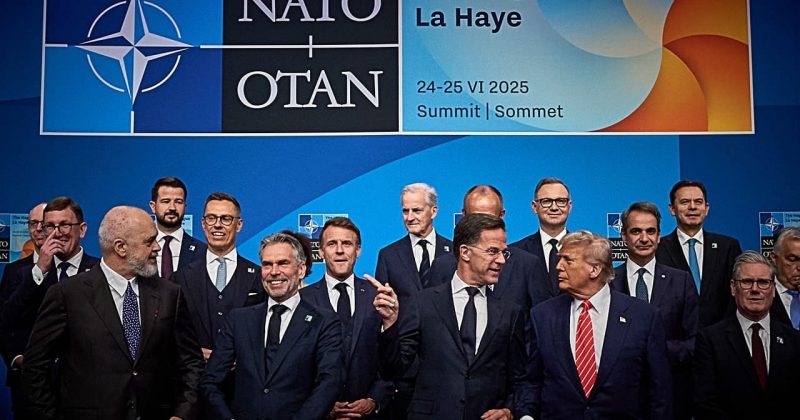
The recent NATO summit in Ankara has highlighted increasing tensions between Europe and the United States. Under President Trump, the U.S. appears to be distancing itself from European security commitments, coinciding with rising conflicts in Iran and Ukraine. This shift comes amid U.S. troop withdrawals from Germany and demands for European countries to take primary responsibility for their security. The summit’s revelations suggest a potential reorientation of NATO’s strategic posture and increased transatlantic friction.
Market participants have taken note of the developments, which appear to indicate escalating tensions between the U.S. and Russia. The probability of a military clash between the two nations by the end of 2026 remains low, currently priced at 5.8% YES. However, the summit’s outcomes may suggest an increased likelihood of such a scenario, reflecting a departure from previous stability in U.S.-European relations. The market for a potential NATO-Russia military clash is similarly affected, with current odds at 17.5% YES.
Key Takeaways
The NATO summit in Ankara appears to highlight a growing rift between the U.S. and Europe, with strategic implications for NATO.
Current market pricing suggests a low probability of a U.S.-Russia military clash, but developments may indicate increased tensions.