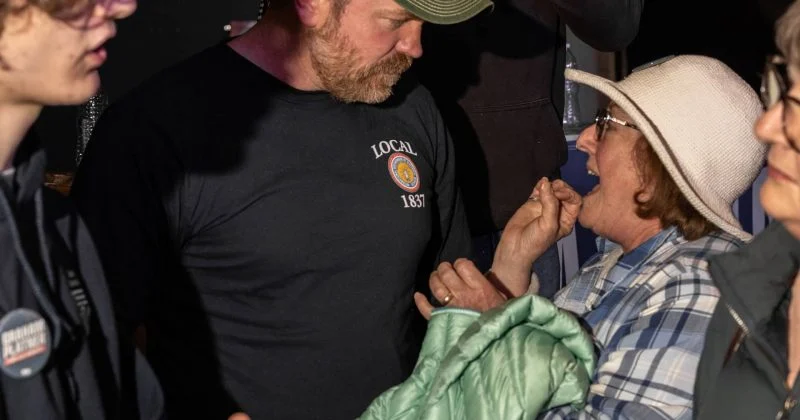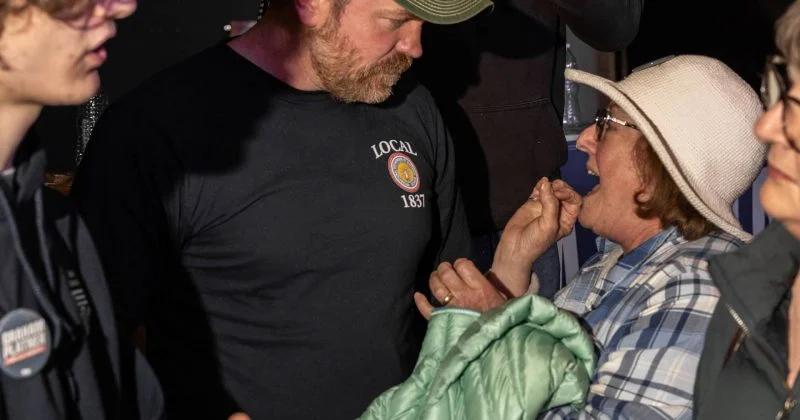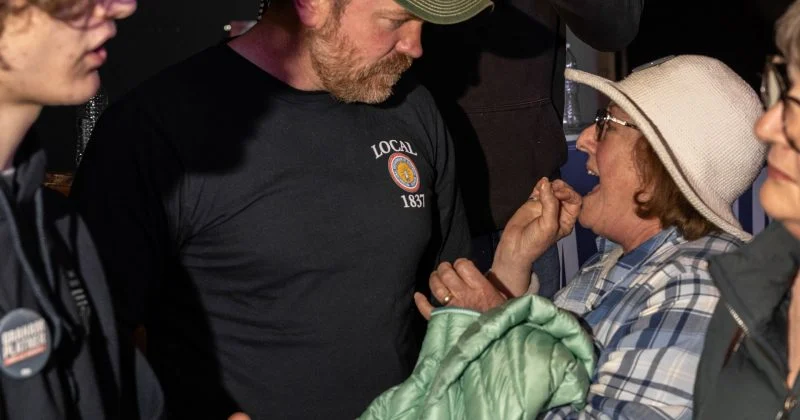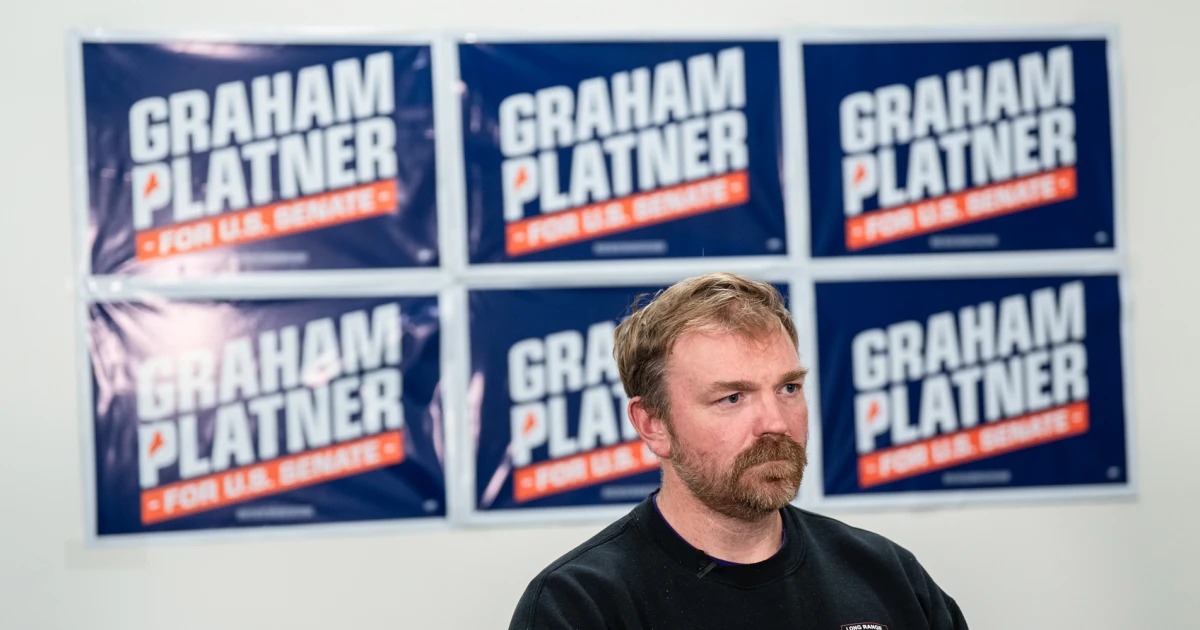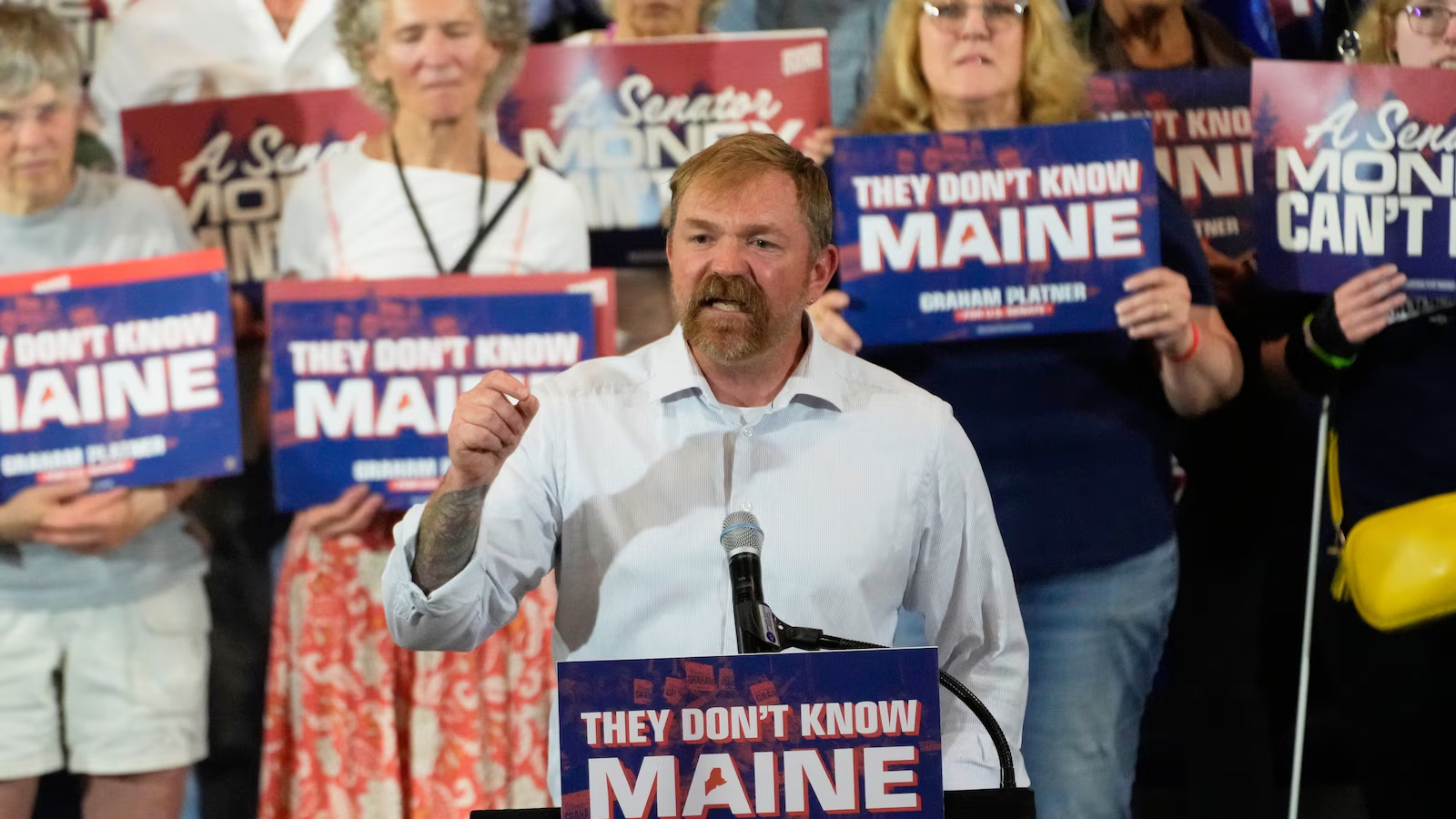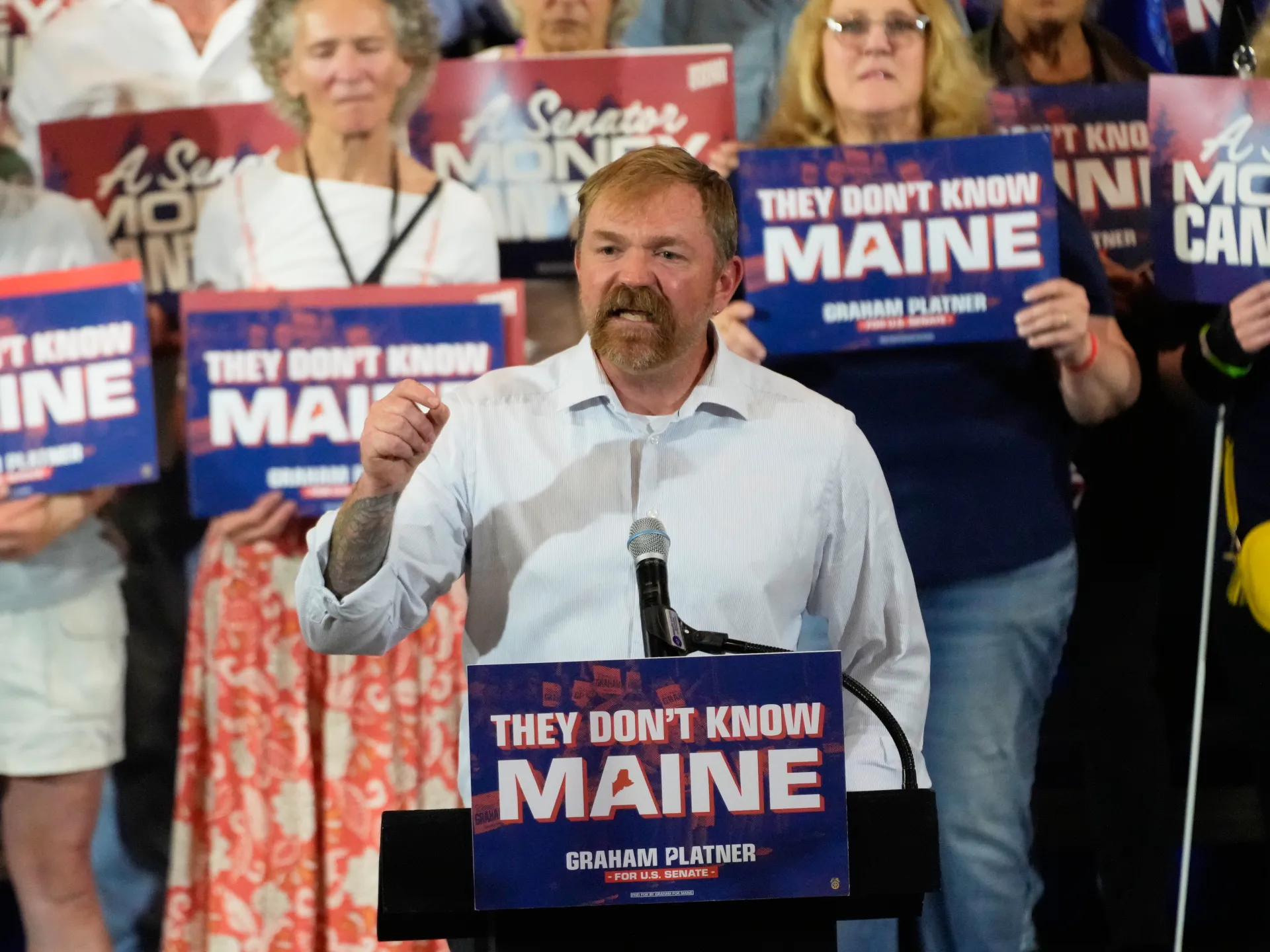
The Platner campaign responded to accusations of trying to influence the potential replacement process by saying it simply wants to "understand what this process would look like."Show Caption
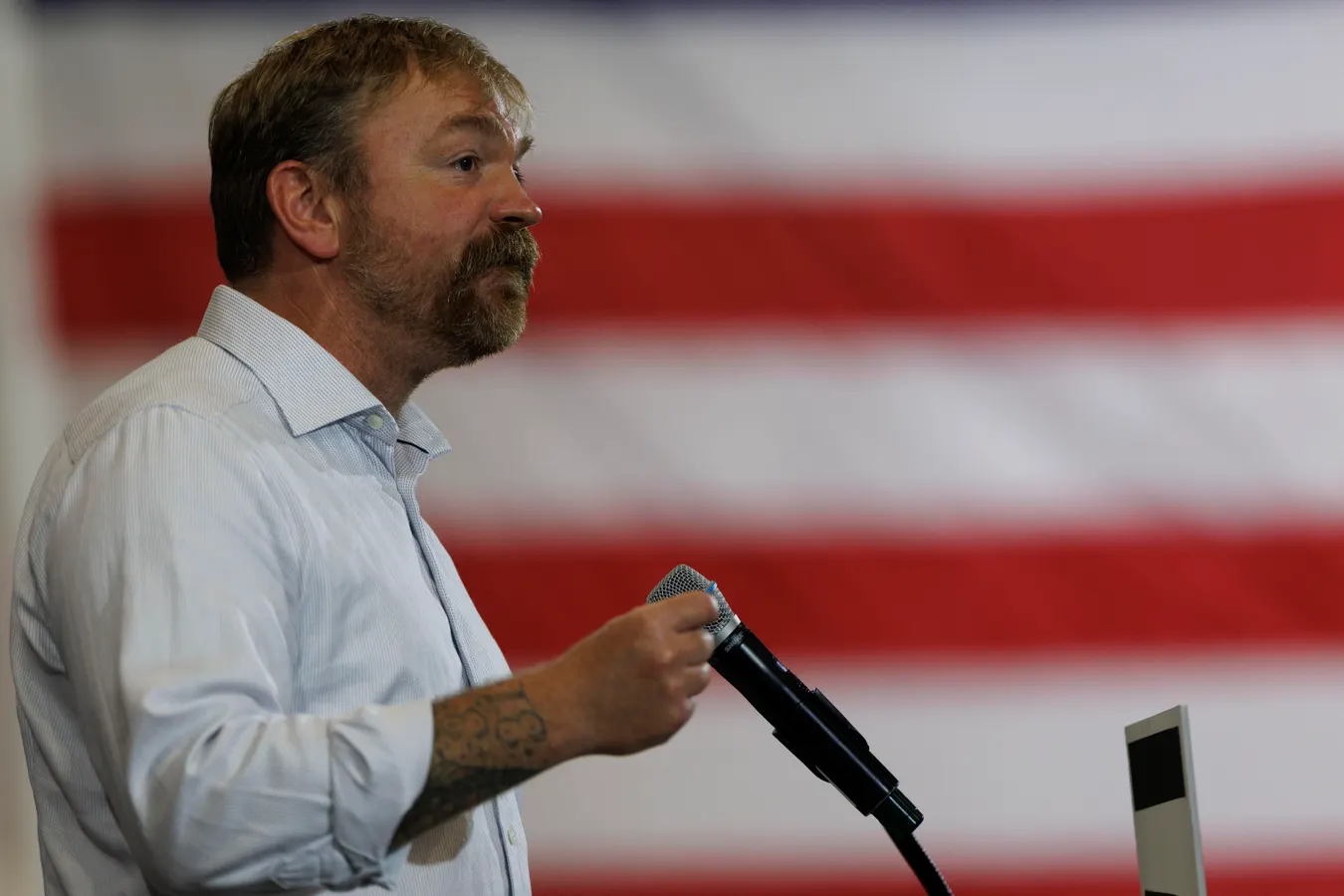
WASHINGTON – As Graham Platner mulls an exit from the high-stakes Maine Senate race amid a sexual assault allegation, his campaign is sparring with state Democrats accusing him of trying to unfairly influence the candidate-swap process.Devon Murphy-Anderson, the executive director of the Maine Democratic Party, said in a July 7 video statement that the Platner campaign repeatedly reached out to the organization "in an attempt to put their thumb on the scale" of the next steps. The statewide party may consider a range of options if Platner drops out, from a caucus to an internal election, pop-up convention or more informal internal deliberations, according to political experts."We have repeatedly reiterated to Graham Platner's team that they have no role in determining our next Democratic nominee for the U.S. Senate, nor in determining what this process looks like," Murphy-Anderson said.In response, Platner's campaign said in a statement that while it contacted the party to "try and understand what this process would look like," Platner is not trying to unduly influence the outcome."While Graham wouldn't want to be a part of the process, he would want to make sure the voters and volunteers make this decision – not the political establishment," the statement said.The back-and-forth risks derailing sensitive negotiations in the Pine Tree State that will determine who could appear on the ballot in Platner's place. The clash underlined just how much power the statewide party has over the merely weekslong candidate-swapping window – and therefore, potentially, Senate Democrats' narrow path in the midterm elections back to the majority.Under Maine law, Platner has until Monday, July 13 to drop out. After that, his replacement would need to be decided by Monday, July 27, to make the general election ballot. In the meantime, Maine Democrats have "free rein" in selecting a replacement, said University of Maine political science professor Mark Brewer.Platner has denied the assault allegations, which came from a woman he dated several years ago, saying "any accusation of non-consensual behavior is categorically untrue."Contributing: Nick Penzenstadler and Margie Cullen, USA TODAY NetworkZachary Schermele is the congressional correspondent for USA TODAY. You can reach him by email at zschermele@usatoday.com. Follow him on X at @ZachSchermele and Bluesky at @zachschermele.bsky.social.