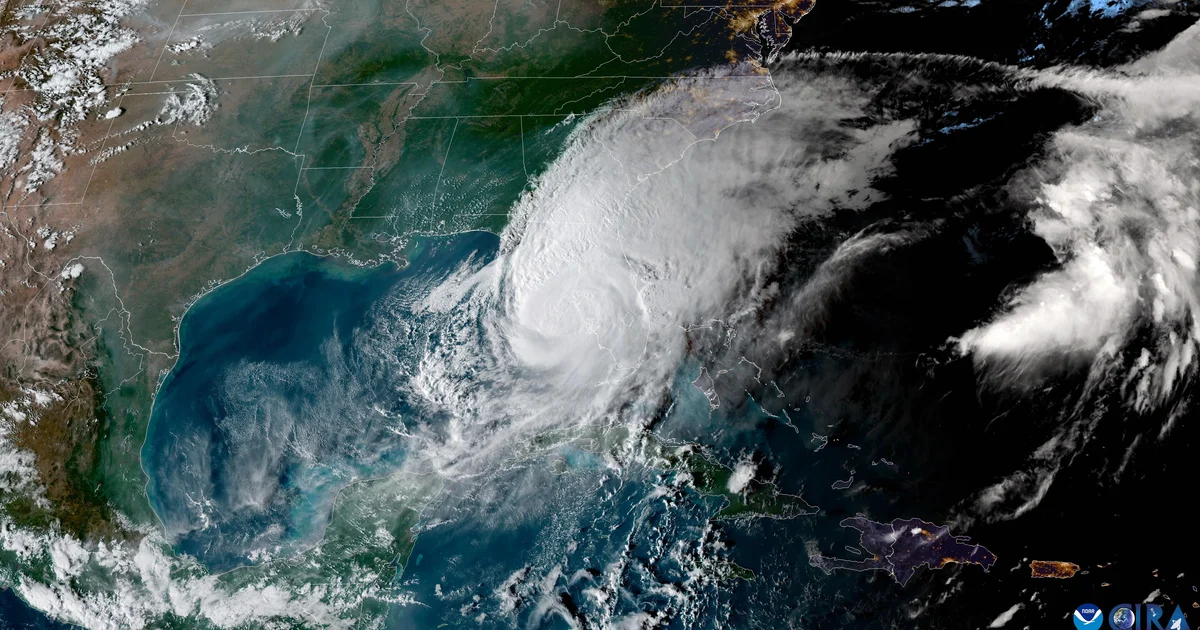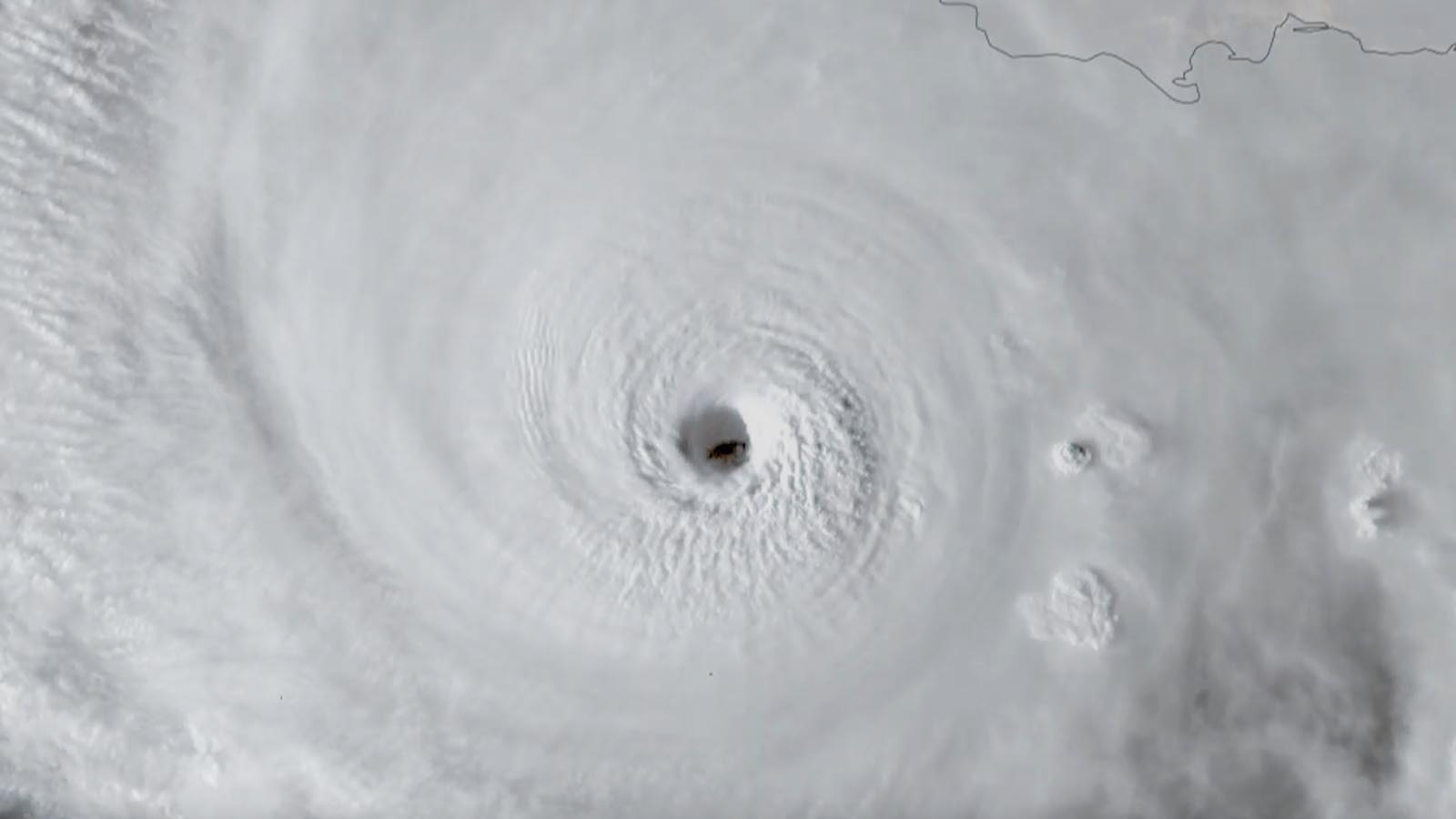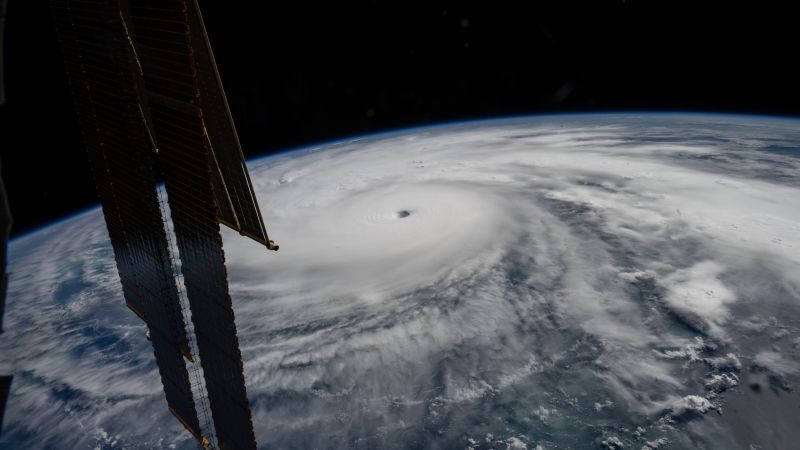
Show Caption
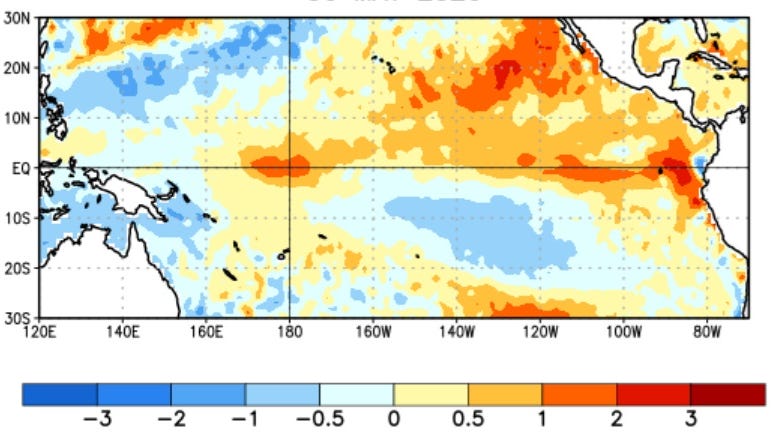
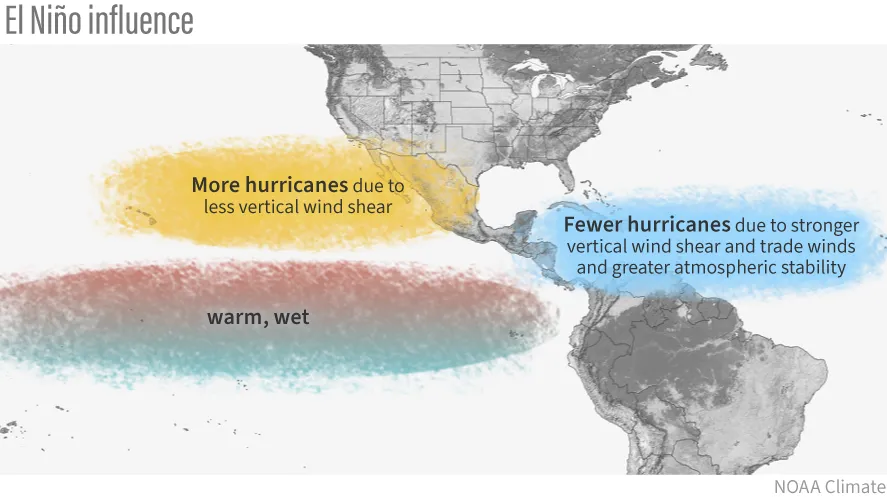
A major update to an influential hurricane forecast says the 2026 hurricane season could be among the calmest in recent memory, thanks to the influence of a powerful El Niño.Meteorologists from Colorado State University on July 8 said they now expect four fewer storms than initially forecast in the April Atlantic hurricane season outlook.They also say the average person shouldn't find much comfort in the new prediction, because any storm that does occur could prove devastating. "Preparations should be made every season, regardless of predicted activity," the new forecast says.But the change means the new forecast calls for a "well below-normal season."While a typical season sees 14 named storms in the Atlantic, only nine are now forecast for this year. An earlier forecast for the 2026 season, in April, predicted that 13 storms would form."We've knocked down our numbers more given the increased likelihood for a strong El Niño," said Colorado State University researcher Phil Klotzbach in an e-mail to USA TODAY."This year, with the high likelihood of a strong El Niño, we don't anticipate much happening in the Atlantic," he said.Low forecast follows busy yearsKlotzbach said that "this is a very low forecast."But it may feel even more unusual because the last decade has seen year-after-year of above average activity, with few exceptions.He said the last season where his team forecast less than 10 named storms was in 2015.What is causing the low forecast?Wind shear is at the center of the prediction.Overall, El Niño’s most prominent mark on the hurricane season is to ratchet up vertical wind shear — "the scissor-like wind pattern that lops off the tops of organizing storm seedlings before they can develop into strong hurricanes," said WPLG-TV hurricane specialist Michael Lowry in an email to USA TODAY.The report says it anticipates "the powerful El Niño being the dominant factor for the upcoming hurricane season, driving high levels of tropical Atlantic vertical wind shear."So far this season, the increase in wind shear is highest in the western part of the tropical Atlantic, especially across the Caribbean Sea, Lowry said, which also helps to reduce the number of U.S. landfalls during El Niño years.And looking ahead, Klotzbach said one model is forecasting the highest August-October wind shear on record across the hurricane main development region in the Atlantic.How likely is a major landfalling hurricane now?In addition, "we are forecasting a well below-average probability for major hurricane landfalls along the continental United States coastline and in the Caribbean," Colorado State forecasters said. There's now only a 17% chance of a major U.S. hurricane landfall, well below the average of 43%.Specifically, the Gulf Coast has a 10% chance of a major landfall, while the East Coast has an 8% chance, the report said.What states are most at risk?Even with the reduction in predicted storms, states such as Florida and North Carolina remain most at risk from a storm strike. Florida still has a 49% chance of a named storm tracking within 50 miles of the state this year, the highest percentage of any U.S. state. In North Carolina, the chance is 32%.Both states, however, saw their chances for a storm diminish significantly. Earlier this year, Florida's chance was 74%, while North Carolina's was 54%.This wasn't unusual: Every state along the East and Gulf Coasts has seen its chances for a storm go down from forecasts earlier this year, Klotzbach said."The primary reason for the continued drop in predicted storms is due to the increased confidence/strength in the upcoming El Niño. The signal for one of the strongest El Niños on record has gotten quite high," he said.Ominous warning echoesHurricane forecasters agree: It only takes one hurricane to become a disaster.So if you haven't started your hurricane preparations yet, this would be a good time to get going.Check out this page for tips on how to get your home ready for a hurricane.Doyle Rice is a national correspondent for USA TODAY, with a focus on weather and climate.