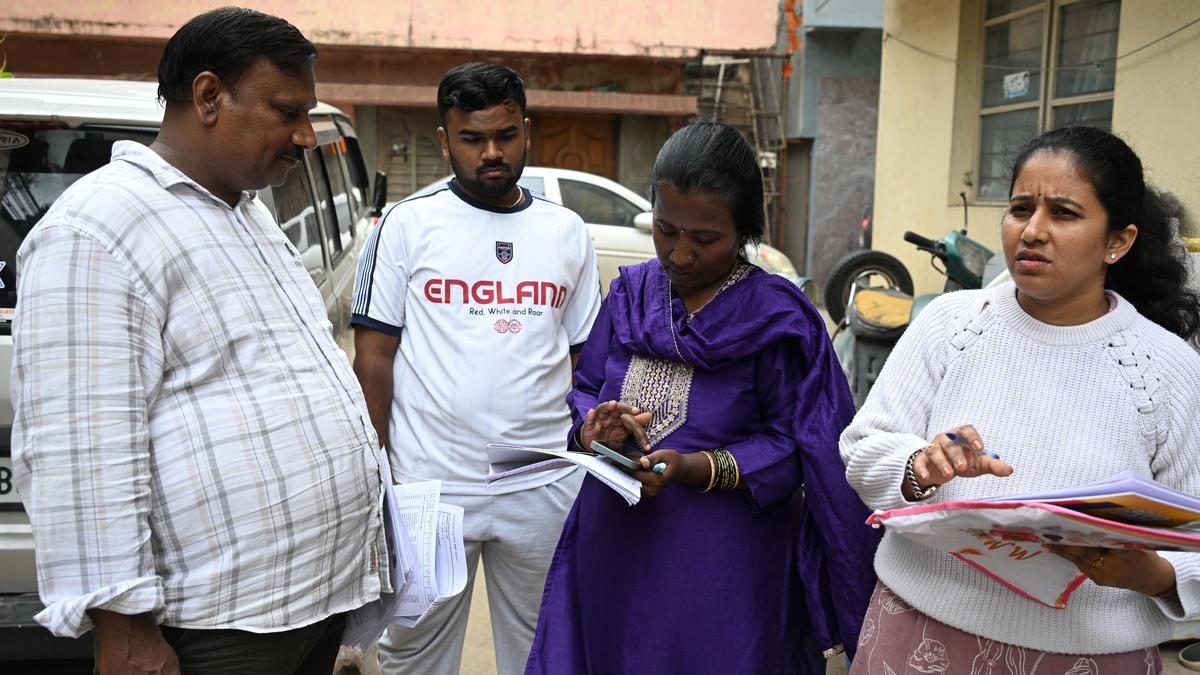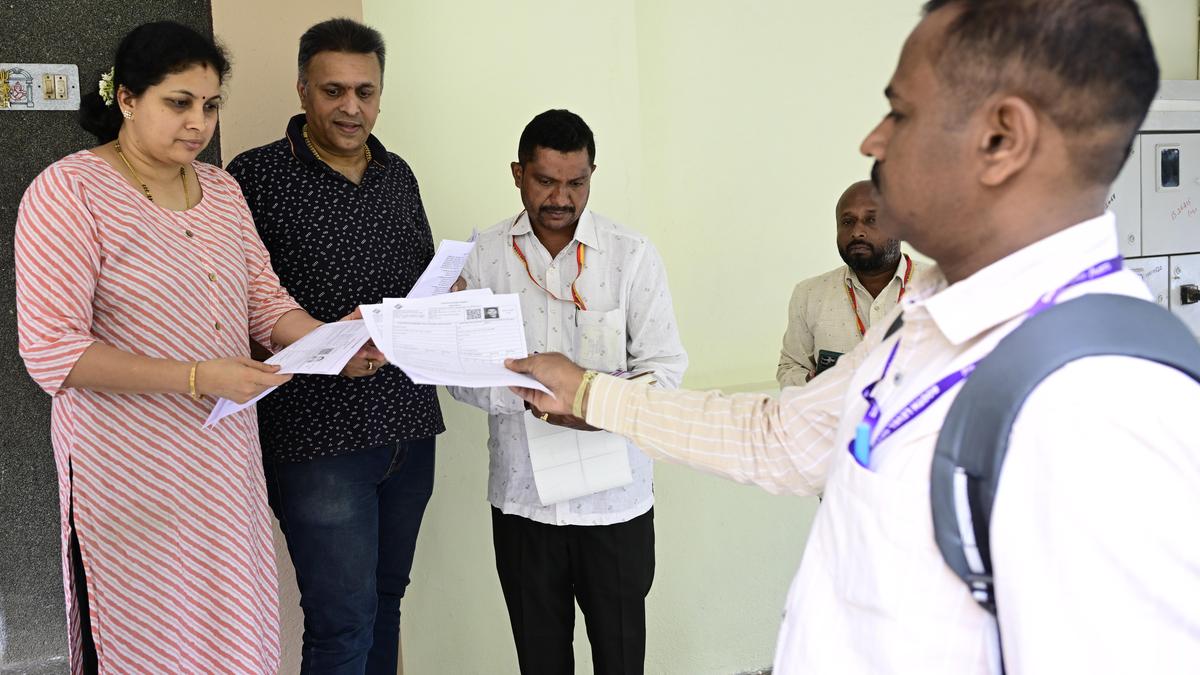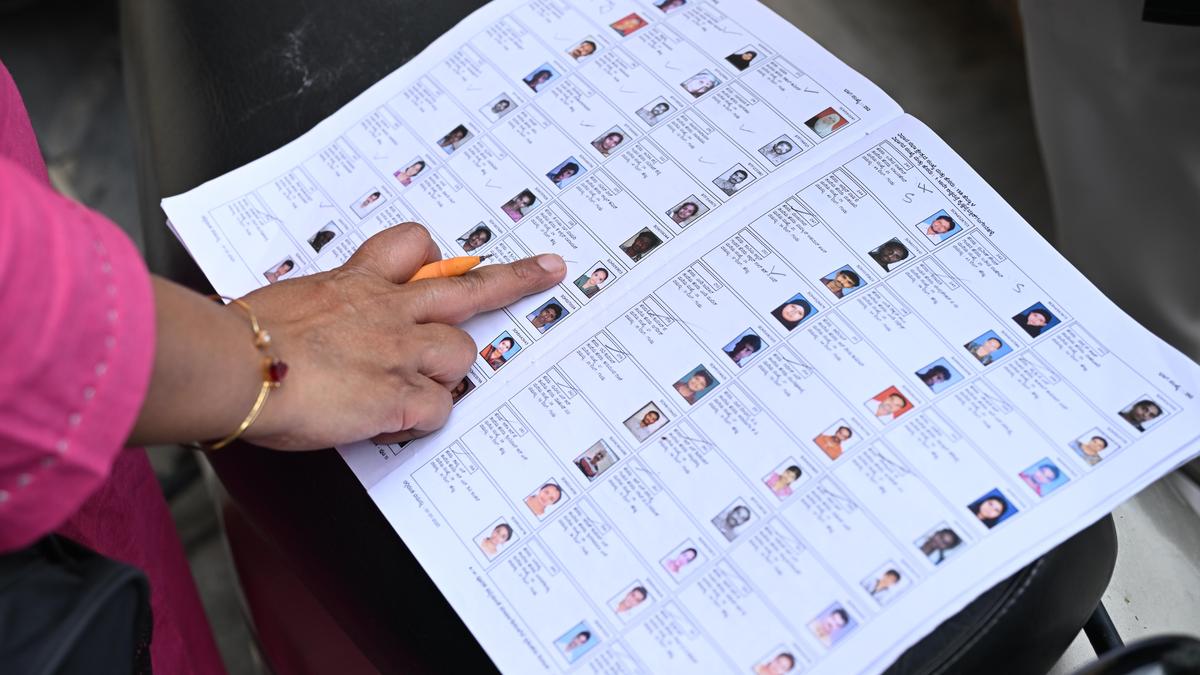
The category has also raised questions from civil society groups over the purpose and application of the category, particularly because the SIR already provides separate classifications such as absent, shifted, dead/deleted and duplicate for cases where forms cannot be collected or verified.
| Photo Credit: File photo
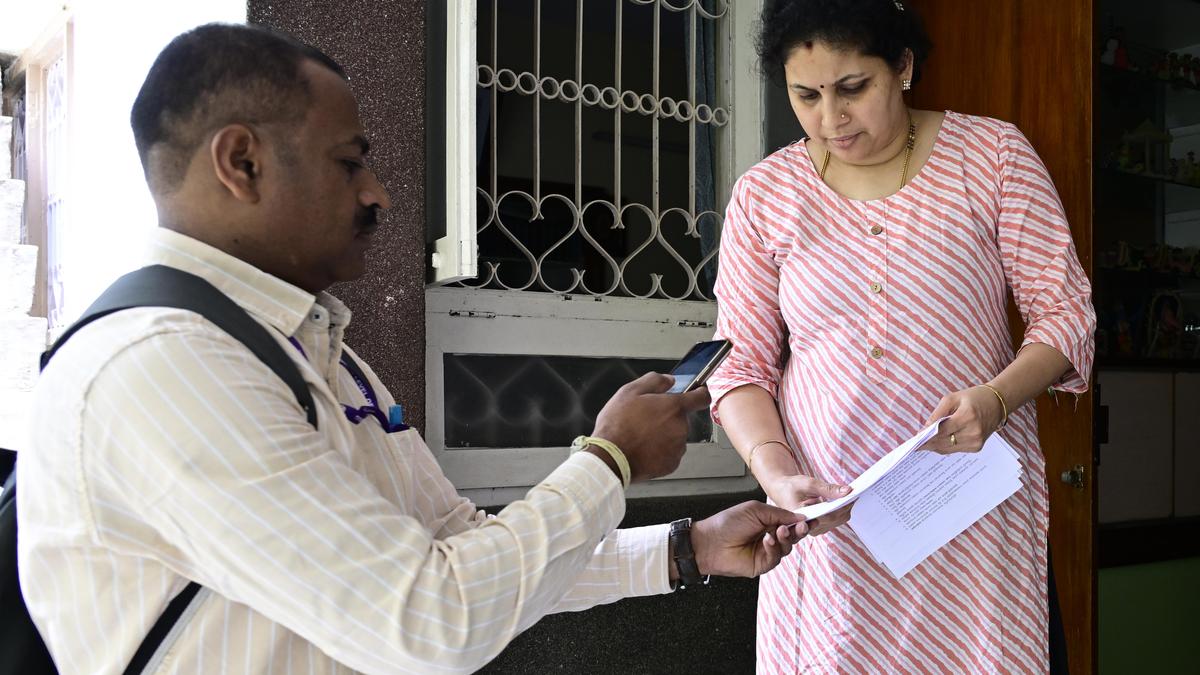
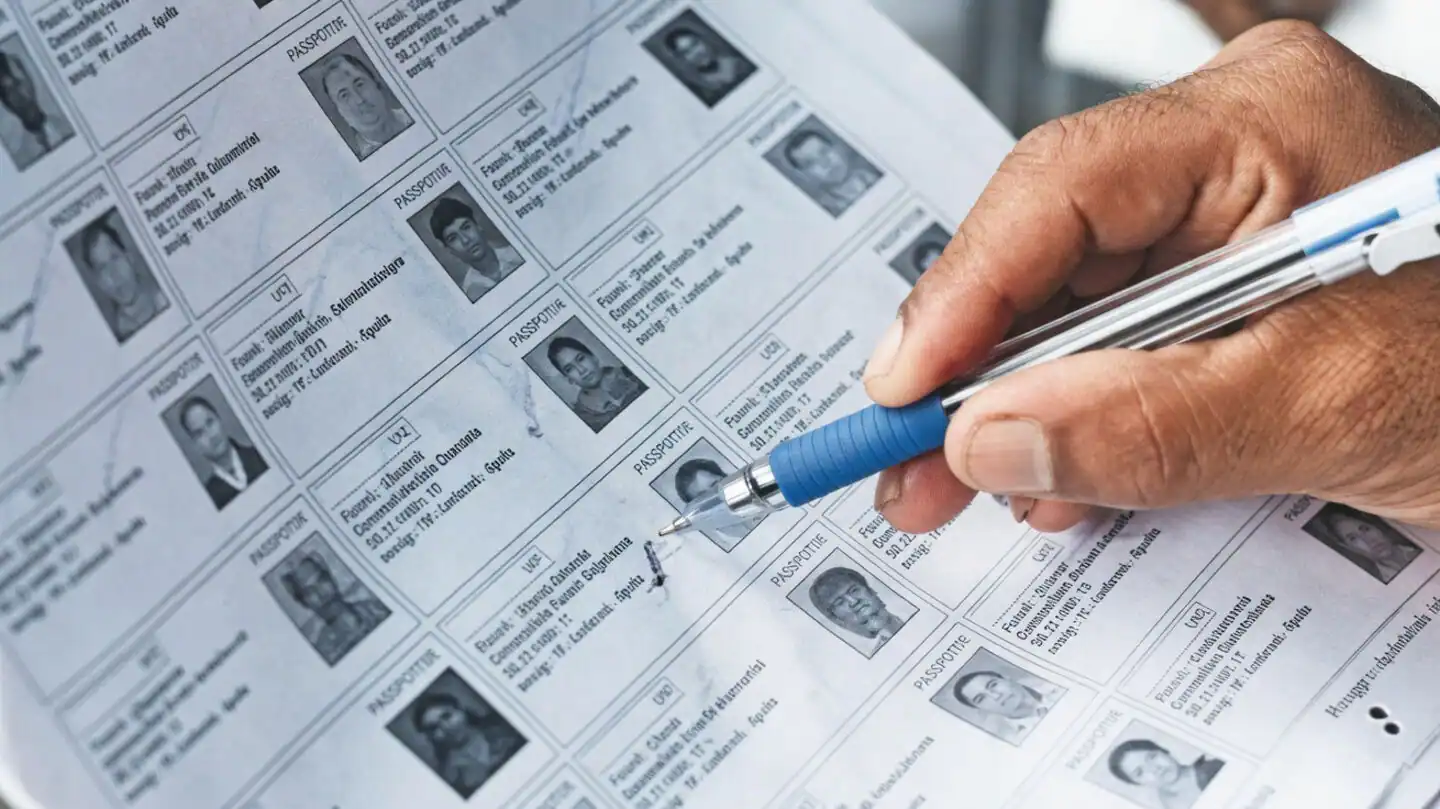
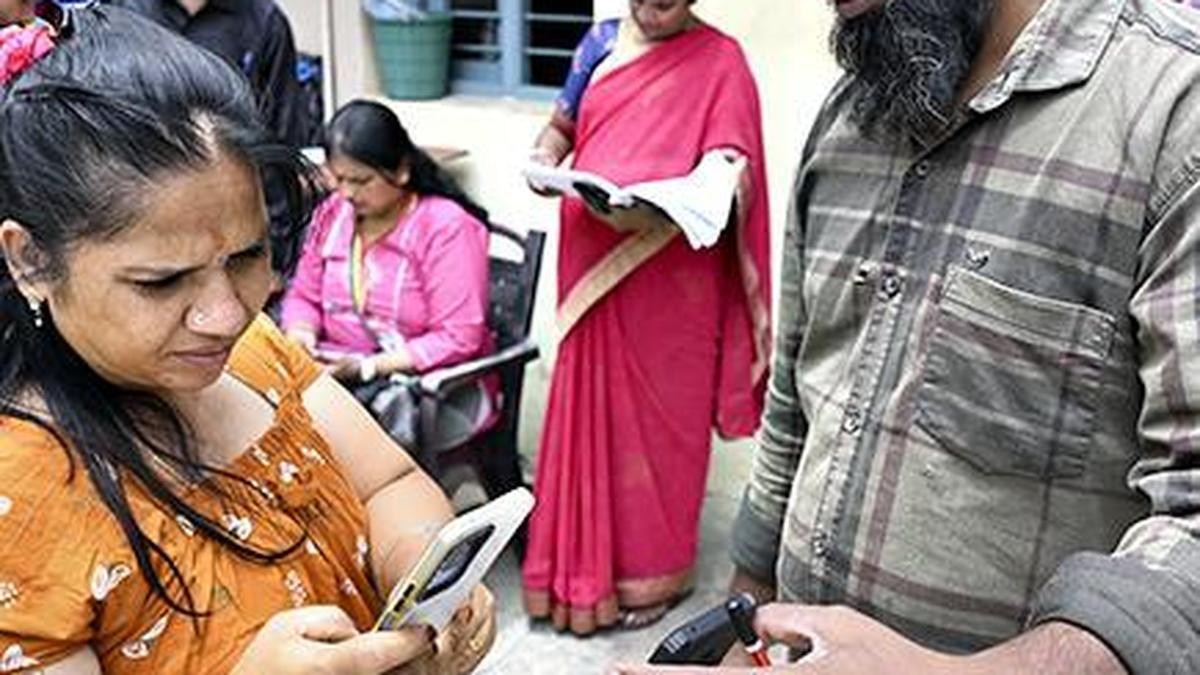
With the Special Intensive Revision (SIR) under way, 635 individuals across Karnataka have already been classified under the “others” category since the door-to-door enumeration began on June 30. While Karnataka Chief Electoral Officer (CEO) V. Anbu Kumar maintained that the category “mostly consists of people who refused to sign” the enumeration forms, Booth Level Officers (BLOs) contradicted this, telling The Hindu that they were not instructed to use the category for people refusing to sign. Instead, they said they were marking individuals as “others” when neither they nor their parents could be mapped to the 2002 electoral rolls through progeny mapping. ‘Those who refuse to sign’“It is mostly those people who are refusing to sign the enumeration form. Some people have acquired citizenship of other places and do not want their names here, while others have personal reasons for refusing to sign. Such people are mostly categorised under others,” Mr. Anbu Kumar said. He added that the list had been shared with Booth Level Agents (BLAs) of recognised political parties for cross-verification. “If something is missed by the BLOs, the BLAs can check it. Everything is transparent,” he said. However, BLOs who spoke to The Hindu said the category was being used for electors whose records could not be linked to the 2002 electoral rolls and where progeny mapping had failed and maintained that no such instruction linking the ‘others’ category to refusal to sign had been communicated to them.Civil society groupsThe category has also raised questions from civil society groups over the purpose and application of the category, particularly because the SIR already provides separate classifications such as absent, shifted, dead/deleted and duplicate (ASSD) for cases where forms cannot be collected or verified. The category had also surfaced during the SIR exercise in West Bengal, where the Election Commission maintained that it was merely a ‘technical classification’ for cases requiring manual verification because automated mapping had failed. Although the category later became controversial amid claims that it could be used to identify “suspected foreigners”, the Commission did not publish any separate list of either “others” or “suspected foreigners” for public scrutiny till now. The differing explanations from the CEO and BLOs leave unanswered questions over what exactly qualifies an elector to be placed in the “others” category and whether the classification could be changed later. ConsequencesRefusing to sign the enumeration form has significant consequences, as unsigned forms are liable to be excluded from the draft electoral roll. Given these consequences, civil society groups question why electors would voluntarily refuse to sign or why such cases would require a separate classification instead of being dealt with under the existing categories like permanently shifted or deleted. Published - July 08, 2026 10:09 pm IST