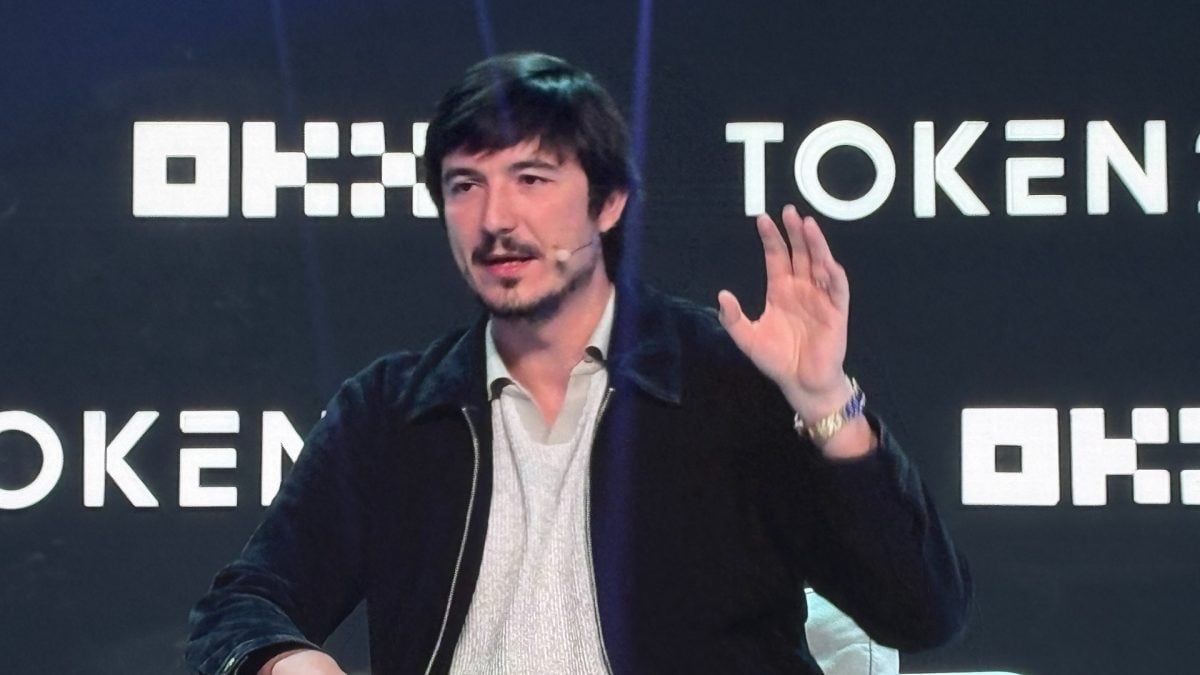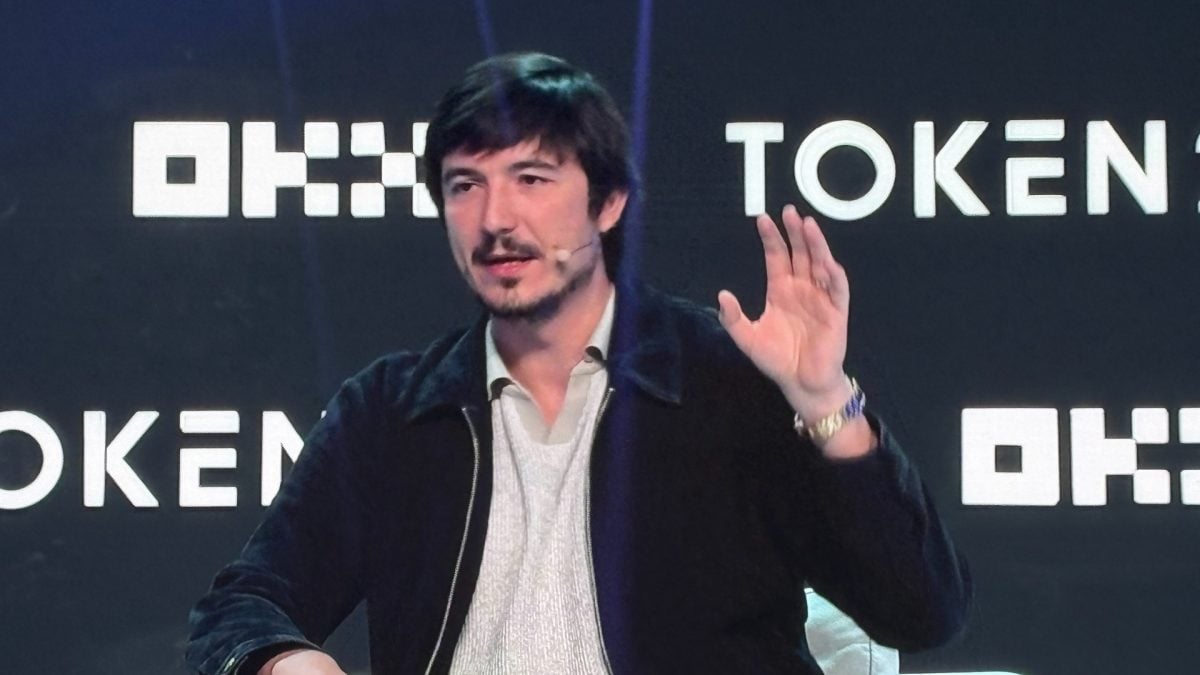
Five days is a long time in crypto. On July 3, 2026, Robinhood CEO Vladimir Tenev sat down with CNBC and made his position crystal clear: the future of crypto is tokenized real-world assets, and the speculative memecoin crowd was largely missing the point. Then CASHCAT happened.
By July 8, Tenev was back on X with a notably different message. Robinhood Chain, he said, works great for meme tokens. The platform was built for RWAs, sure, but the permissionless architecture does not discriminate.
What changed in five days
Robinhood Chain launched its public mainnet on July 1, 2026, as an Ethereum Layer 2 built on Arbitrum technology. The design pitch was institutional: tokenized stocks, real-world asset settlement, on-chain finance for grown-ups. Tenev even highlighted Stock Tokens tied to names like NVIDIA and Apple as the flagship use cases.
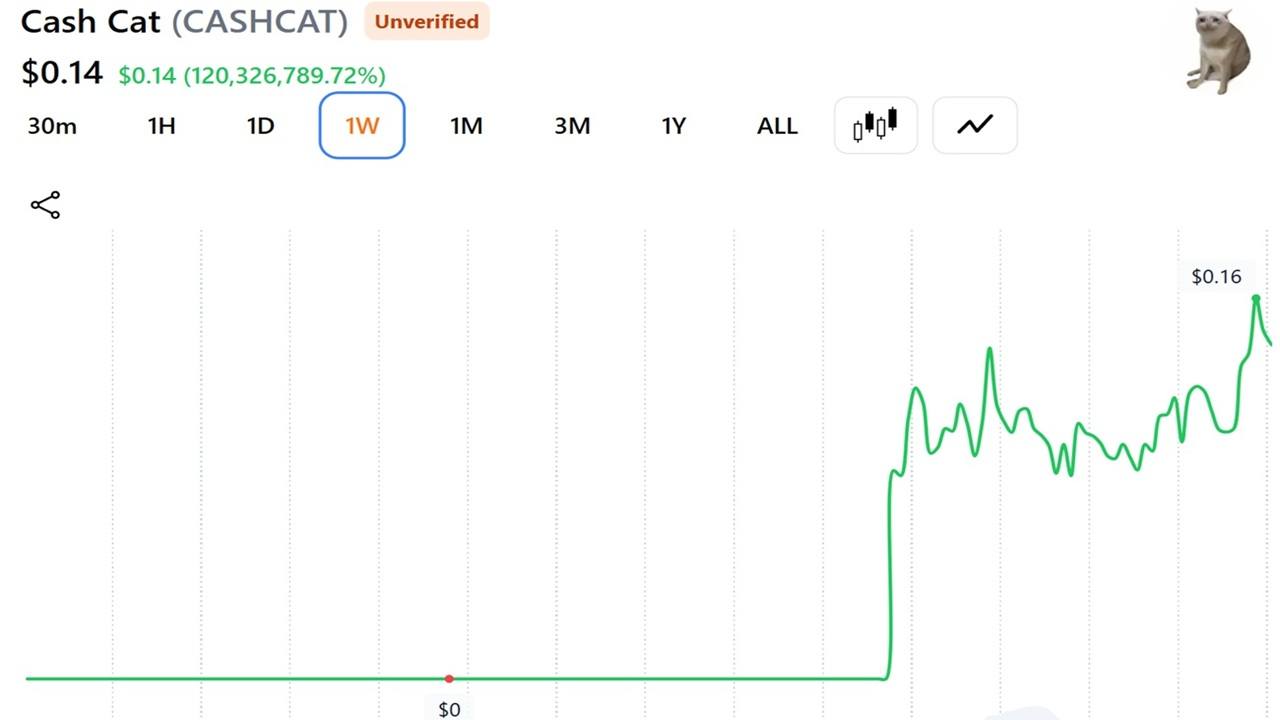
Then a memecoin called CASHCAT, apparently inspired by an internal Robinhood nickname, deployed on the chain. Within 24 hours, it had surged somewhere between 900% and 1,900%, briefly pushing its market cap above $100 million and peaking near $110 million before pulling back.