The sudden eruption of hostilities between Iran and the United States comes less than a month after both nations agreed to freeze the conflict. On June 17, Tehran and Washington signed the “Islamabad Accord,” a temporary pact brokered by Pakistan and Qatar.
Under the accord, both sides committed to halting military operations against one another for a 60-day window to pursue comprehensive negotiations regarding regional security, nuclear development, and economic matters. Both parties were strictly barred from taking escalatory military or economic actions during this period.
The agreement proved short-lived. Early Wednesday morning, U.S. President Donald Trump announced in Ankara that the ceasefire and accord were officially “over,” stating that he had no further desire to engage with Tehran. This announcement followed a U.S. government decision to revoke all remaining waivers for Iranian oil sales, effectively reinstating the “maximum pressure” policy and dismantling the economic foundation of the June 17 pact.
From Tanker Attacks to the U.S. Air Campaign
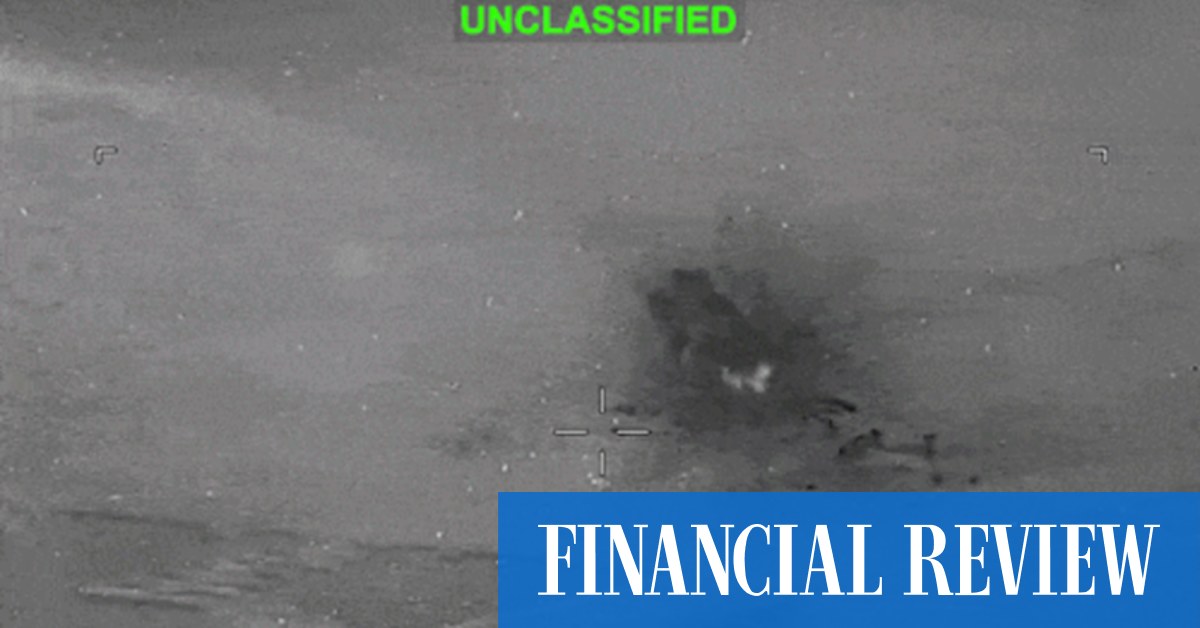
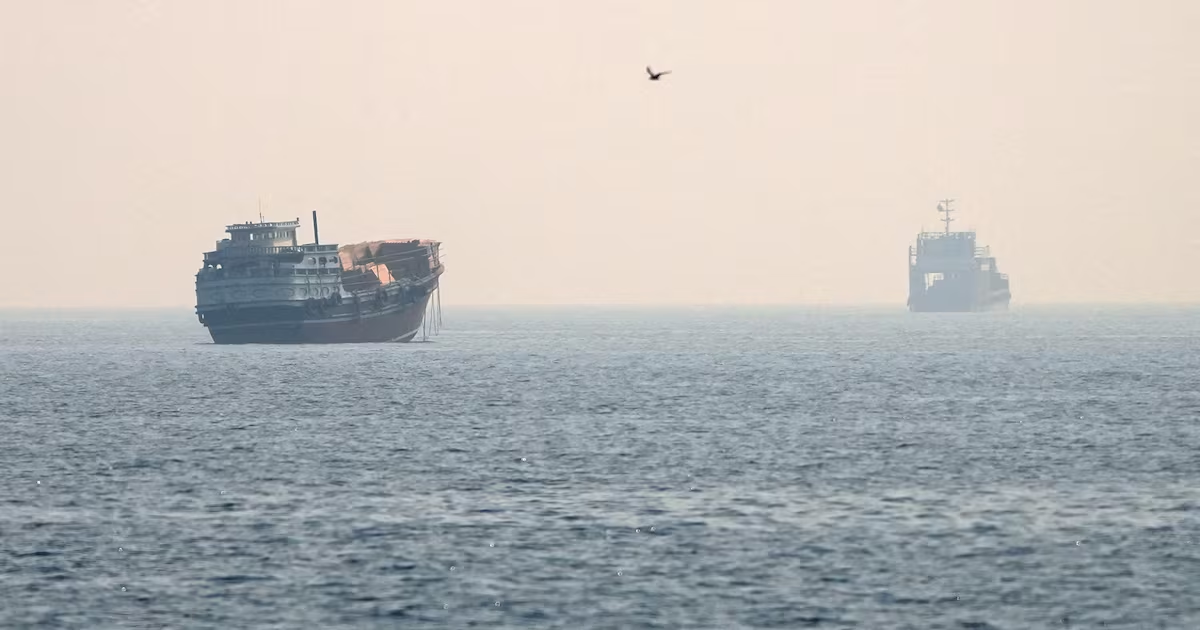
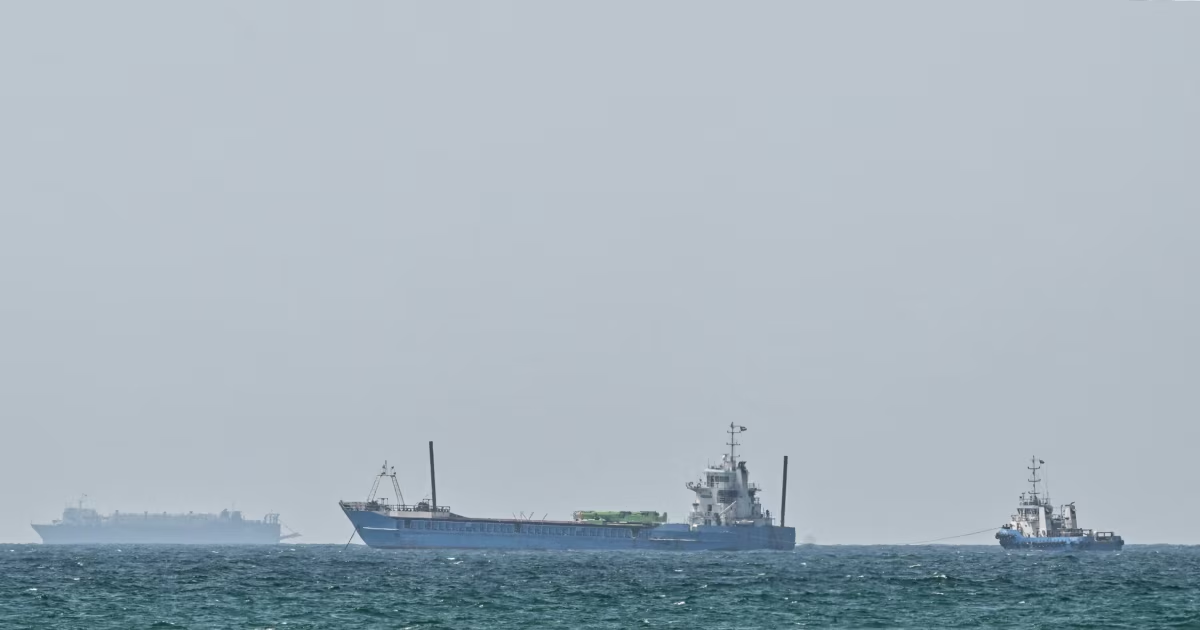
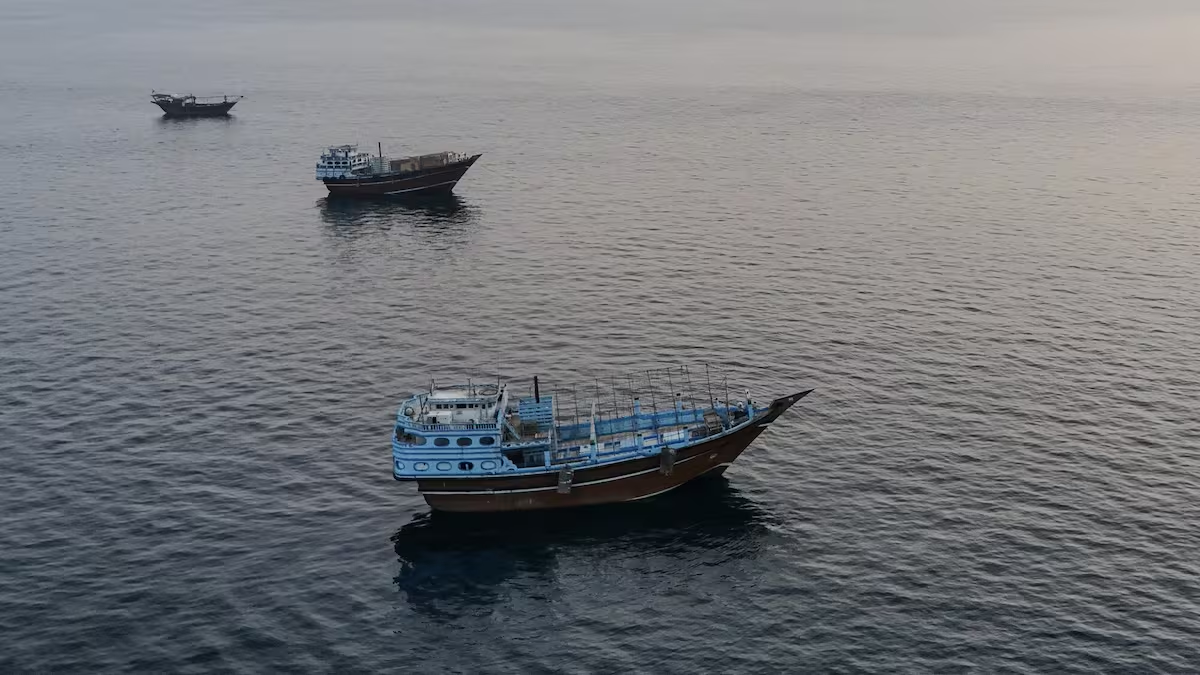
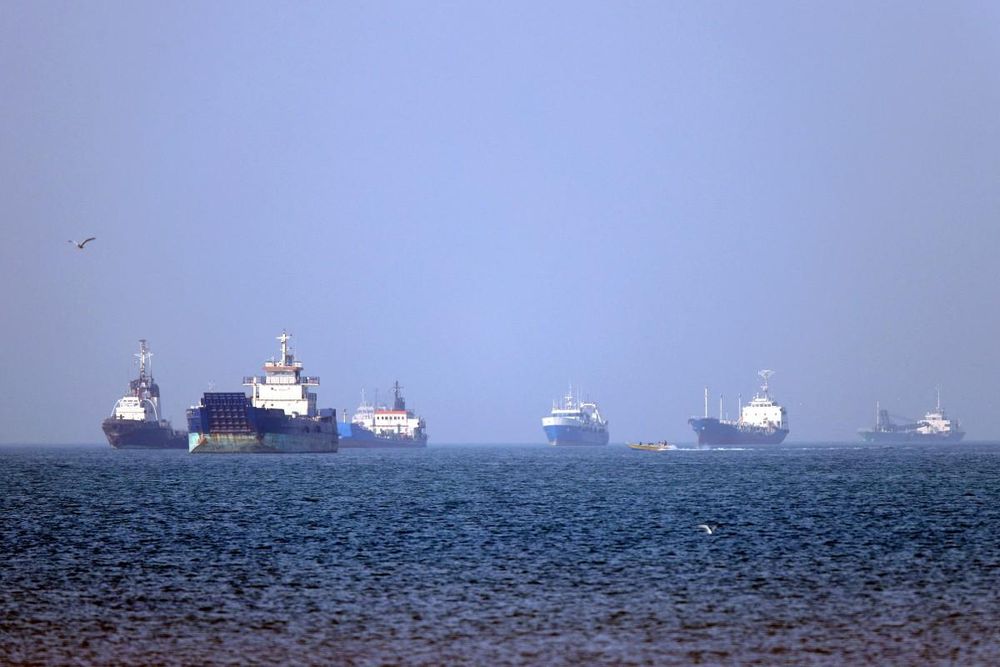
Hours before the pact was declared dead, maritime flashpoints in the Persian Gulf erupted. On Tuesday, several commercial tankers and vessels were attacked near the strategic Strait of Hormuz.