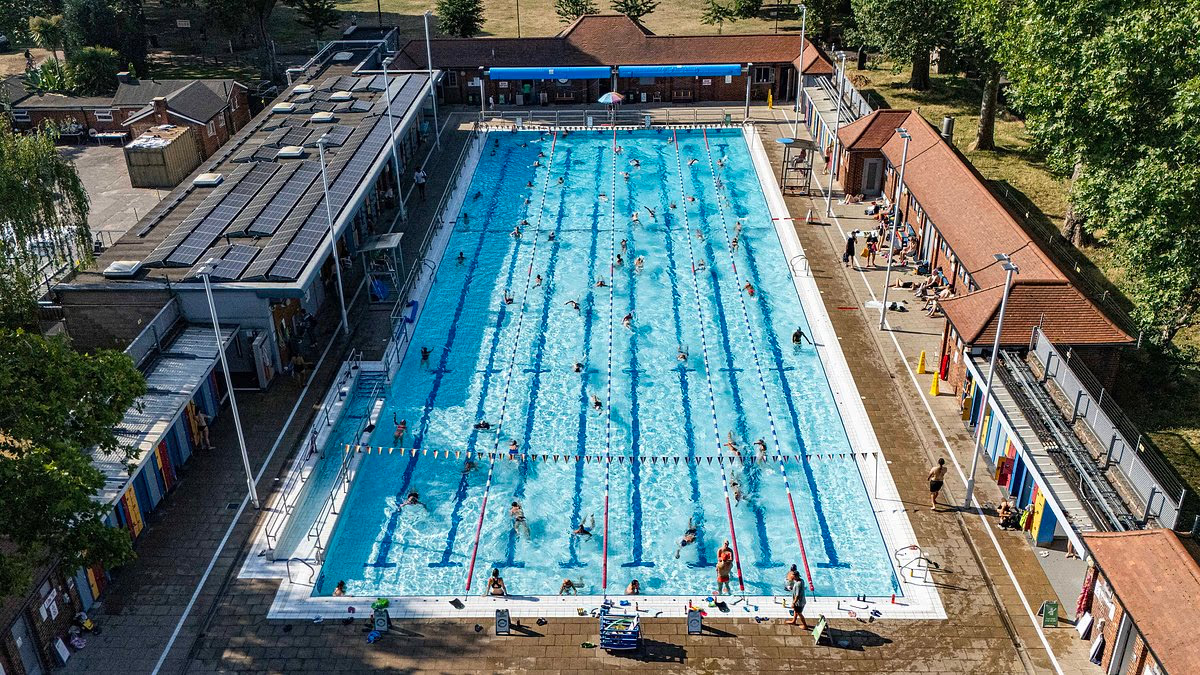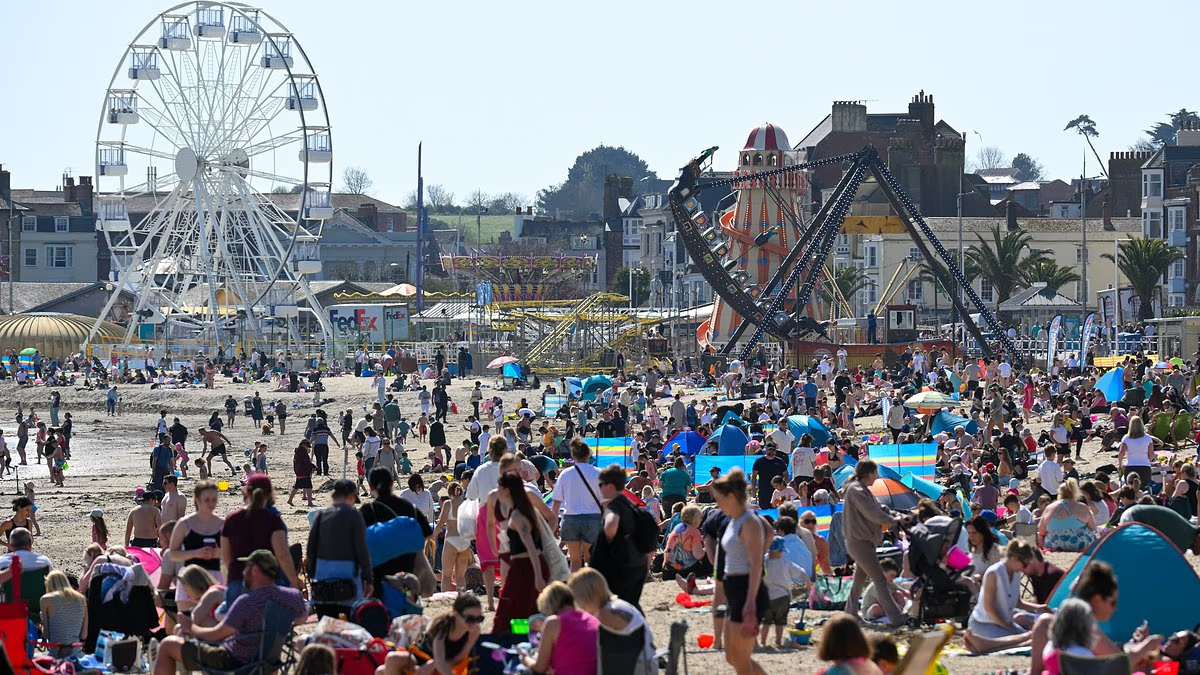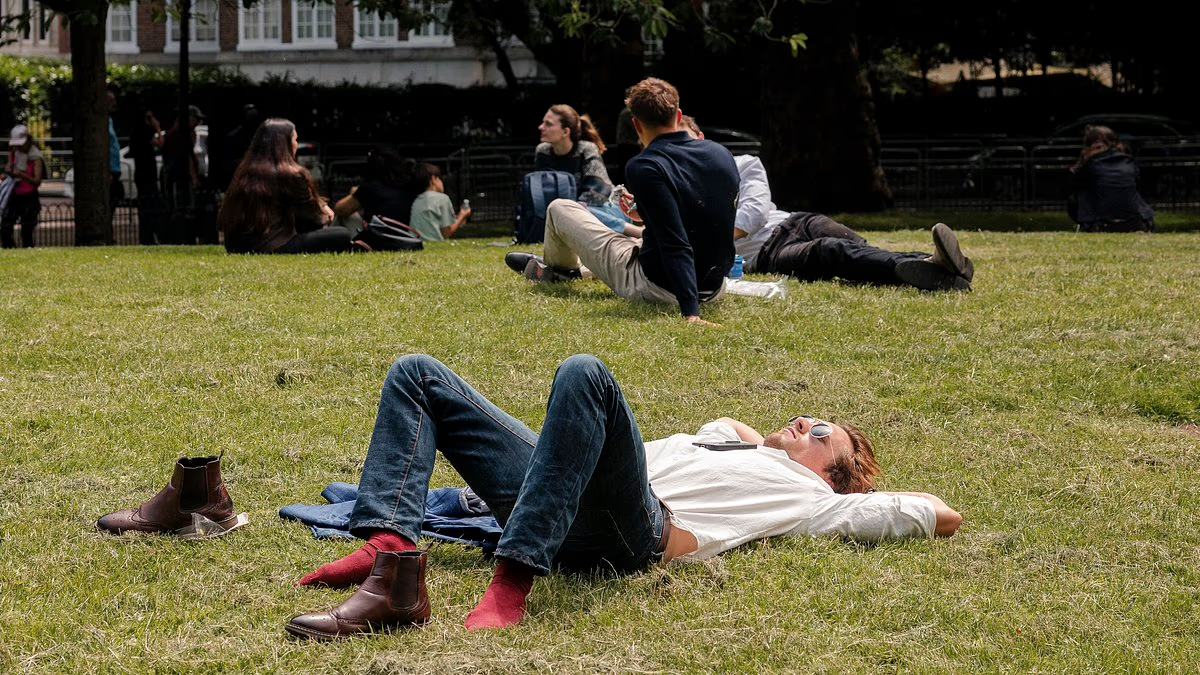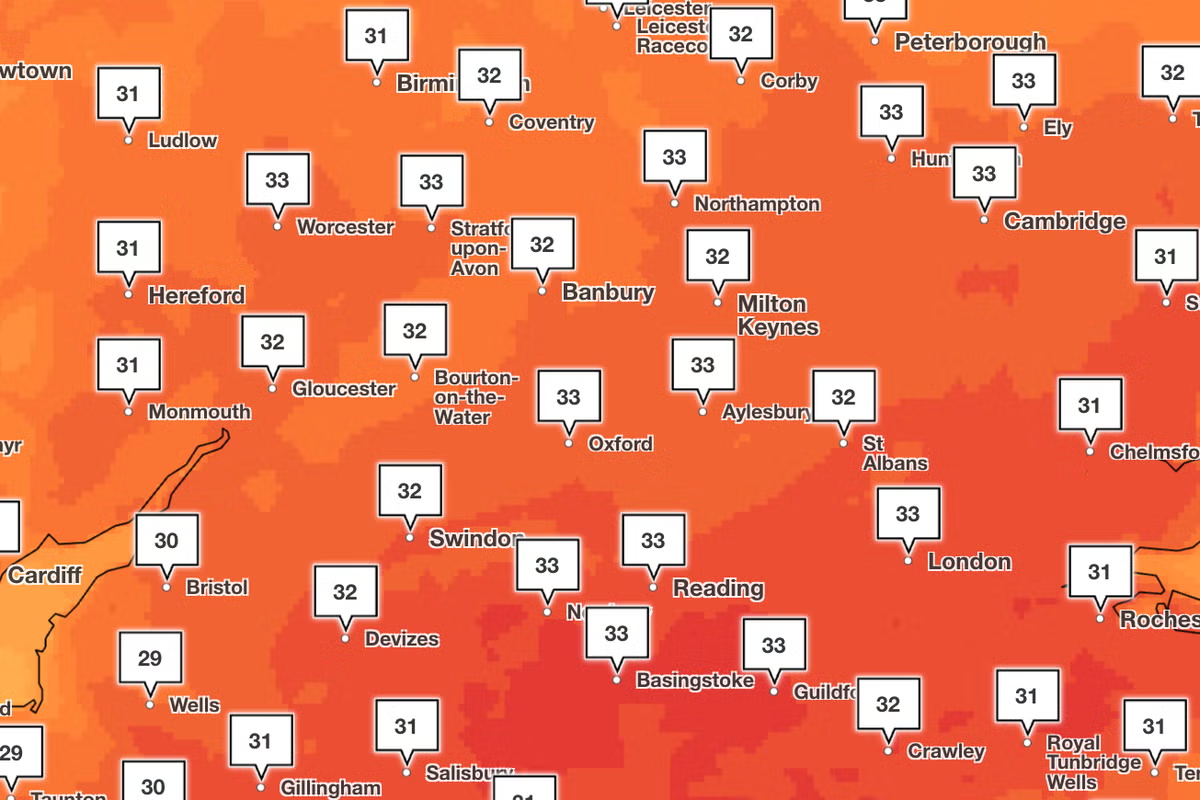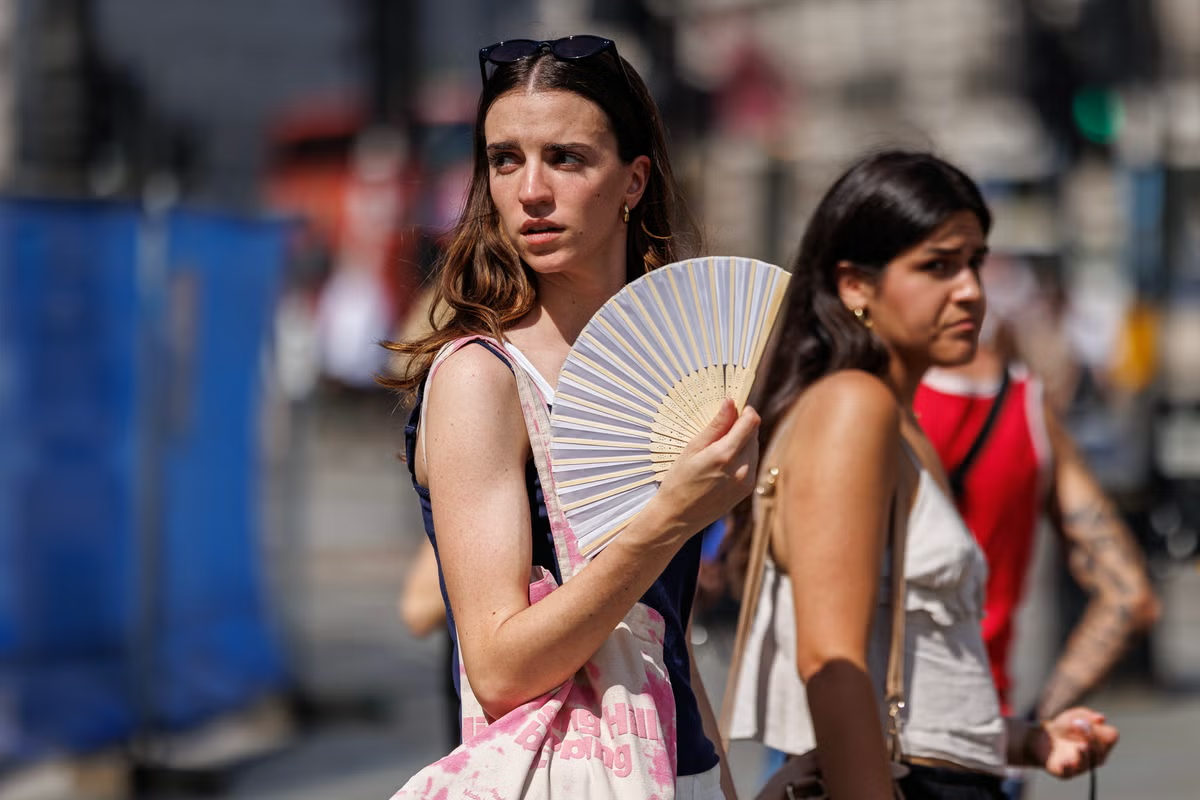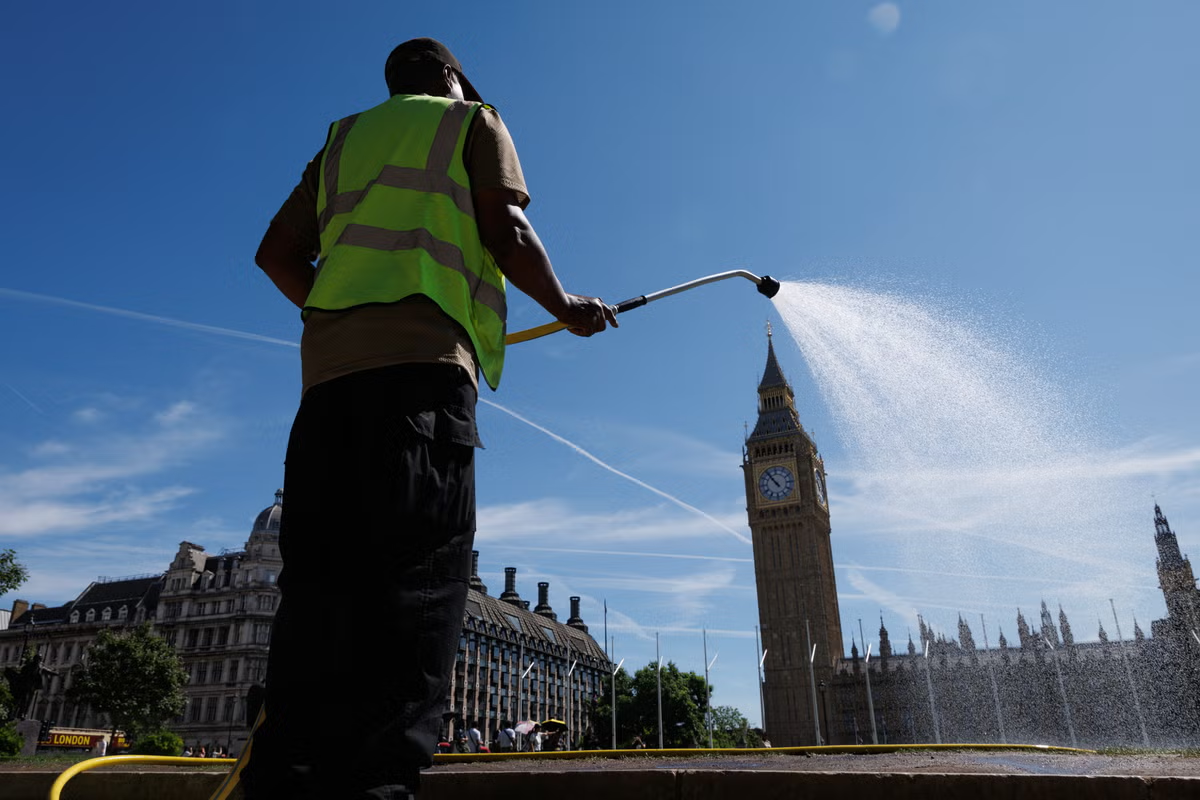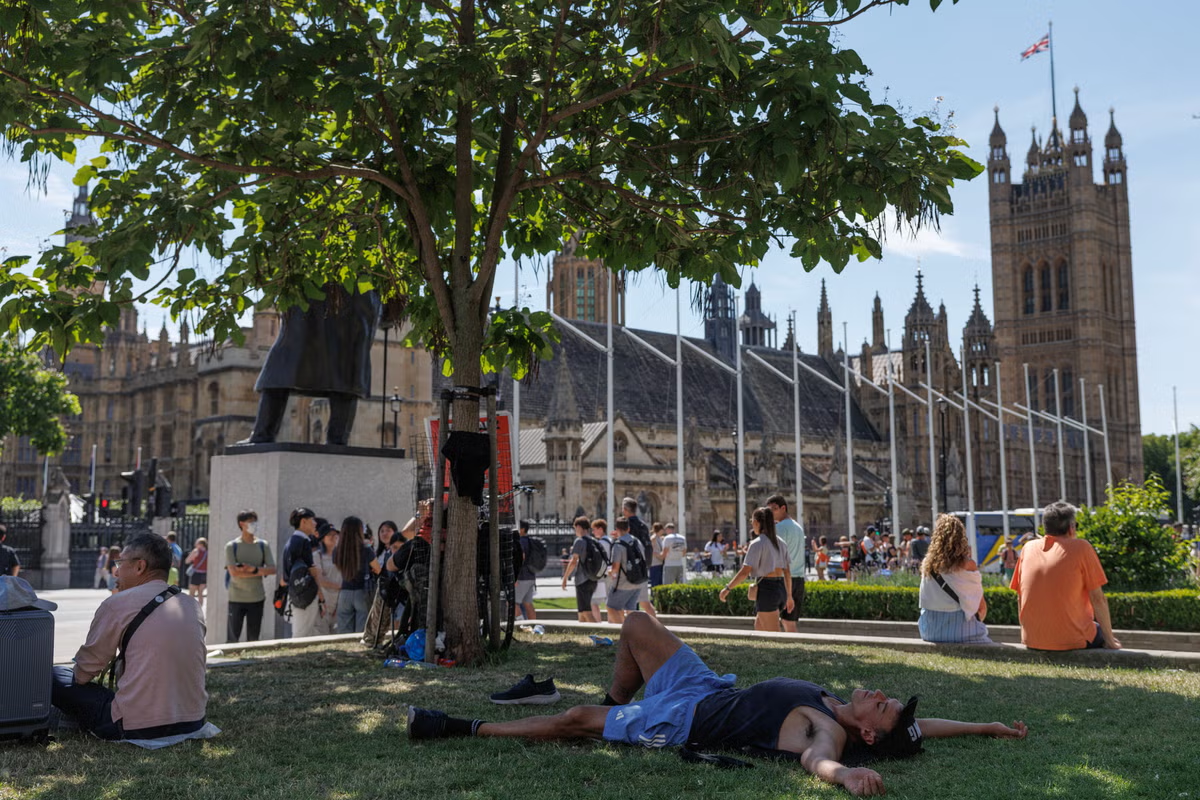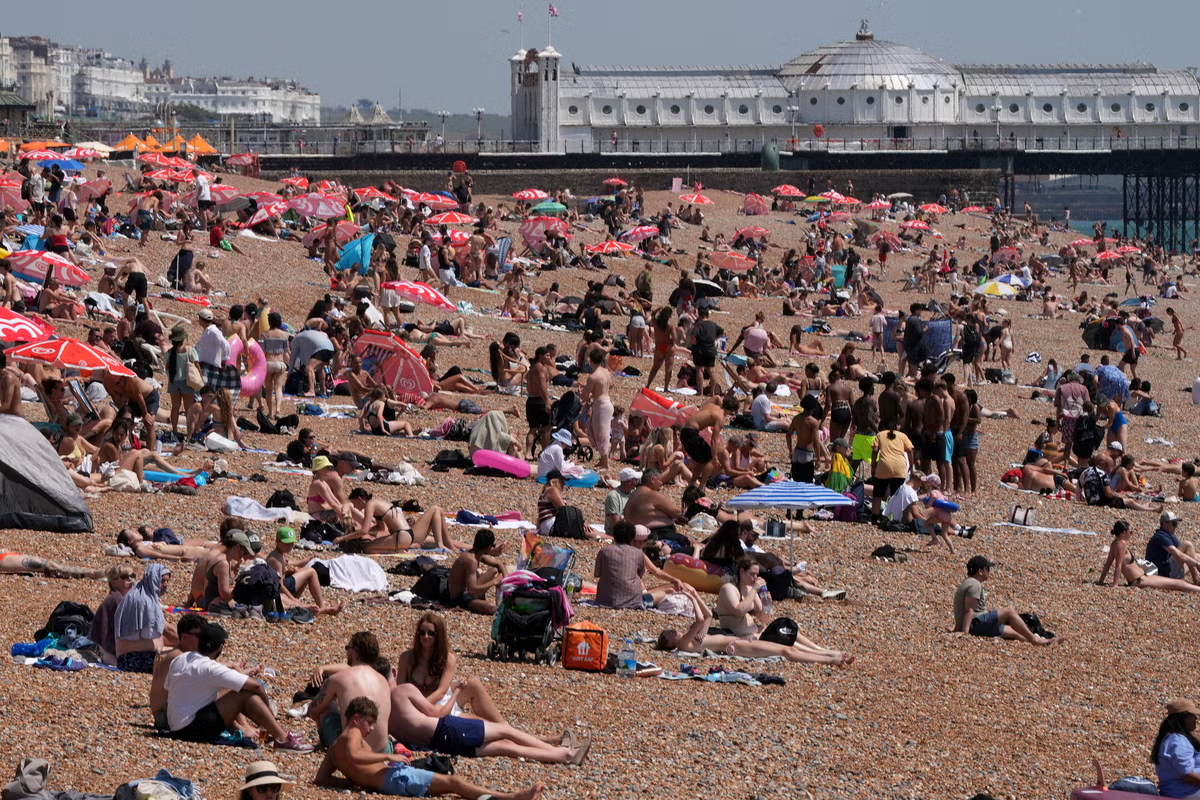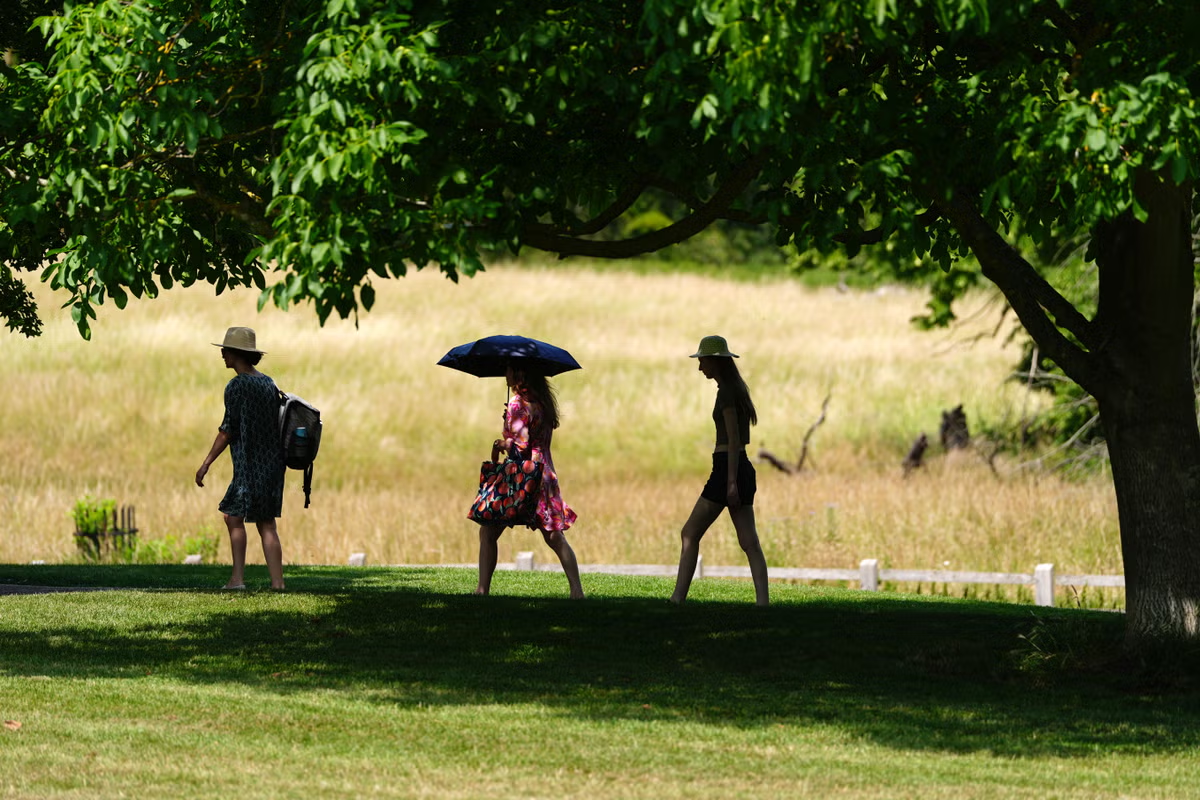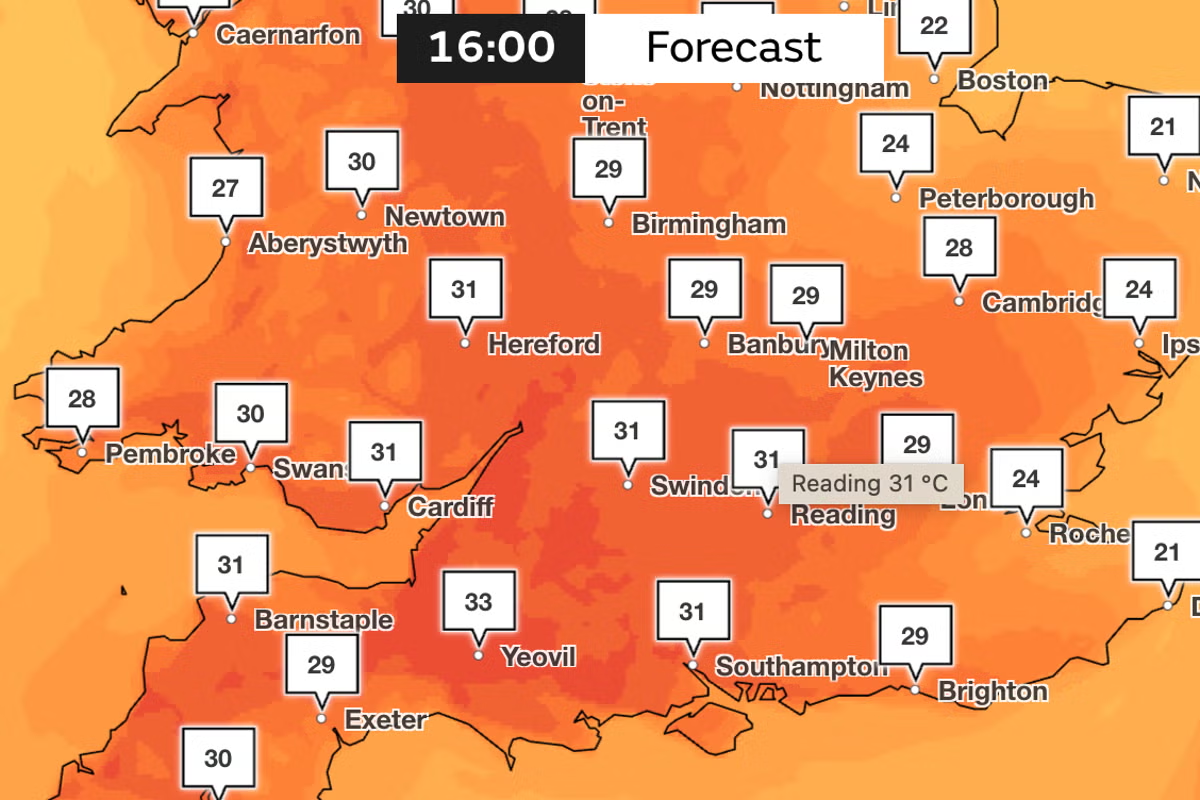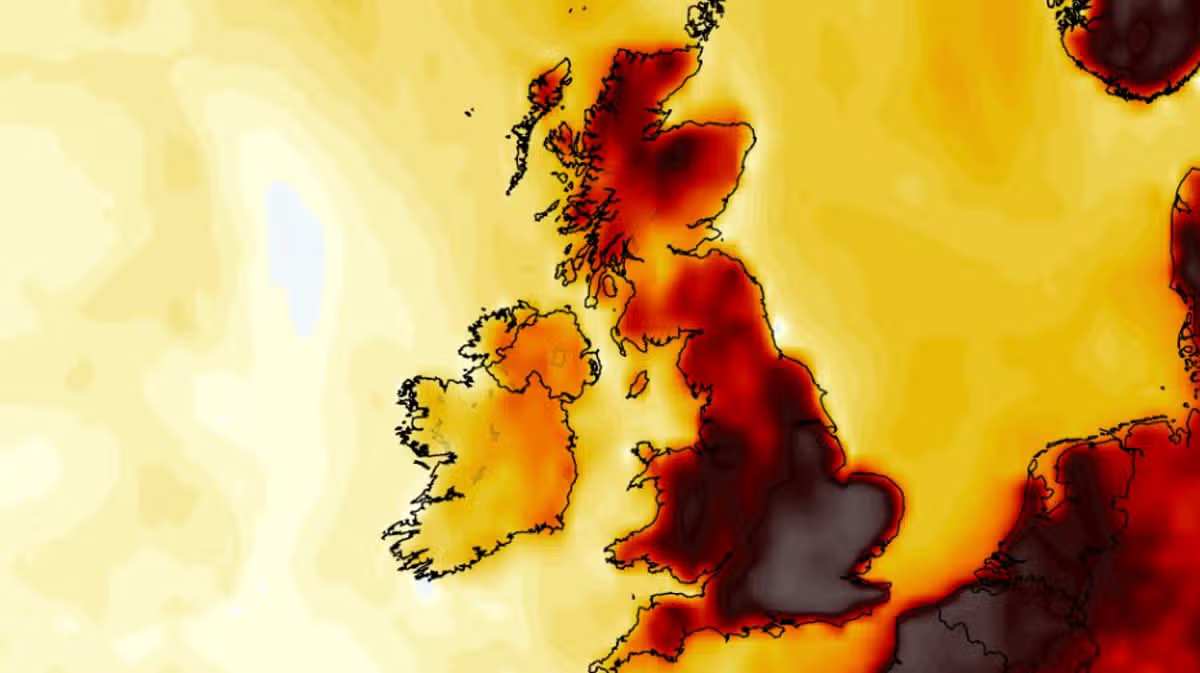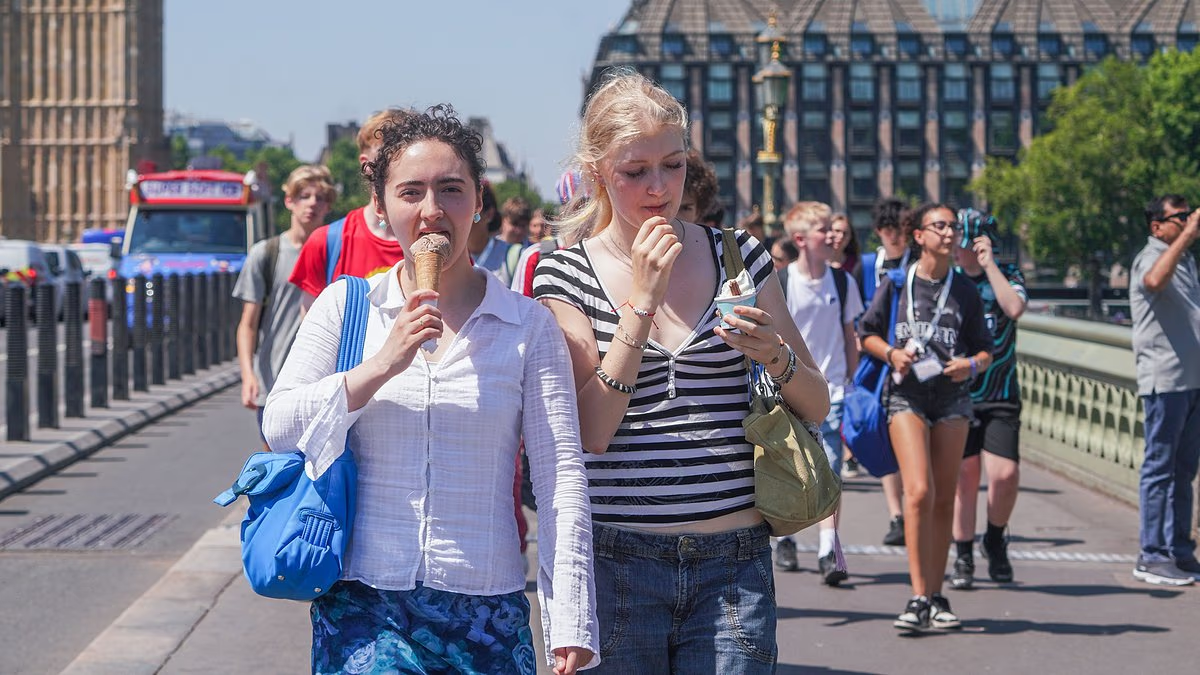
Britain is facing one of the longest heatwaves since 1976 with temperatures set to hit 35C later this week and rail passengers warned to only make 'essential' journeys.Parts of south-east England officially entered a heatwave on Monday, after three days at or above the threshold temperature which varies by region but is 28C in London.Hot weather is expected to last throughout this week and next with meteorologists saying the heatwave threshold could be met for as many as 14 days in some areas.The historic heatwave of 1976 brought 15 consecutive days of temperatures above 32C including a peak of 35.9C, while some regions had no rain for 45 days.This morning, amber heat health alerts issued by the UK Health Security Agency (UKHSA) for the Midlands and southern England will come into force at 9am.The alerts will remain in force until at least Sunday and mean 'significant impacts' are likely across health and social care services because of the weather - including a 'rise in deaths', particularly among those aged 65 and over or with health conditions.Yellow heat health alerts have also been issued for northern England for the same time period, while the UKHSA further warned of a potential increase in water-related incidents across England including risks from cold water shock and drowning.Meanwhile some trains were cancelled and others will run at reduced speeds due to the heat, with East Midlands Railway telling passengers to travel 'only if essential'. Two women eat ice creams as they cross Westminster Bridge during the heatwave today Amber heat health alerts have been issued by the UK Health Security Agency from tomorrowCustomers were also advised to make journeys before noon to avoid the highest temperatures, expect disruption and check for timetable changes before travelling.Regional services between Nottingham and Worksop, and Nottingham and Leicester, will be suspended from 12pm today to reduce the impact of the heat on the railway.EMR added that some other trains will operate at reduced speeds for safety reasons. High temperatures can cause rails to buckle, overhead electric wires to sag and lineside fires, while steel rails can exceed 50C when the air temperature is 30C. TOP TEN HOTTEST DAYS IN BRITAIN - INCLUDING TWO IN JUNE 20261 40.3C July 19, 2022 Coningsby, Lincolnshire 2 38.7C July 25, 2019 Cambridge 3 38.5C August 10, 2003 Faversham, Kent 4 38.2C July 18, 2022 Pitsford, Northamptonshire 5 37.8C July 31, 2020 London Heathrow 6 37.7C June 26, 2026 Lingwood, Norfolk 7 37.1C August 3, 1990 Cheltenham, Gloucestershire 8= 36.7C August 9, 1911 Raunds, Northamptonshire 8= 36.7C July 1, 2015 London Heathrow 8= 36.7C June 25, 2026 Merryfield, Somerset Philippa Cresswell, customer experience director at EMR, said: 'The hot weather means we'll need to make some temporary changes to our services to keep the railway operating safely.'If you do need to travel and the journey is essential, we'd recommend travelling before midday and checking your journey before setting off.'We appreciate these changes may inconvenience some customers and we'd like to thank everyone for their patience and understanding while we work to keep people moving safely.'EMR said plans for tomorrow and Friday were still under review, and customers wishing to travel on these days should check for updates before they travel.South-east England officially met the heatwave criteria on Monday and temperatures are set to continue to rise across the UK as the week goes on – with more regions likely to reach their local heatwave thresholds.London has now been the hottest place in the UK for four days in a row – with 32.4C in Teddington yesterday, 34C in Teddington again on Monday, 30.3C at Heathrow Airport on Sunday, and 29.3C in Teddington yet again on Saturday.Parts of southern England could see highs of about 33C today and 34C tomorrow, with the highest readings of 35C forecast for isolated areas on Friday and Saturday.While southern areas are already feeling the sun and the heat, a north-south divide will persist through the first half of the week, according to the forecaster.
Britain braces for longest heatwave in 50 years
Hot weather is expected to last throughout this week and next in England with meteorologists saying the heatwave threshold could be met for as many as 14 days in some areas.
1,755 words~8 min read