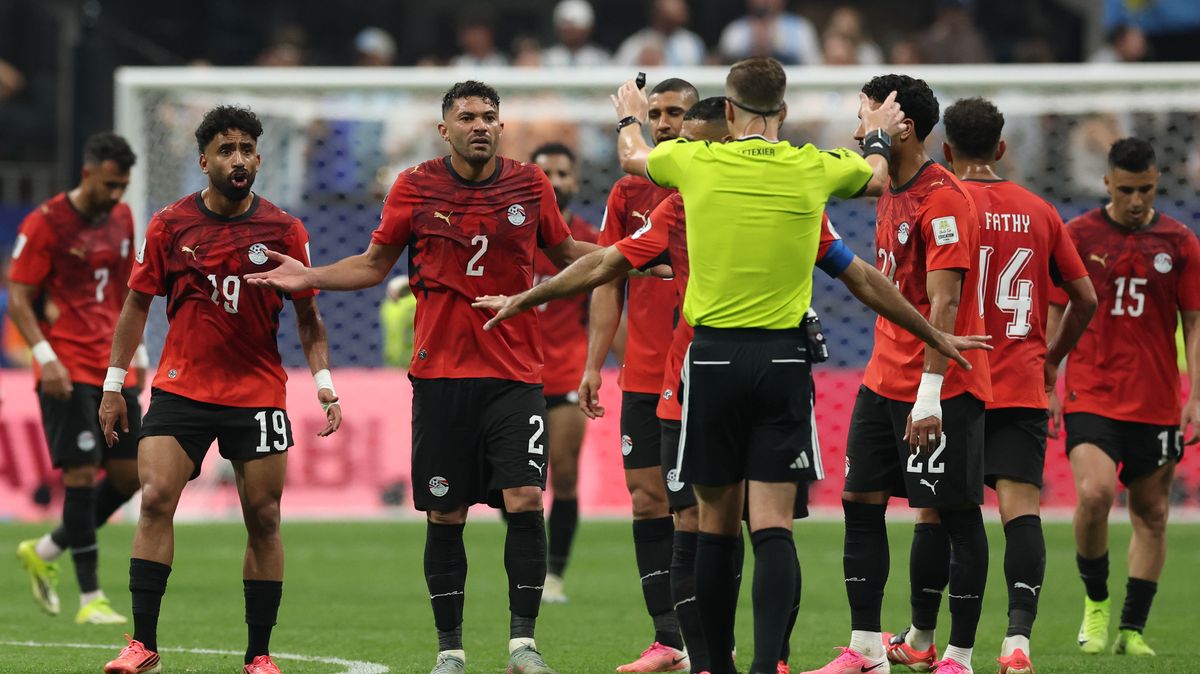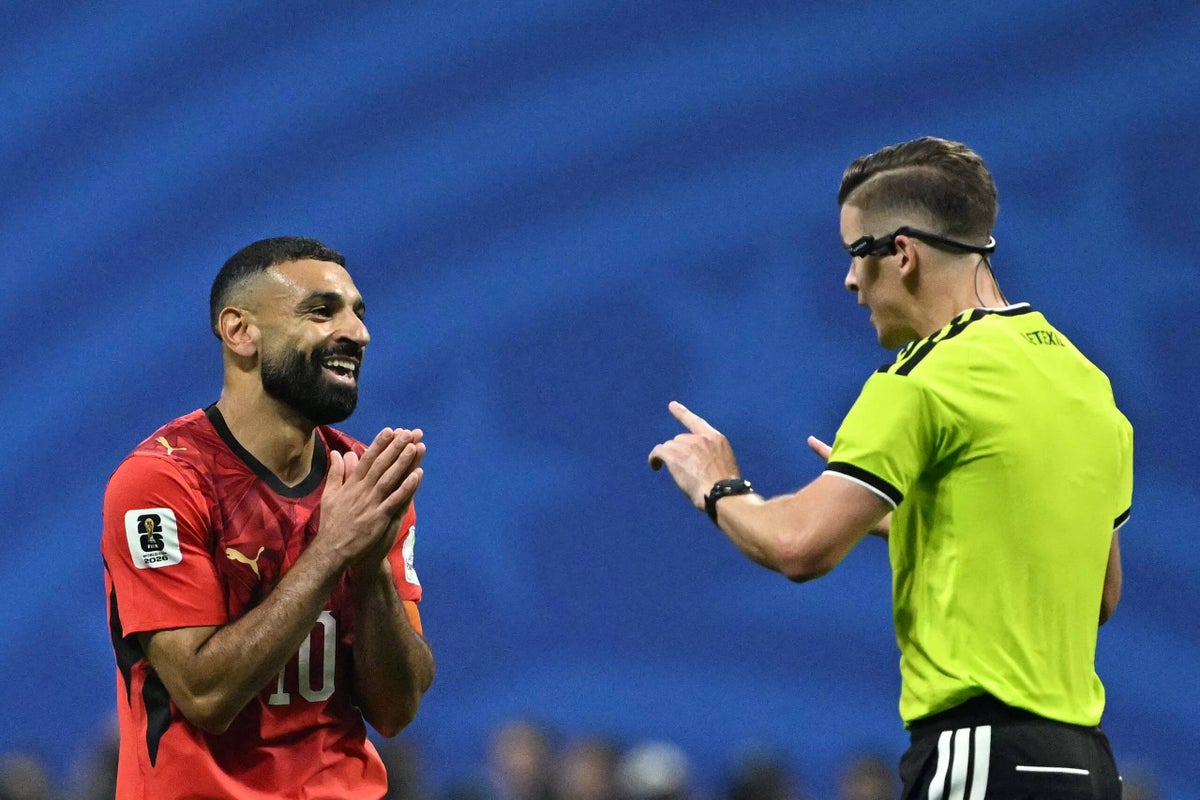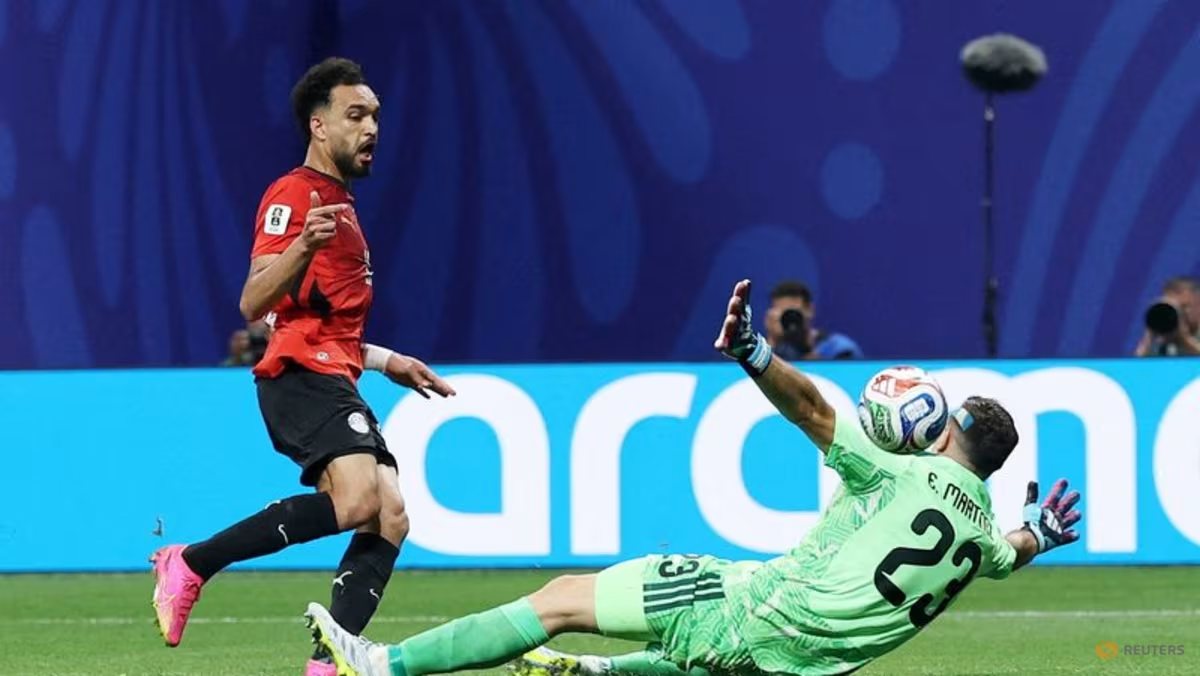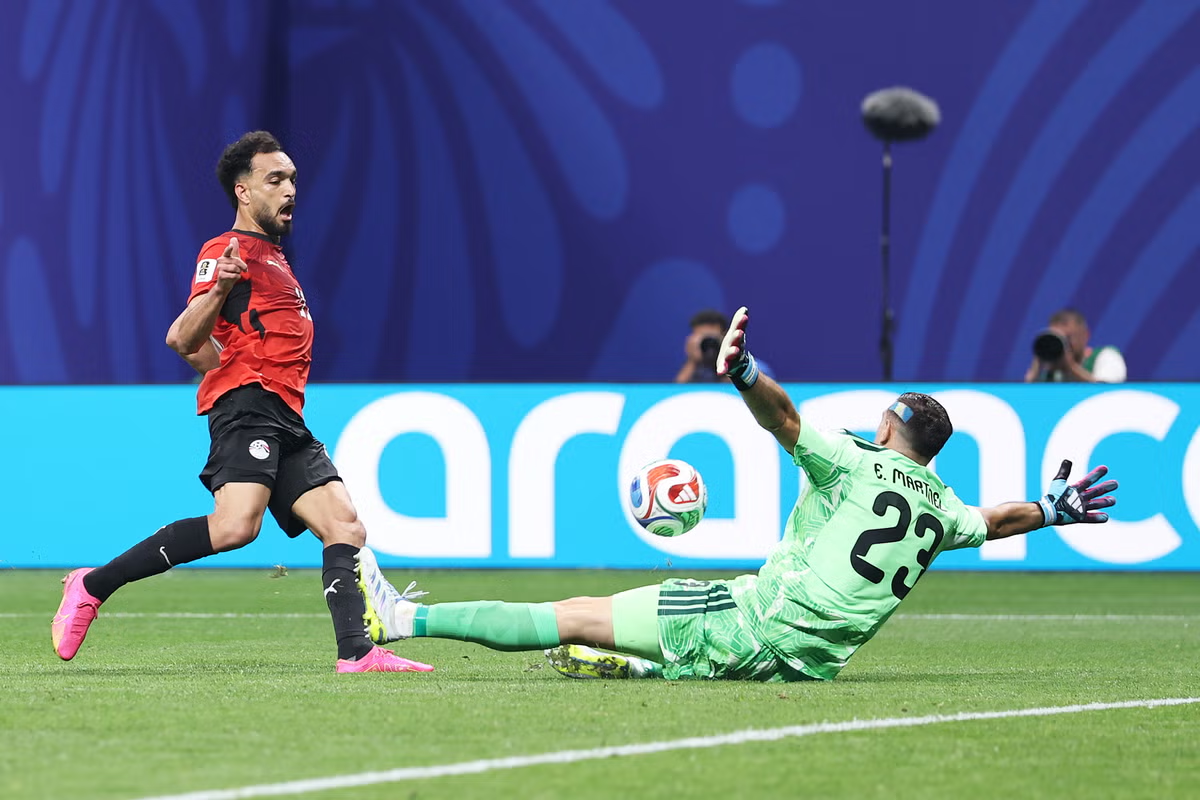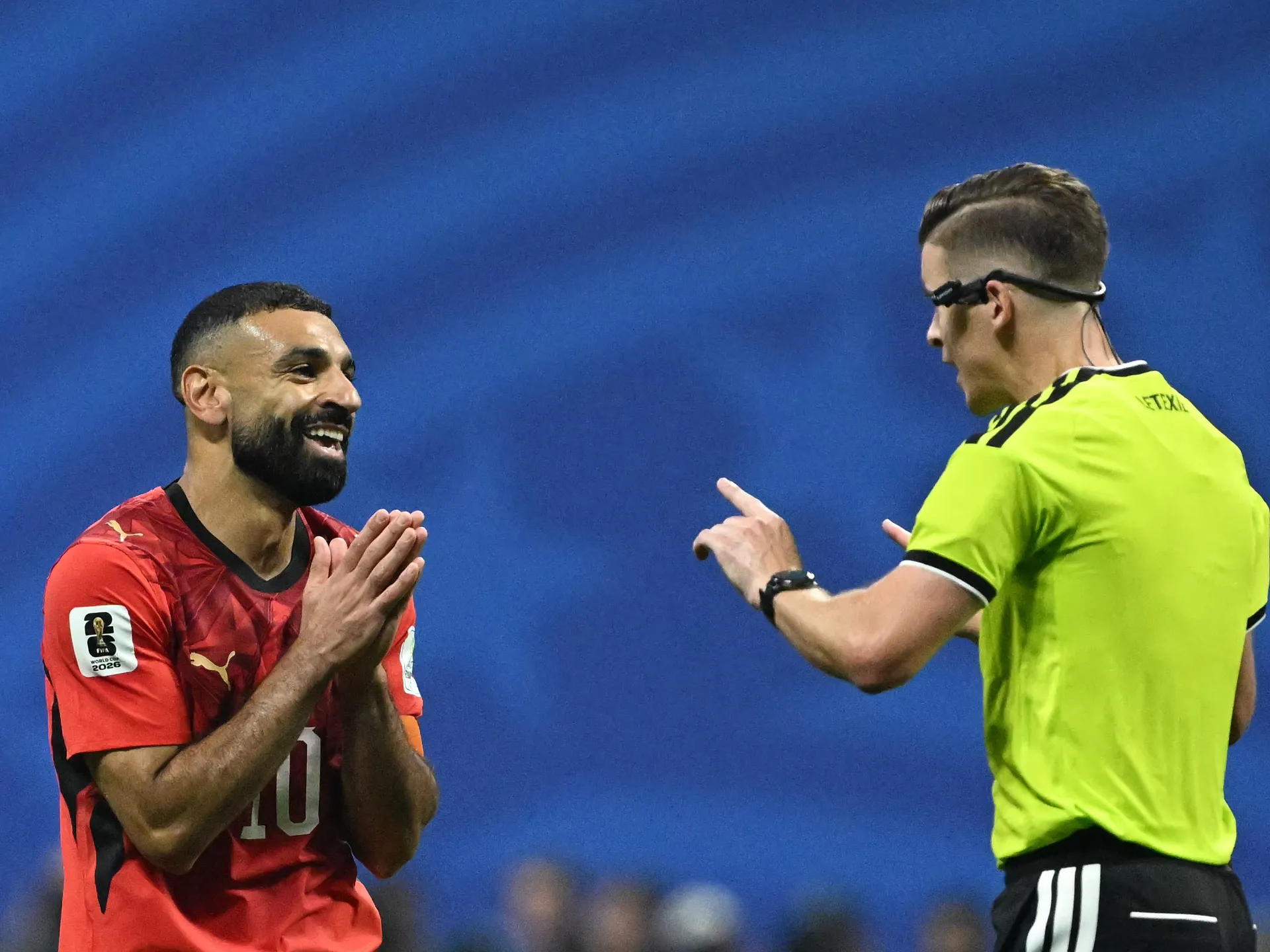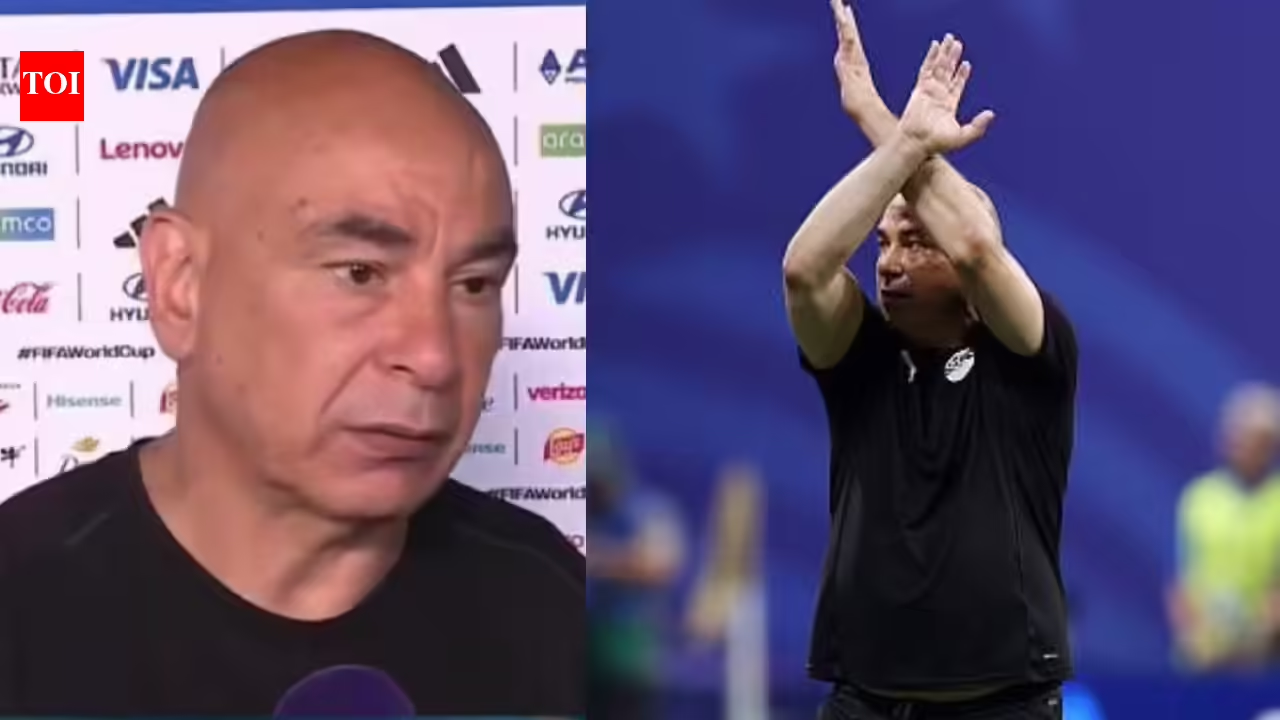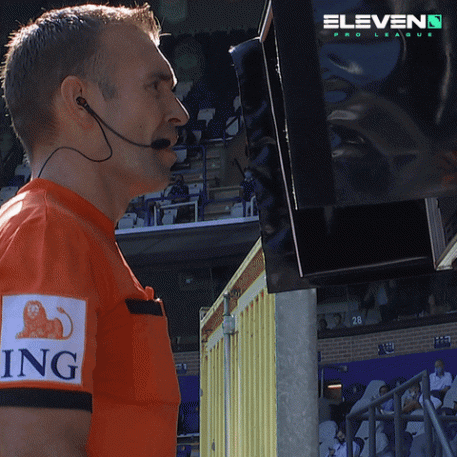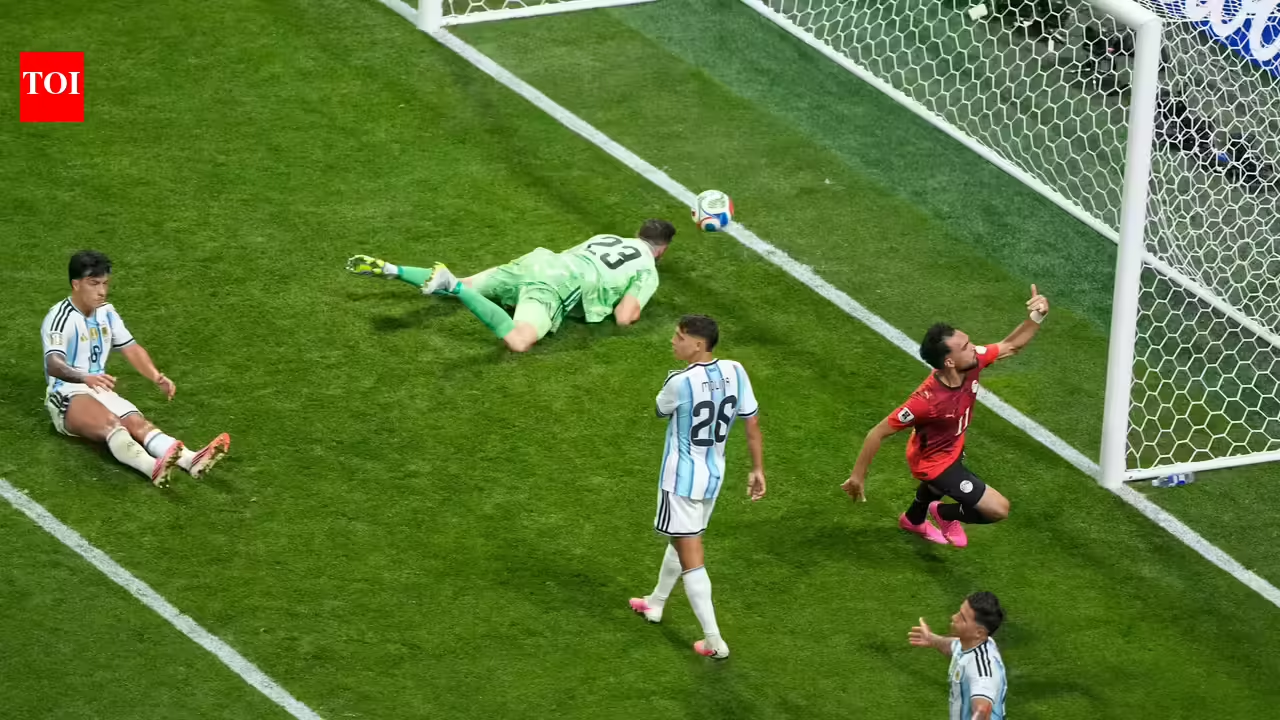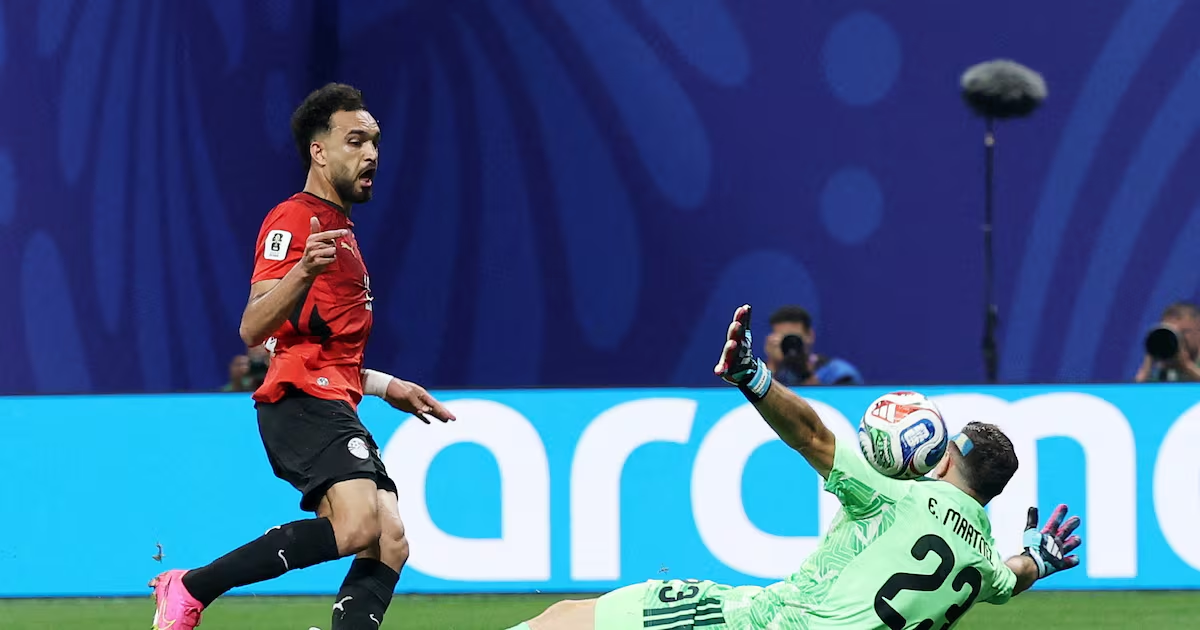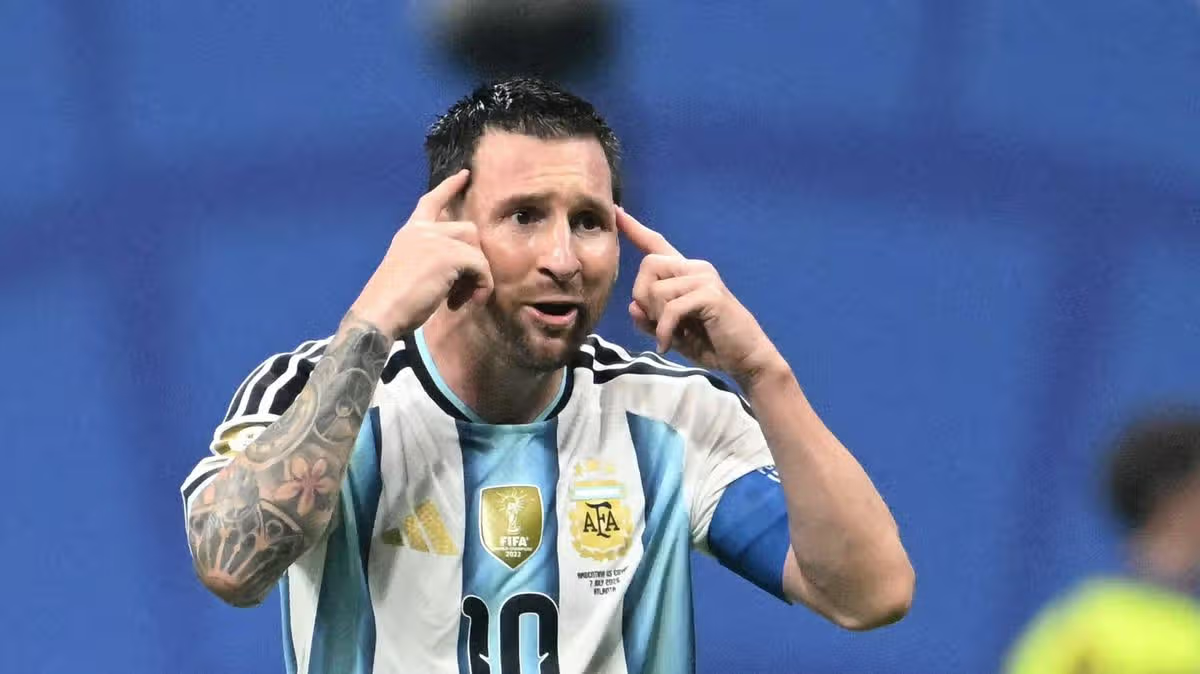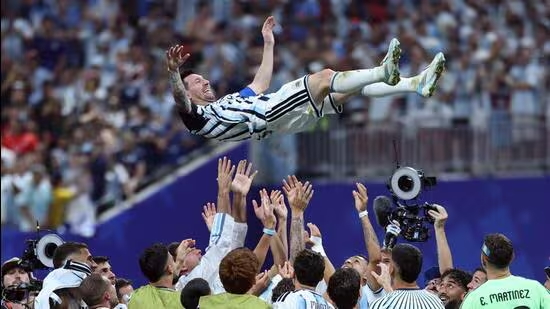
Kolkata: What should have been hailed as the match of the World Cup has instead, for many, left a bad taste in the mouth with Egypt insisting they were unfairly eliminated from the last 16 on Tuesday.Lionel Messi celebrates with teammates after winning the World Cup Round of 16 match against Egypt. (AFP)Argentina came from behind to score three goals in 14 minutes to defeat Egypt 3-2 and reach the World Cup quarter-finals but post-match talk has been eclipsed by a fierce debate over the consistency of the Video Assistant Referee (VAR).The defending champions were heading for a shock exit after Yasser Ibrahim gave Egypt the lead before Mostafa Ziko thought he had doubled the advantage. That goal, however, was overturned following a lengthy VAR review with officials ruling that Marwan Attia had slightly stepped on Lisandro Martinez at the start of the move. Ziko, however, ensured a two-goal cushion for Egypt by scoring soon after, but Argentina mounted a dramatic late comeback through Cristian Romero, Lionel Messi and Enzo Fernandez to secure a place in the last eight.The biggest controversy came in the closing stages. Egypt believed Fernandez’s winner should have been disallowed because Alexis Mac Allister appeared to pull Hamdy Fathy’s shirt in the build-up. Unlike the earlier review that disallowed Ziko’s goal, the incident did not result in an on-field review by the referee, fuelling accusations that similar situations had not been subjected to the same level of scrutiny.“I do not want to put it nicely and talk about hard luck. We have been cheated unfairly today, we have suffered injustice,” Egypt coach Hossam Hassan was quoted as saying. “We haven’t seen respect or fair play. A penalty was ruled out (because of an alleged foul on Mo Salah just seconds before Argentina’s winner), wasn’t even checked by VAR. A second goal was remarkably disallowed. There has not even been a VAR check when we have all seen the image of the (shirt) being pulled back.”The Egyptian football federation released a statement on Wednesday, stating that its president Hany Aburida had “filed a complaint with FIFA, demanding an investigation into the French referee Francois Letexier... after the serious refereeing mistakes committed by the team of referees and double standards, which caused the Egypt team to lose the match and leave the World Cup.”While offside decisions are objective, all other VAR interventions are ultimately determined by the on-field referee, who alone decides whether to overturn a decision after reviewing footage. Even so, the contrasting treatment of the two incidents became the focus of post-match discussion.Hassan stood with both arms crossed in an “X”— football’s recognised signal for reporting racial abuse — before reiterating his belief that Egypt had been denied fair treatment. He later suggested that broader forces had favoured the defending champions.“Perhaps they wanted to keep the world champions in the competition. Perhaps they wanted Messi to stay in the running,” Hassan told BeIN Sports. “In football, there are sometimes external factors that go beyond the technical aspects. The world champions received support at every level.”Ziko wasn’t holding back as well. “No fair, no fair, referee no fair. Injustice, clear and obvious injustice. He is wasting the efforts of an entire country. From the start of the match, he was against us. It is not allowed for us to leave as 2-0 winners against Argentina.”The controversy prompted wider debate over whether VAR had been applied consistently. Former France striker Thierry Henry said the issue was not necessarily one of right or wrong decisions, but whether identical standards had been applied throughout the match.“I’ve watched the replay several times, and I understand why Egypt feel frustrated. I also understand why Argentina believe the officials got the key decisions right. That’s exactly why this debate has become so intense,” Henry said. “The biggest issue isn’t that people disagree. Football has always been full of disagreements. The real issue is consistency.”Henry noted that VAR conducted an exhaustive review before disallowing Egypt’s goal but appeared to spend considerably less time examining Egypt’s appeals later on. “When Egypt scored, VAR carried out a detailed review before the goal was eventually ruled out. Whether you agree with that decision or not, the process was thorough.“The problem is that later in the match, Egypt had penalty appeals that many people expected to receive the same level of scrutiny. Instead, those moments appeared to be resolved much more quickly, and that’s where supporters begin asking questions.”He added: “Modern football has accepted VAR because it promises one thing above everything else: consistency. Fans don’t expect perfection. Referees are human. But they do expect the same standard to be applied to every team, in every decisive moment.”Former Brazil striker Ronaldo echoed similar concerns while praising Argentina’s resilience. “Argentina are a very strong team with real champions’ mentality. To come back from 2-0 down like that shows quality and character — no doubt about it. But if we’re being honest, the refereeing had a big influence on how this game unfolded.”Reviewing the major decisions, Ronaldo questioned the consistency of supervision. “First, Egypt scored on the counter... VAR steps in and disallows it for a so-called foul in the build-up. A soft little challenge on Martinez, nothing clear and obvious. In most games, that goal stands. Then the penalty was awarded to Argentina. Marginal contact at best. You see those incidents week in, week out and they’re waved away.“Argentina showed they can win ugly, but football deserves better. The big calls shouldn’t feel like they’re protecting one side. Respect to Egypt—they played a great game and pushed the champions all the way.”Argentina’s comeback ensured the holders remained on course to defend their title, with Messi recovering from a saved first-half penalty to score a crucial equaliser before Fernandez completed the turnaround. Yet, despite the dramatic result, it is the quality of refereeing that continues to dominate the conversation.For Egypt, the grievance is about what they see as an uneven application of VAR. For others, the match has again highlighted the challenge facing football—even with technology designed to reduce controversy, perceptions of inconsistency and unfair treatment can quickly overshadow the game.
Debate rages as Egypt allege VAR inconsistency favouring Argentina
VAR intervened to rule out Egypt’s second goal, but didn’t even check a foul claim in the Argentina penalty box before the winning goal | Football News
1,021 words~5 min read