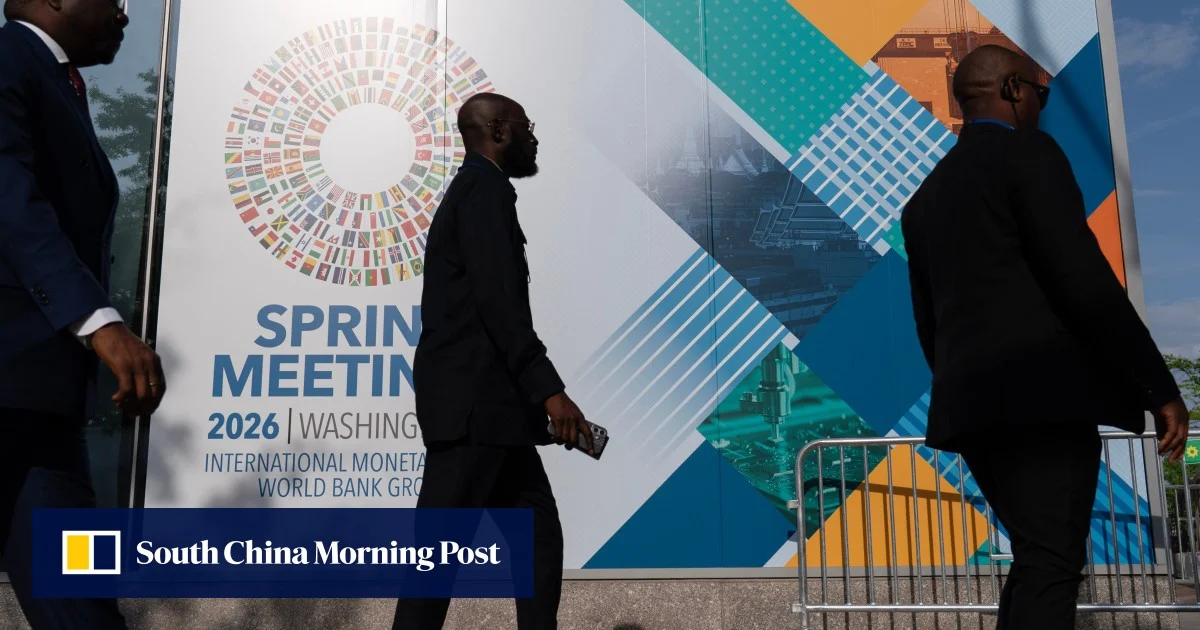
The International Monetary Fund (IMF) announced that the global economic growth forecast for 2026 remains largely unchanged, crediting advancements in artificial intelligence (AI) for mitigating adverse impacts from ongoing Middle East conflicts. Petya Koeva Brooks, the Deputy Director of the IMF’s Research Department, outlined these insights during a Bloomberg Open Interest discussion. Despite escalating geopolitical tensions, AI-driven productivity gains are contributing significantly to the world’s economic stability, with the IMF estimating a potential $15.7 trillion boost to the global economy by 2030 due to AI advancements.
Key Takeaways
Market pricing suggests that the IMF’s report may support scenarios where the Federal Reserve does not change interest rates in the near term.
The positive outlook from AI’s economic contributions appears to reduce expectations of significant rate cuts, as it implies stronger growth and potential inflationary pressures.
The ongoing investment in AI infrastructure in the Middle East, despite conflict risks, reflects continued confidence in AI’s economic potential.