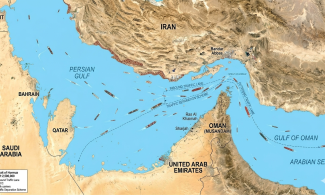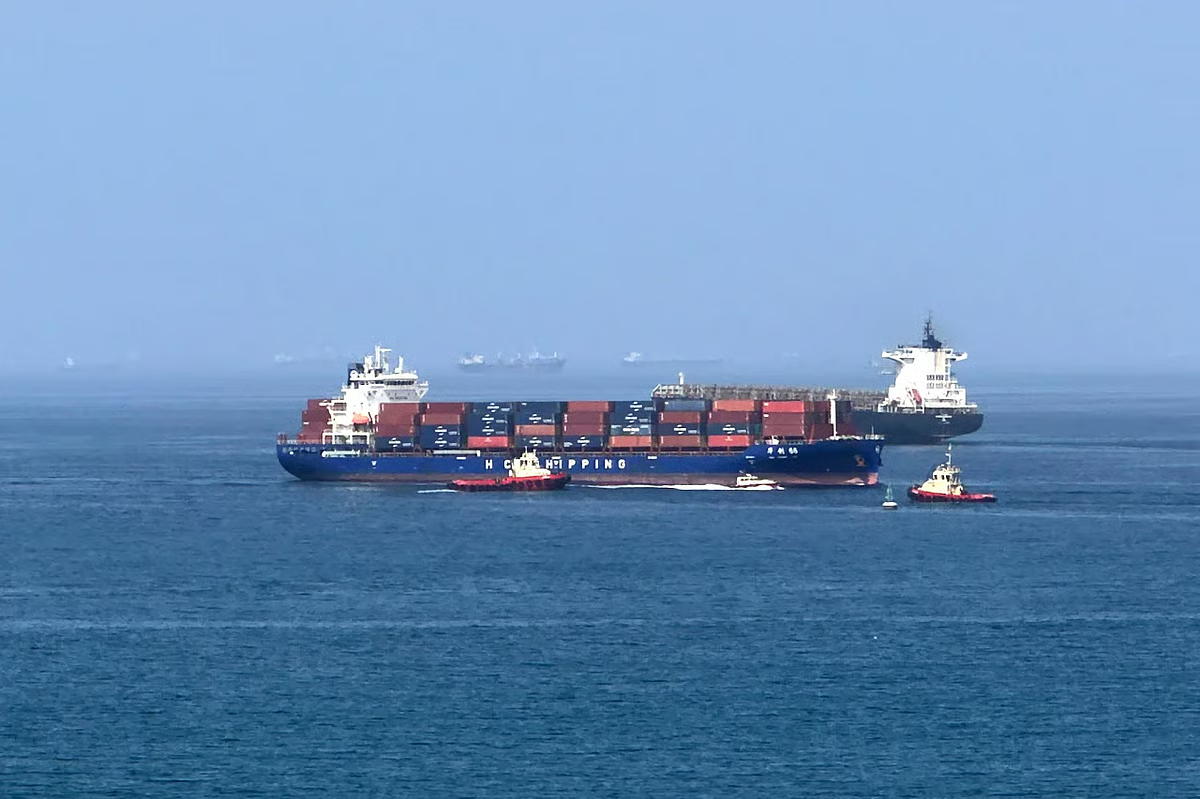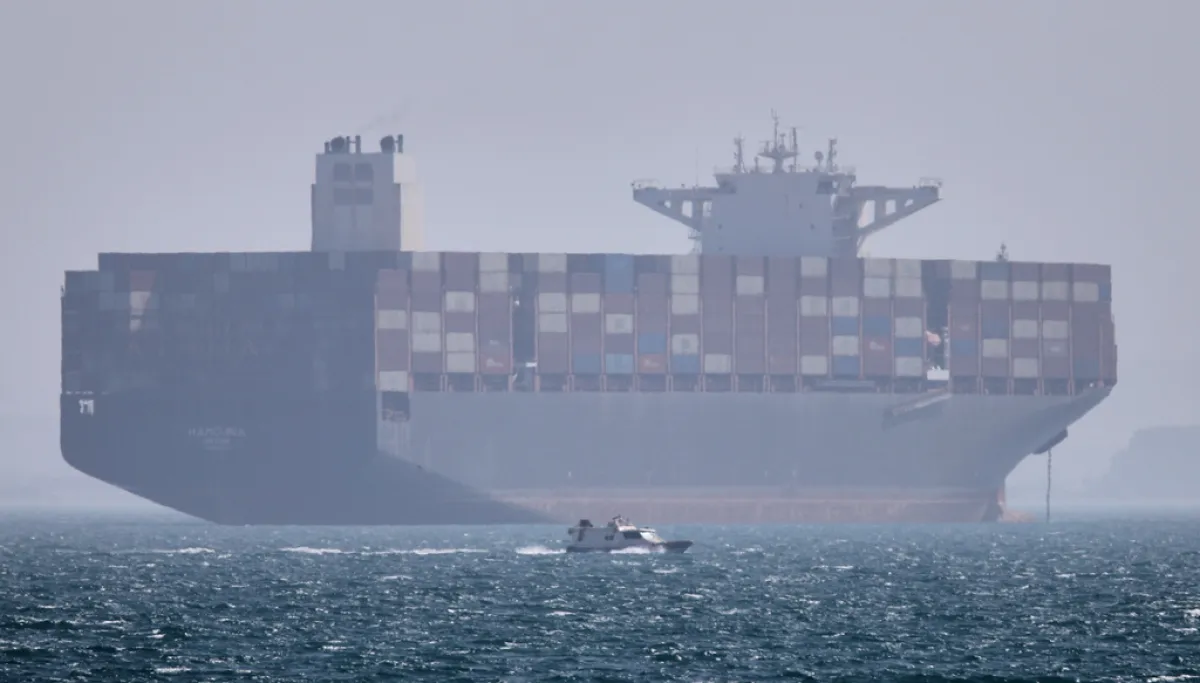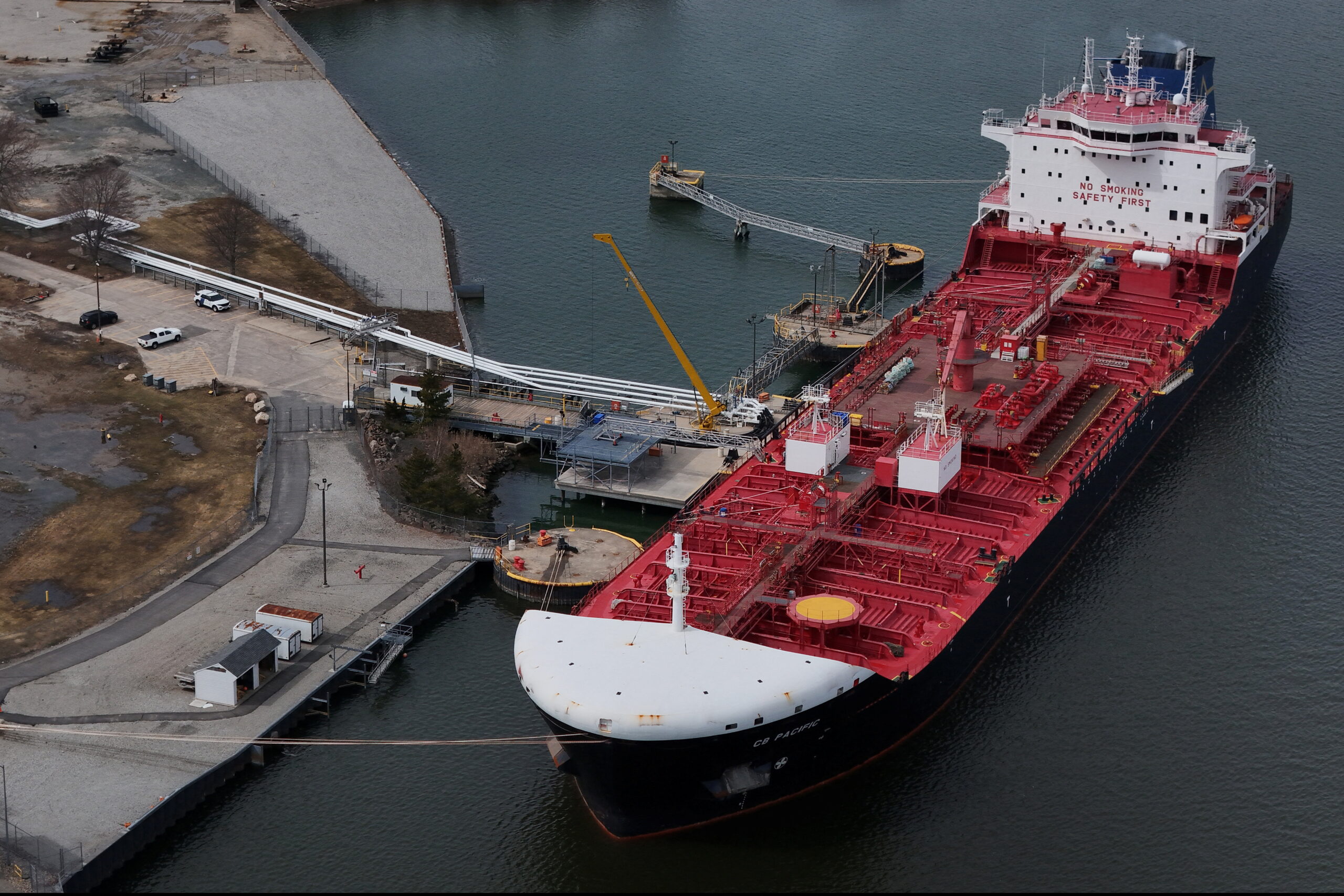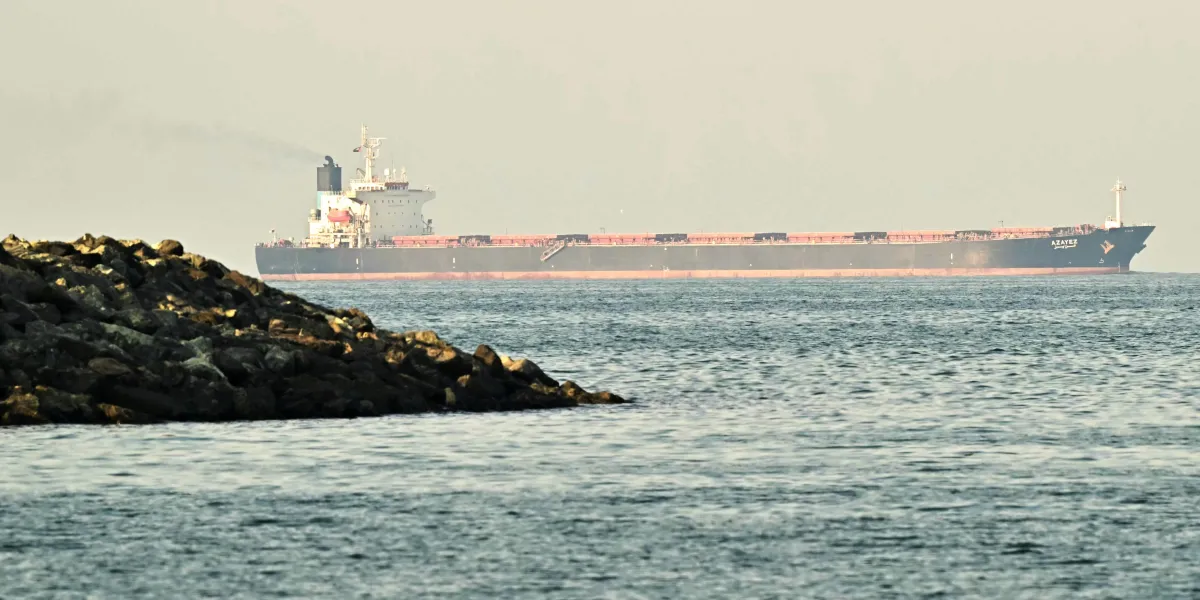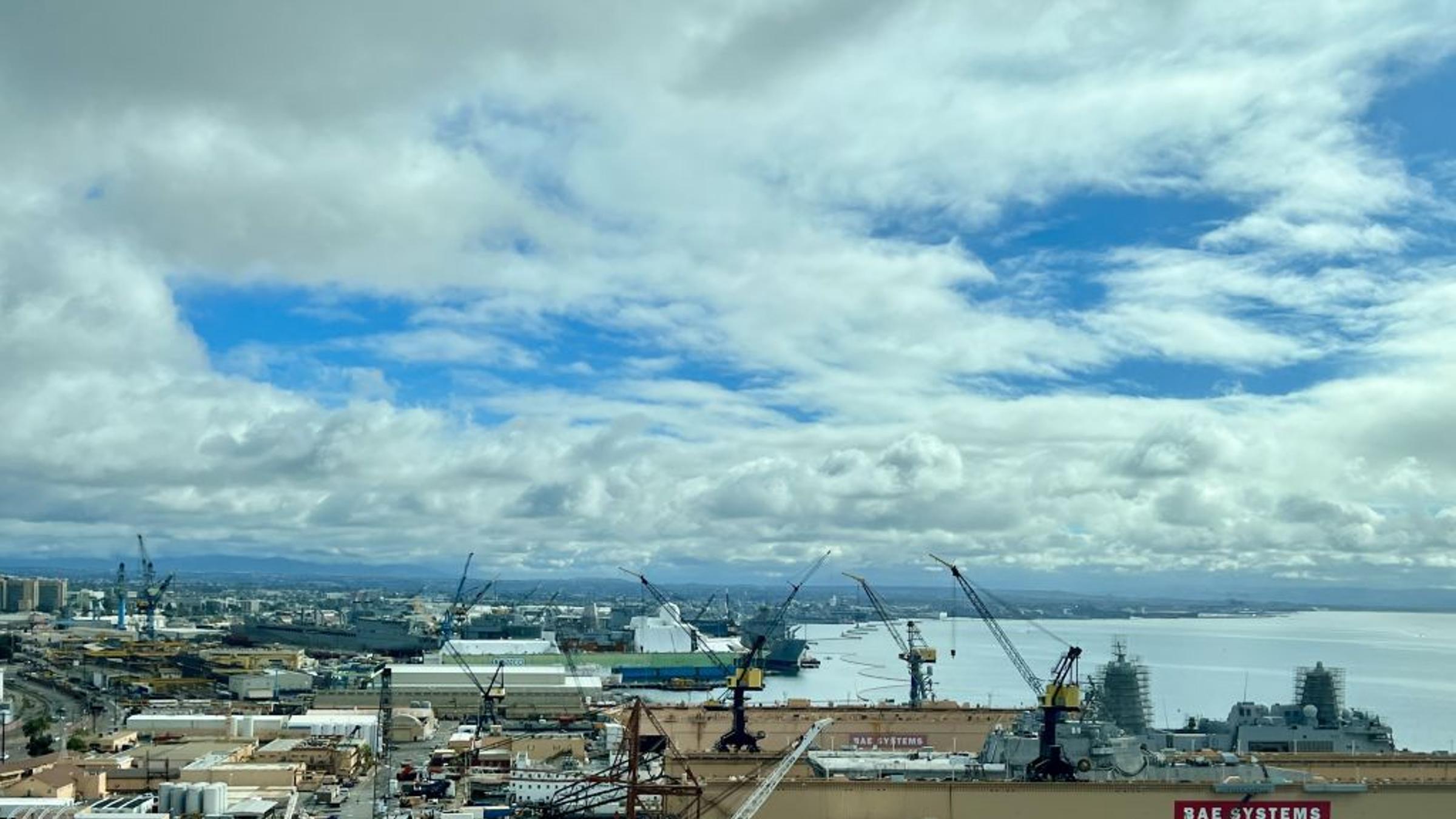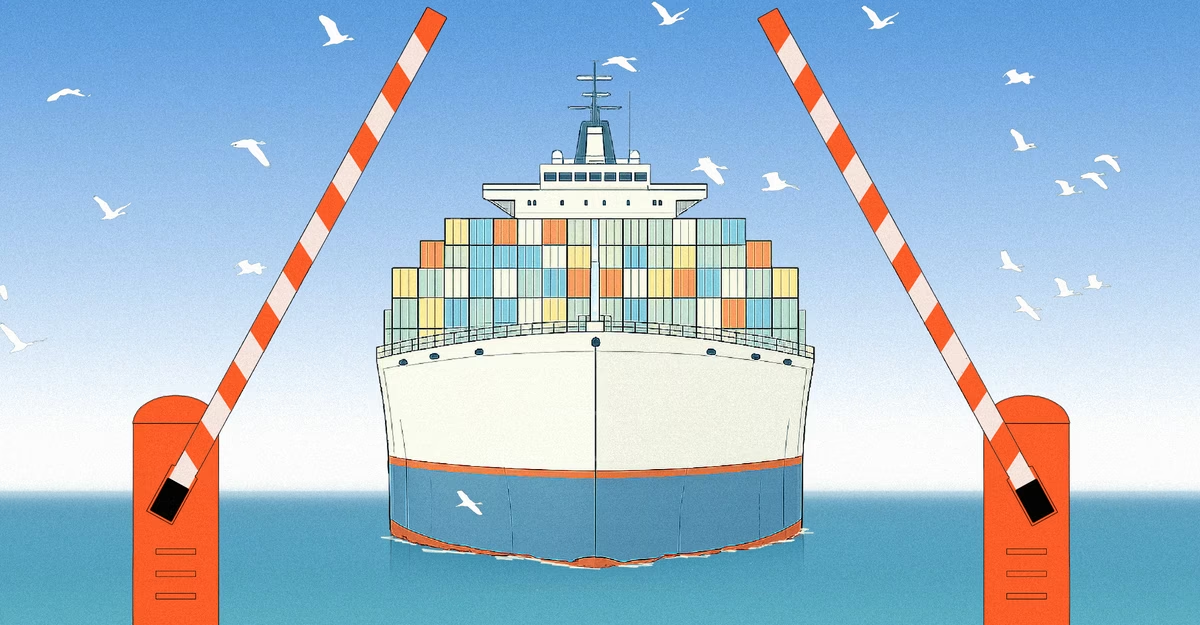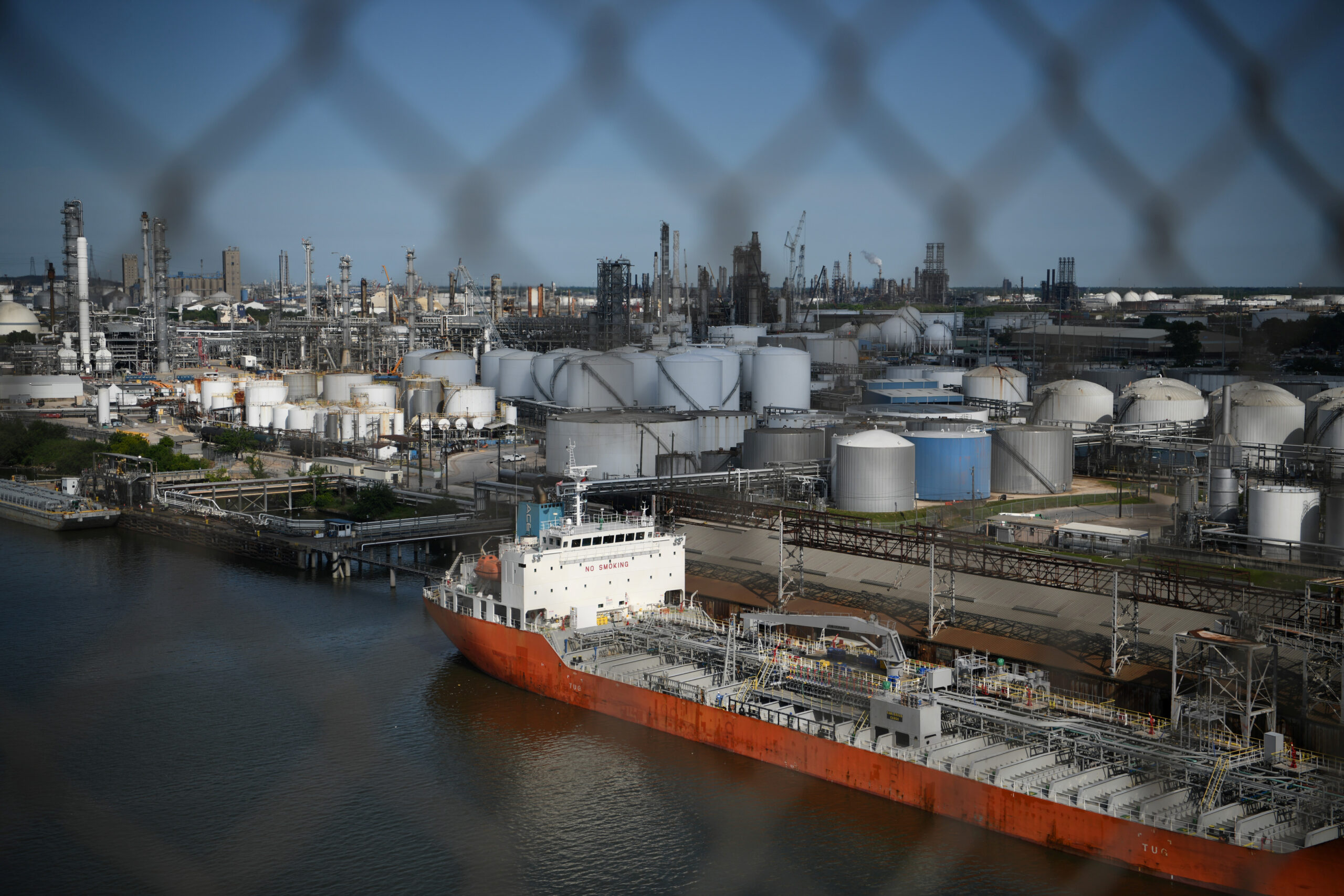
The closure of the Strait of Hormuz, a choke point for about 20 percent of global oil supplies, and 30 percent of global liquefied natural gas (LNG) supplies was precisely the kind of national security emergency the Jones Act was designed to weather. The initial purpose of the 1920 law was to shield domestic shipping from foreign competition and support national security by requiring that vessels transporting goods on the water between US ports be American built, owned, and crewed. Instead, the Iran crisis triggered a cascade of failures and forced the White House to admit that the Jones Act itself was a liability.
The most glaring failure was in LNG. Because there are zero Jones Act-compliant LNG carriers, it is impossible to ship America’s own abundant natural gas from the Gulf Coast to ports in New England or Puerto Rico under the current Jones Act regulations. It is also difficult to ship plentiful crude oil or refined products from the Gulf Coast to refiners or terminals on the East or West Coast. Instead, it is normally less expensive to frequently receive fuel from other countries. These regions, occasionally reliant on foreign imports, faced the prospect of catastrophic supply shortages as available tankers were diverted to more lucrative international routes. The United States, the world’s leading energy producer and exporter, found itself more able to supply global markets than other parts of the United States due to its own laws.