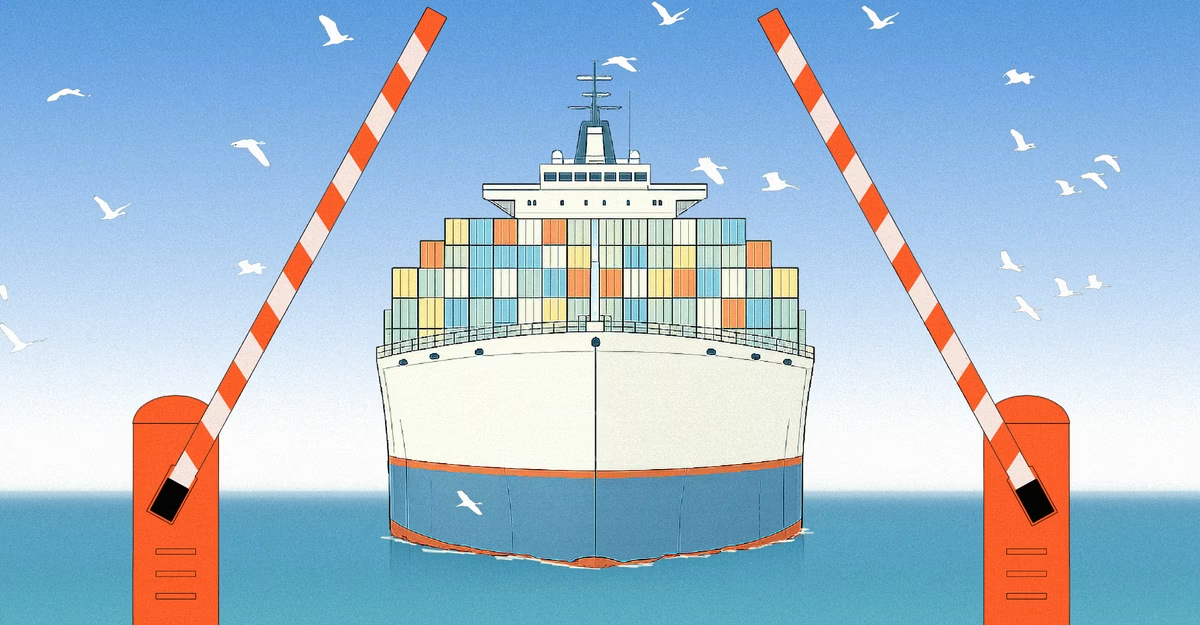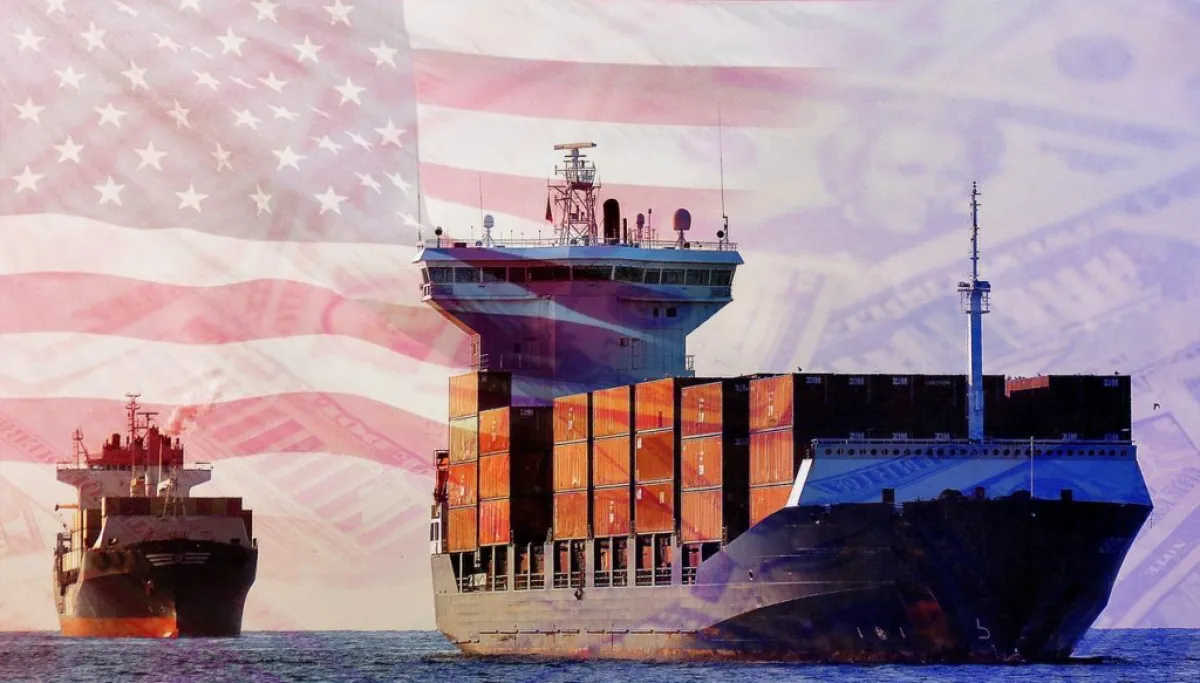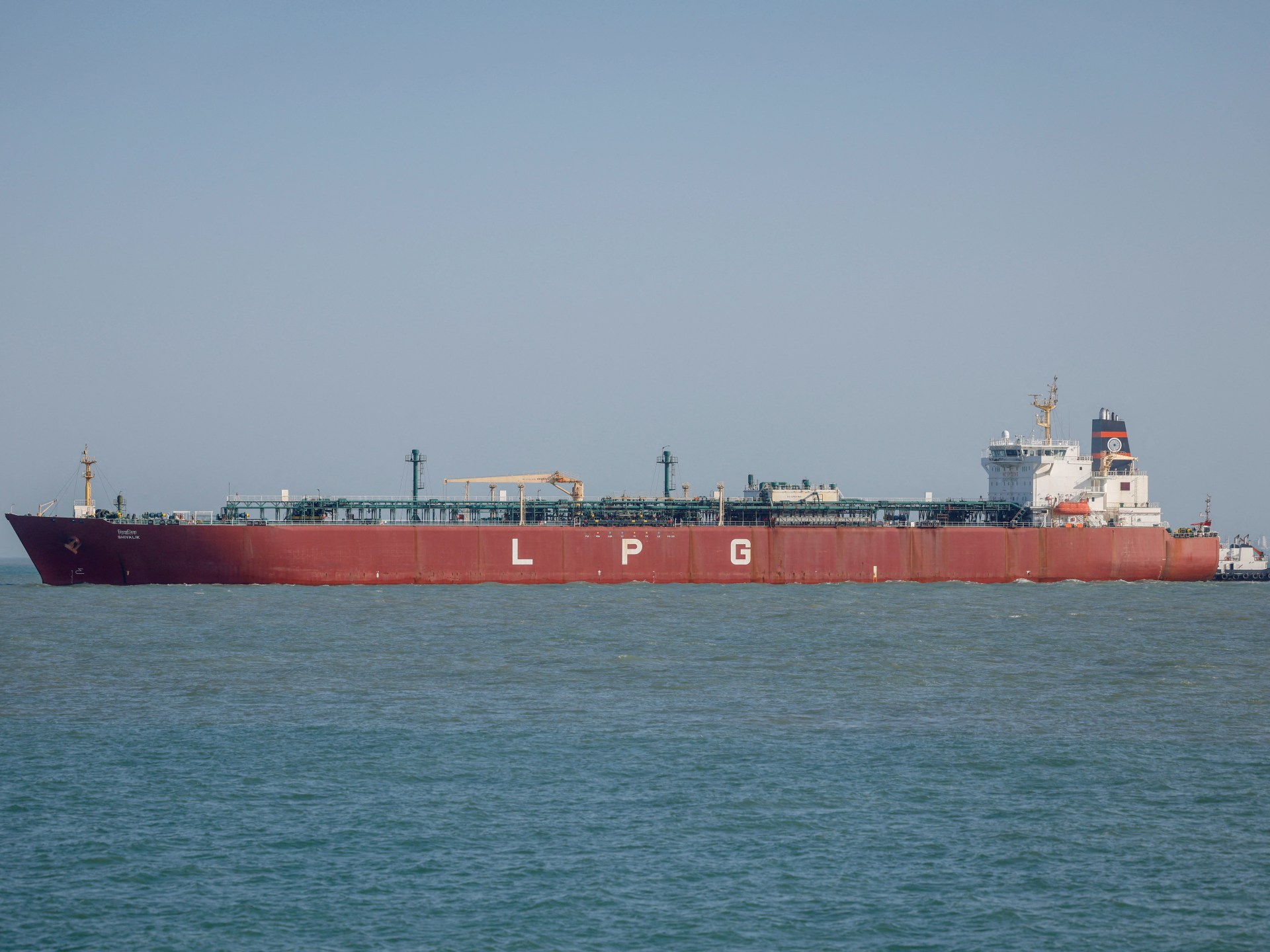
President Donald Trump waived the Jones Act in March, calling it a temporary measure to ease fuel prices after the Iran war cut oil supplies. Prices haven’t fallen, but the market has started recalibrating whether America’s foundational maritime and homeland security law still matters.For most Americans, this feels new. But for the U.S. offshore marine industry, the segment that builds, supplies, and decommissions offshore energy assets, we have seen this before. For decades, large interests have influenced the enforcement of the law. Consumers rarely notice because profits stay with the profiteers. Now, everyone is paying attention because gas prices aren’t going down.The Jones Act requires vessels transporting cargo between U.S. points to be American-built, American-owned, and American-crewed. Its purpose is to sustain a domestic maritime industry capable of supporting both commerce and national defense. But over the past 50 years, U.S. Customs and Border Protection issued hundreds of administrative “letter rulings” that carved out broad non-statutory exceptions for offshore energy, including pipeline laying, cable installation, heavy-lift operations, and decommissioning on the Outer Continental Shelf.
The quiet erosion of American maritime power
The Jones Act is not a relic. It is the legal foundation for our sovereign domestic fleet, securing our maritime borders and serving as a military asset.
860 words~4 min read