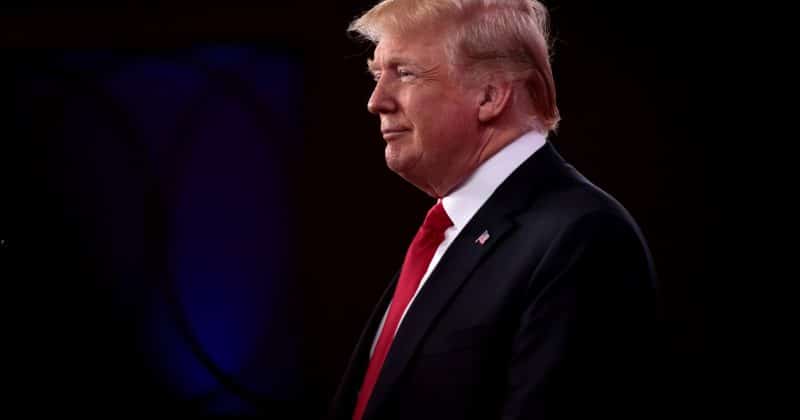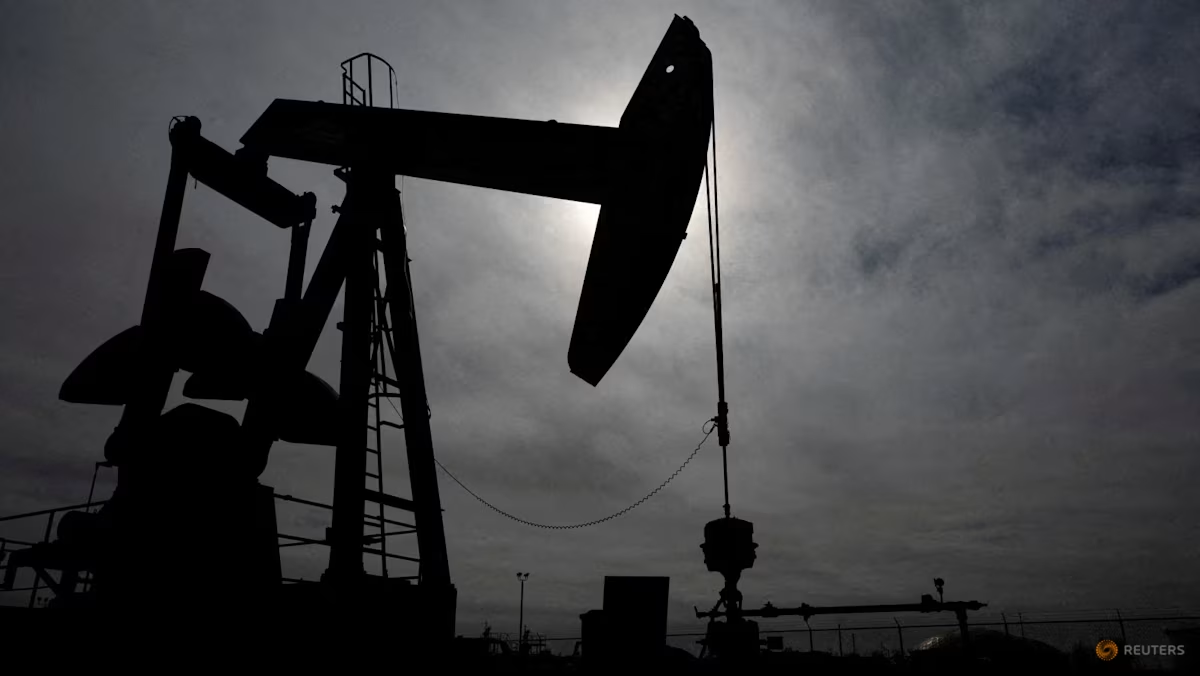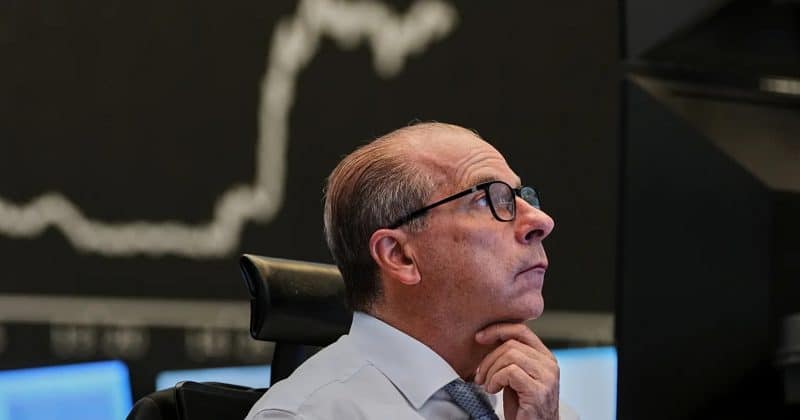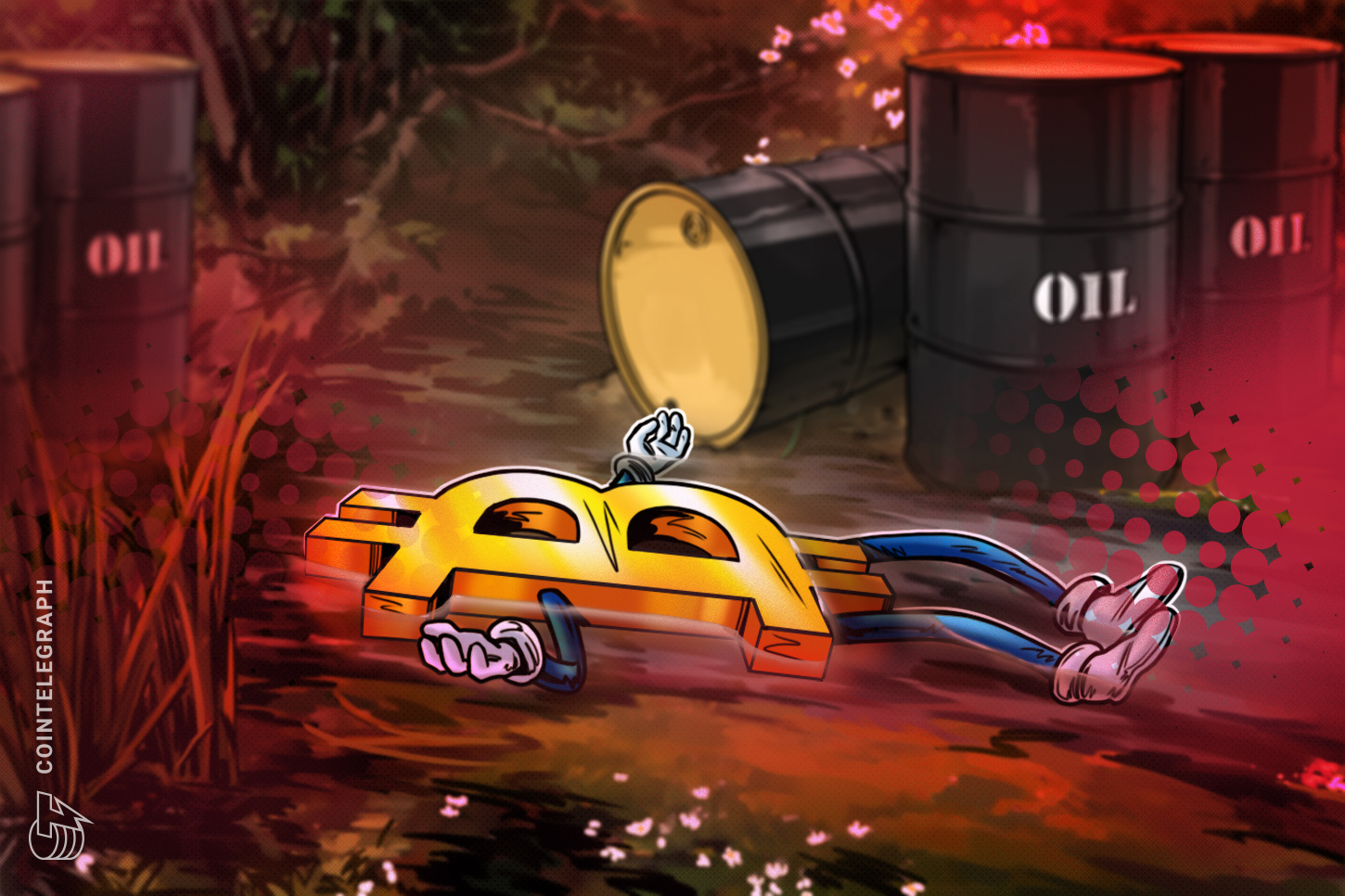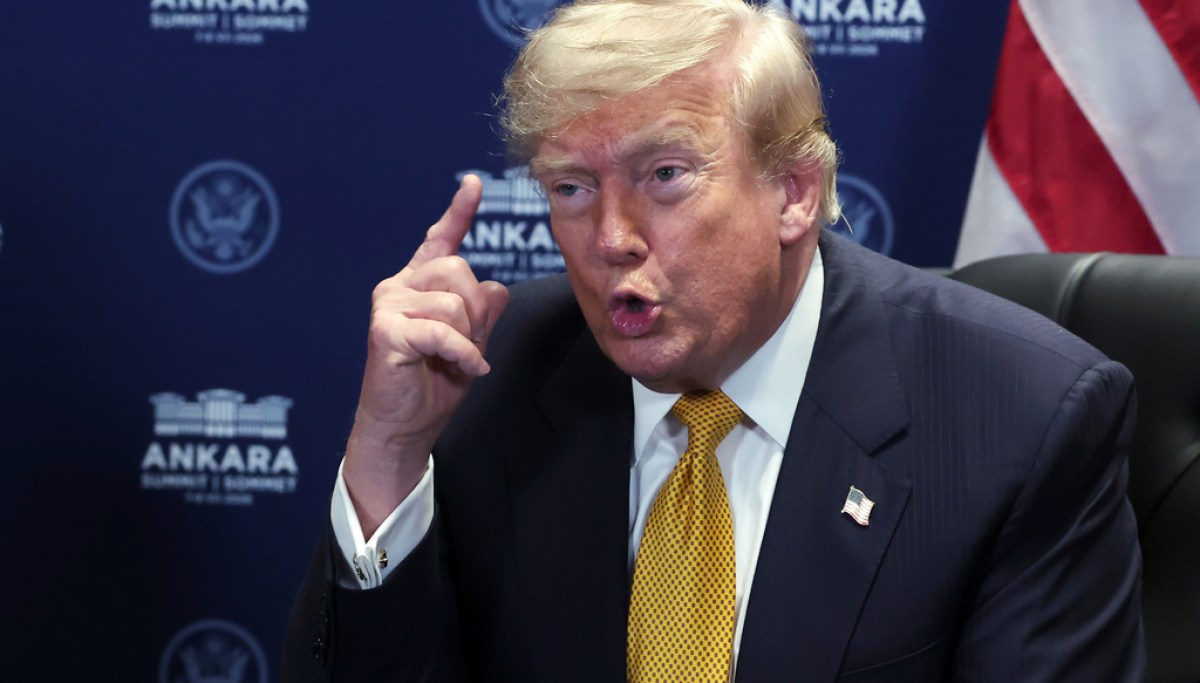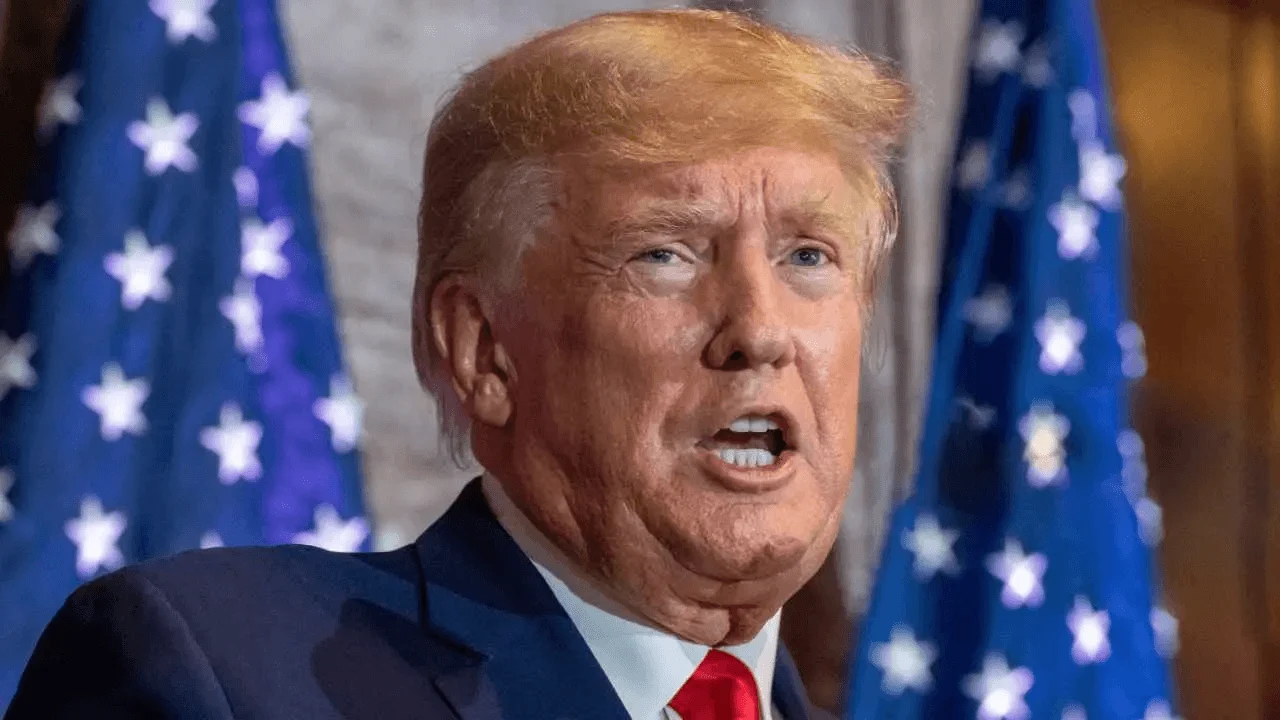
Global and domestic markets reacted sharply on Wednesday, July 8, 2026, to the renewed escalation of tensions between the United States and the Islamic Republic. Following U.S. President Donald Trump’s announcement that the ceasefire and temporary agreement with Iran had ended, global oil prices surged by more than 5%, the U.S. dollar re-entered the 180,000-toman territory in Iran’s free market, and the Tehran Stock Exchange suffered a major drop across key indices.
The price of Brent crude, the international benchmark for the oil market, jumped 5.3% to settle at $78.09 per barrel. This spike came after the energy market had already faced upward pressure following previous tit-for-tat military strikes between the U.S. and the Islamic Republic, as well as attacks on commercial vessels in the Strait of Hormuz.
Simultaneously, gold prices soared domestically, with the price of one gram of 18-karat gold crossing the 17,752,000-toman threshold.
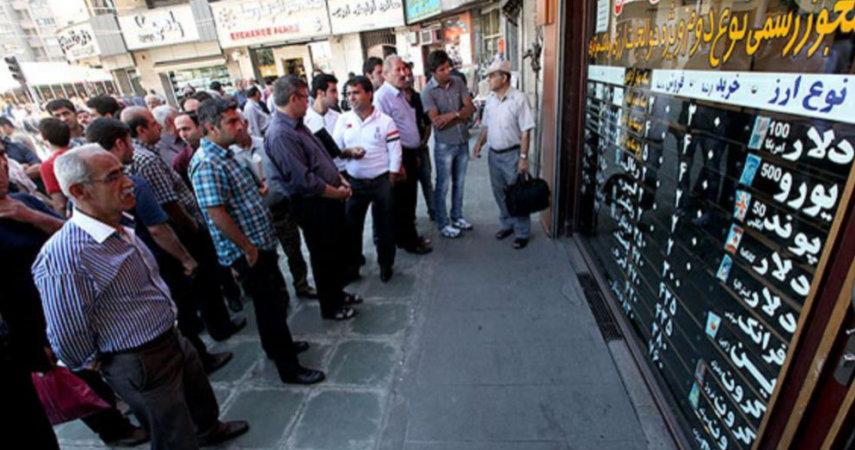
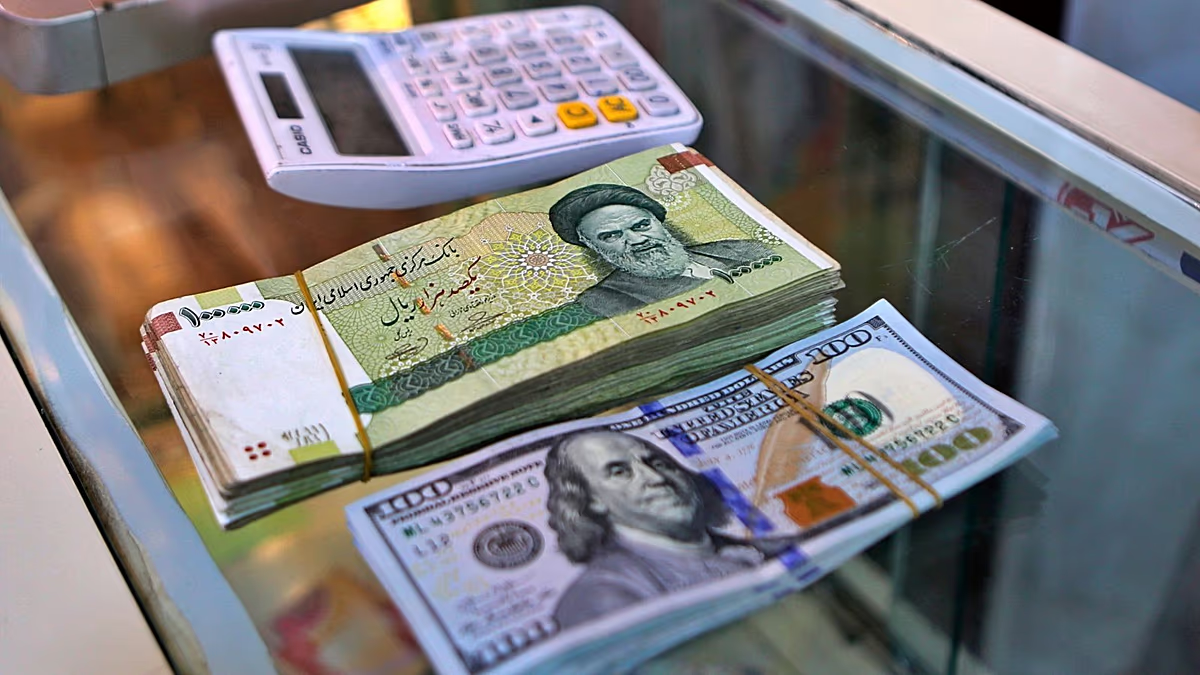
Iran’s free-market foreign exchange rates reacted almost immediately to the geopolitical developments. According to prices published across currency tracking websites and informational channels:
US Dollar (cash): Reached approximately 180,800 tomans.US Dollar (remittance/hawala): Surpassed 185,000 tomans.British pound: Traded at around 241,000 tomans.UAE dirham: A key driver of the dollar rate in Iran, reached roughly 50,000 tomans.