When millions of people fled Ukraine following Russia’s invasion in 2022, governments and humanitarian organizations used mobile phone and online platform data to track movements and identify where support was needed.
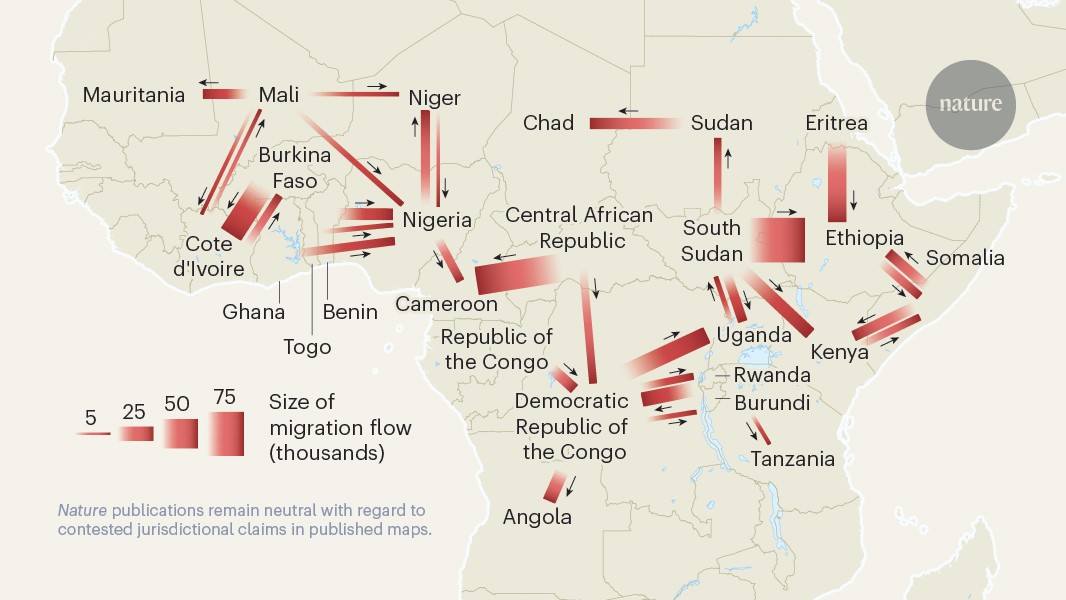
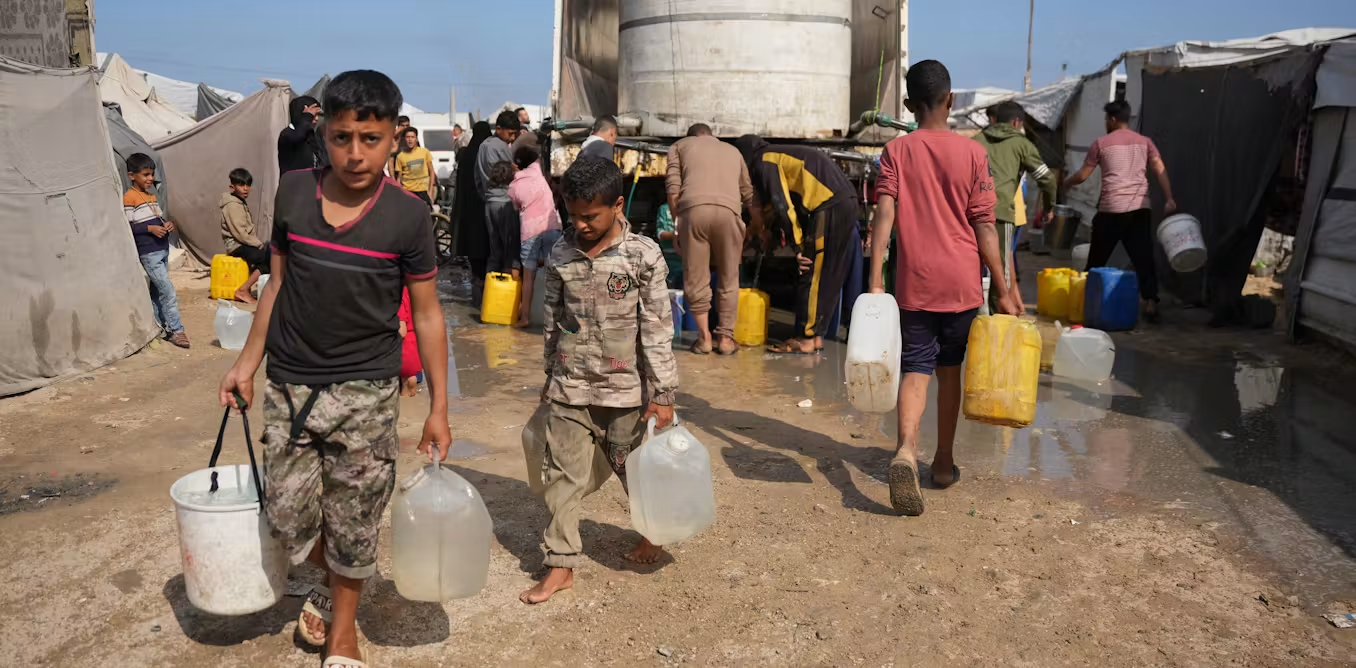
Similar approaches have been used to monitor population displacement in Cameroon, and in Gaza during the Israel-Hamas war. This is part of a wider shift in which governments, organizations and researchers are using a new generation of data — including mobile phone records, social media activity, satellite imagery and online search patterns — to understand migration.
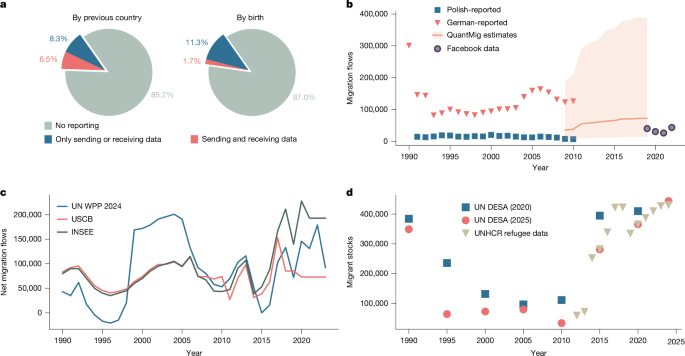
The value of these tools is clear. Migration is dynamic. These digital traces reveal population movements in real time, often months or years before official statistics become available.
But every form of measurement captures some realities while obscuring others. As researchers working on migration and digital technologies, we have found that while digital data are analytically valuable, they exclude key populations and cannot capture migration as a lived experience.
Migration’s digital traces