In Japan they call it satori no sedai – the “enlightened generation” — a cohort of young adults emerging from the economic stagnation of the early 2000s who spurn traditional societal expectations around work, careers, family, and consumerism. A less literal translation would be the “resignation generation.”
Other East Asian countries have the same phenomenon with a different name. In South Korea, as noted in a recent piece in The Diplomat, nearly half a million people now fall into the “just resting” category, an entire generation of mainly young people who are neither in nor seeking employment.
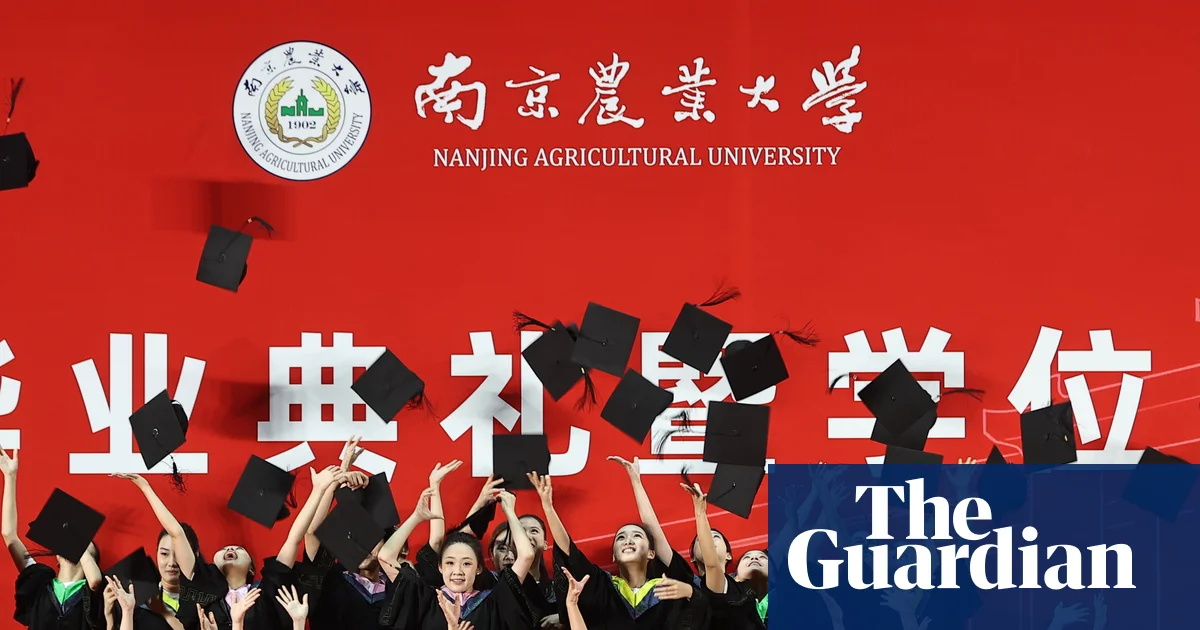
In China, poor employment prospects for young people and intense competition for top university places and jobs have spurred the emergence of the “lying flat” generation, who eschew traditional social expectations around work and careers while seeking to reframe the meaning of life success and fulfillment.
This growing sense of detachment undoubtedly has numerous causes: flatlining economic growth, demographic shifts, over-supply of white-collar jobseekers, and broader cultural changes. But one of the most prominent causes is likely to be technological, as ever more powerful AI technologies make inroads into areas of knowledge work traditionally seen as the preserve of humans. Large-language models and AI agents can now carry out tasks as diverse as writing, code generation, marketing, and drug development.