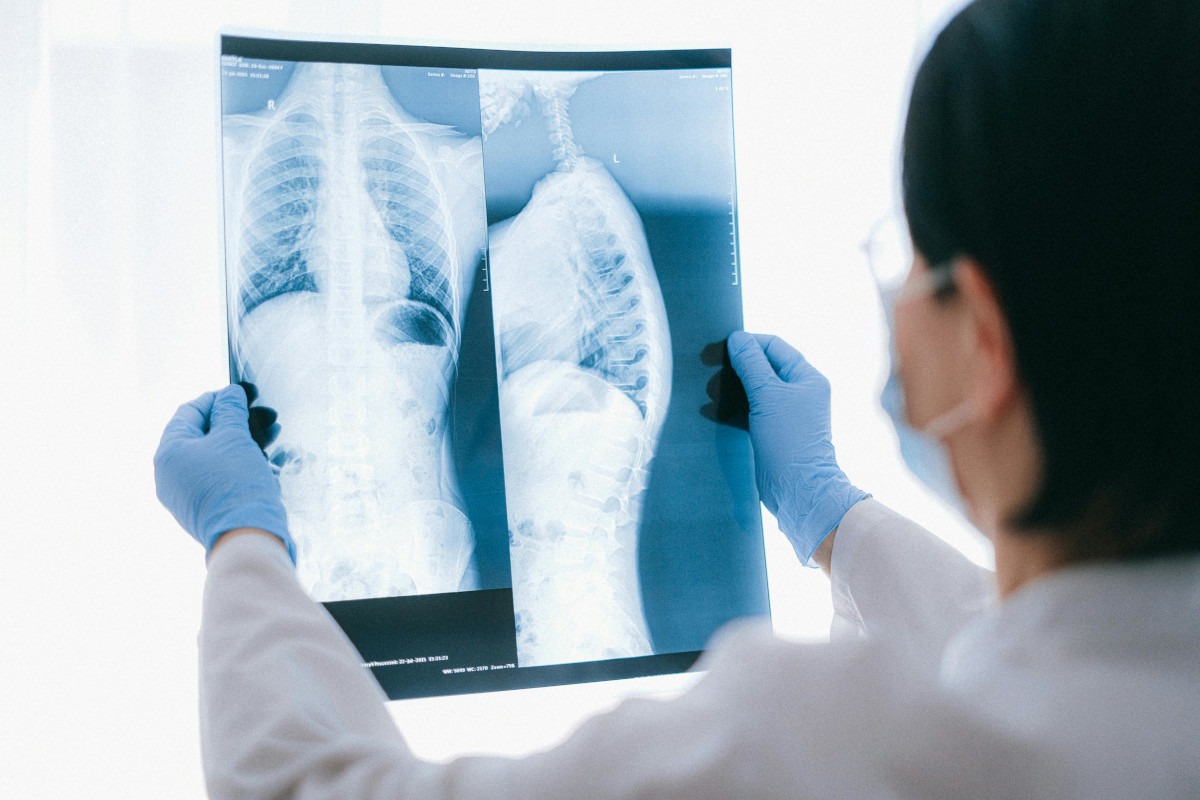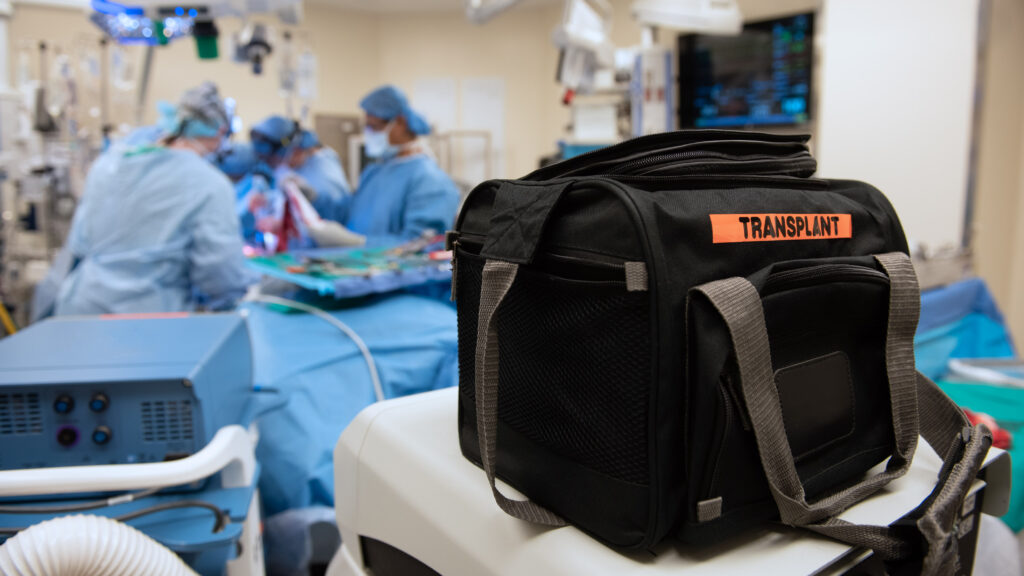
Could a lifesaving lung transplant strategy that contained the Covid-19 virus also save patients whose advanced lung cancer hasn’t spread?
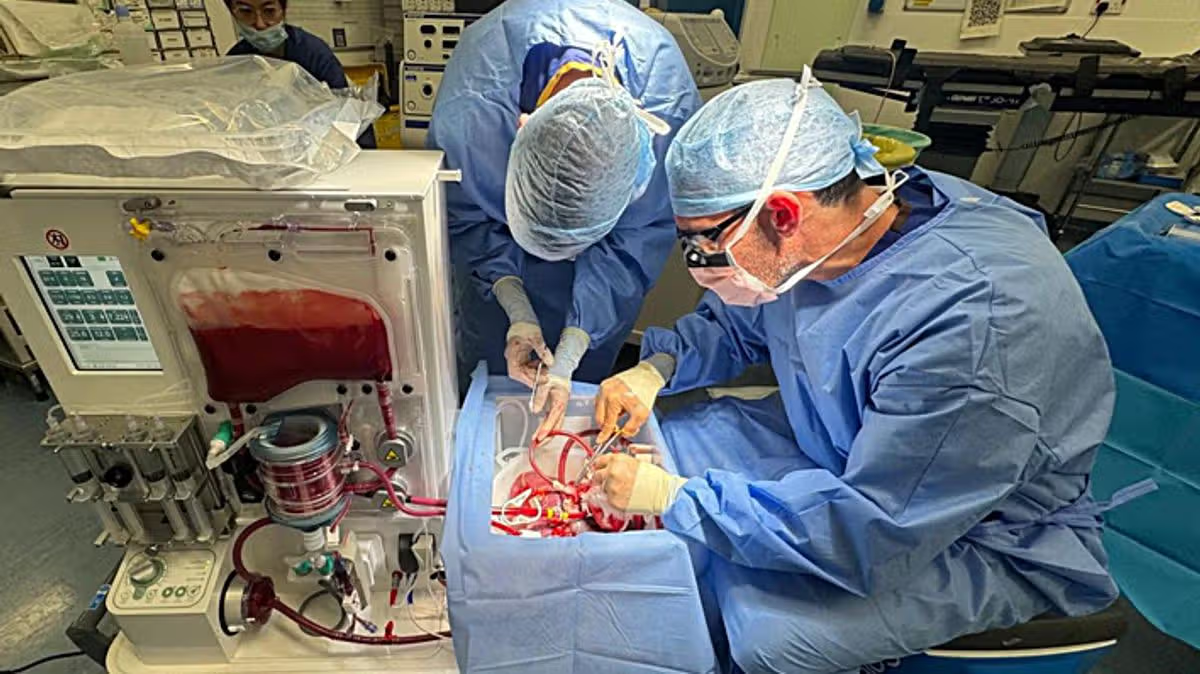
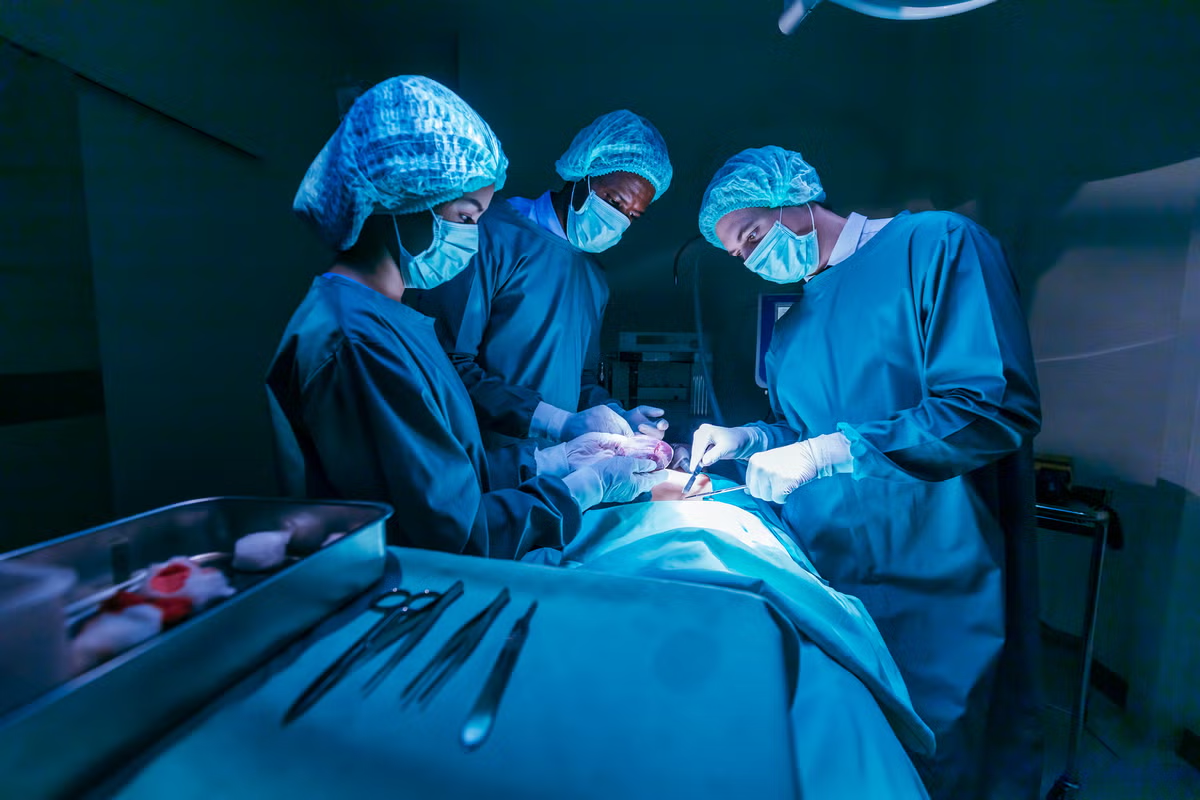
That’s the question that inspired surgeons and oncologists at Northwestern Medicine to offer double lung transplants to patients who had run out of treatment options but whose late-stage cancer hadn’t left their lungs. People with late-stage lung cancer have not been transplant candidates before for two reasons: rates were high for cancer recurrence and low for survival.
There are ethical considerations to weigh, too, when deciding how to allot donated organs.
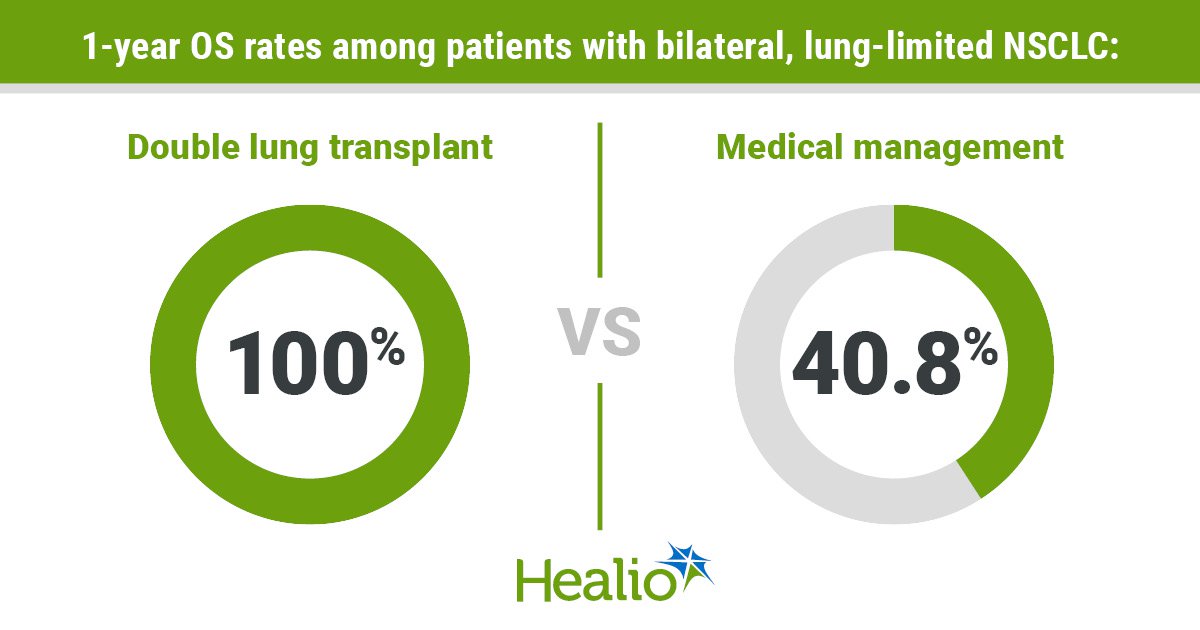
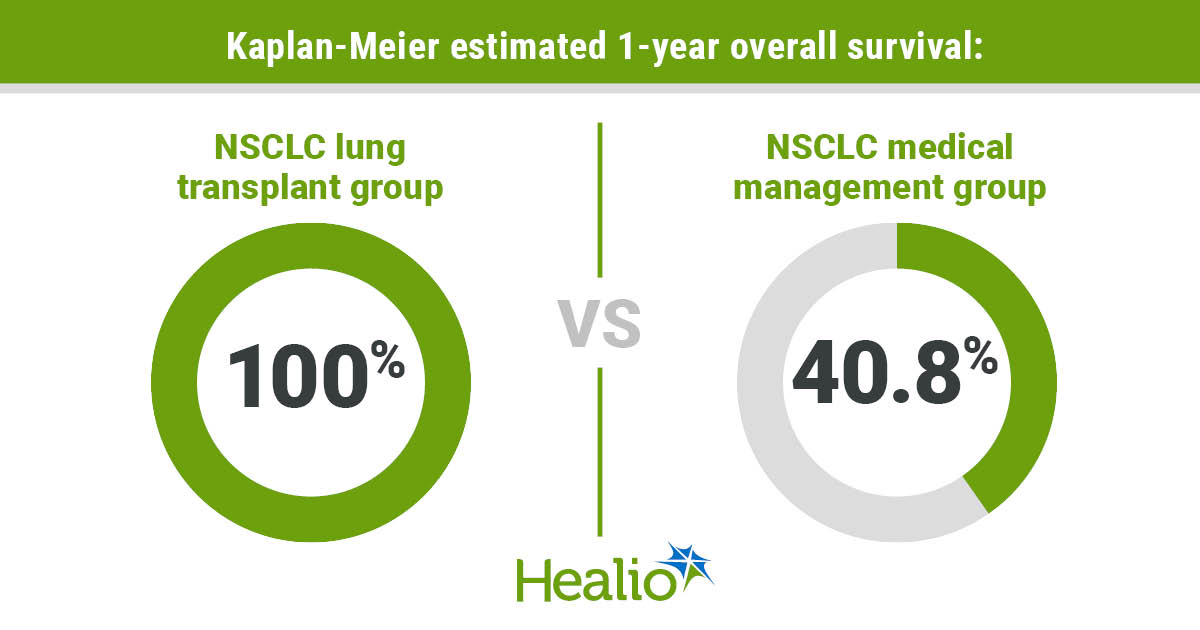
On Wednesday, the Northwestern team reported in JAMA that the 17 patients who received lung transplants after advanced but limited cancer fared better than 81 similar patients who continued standard immunotherapy, chemotherapy, or radiation treatments. Overall, the study followed 404 patients with end-stage pulmonary disease, including 98 with stage 4 lung cancer.
After one year, through June 2025, all the lung cancer transplant patients had survived compared to 88% of patients transplanted without cancer. Among those 17 patients, by January 2026, there were four recurrences of cancer and two deaths unrelated to cancer — one from an infection and one from a blood clot. Among the 81 cancer patients getting standard care, 74 saw their cancers progress.