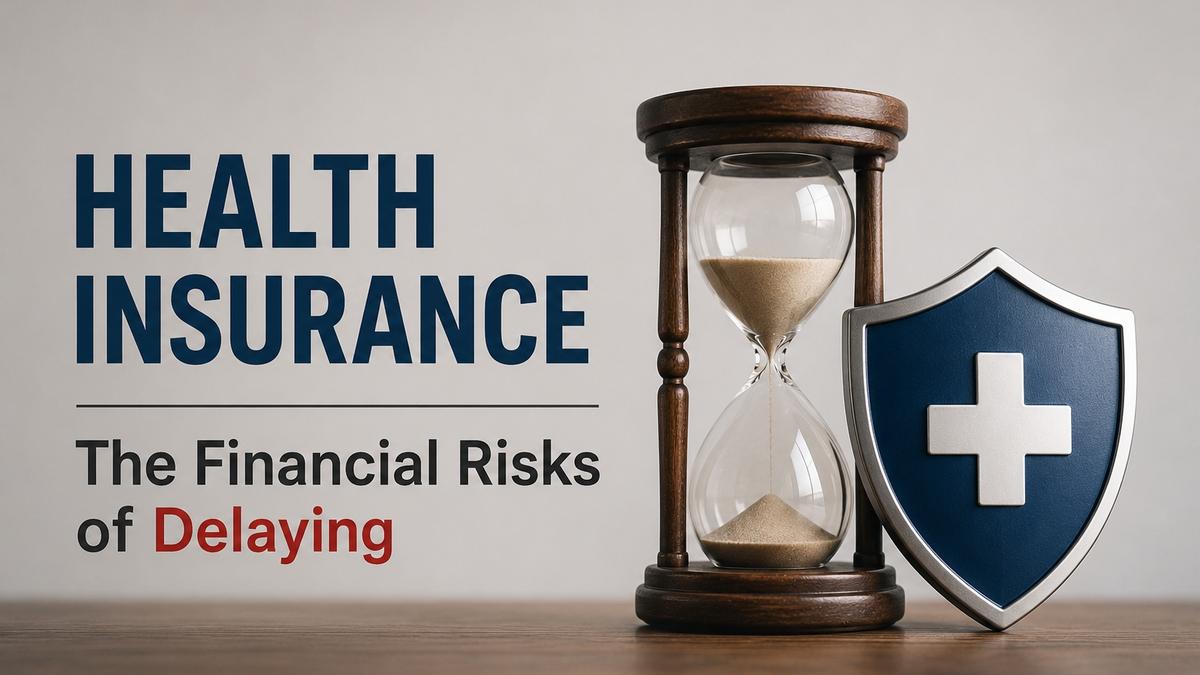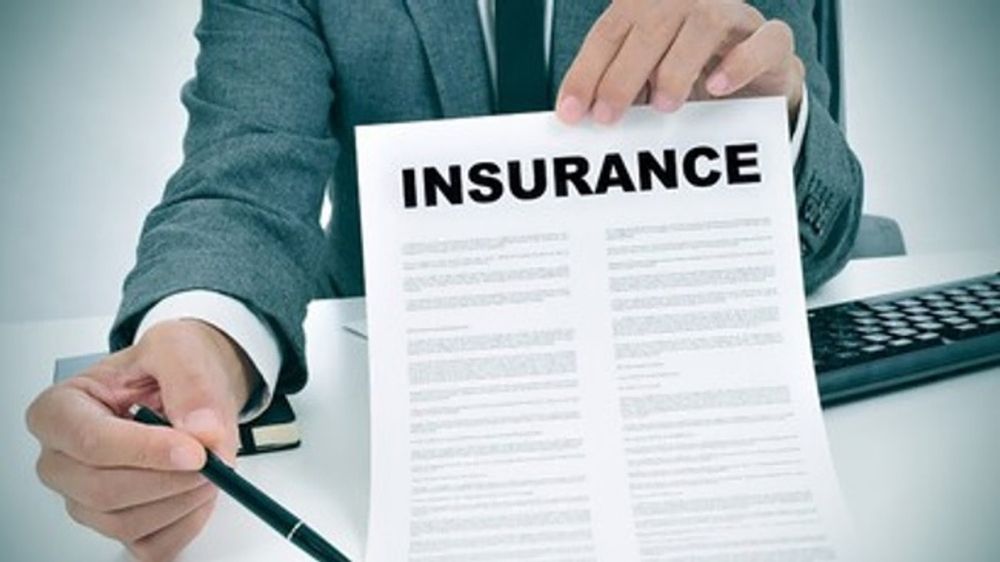
As inflation and the rising cost of living continue to strain household and business budgets, many people are cutting non-essential spending to stay afloat. Insurance has increasingly found itself on the chopping block, with policyholders reducing coverage limits, dropping optional benefits or delaying policy renewals to lower monthly expenses.
While this may appear to be prudent financial management, reducing insurance cover is often a false economy. It lowers costs today but can expose individuals and businesses to devastating financial losses when the unexpected happens.
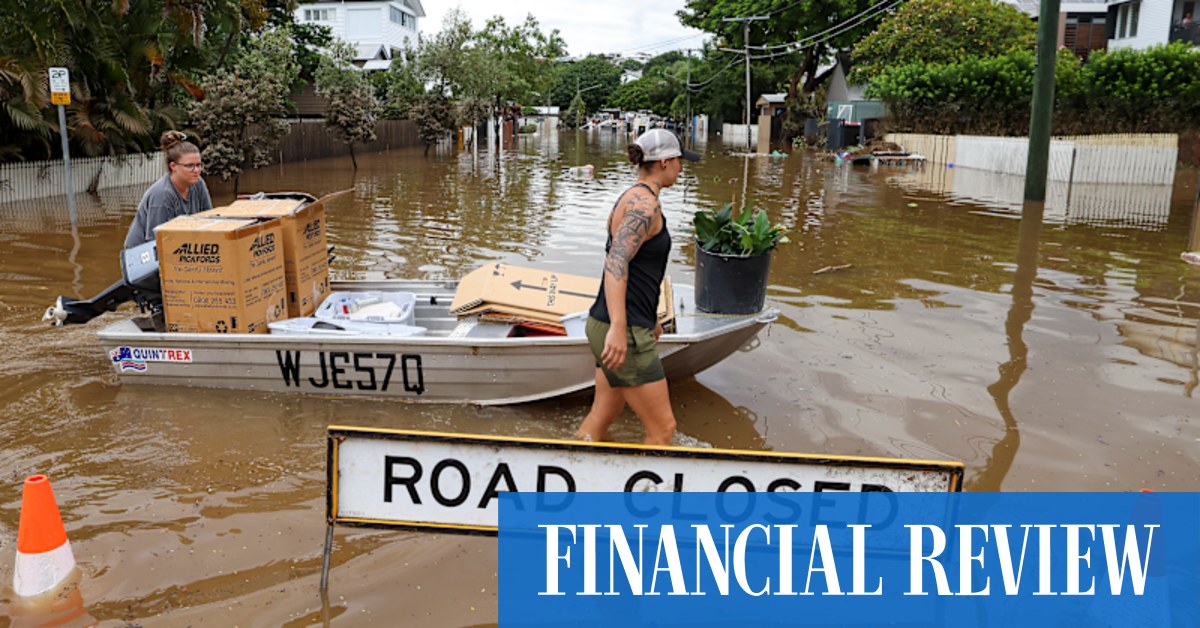
The dangers of having no insurance are obvious. The risks of underinsurance, however, are far less visible until a claim is made. You diligently pay your premiums and assume you are protected, only to discover after an accident, illness or disaster that your policy does not provide enough cover. The resulting out-of-pocket costs can quickly wipe out years of savings.
Related
Why it is time to rethink employee benefits