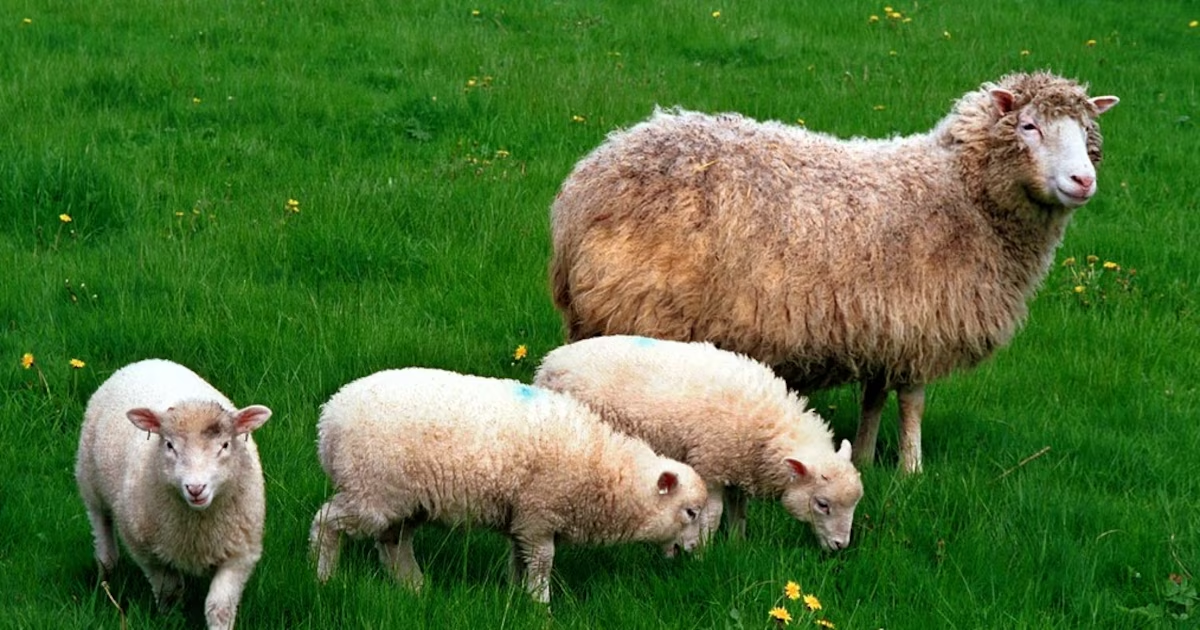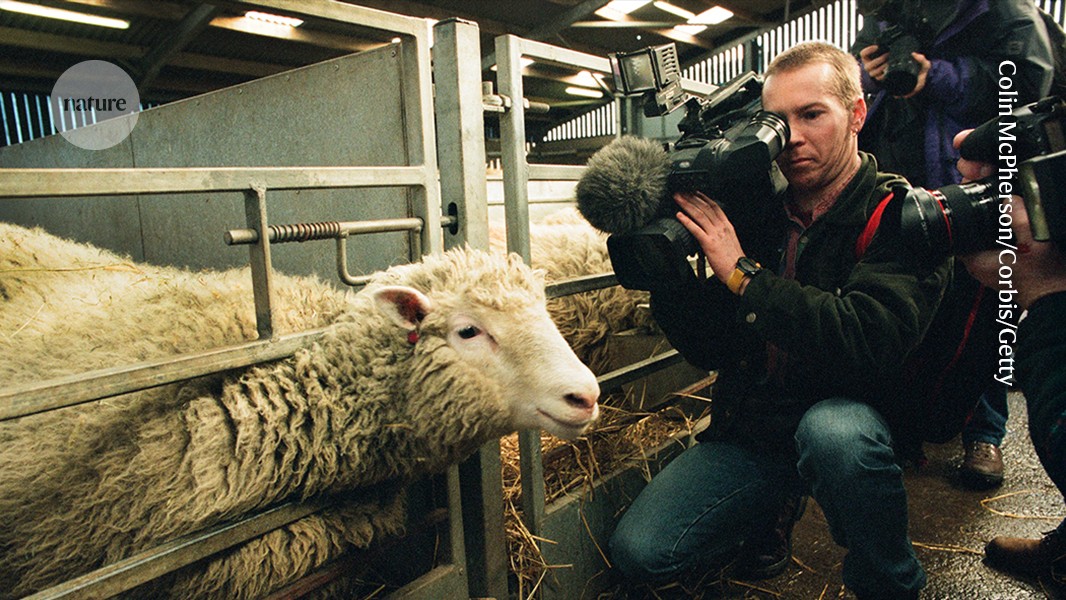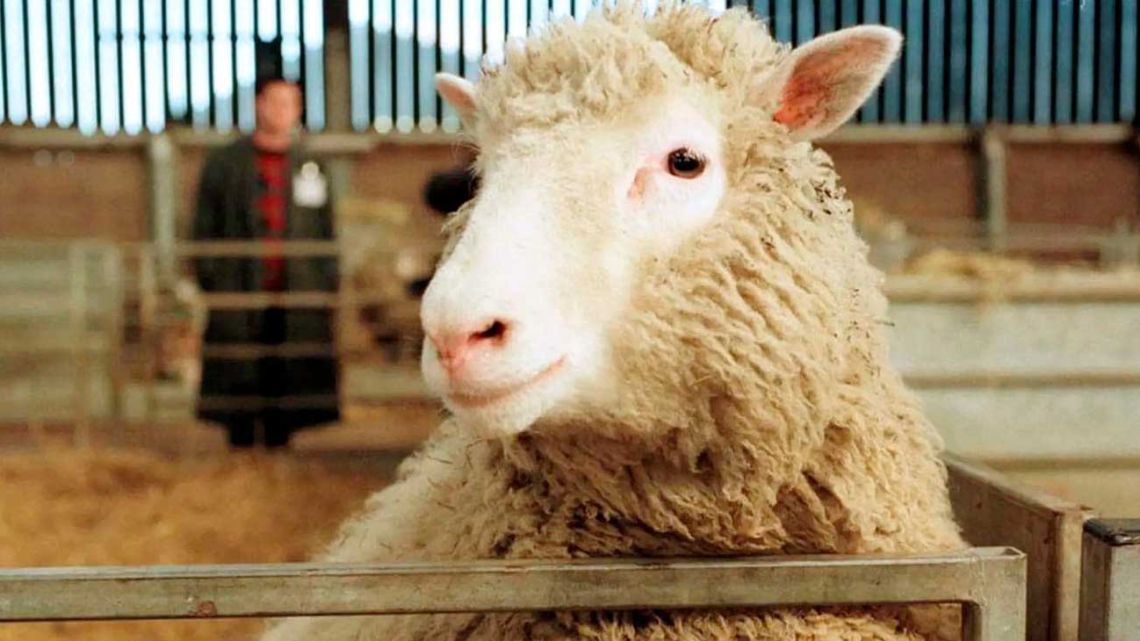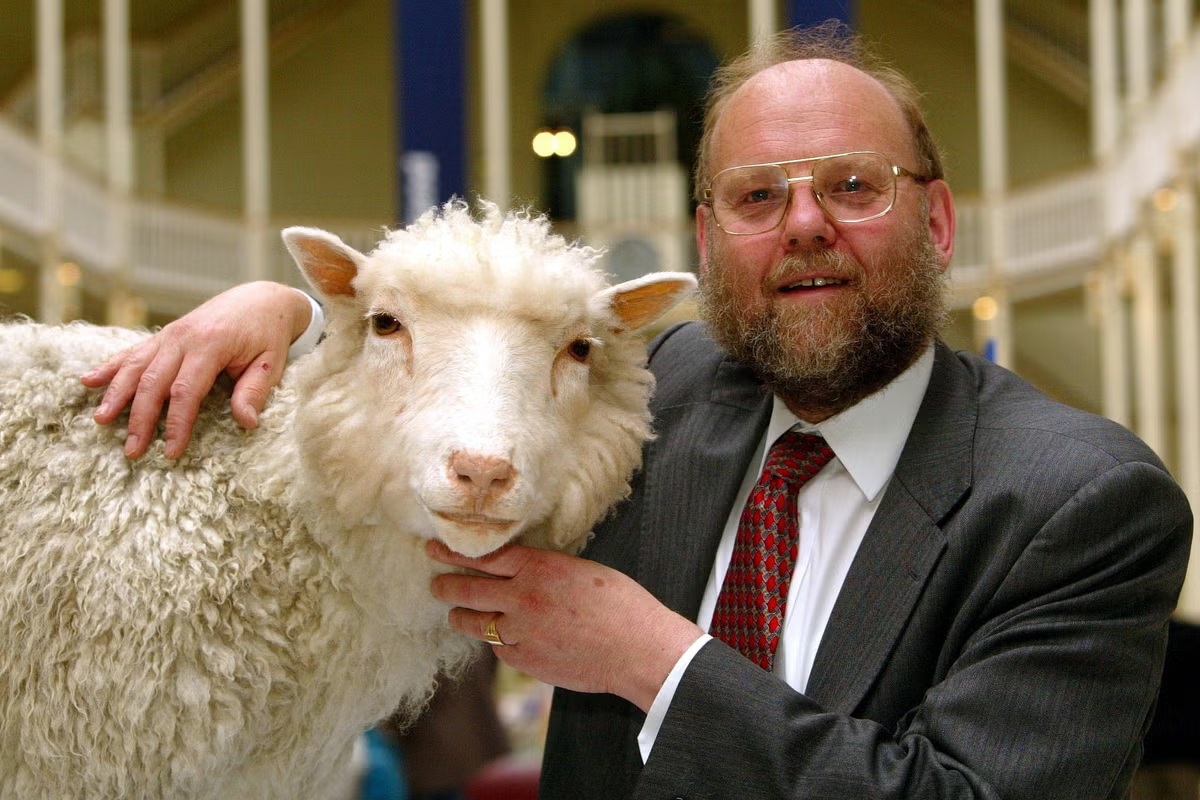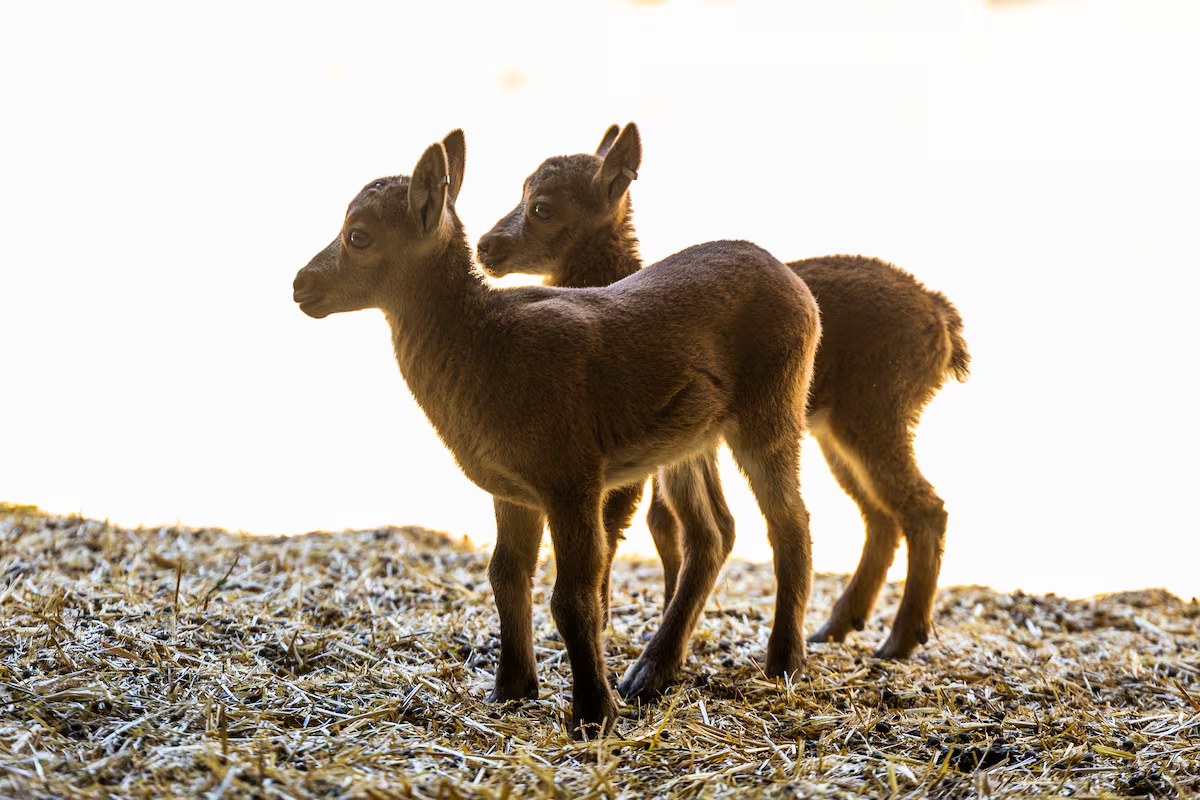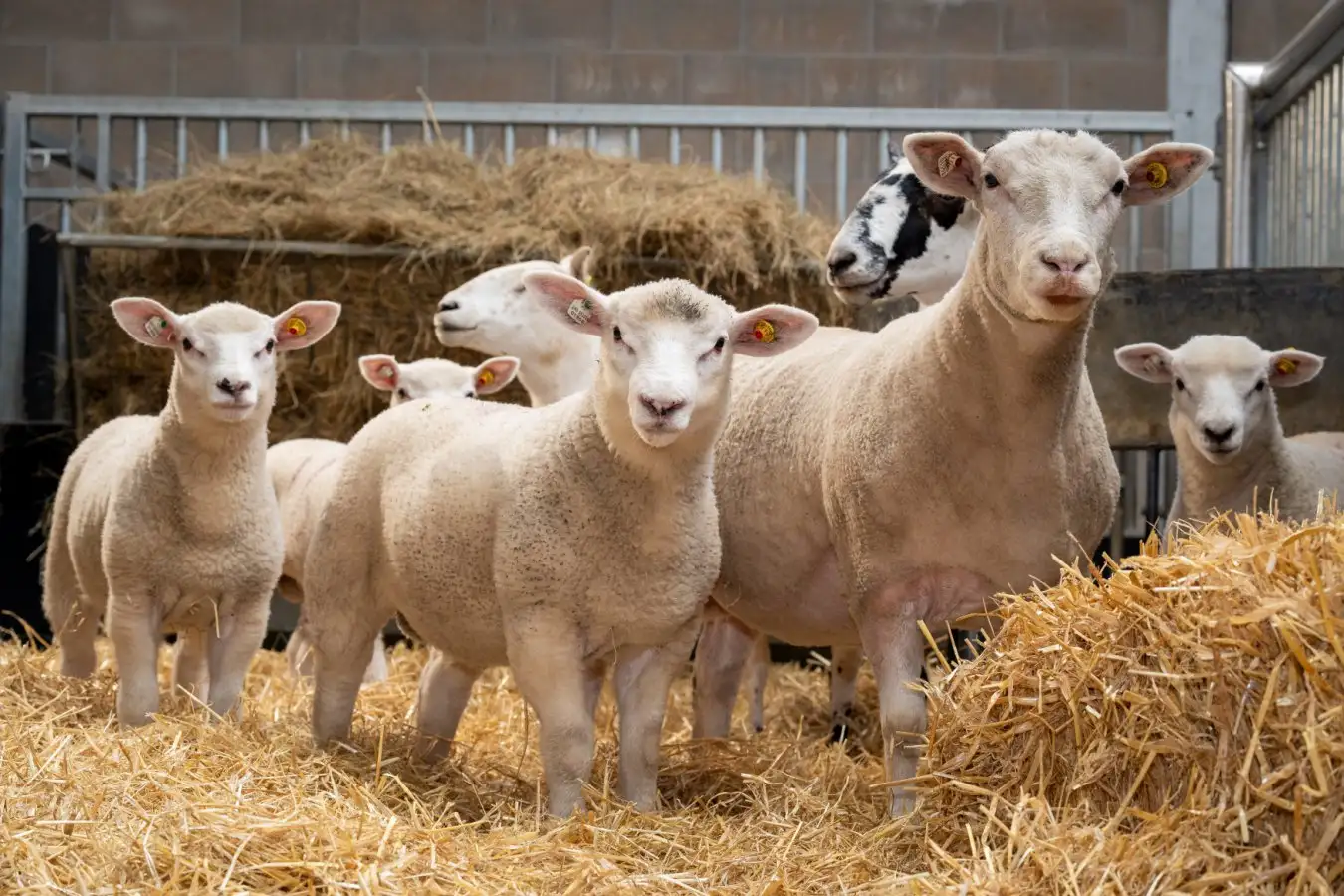
Five sheep have been born via experimental IVF, one of which has produced two offspring of its ownLAURENCE WINRAM
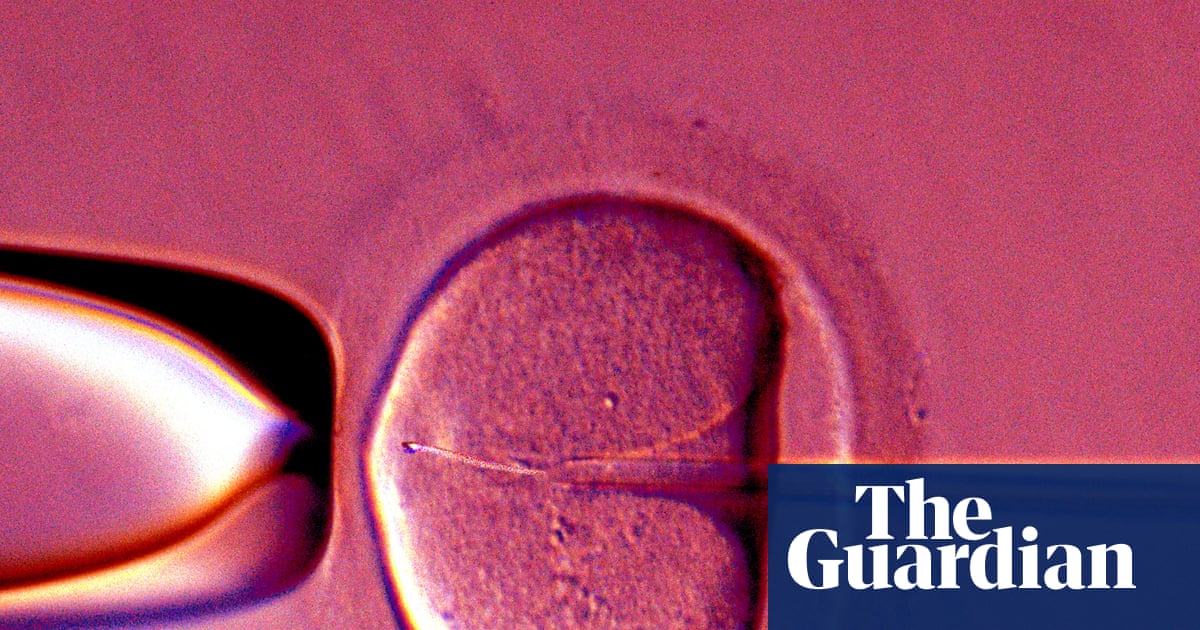
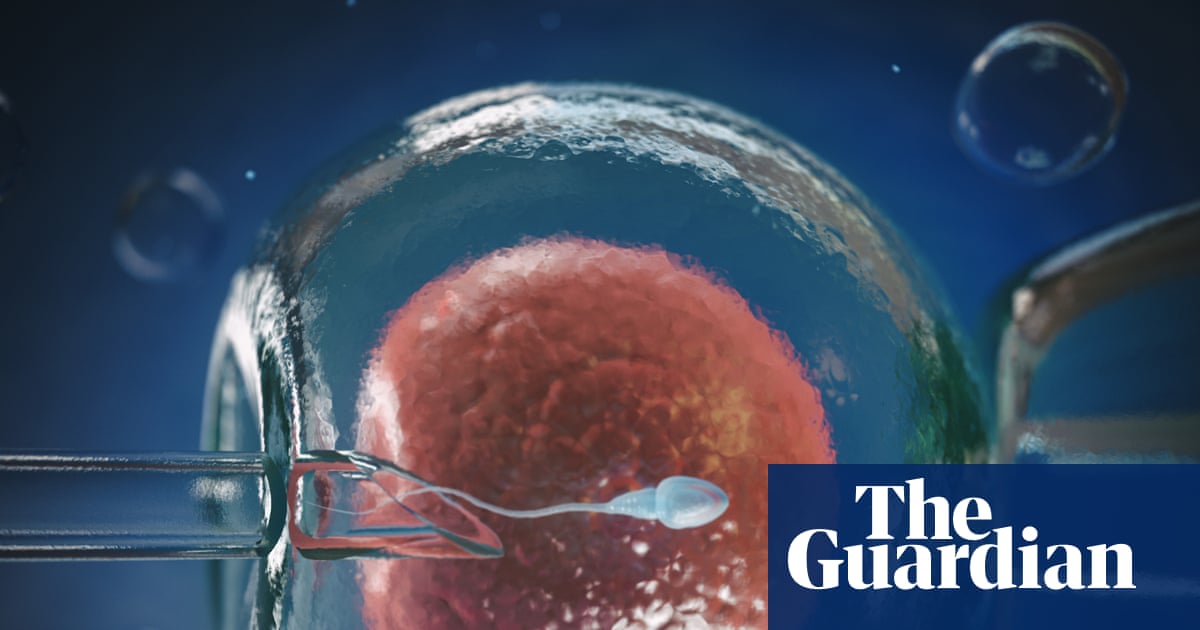
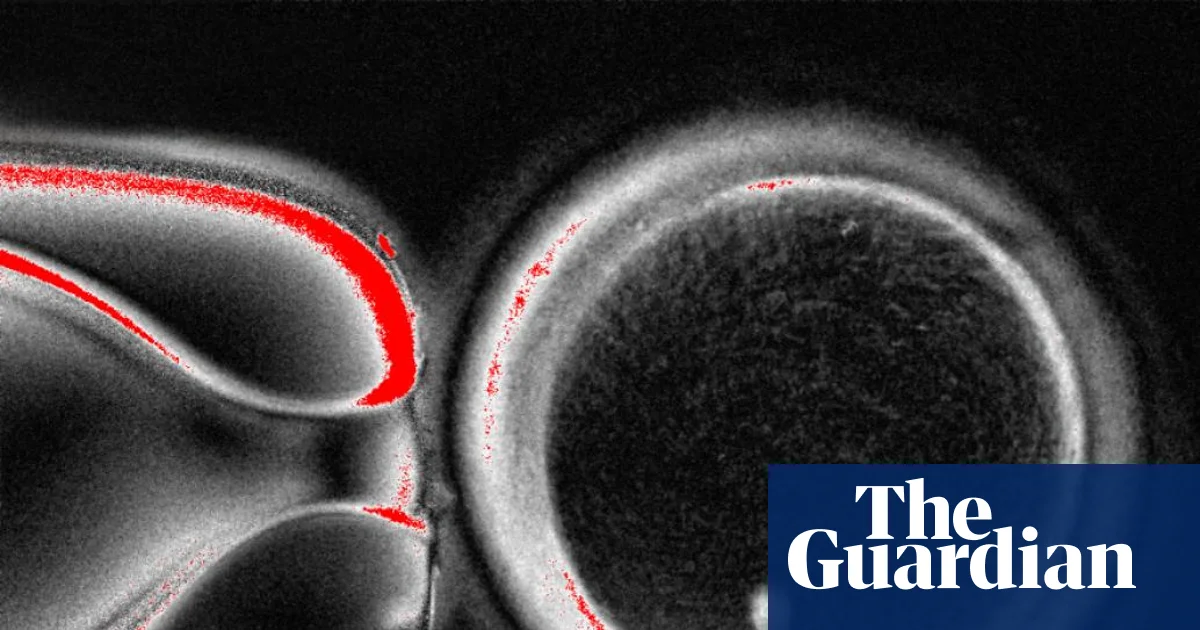
Healthy lambs have been born via an experimental form of in vitro fertilisation (IVF) that coaxes highly immature eggs to become mature ones in the lab. This is the first time the approach has been demonstrated in a large animal, raising hopes that it could boost the number of eggs available for the fertility treatment and improve IVF success rates. While further research is required, it may be of particular benefit when the ovaries have been damaged by cancer treatment.
“It’s really a major breakthrough,” says Stine Kristensen at Copenhagen University Hospital in Denmark, who wasn’t involved in the research.
More than 30 years ago, the same approach led to live births in mice. “Much more than mice, reproduction in sheep is quite similar to in the human body,” says Manjushree Boob at the Shubham Hi-Tech Hospital and Test Tube Baby Centre in Maharashtra, India, who also wasn’t involved.
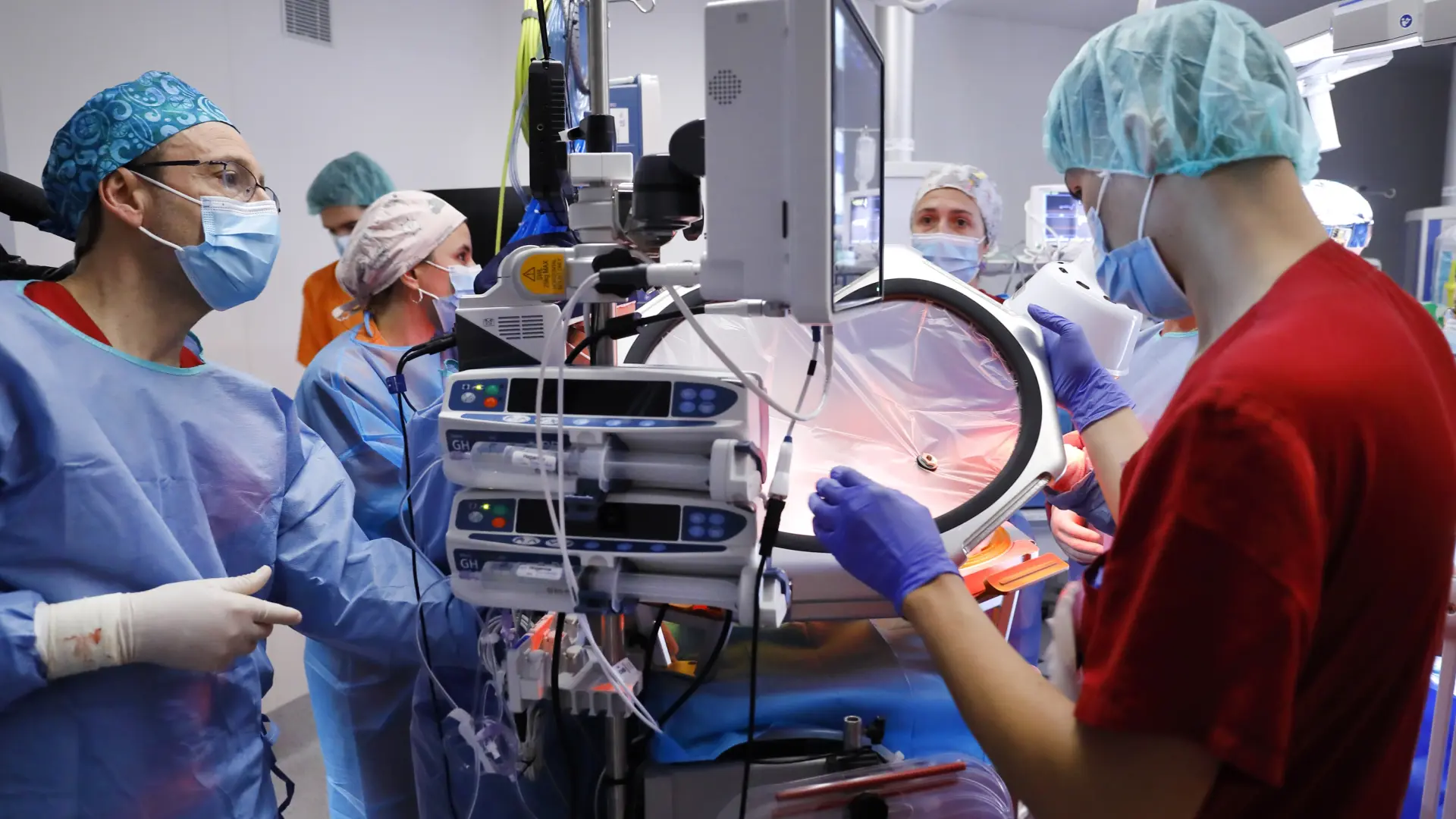
Standard IVF involves daily injections for one to two weeks to stimulate immature eggs within follicles in the ovaries to develop into around 10 mature eggs. Of these, about six to eight are typically successfully fertilised in a lab dish. The resulting embryos are then implanted into the uterus, but this leads to a live birth in only around 20 per cent of cases.