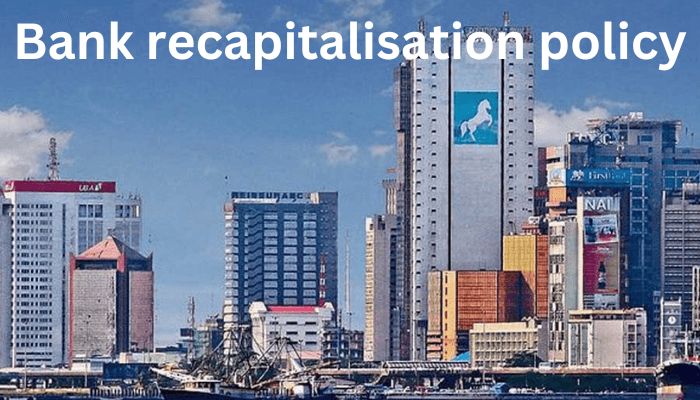
Nigeria’s banking recapitalisation exercise may have ended with the emergence of 33 stronger and better-capitalised banks, but members of the Central Bank of Nigeria’s Monetary Policy Committee (MPC) believe the real work is only just beginning.
The individual statements of MPC members following the Committee’s May 2026 meeting reveal a consistent message: recapitalisation should not be viewed as an end in itself but as a platform for transforming the banking sector into a stronger engine for economic growth. Having successfully raised fresh capital, Nigerian banks are now expected to deepen credit to productive sectors, improve monetary policy transmission, strengthen governance, manage new risks, and support macroeconomic stability without compromising financial resilience.
The committee’s views provide perhaps the clearest roadmap yet for what regulators expect from banks in the post-recapitalisation era.
One of the strongest themes running through the MPC members’ statements is the expectation that larger capital bases must translate into greater lending capacity. The Committee believes recapitalisation should ultimately increase the banking sector’s ability to finance productive investments that stimulate economic growth rather than simply create bigger balance sheets.