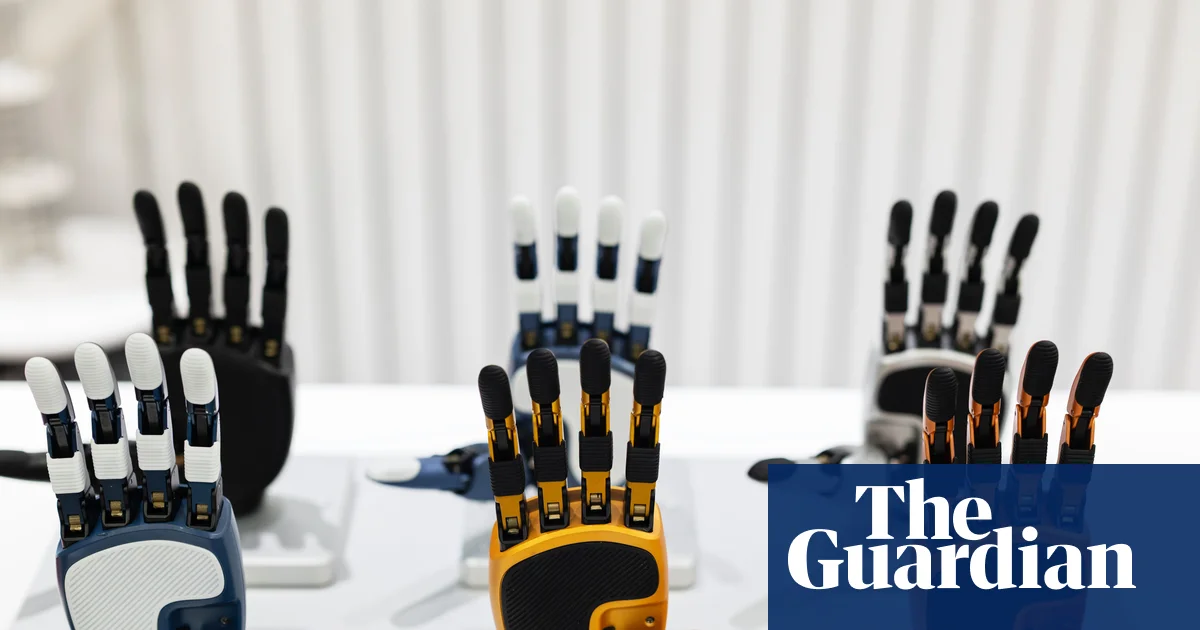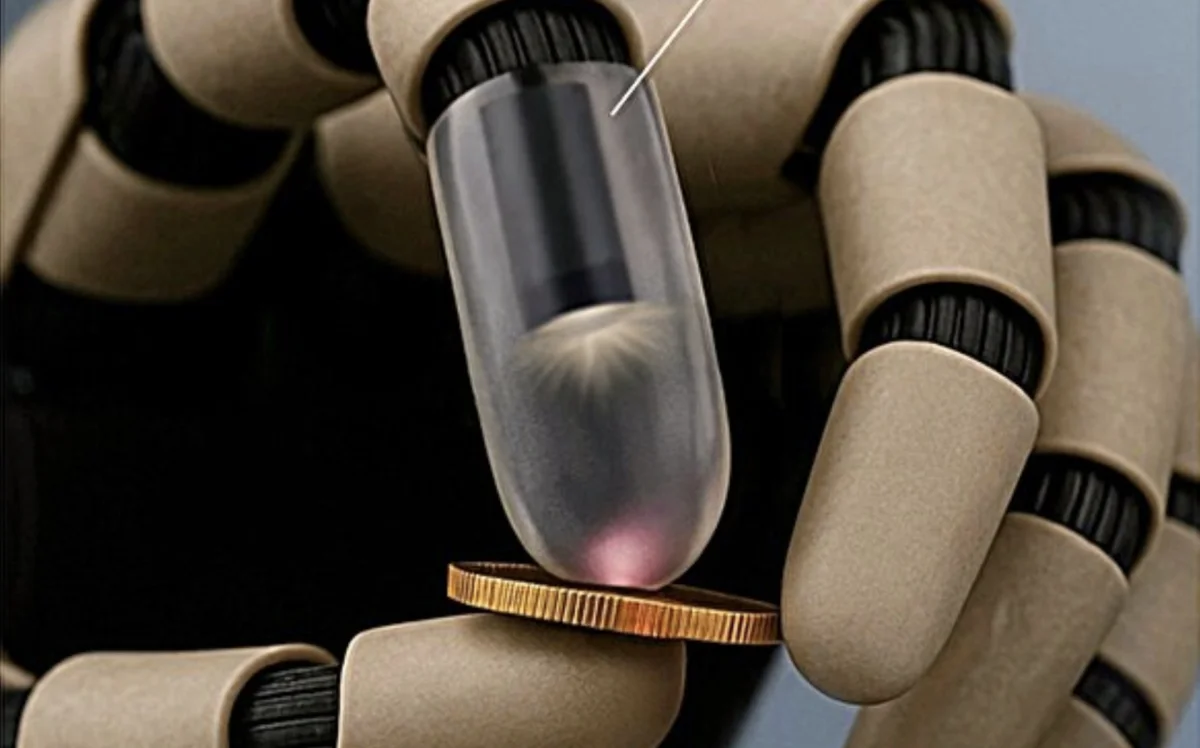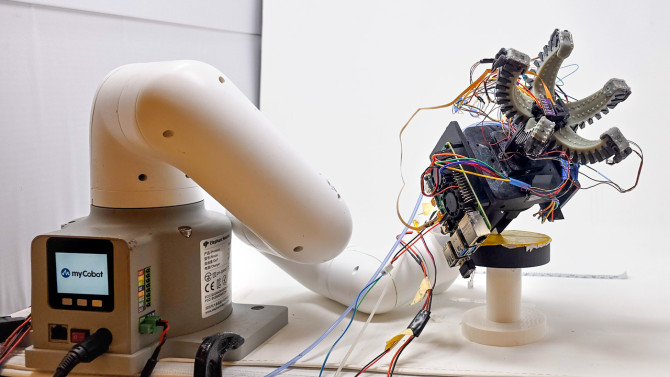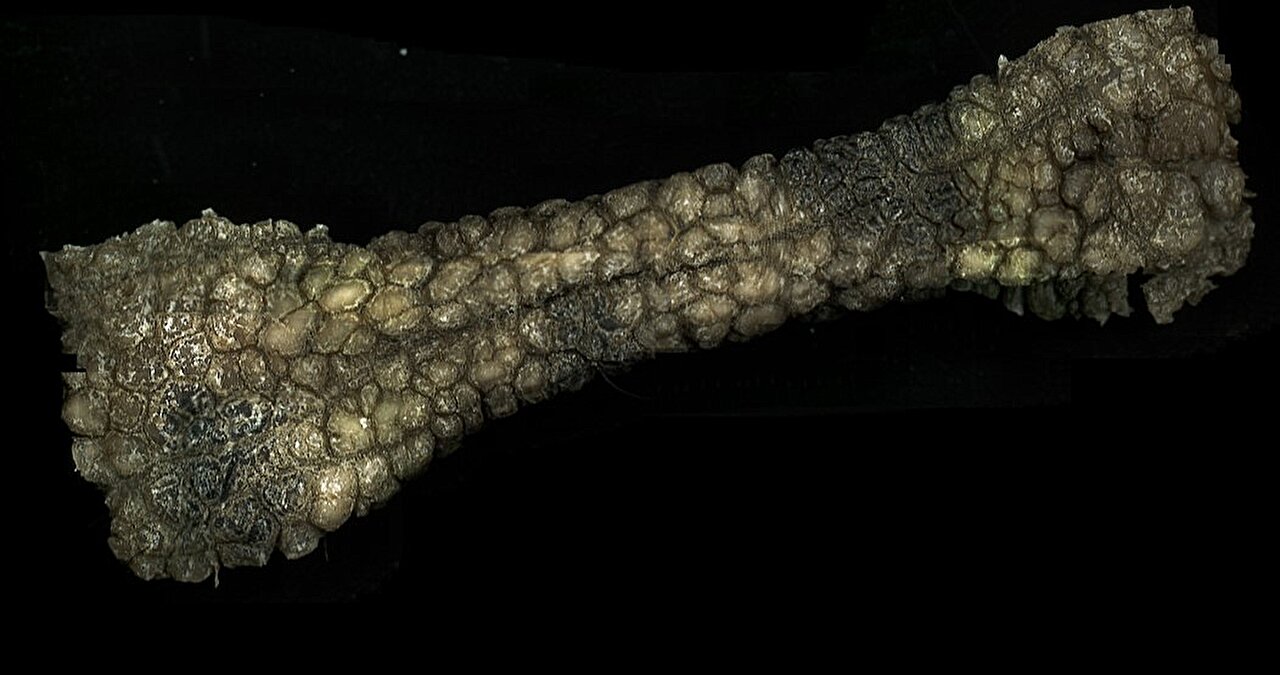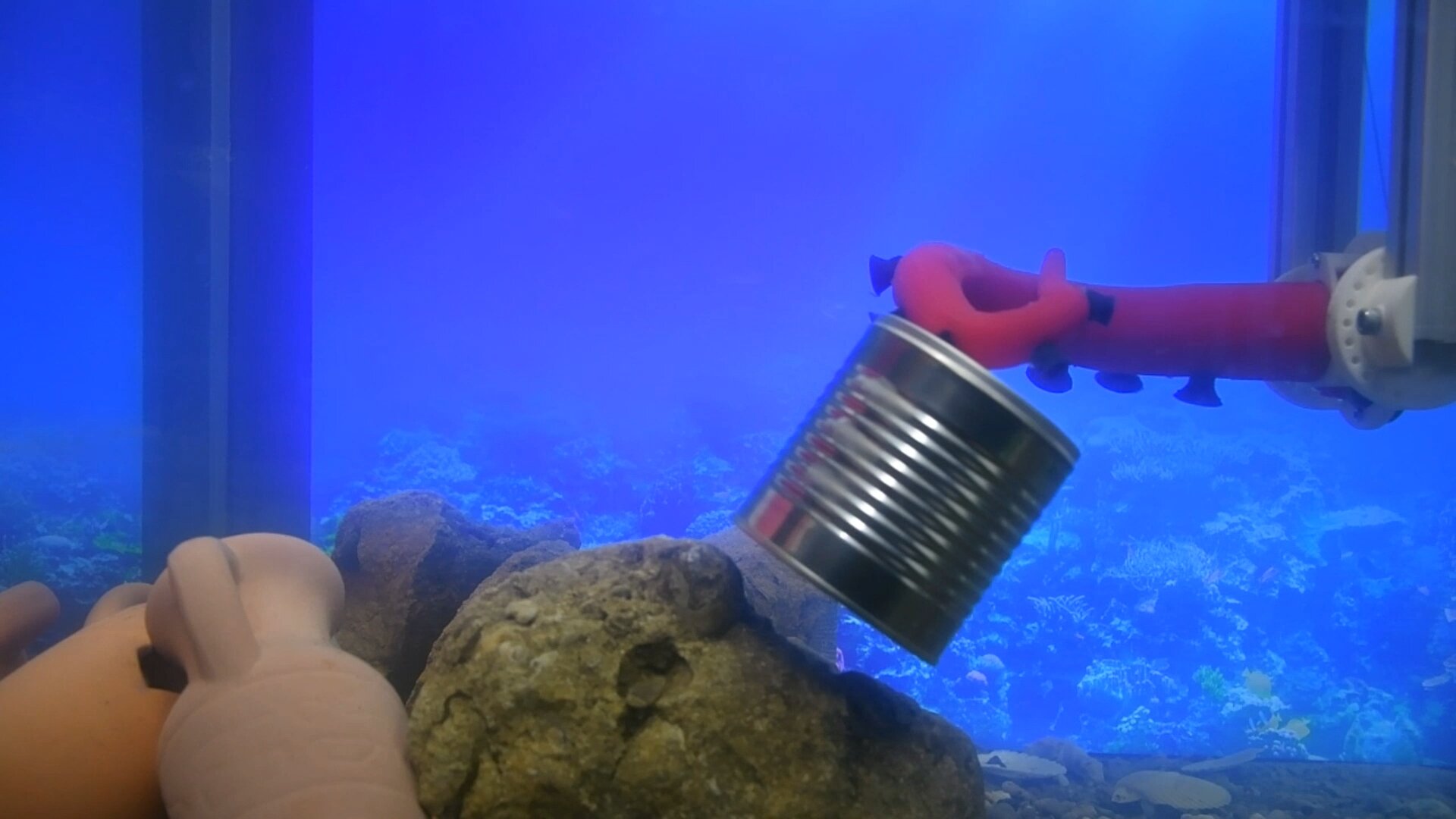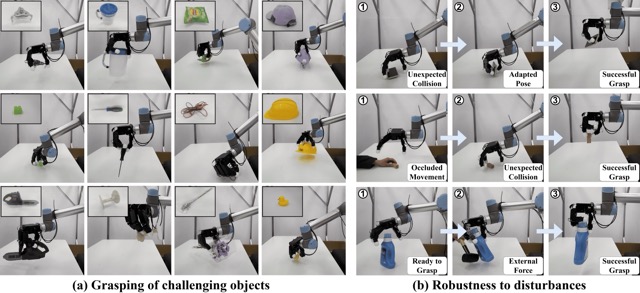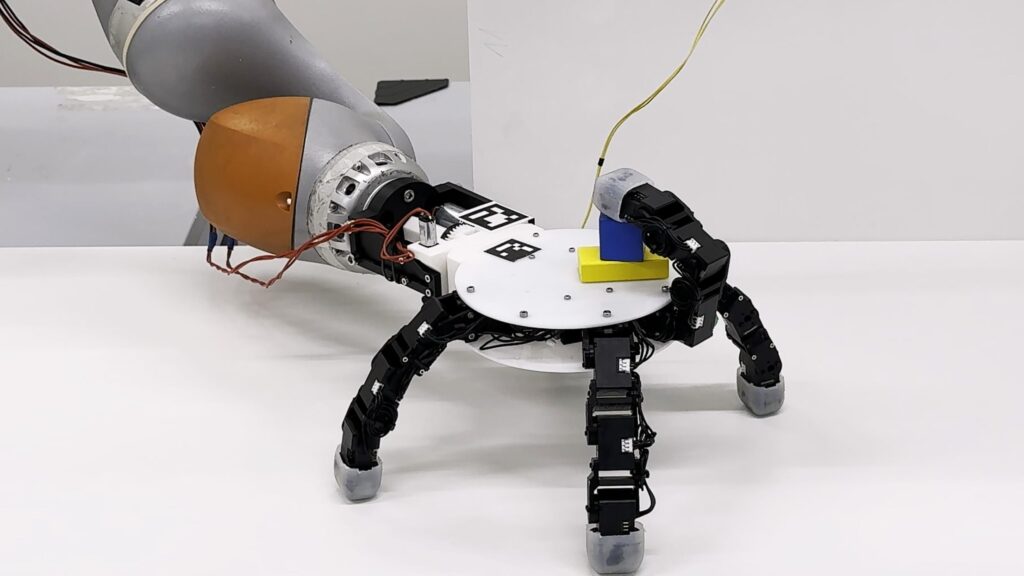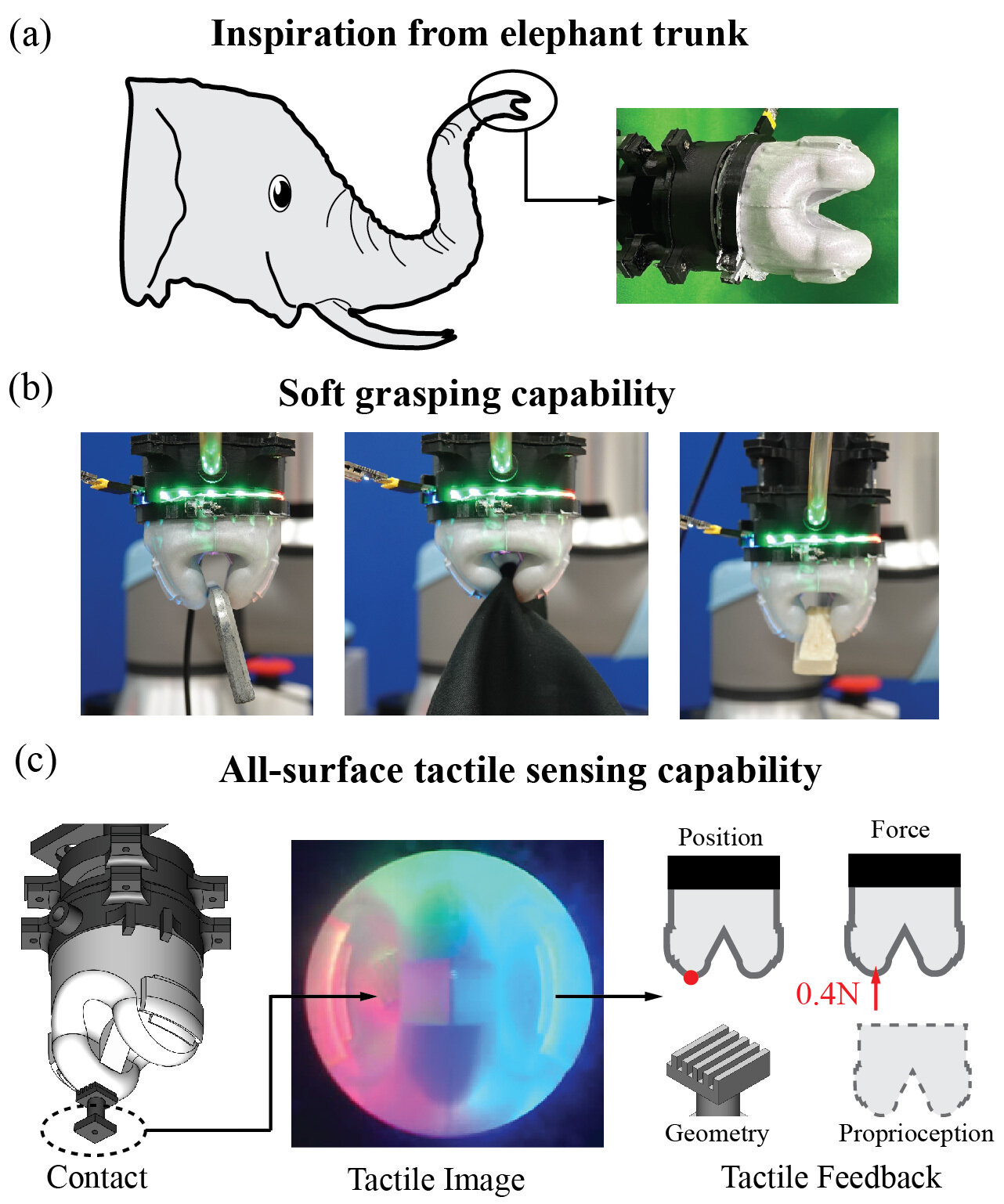
(a) Inspiration from the elephant trunk. (b) The soft pneumatic gripper closes using air pressure, enabling gentle and versatile grasping. (c) Through vision-based sensing, the gripper can perceive both contact with external objects and its own shape. Credit: Professor Van Anh Ho, Japan Advanced Institute of Science and Technology, Japan
Soft grippers, which are built from flexible materials that can bend and deform, are attracting a lot of attention from robotics researchers worldwide. Unlike conventional robots made from rigid metal or plastic, soft grippers can grasp items more gently while naturally adapting to different shapes. This makes them uniquely suitable for delicate tasks such as handling fruit, baked goods, lab samples and medical supplies.
However, grasping objects is only part of what robots need to do. To manipulate objects as skillfully as humans, robots also need a sense of touch; they need feedback on where contact is happening, how much force is being applied, what shape the object has and even the position of the gripper's own fingers.
The main challenge lies in the fact that the same flexibility that makes soft grippers useful also makes it difficult to equip them with sensors. Because soft gripper materials constantly bend and stretch, conventional sensors are hard to integrate without limiting the gripper's flexibility or only covering small areas. But what if we took a page from one of nature's most impressive grippers?