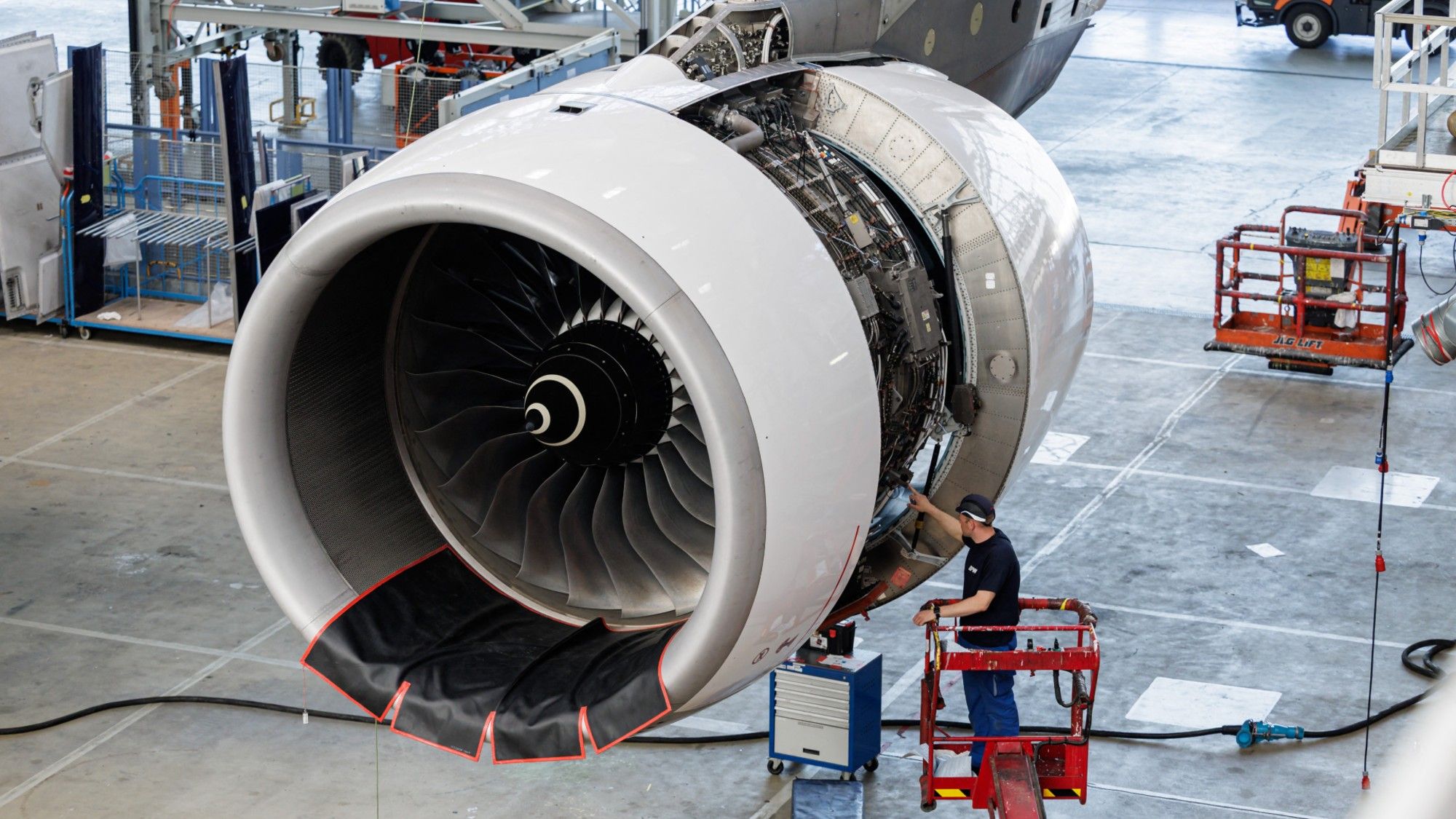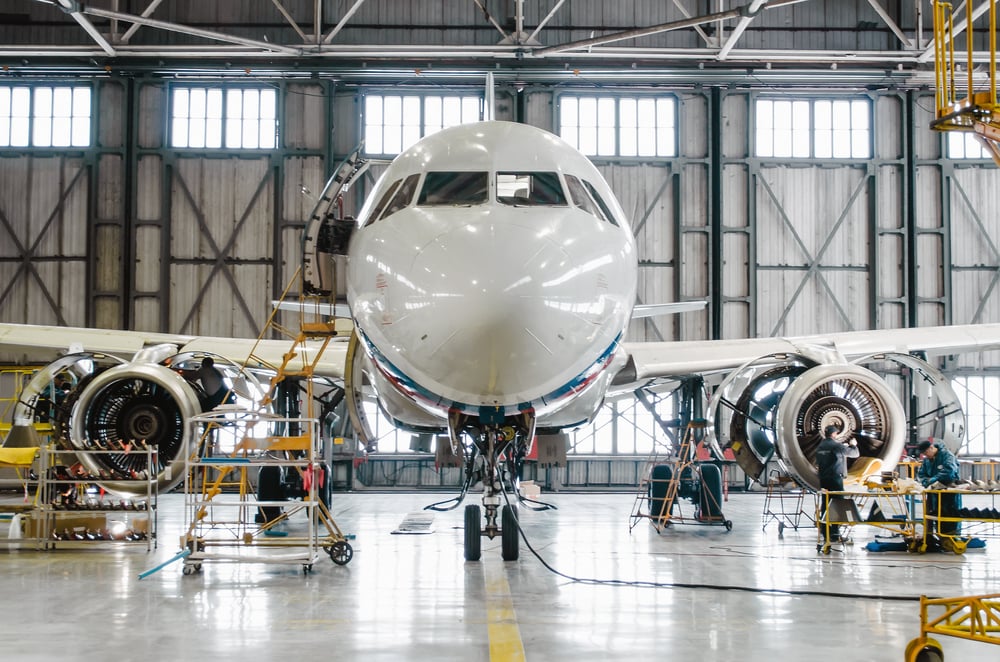
Passengers are paying more to fly, but the carriers selling those tickets are not necessarily the ones collecting the profits. Facing rapidly aging fleets, operators are incurring higher maintenance bills.
Meanwhile, the squeeze sits upstream. According to Aerospace Global News, Boeing Co. (NYSE:BA) and Airbus SE (OTCPK: EADSY) are sitting on a record backlog. Over 16,000 aircraft, enough for 12 years of work, are on order – while supply-chain constraints, engine shortages, quality lapses, and certification delays keep deliveries below airline demand.
That bottleneck has turned the global fleet older. The average commercial aircraft is now about 15 years old, and some long-haul workhorses are far older.
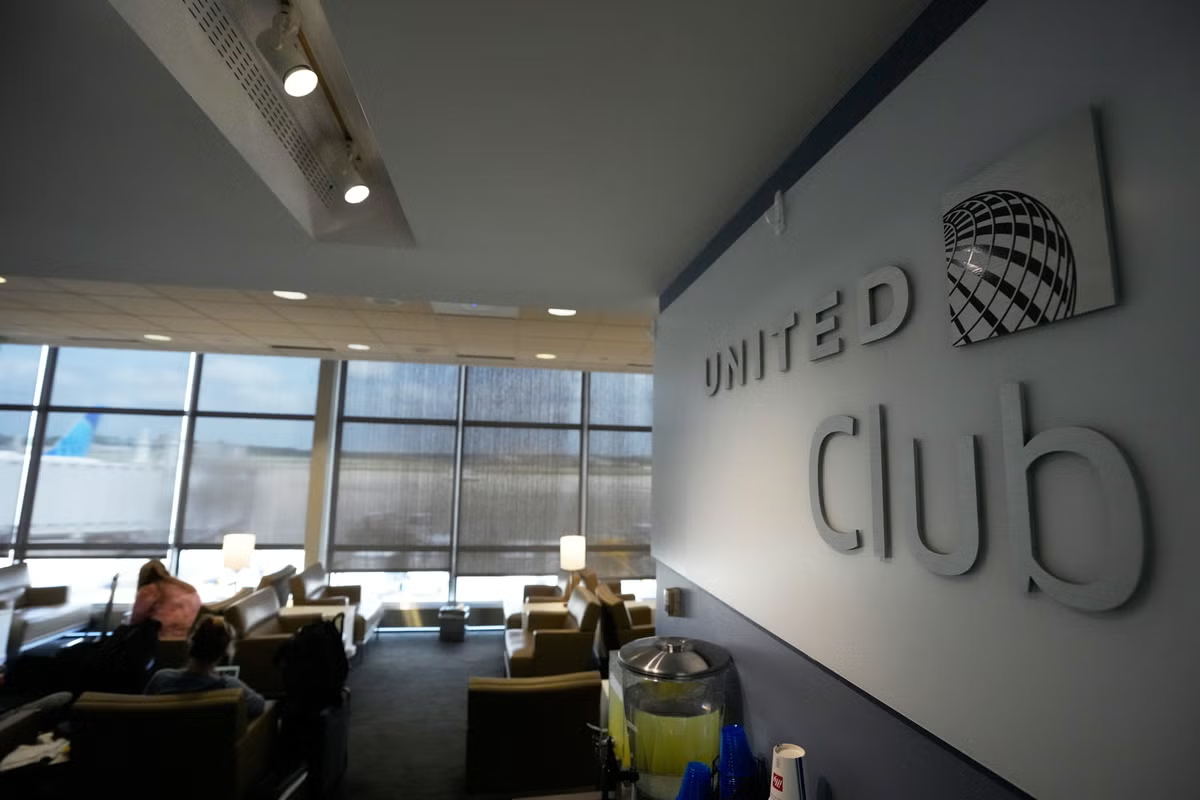
According to CNN, United Airlines Holdings, Inc. (NASDAQ:UAL) still flies Boeing 767-300ERs delivered in 1991 on routes including Newark-London and Washington-Geneva. Airlines can refresh seats, lighting and entertainment systems, but they cannot hide the maintenance math. The winners are the companies selling the parts, repairs and logistics required to keep older jets earning revenue.
The Cost Curve Behind the Trade