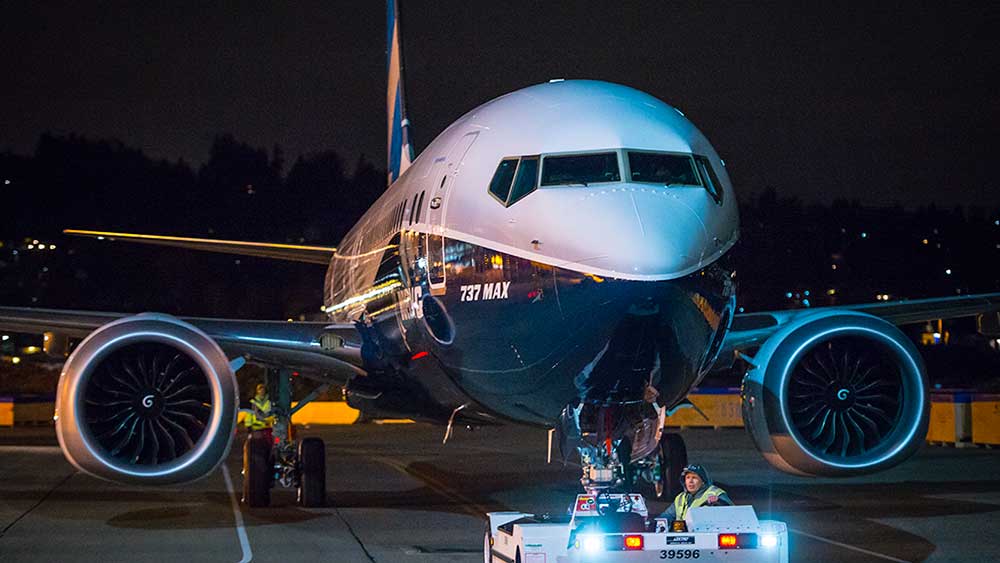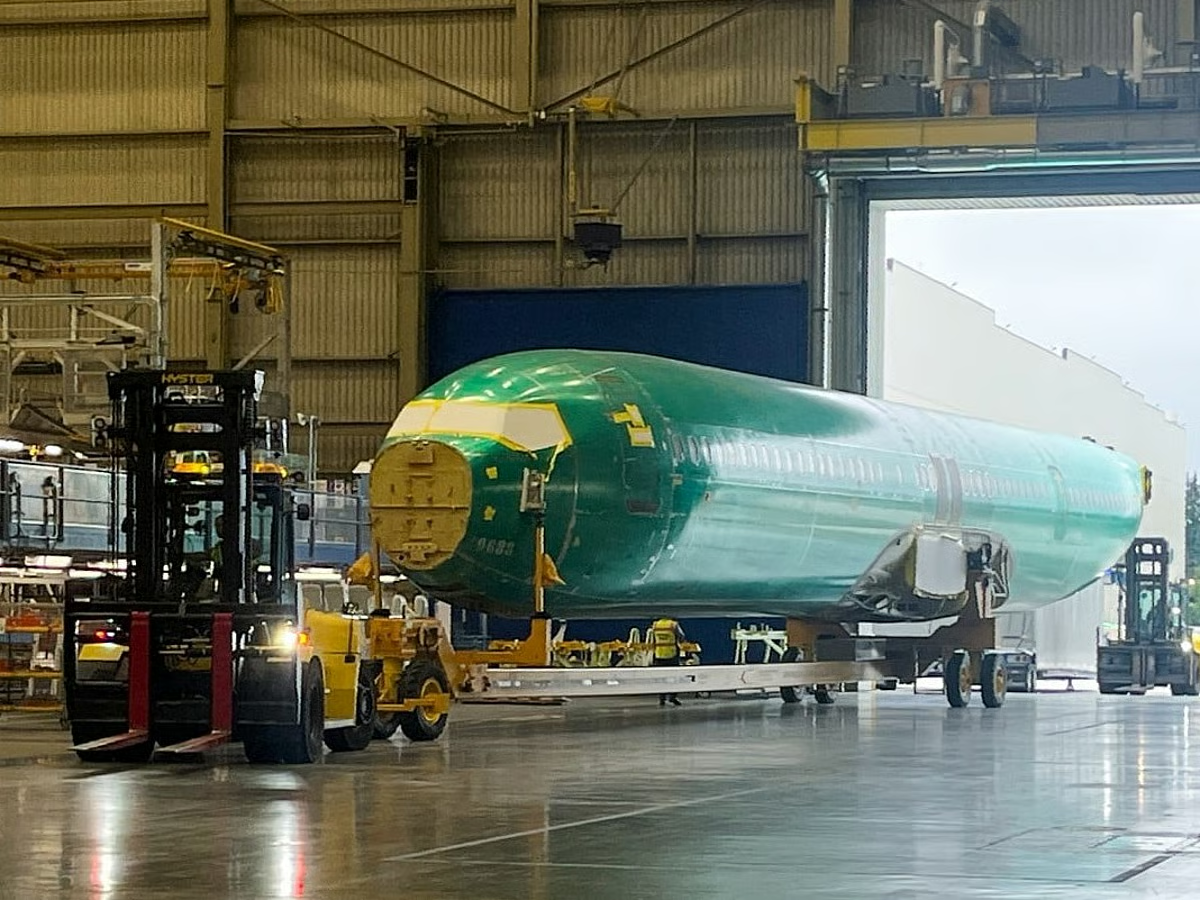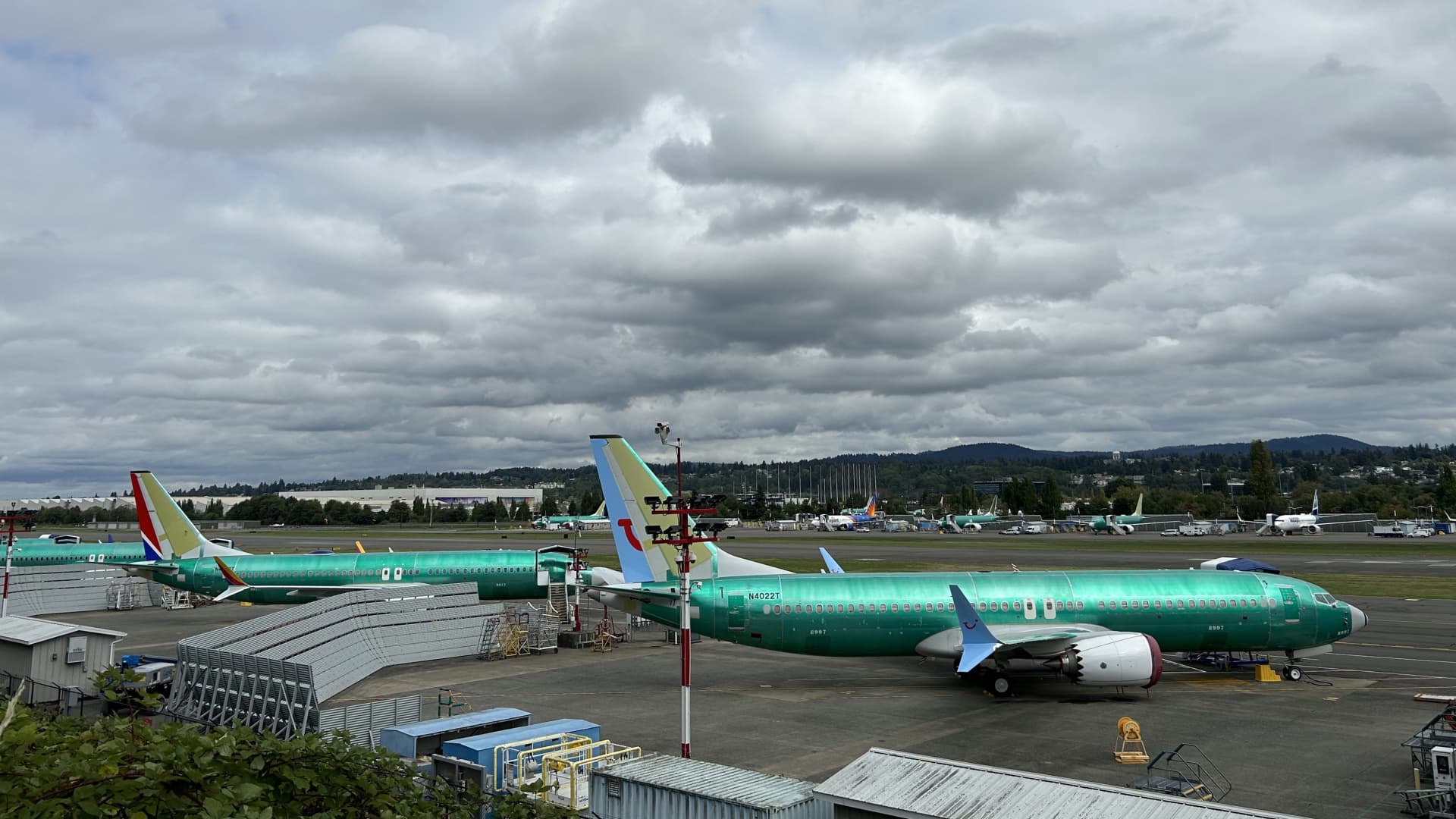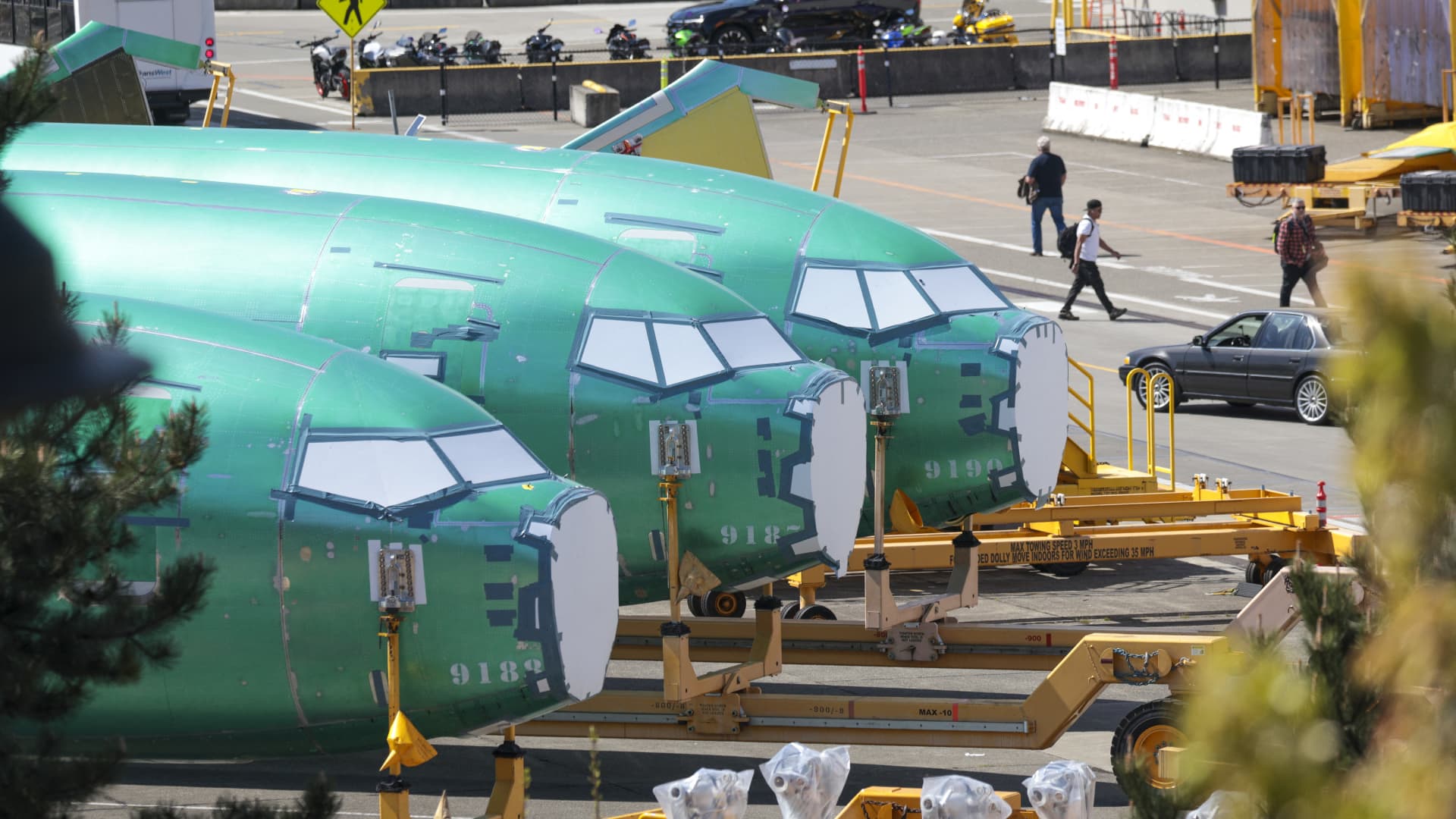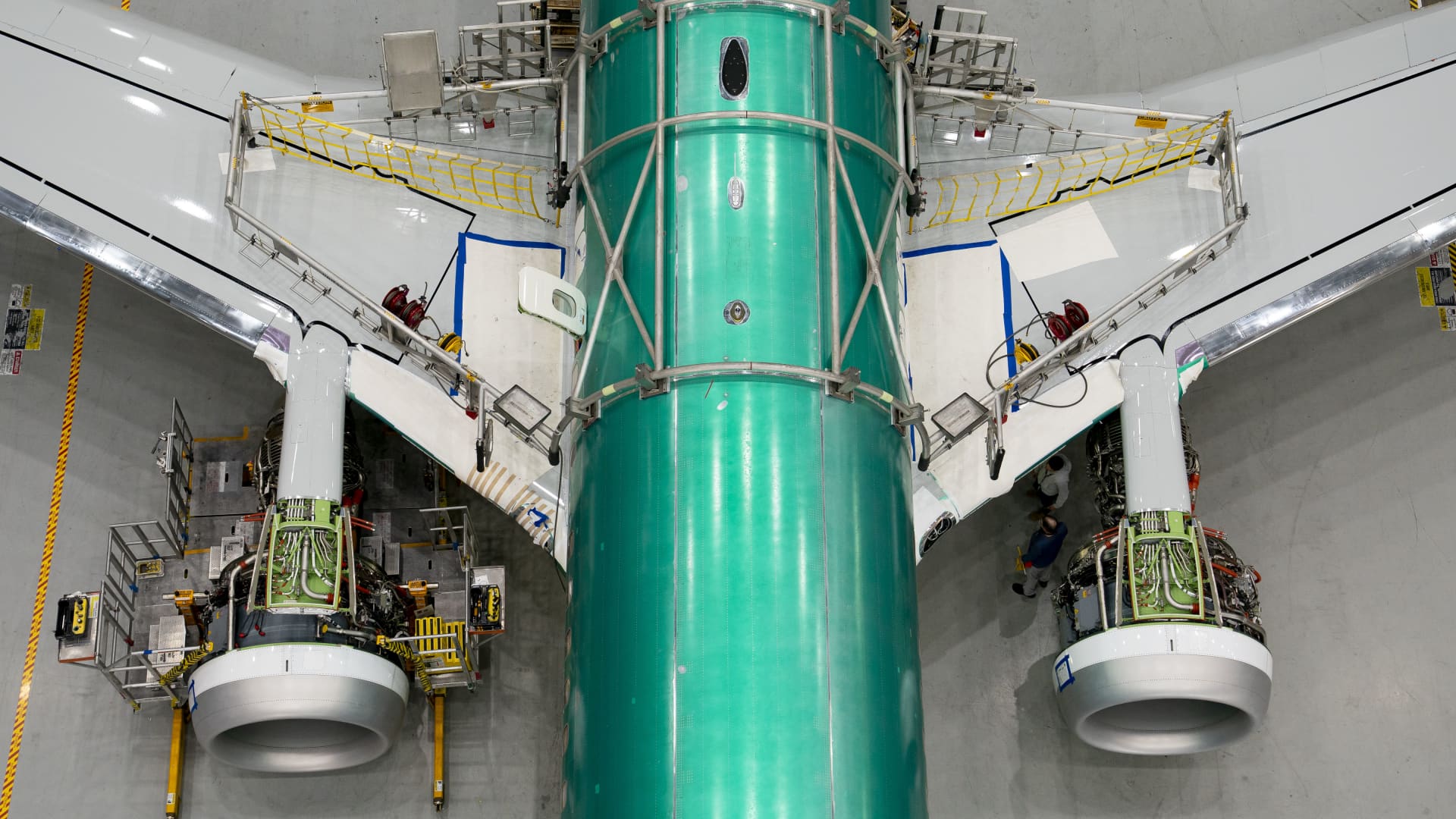
A new assembly line at Boeing’s Everett, Washington, facility began production on the 737 MAX aircraft Monday. Meanwhile, Airbus (Boeing’s main rival) has reportedly set its sights on delivering 900 commercial aircraft this year — which would be an all-time high for the company.Both companies have faced supply chain issues since the pandemic. They now each have order backlogs thousands of aircraft deep, which have grown as airlines demand new jets.There are basically two reasons driving new aircraft demand. One is the planes airlines do have are getting old — a couple decades old, in some cases, said Doug Harned, a managing director at the investment firm Bernstein.“The good thing about aircraft is that if you maintain them properly, they can last quite a long time, but eventually the costs start to get higher and higher for the old aircraft,” he said.So, they’ve ordered new ones, but the wait time is long. And even though airlines have faced big fuel bills in recent months, they haven’t canceled many orders for new planes. Those new jets will help them save in the long run, said Henry Harteveldt, an airline industry analyst at Atmosphere Research Group.“New aircraft allow airlines to consume less fuel. That helps airlines offer the low fares that we, as travelers, want,” he said.Newer planes can also fit more passengers, Harteveldt said. “Not great for us in the leg room, of course, but it helps make these aircraft more cost efficient for airlines to operate.”The other reason airlines are in the market for new aircraft is demand for air travel is high, both from customers willing to squeeze into those economy seats and from high-income, “premium” customers, said Meghna Maharishi, an airline reporter at Skift.To attract those customers, airlines have been adding new international routes.“United is a good example of this, you know, they've added routes to Greenland and Mongolia,” she said.New routes require new planes. Plus, airlines are upgrading the business and first class seats on those aircraft. “A lot of that has been meant to cater to those wealthier consumers, because that's the cohort that's really been driving the revenue for these airlines,” Maharishi said.Fancier first class cabins are also slowing down new aircraft deliveries, said Doug Harned at Bernstein, because regulators have to sign off on the changes.“So there have been delays, not just in supplying the seats, say, but also just getting certification for new designs,” he said.Those delays, on top of high demand, are why Boeing and Airbus are effectively booked up for the next six years.
What's behind the massive appetite for new Boeing and Airbus planes
Boeing and Airbus each have order backlogs thousands of aircraft deep, thanks to pandemic-era production slowdowns and persistent air travel demand.
423 words~2 min read