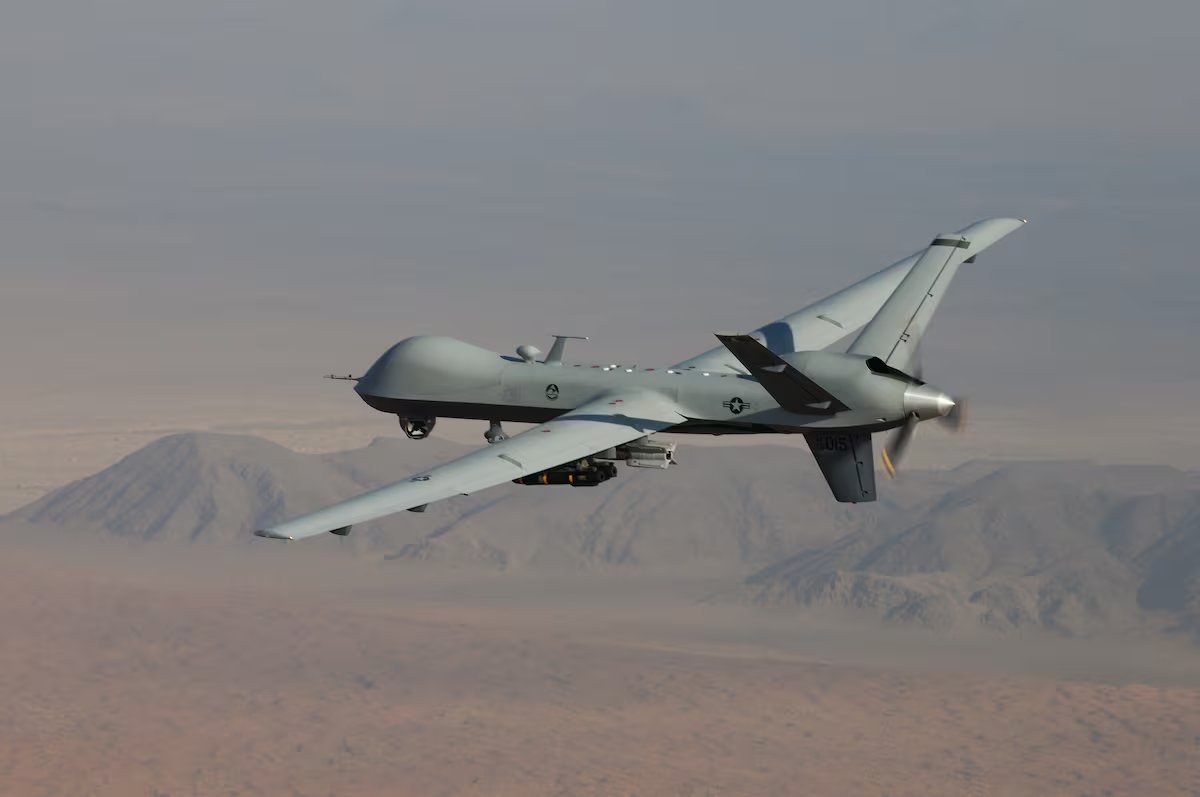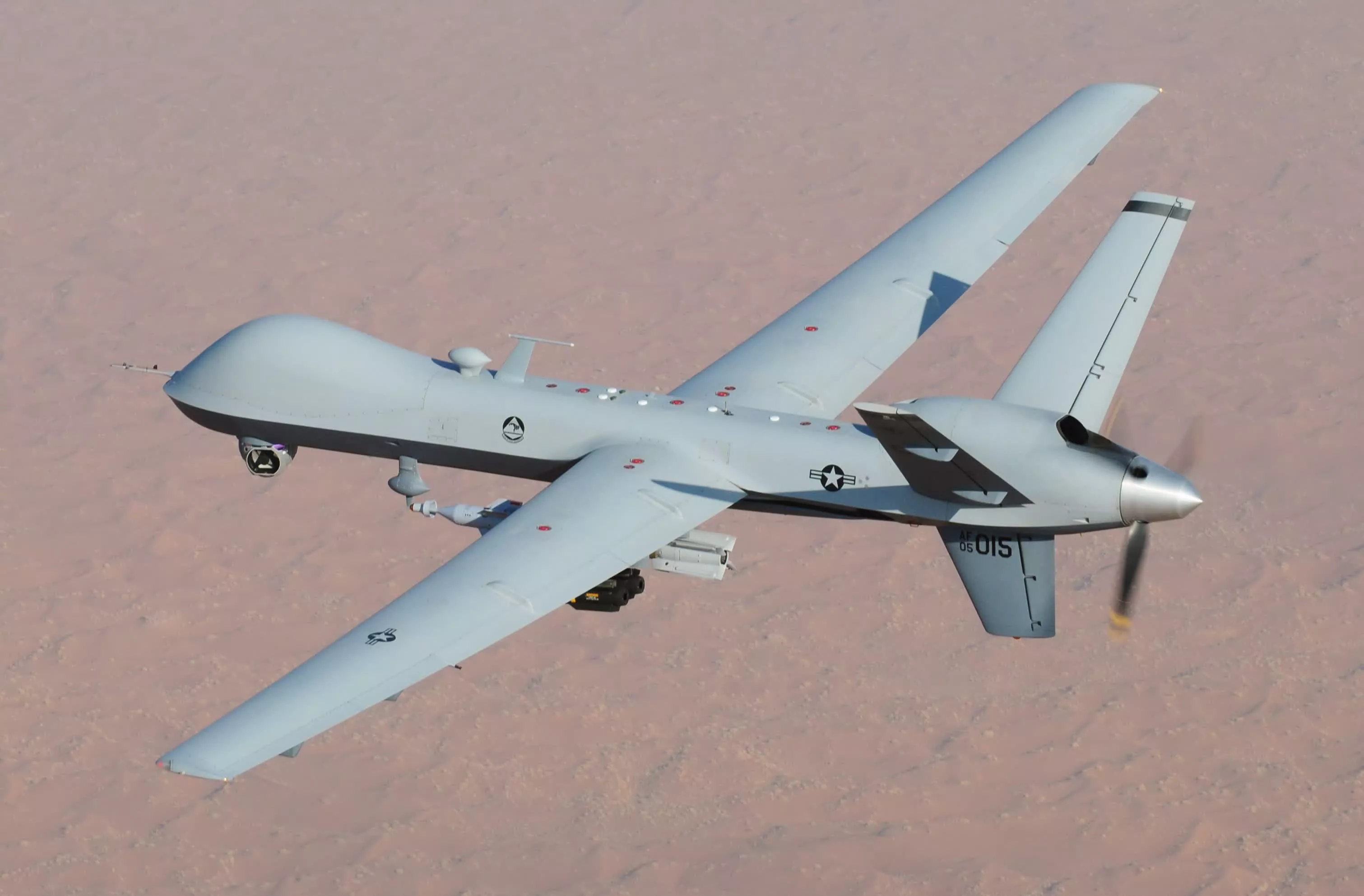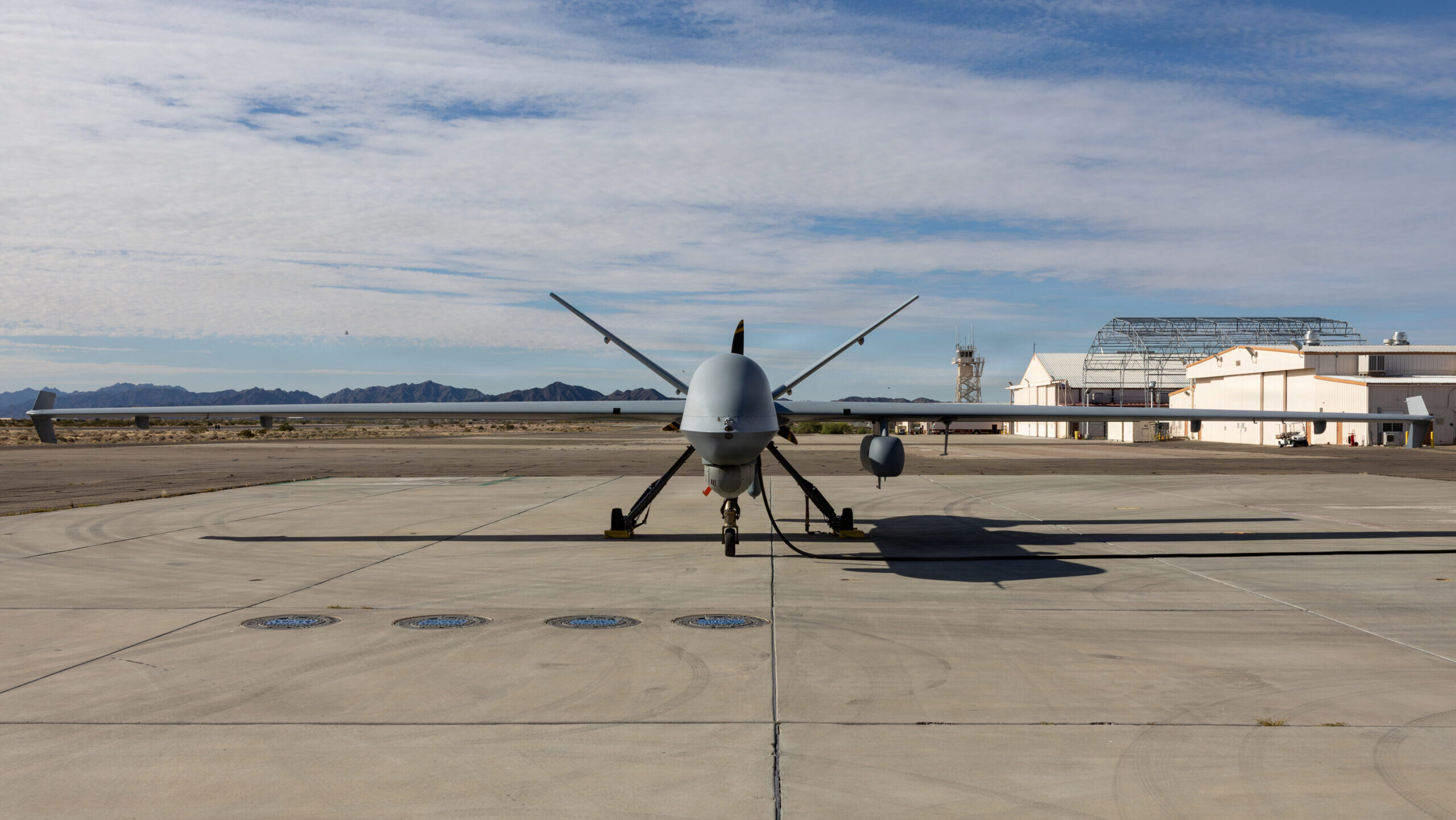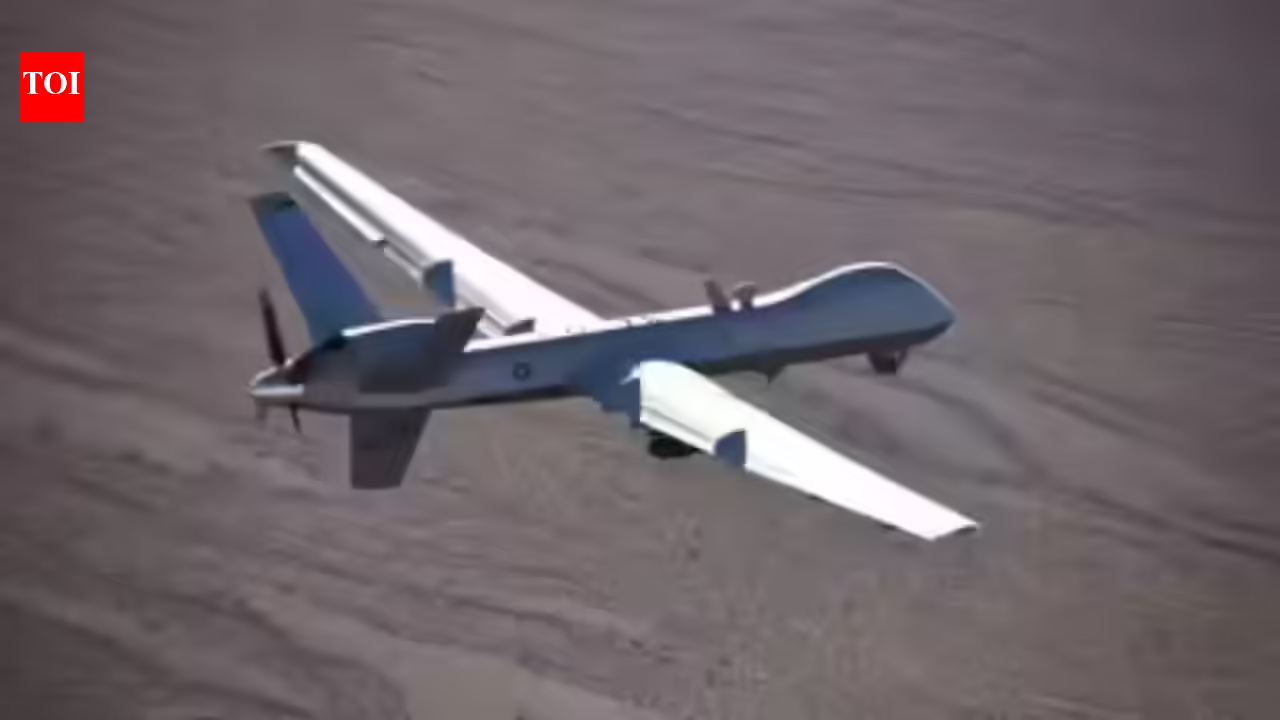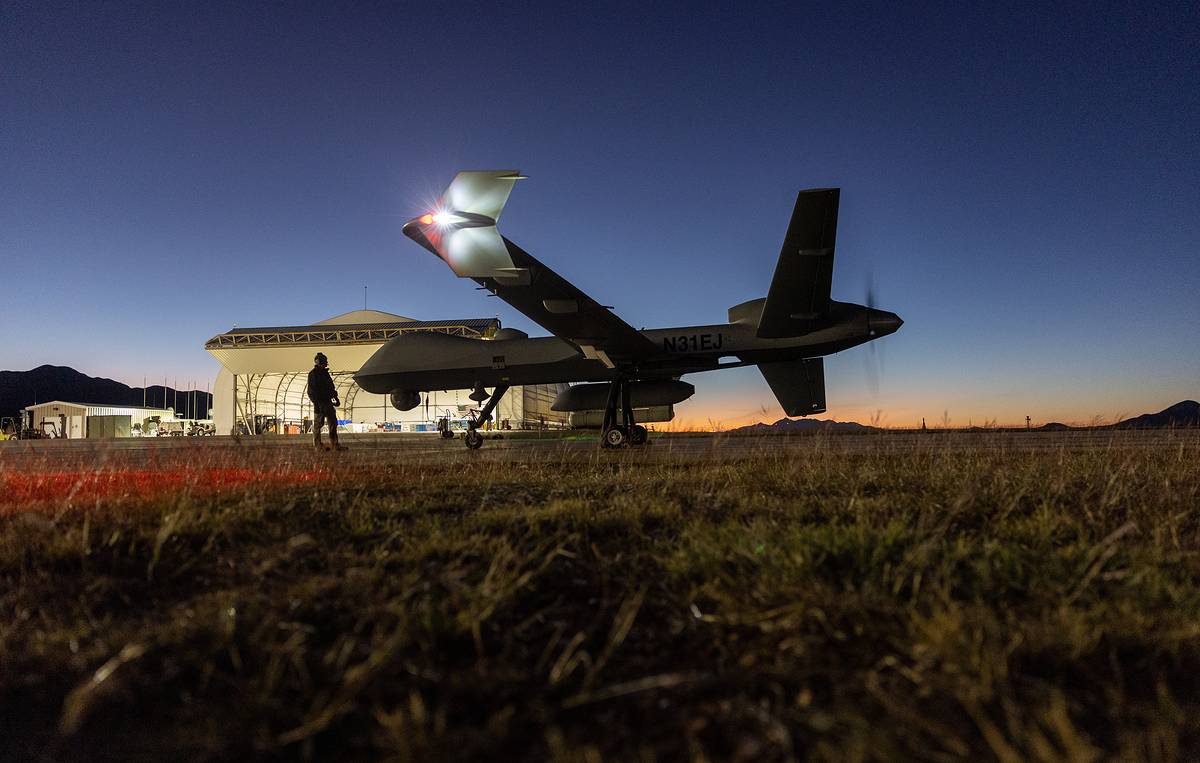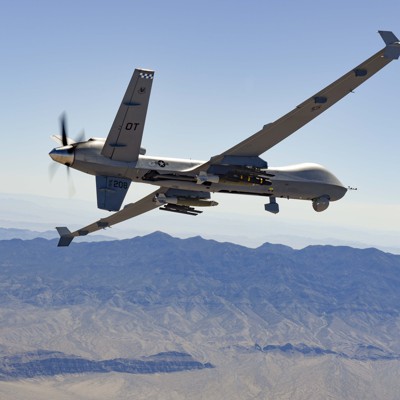
Recent conflicts in the Middle East have resulted in 24 MQ-9 Reaper drones, valued at roughly $720 million, destroyed by the adversary. The additional loss of an MQ-4C Triton surveillance drone over the Strait of Hormuz, with a value of approximately $250 million, brings the total recent financial hit to nearly $1 billion, according to recent news reports.
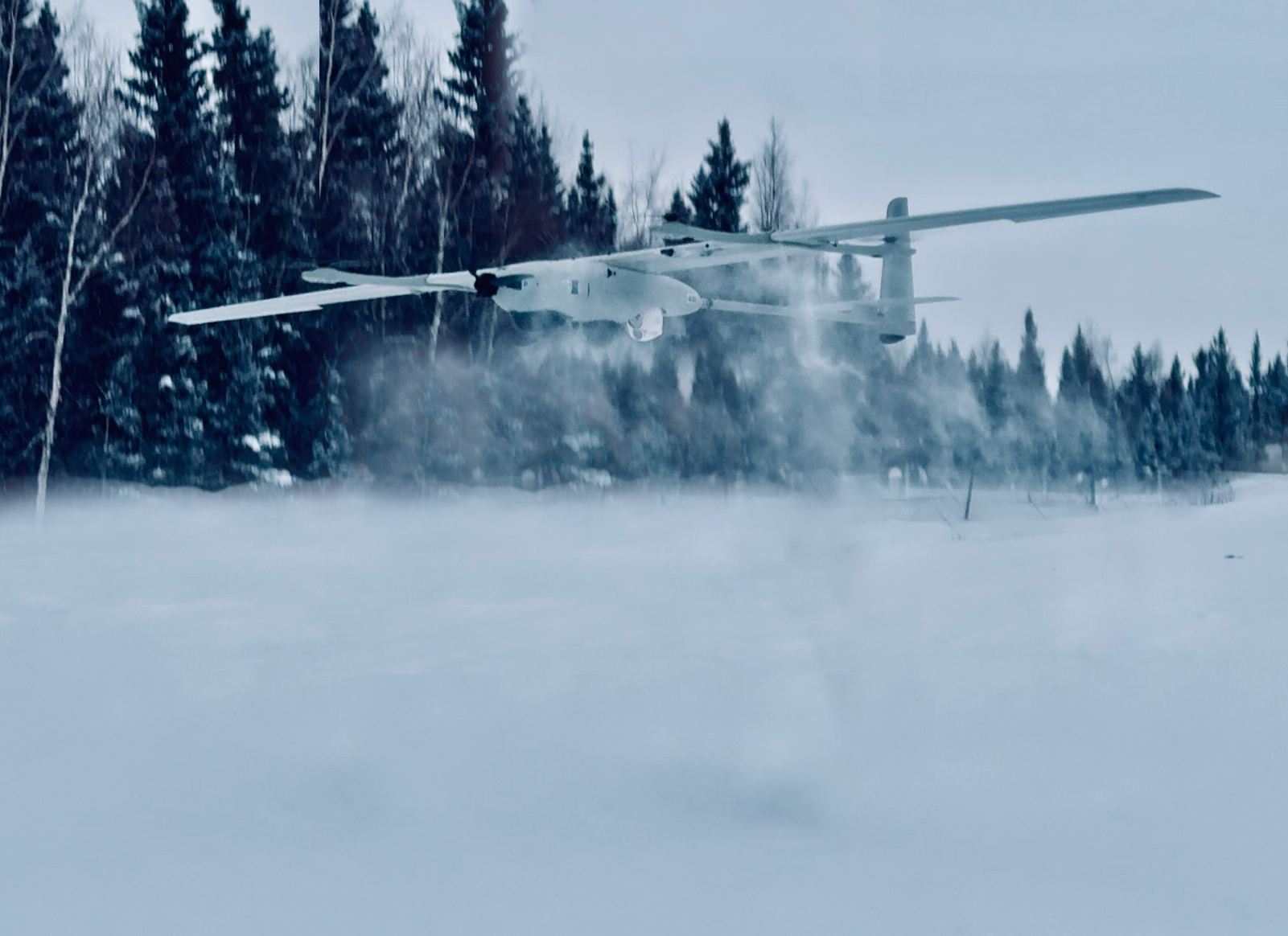
Traditional large uncrewed aerial systems (UAS) that are optimized for stealth, such as the RQ-170 Sentinel, for example, have a role to play in modern conflicts, but it’s time to rethink how we are deploying these costly traditional assets. To maximize the mission success of our warfighters while safeguarding national security, smaller assets like Group 2 UAS should be part of the equation – not just economically but tactically speaking.
Allen Gardner, Chief Technology Officer at Redwire Defense Tech, has spent 25 years in the UAS industry, working with large aircraft for most of his tenure. Gardner is not at all surprised by the strategic shift to small drones: “Because some large uncrewed systems are more easily detected, tracked, and targeted by traditional surface-to-air systems, they are vulnerable to threats that are becoming commonplace around the world, and the losses are mounting. The strategy must change.”