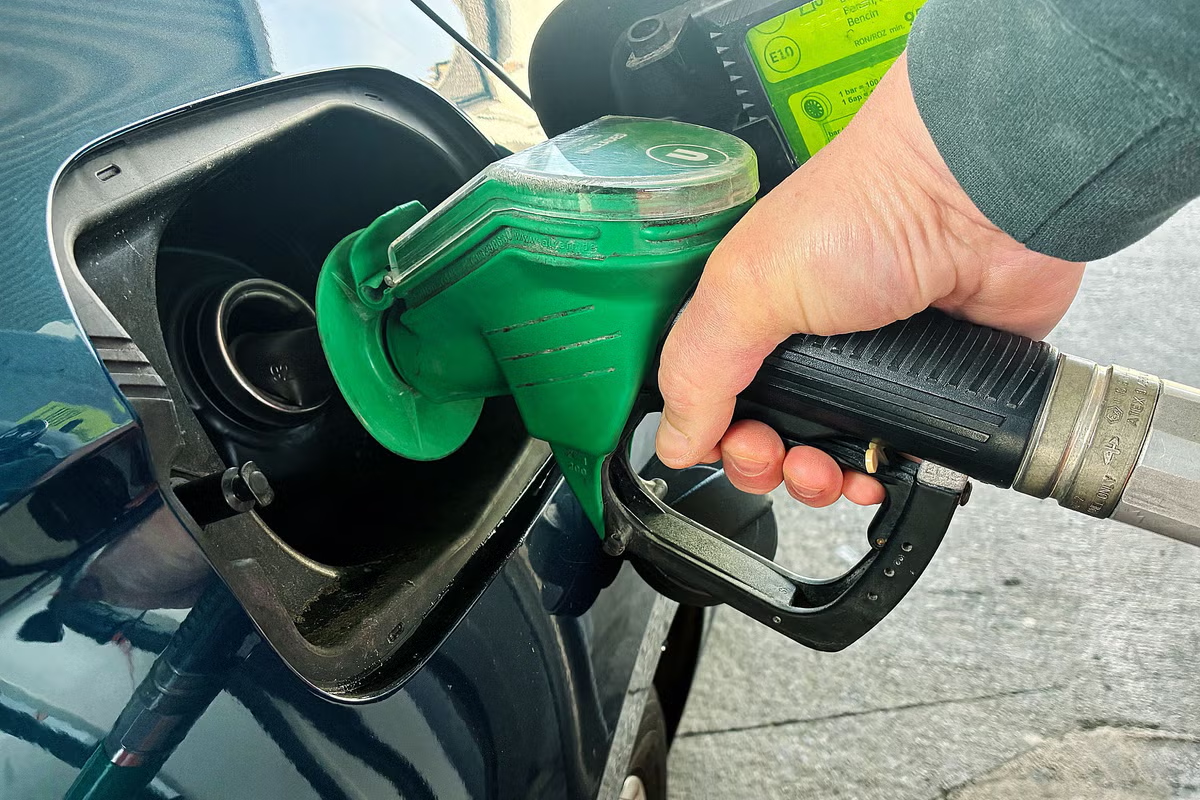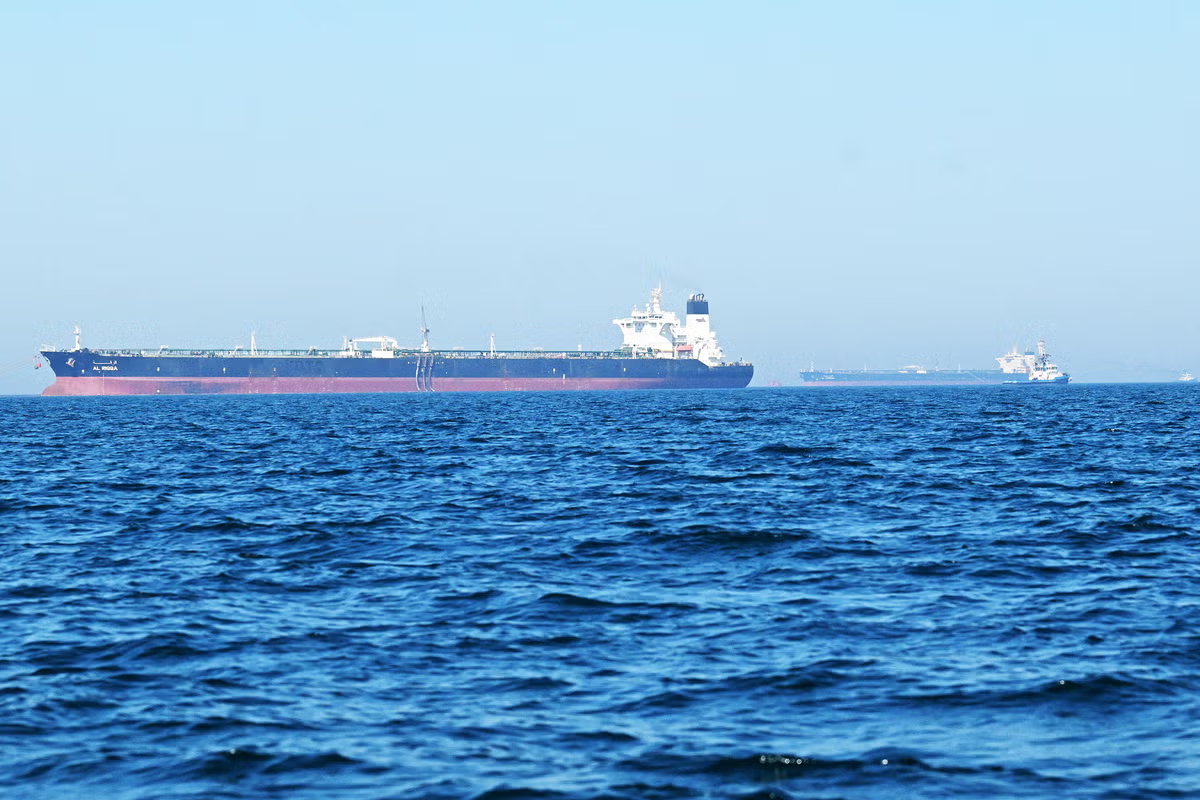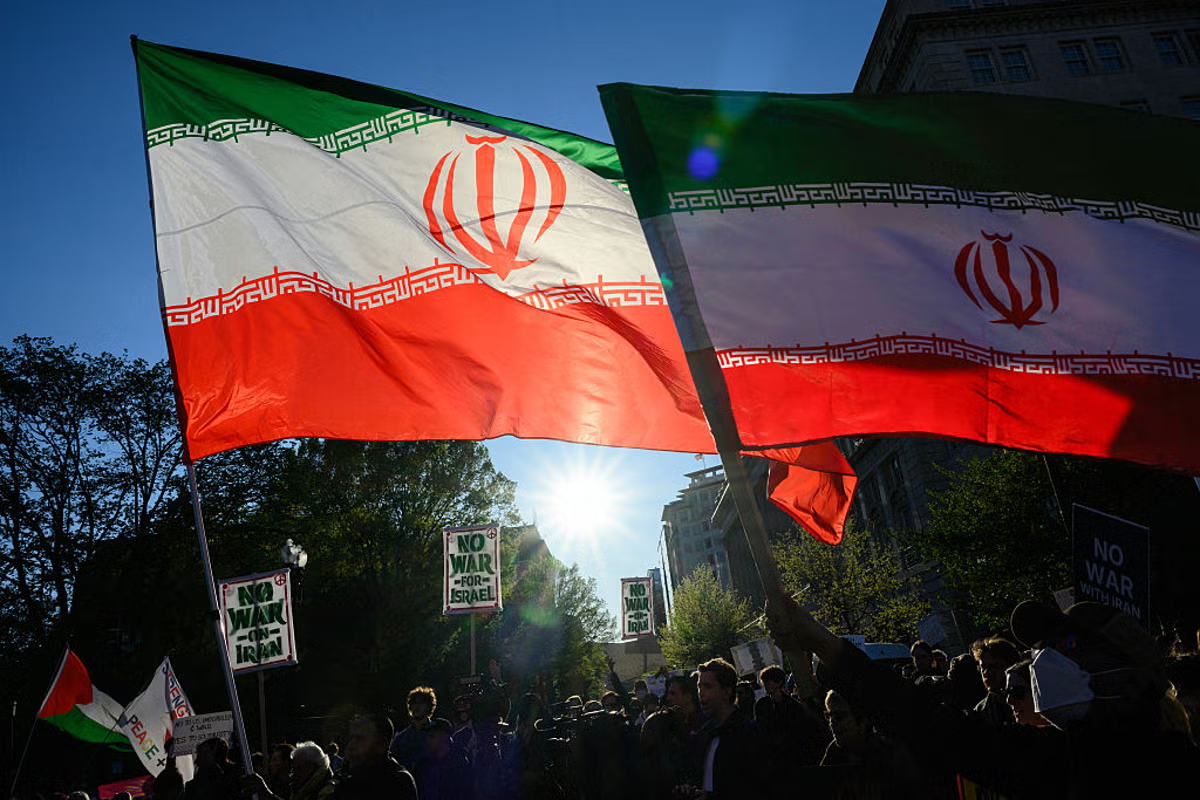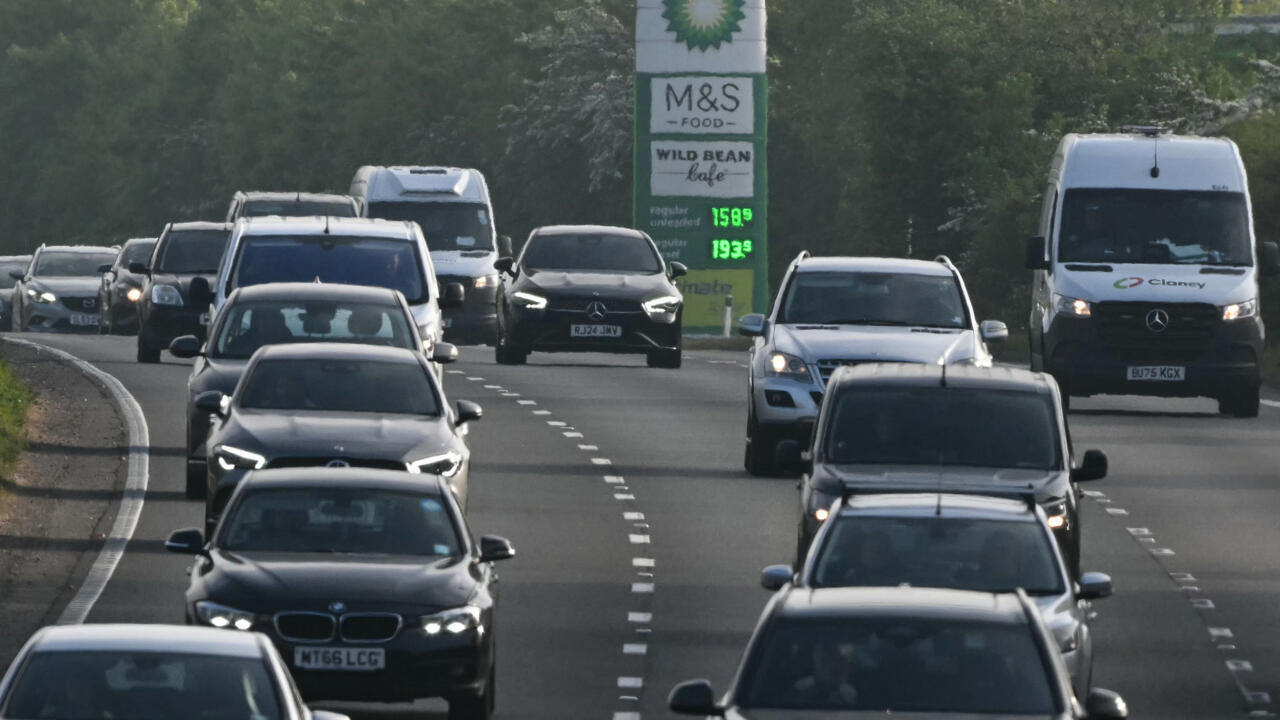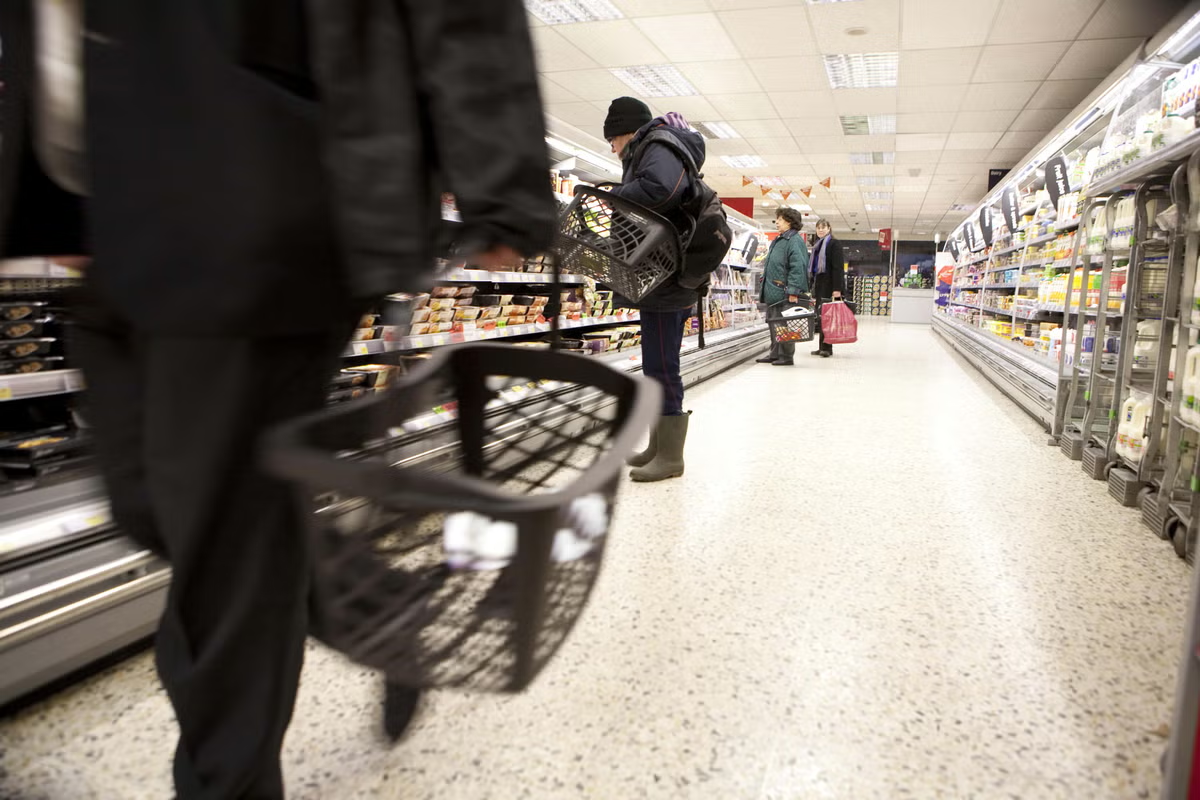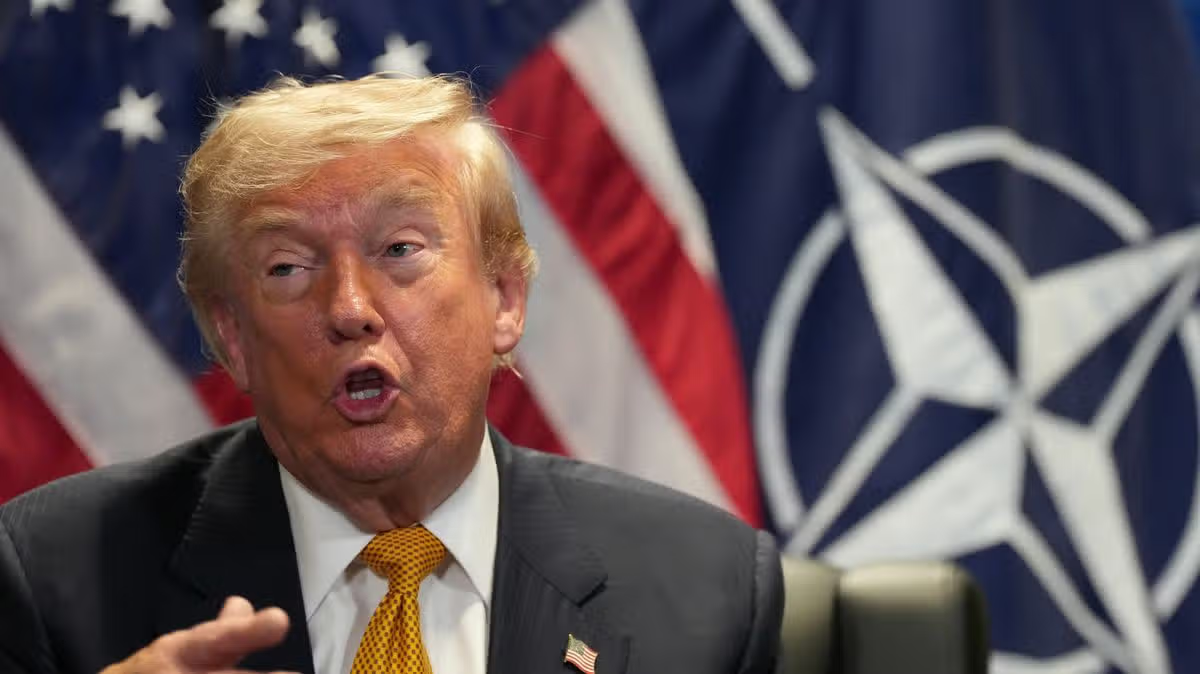
There seemed to be hopes that inflation in the UK - and elsewhere - could finally start to come down quickly, but the fresh war of words in the Middle East could scupper all that14:39, 08 Jul 2026Updated 14:53, 08 Jul 2026Households had been expected to benefit from a faster than expected fall in inflation, the International Monetary Fund declared - but before fears of a return to a full scale Iran war.The Washington-based IMF predicted inflation in the UK will get back to the Bank of England’s target of 2% by the middle of next year. In May it warned it would take until the end of 2027 before that happened.The reason for greater optimism had been signs of an end to the Middle East conflict after the US and Iran signs a ceasefire deal. However, even as the IMF was publishing its update, there were concerns of a return to a full scale war.US President Donald Trump claimed the ceasefire was “over”, after both countries exchanged air strikes. “I don’t want to deal with them anymore, they’re scum,” the president said at a Nato summit in Turkey. “They’re sick people, they’re led by sick people... As far as I’m concerned, it’s over”.The hopes until now of lower inflation to ease the pressure on families was partly due to a sharp fall in oil prices in recent weeks. However, the price of Brent crude oil jumped 5% to over $78 a barrel in the wake of renewed tensions.Millions of UK drivers have been among those who have benefited from lower pump prices since the ceasefire was announced. However, the AA warned the decline is likely to stall given events now.“This is news UK drivers didn’t want to hear ahead of the summer getaway later in the month. The ending of the ceasefire is ominous for UK pump prices but not all is lost,” says Luke Bosdet, the AA’s spokesman on pump prices.“For starters, a feature of the US-Iran war has been highly volatile oil prices that have fed through to the pump. However, the sharp fall in petrol and diesel prices has by and large tracked the more recent fall in wholesale costs and come through to the pump far more quickly than would have been expected previously."Petya Koeva Brooks, deputy director of the IMF's research department, said: "We are faced with a lot of uncertainty at the moment. " She also warned a renewed phase of the conflict "would take a toll on the global economy."It came as the IMF handed the UK the biggest upgrade to its growth growth forecast of any G7 country which, without the renewed threat from the Middle East, would bring added hope for PM-in-waiting Andy Burnham and whoever he appoints as his Chancellor.According to its latest World Economic Outlook, the IMF estimates the UK economy will grow by 1% this year, a rise of 0.2 percentage points from its forecast in April.Chancellor Rachel Reeves said: “The UK is the only G7 country where the growth forecast this year has been upgraded by the IMF. This shows we have the right economic plan to build a stronger and more secure economy.“Our choices mean the economy is in a better position to deal with the costs of the war in Iran while kickstarting long-term growth by focusing on our three big choices – boosting AI, regional growth and strengthening trade with the EU.”Article continues belowThe IMF said its global price inflation forecasts for both 2026 and 2027 were still slightly higher than its outlook report in April. Global price inflation is set to rise to 4.7% this year from 4.1% last year on the back of higher food and energy prices, it said, but predicted that this will then cool to 3.9% next year.Meanwhile, the global economy is expected to grow by 3% this year, down slightly from a previous forecast of 3.1%. But this is expected to improve to 3.4% in 2027, up from a previous forecast of 3.2%.
Fears of renewed Iran war could dash cost of living relief for UK households
There seemed to be hopes that inflation in the UK - and elsewhere - could finally start to come down quickly, but the fresh war of words in the Middle East could scupper all that
666 words~3 min read