Across Asia, physical retail is staging a comeback. As Southeast Asia’s mall developers race to build experiential megacomplexes from Jakarta to Ho Chi Minh City and East Asian countries attract growing tourist numbers, the obituary for brick-and-mortar retail, written so confidently during the pandemic years, appears to have been premature. Yet as Asian retail recovers, an increasingly pervasive technology — artificial intelligence (AI) — has made its way onto the shop floor.
AI has both back-end applications that produce efficiency gains — including inventory management and demand forecasting — as well as front-end uses such as chatbots and digital signage. But front-end deployments, where customers directly encounter AI both in-store and online, require greater attention given that the cultural stakes are higher and end-user trust is more revealing.
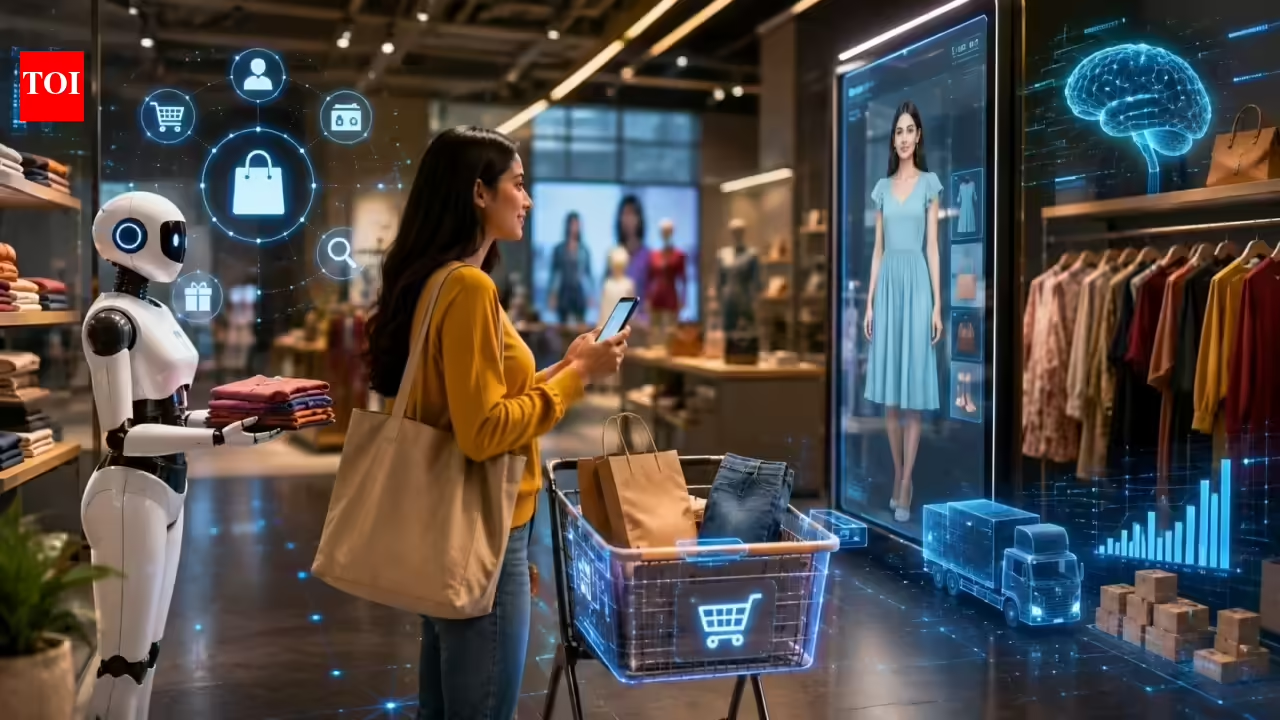
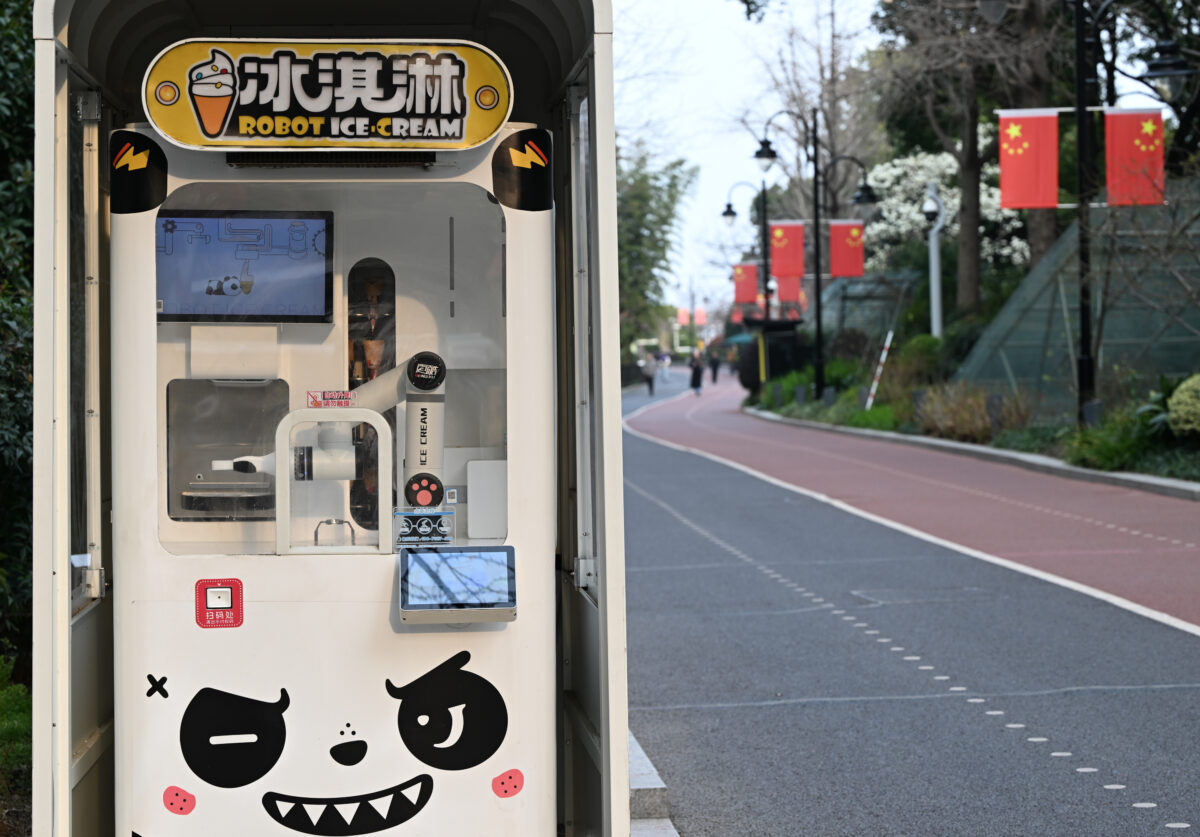
That distinction is easily lost in the current rush to adopt. Retailers are turning to predictive analytics, voice AI in contact centres and agentic AI tools. In Shanghai, SenseTime’s SenseMartGo embodied AI convenience stores use humanoid robots to greet shoppers, pick products and handle checkout — a sign of how far front-end AI has already reached. Governments are pushing in the same direction. In its 2026 budget, the Singaporean government announced it is actively co-funding AI adoption among small- and medium-sized retailers through training support and introduced a 400 per cent tax deduction on AI expenditures.