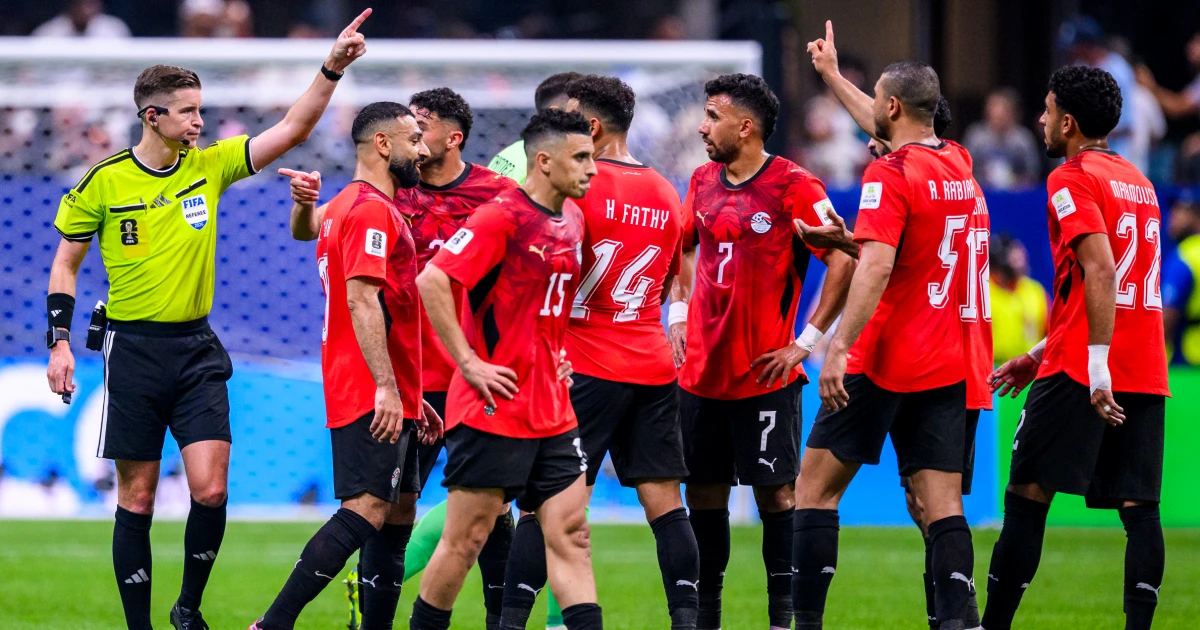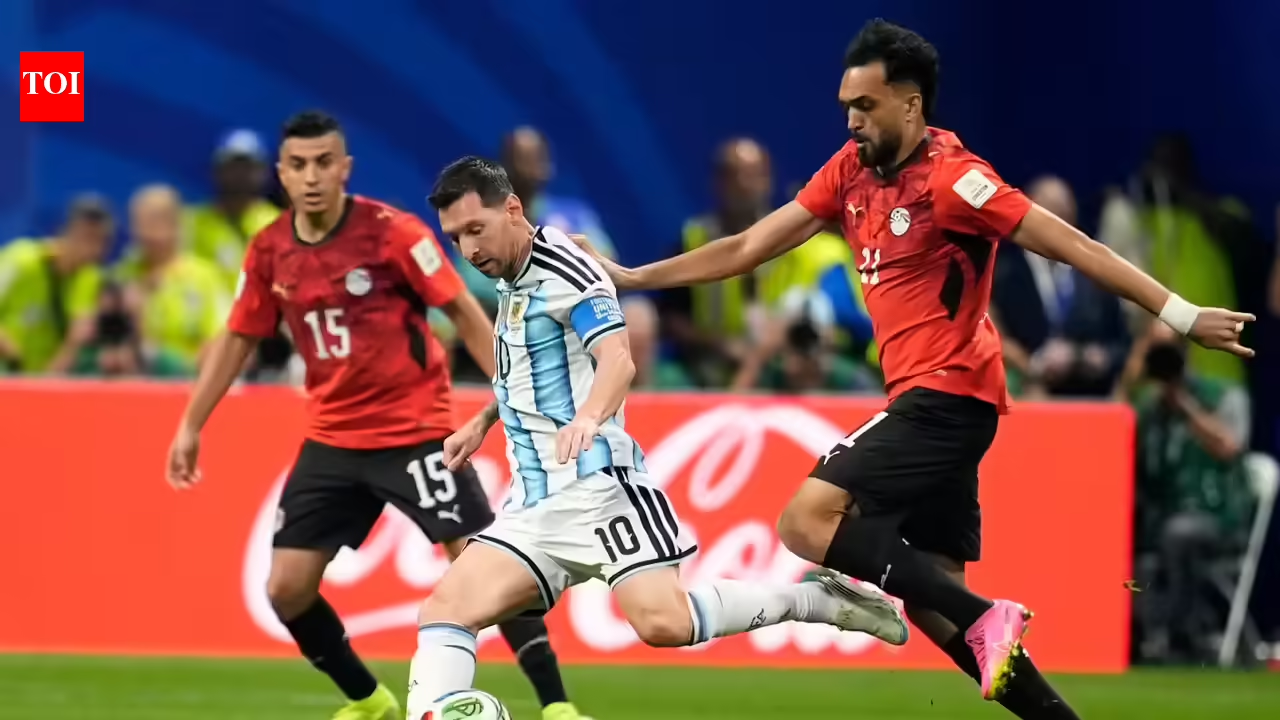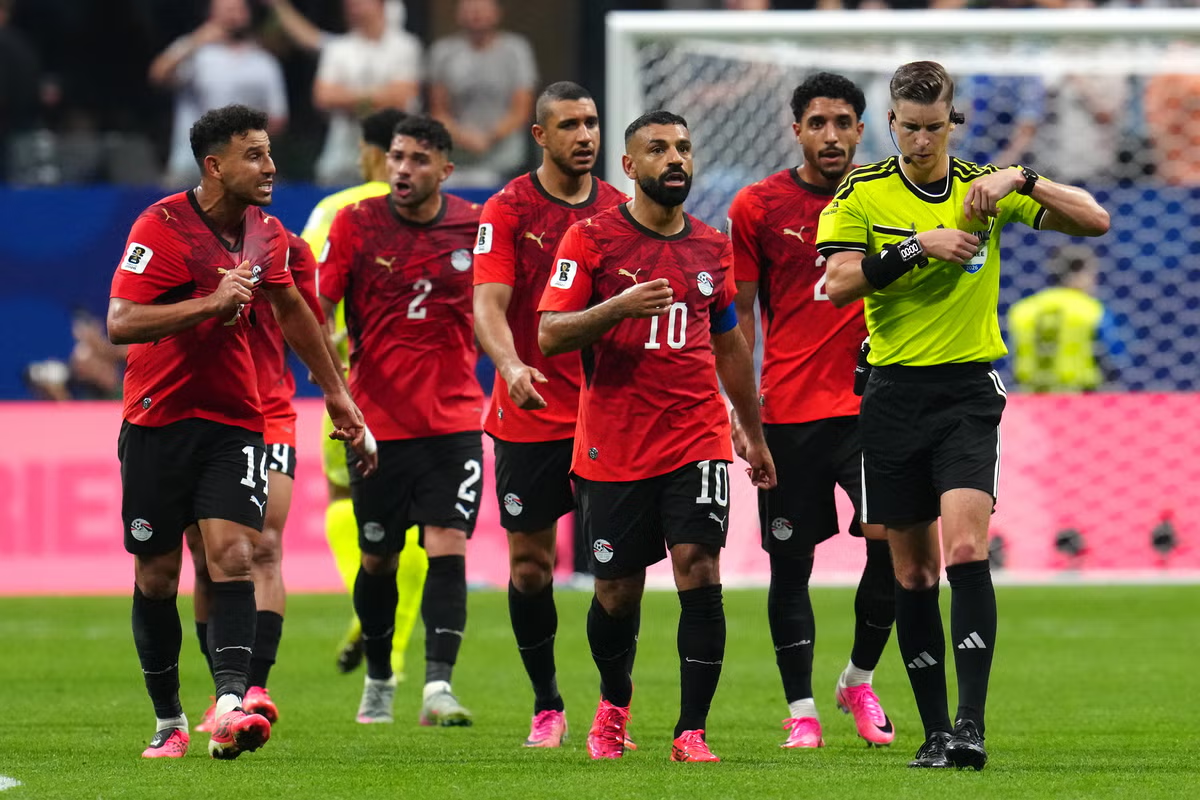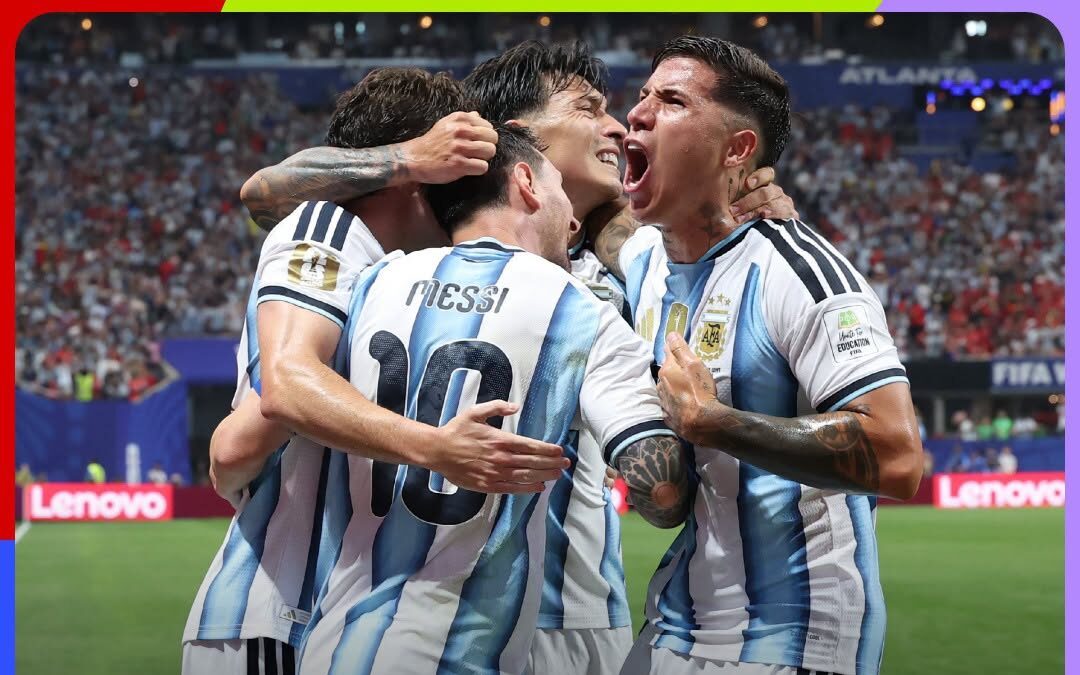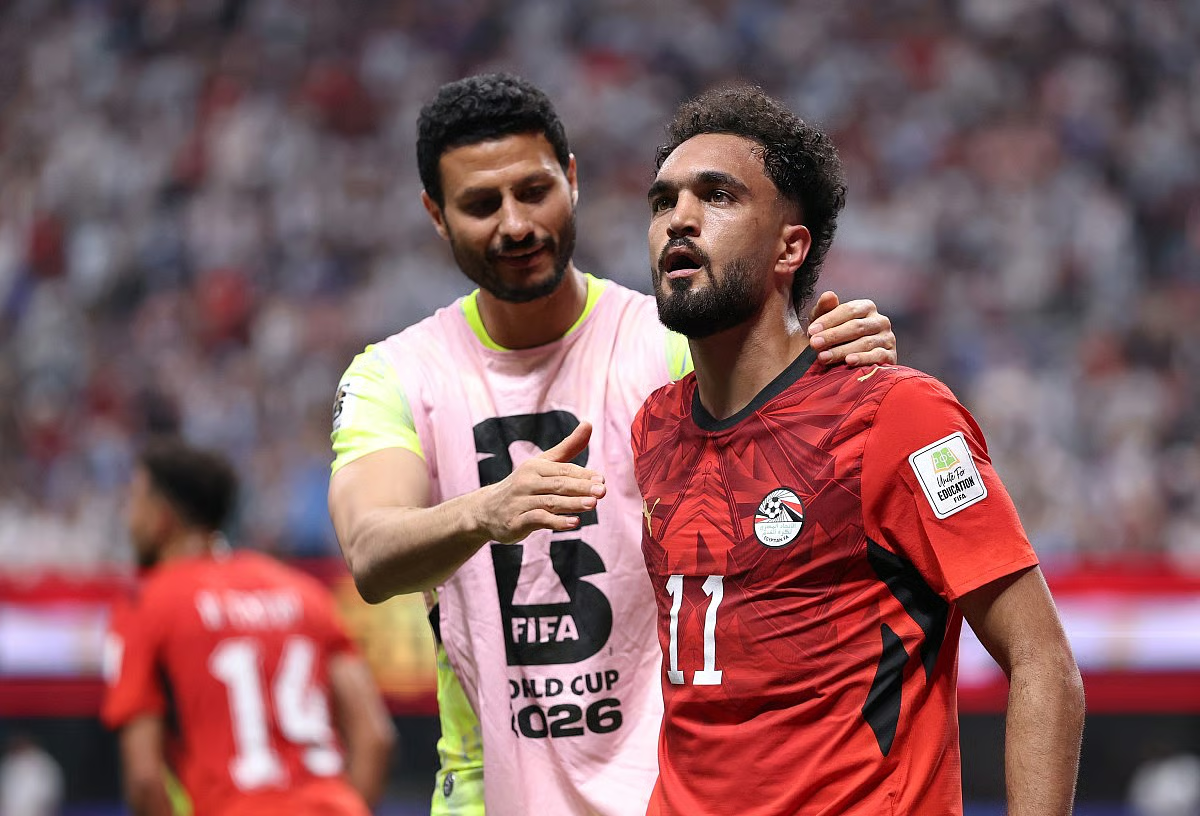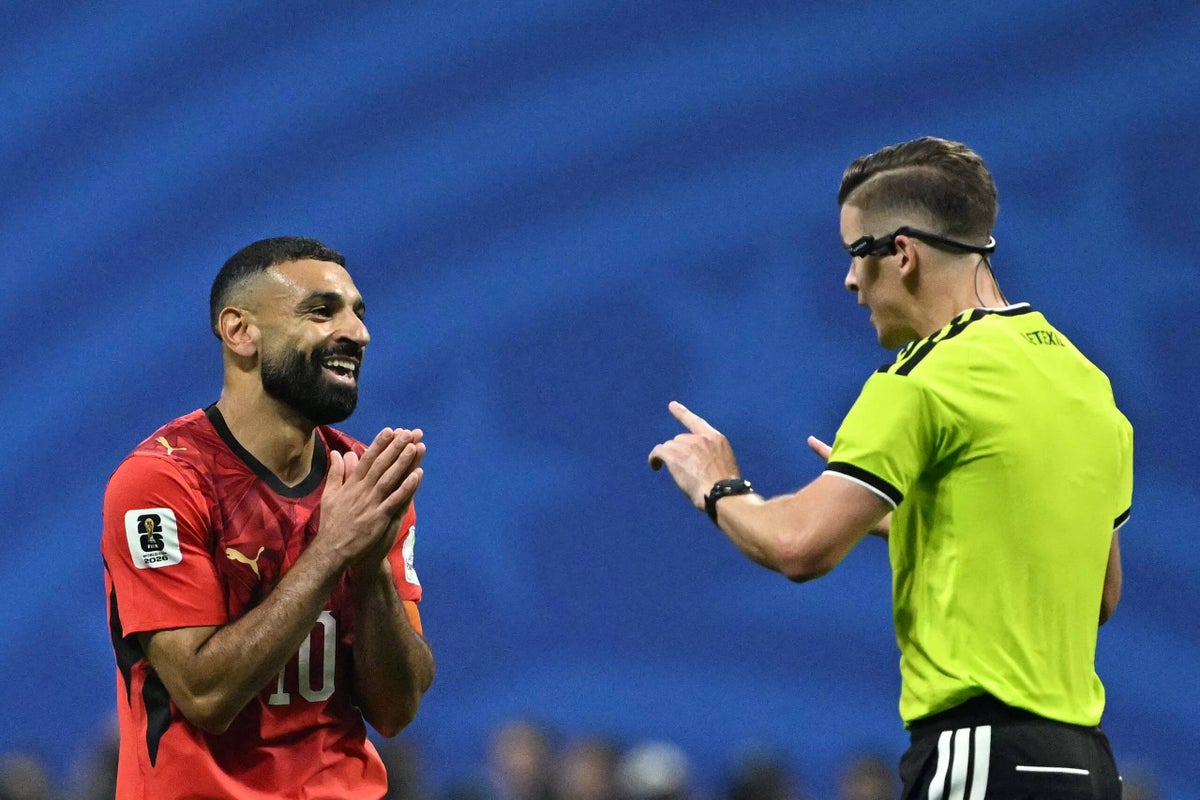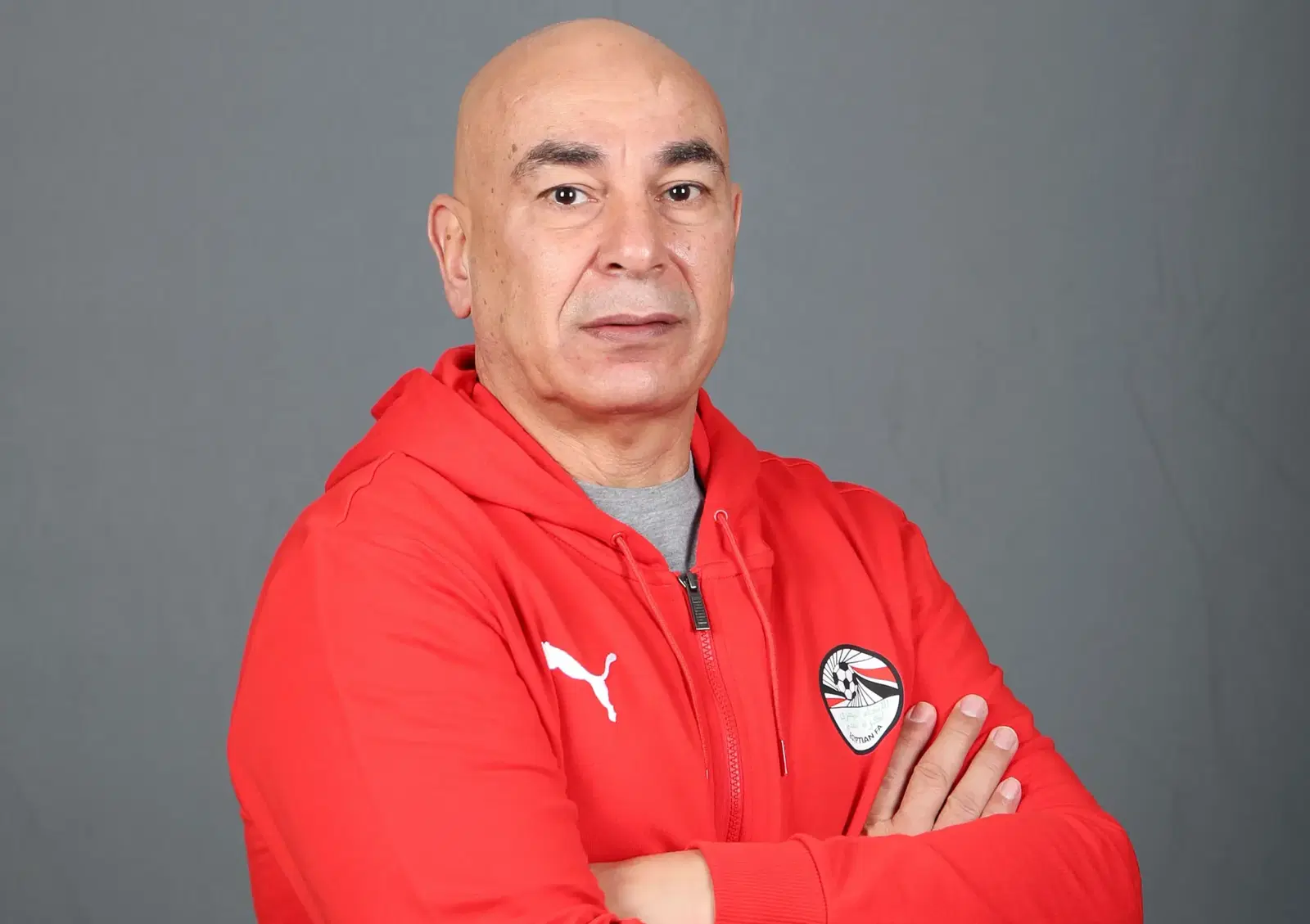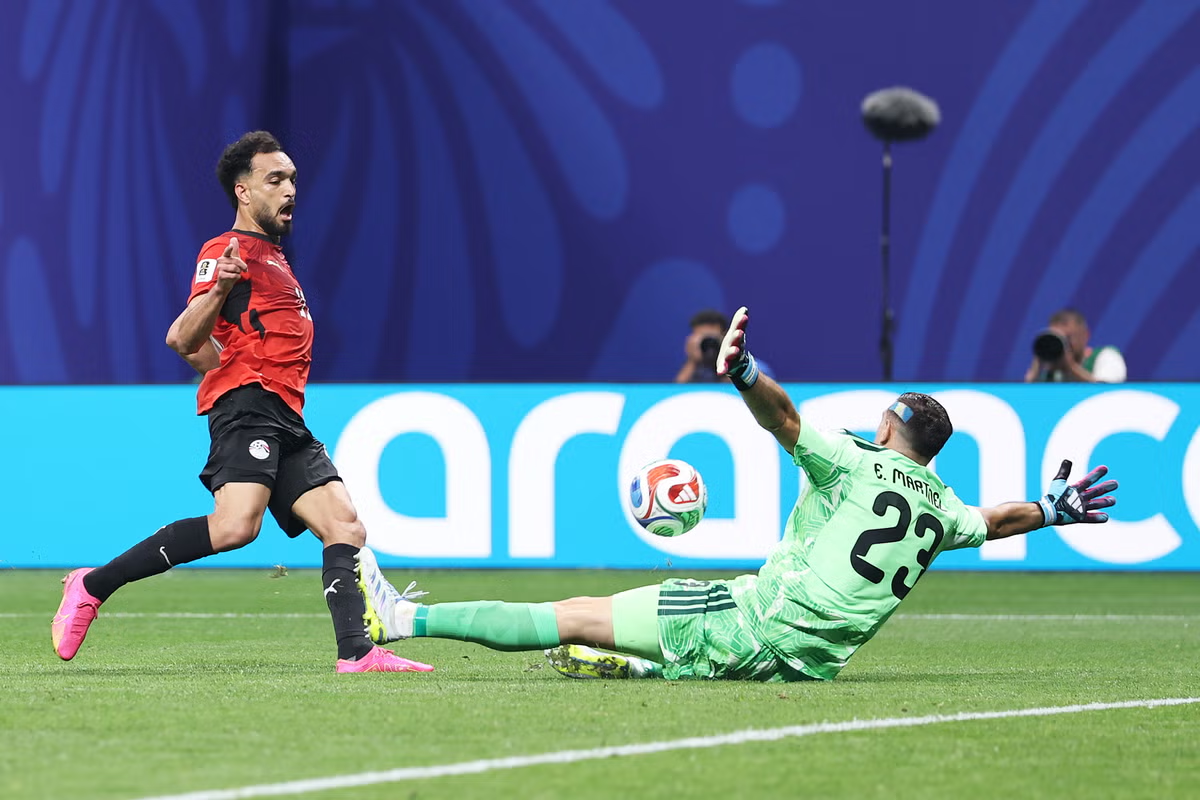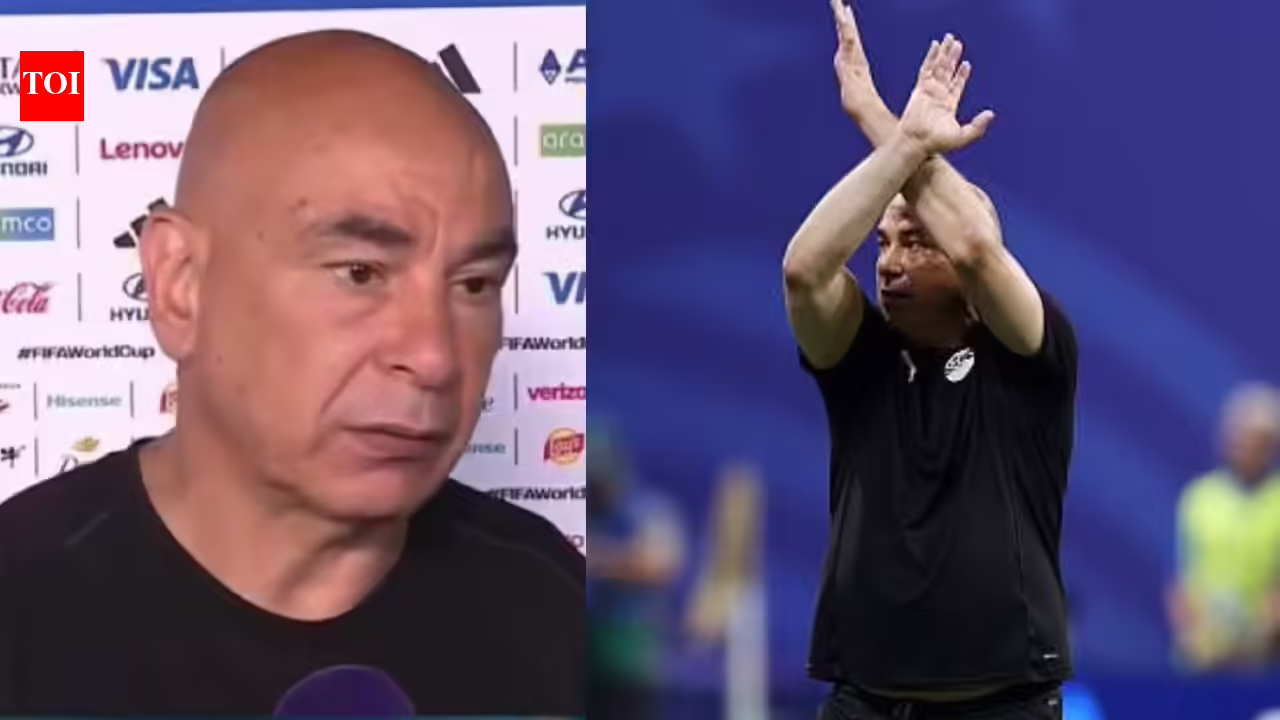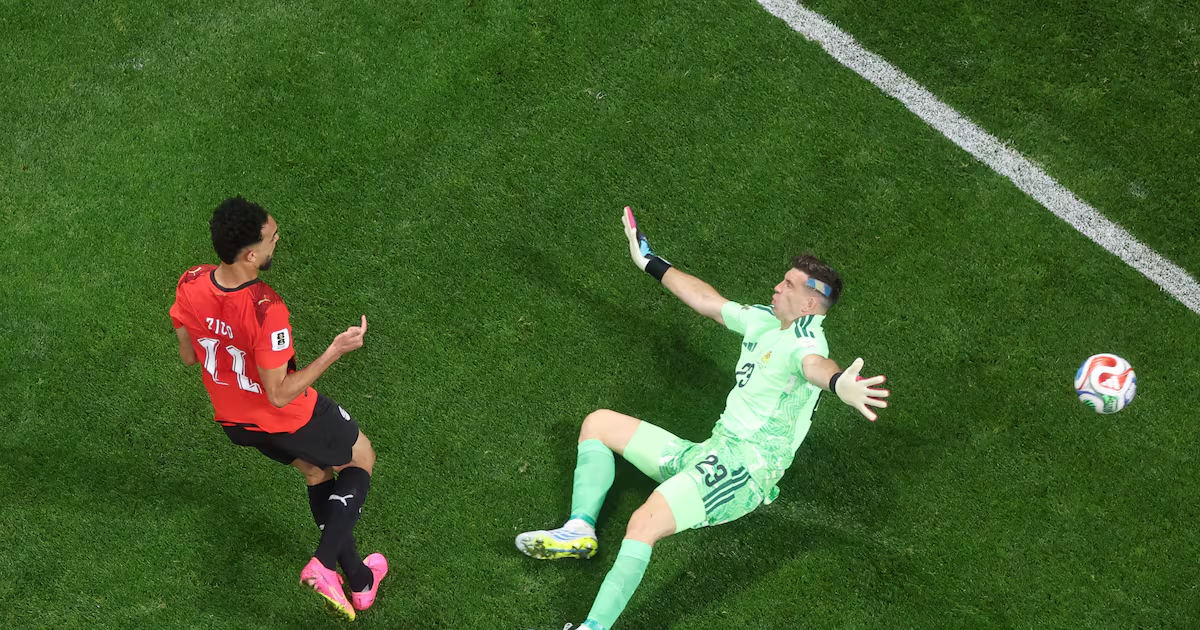
The decision to disallow a goal by Egypt’s Mostafa Zico during their 3-2 World Cup defeat to Argentina in the Round of 16 on Tuesday has triggered widespread speculation about whether star teams and players receive favourable treatment at the tournament.The Egyptian goal was ruled out after a VAR review found a foul was committed in the build-up, while another apparent infringement before goal for Argentina was not reviewed, leading to a deep sense of anger among the Egyptians.“It’s all about money. They want [Lionel] Messi to stay in the tournament,” Egypt head coach Hossam Hassan said in a post-match interview. “In football, many things happen off the pitch because of interests. What happened was unfair. Egypt deserved to qualify, we were the better team.”Hassan vowed not to watch another match in the World Cup due to the “injustice”.Argentina went on to score three goals in the last 15 minutes of the game in Atlanta and advancing to the quarter-finals.The result followed an intervention by US president Donald Trump to overturn the one-game suspension received by US striker Folarin Balogun after he received a red card during their Round of 32 win over Bosnia and Herzegovina. Although Fifa insisted the decision to overturn Balogun’s suspension was taken independently, the incident has deepened suspicions of interference in the sport, and the sport’s governing body in Europe, Uefa, warned “integrity of the game is at stake”.“After the Balogun affair, who knows which decisions are legitimate and can be trusted, and which can’t?” Simon Chadwick, professor of Afro-Eurasian sport at the Emlyon Business School in Shanghai, told Al Jazeera. “There was something distinctly unusual about the goal and VAR decision, something that was amplified when Argentina scored one of its goals.”The Egyptian Football Association has submitted a complaint to Fifa requesting a review of the refereeing decisions, according to Egyptian media, arguing that inconsistent refereeing cost Egypt its place in the tournament.Argentina’s win spurred a wave of international commentary claiming the result gave the appearance, if nothing else, that an intervention had been made in favour of the reigning champions, which would align with the financial incentives of keeping leading teams in the running to drive sales of tickets and merchandise.“The biggest loser from Argentina’s dramatic victory over Egypt wasn’t Egypt, it was Fifa,” Jatin Verma wrote in an analysis for Indian outlet WION. “Football’s governing body has failed to convince millions of fans that the world’s biggest tournament is being officiated consistently and transparently.”In an online poll by BBC News, 73 per cent of respondents said they believed Egypt “were robbed”, versus 27 per cent who said Argentina deserved to win.“The bigger teams do seem to get the benefit of these decisions,” former Republic of Ireland international Roy Keane said on ITV Sport after the match. However, “it shouldn’t take away from what Argentina have also achieved there,” he added.Asked whether the disallowed Egyptian goal would have been ruled out if it had been scored by Argentina, former Manchester United captain Gary Neville replied “unlikely”.World Cup Wallchart
‘They want Messi to stay in the tournament’: Egypt’s disallowed goal against Argentina leads to claims of injustice
Mostafa Zico had a goal ruled out in Tuesday’s Round of 16 game due to a foul in the lead up
505 words~2 min read